Our last few days in Kyoto were packed with iconic experiences, mostly focused on appreciating the long and fascinating spiritual traditions of the Imperial city.
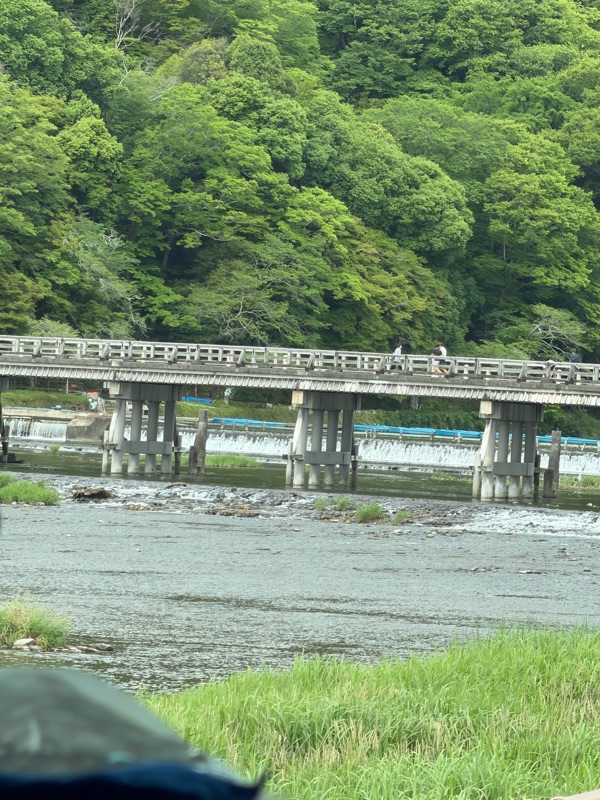
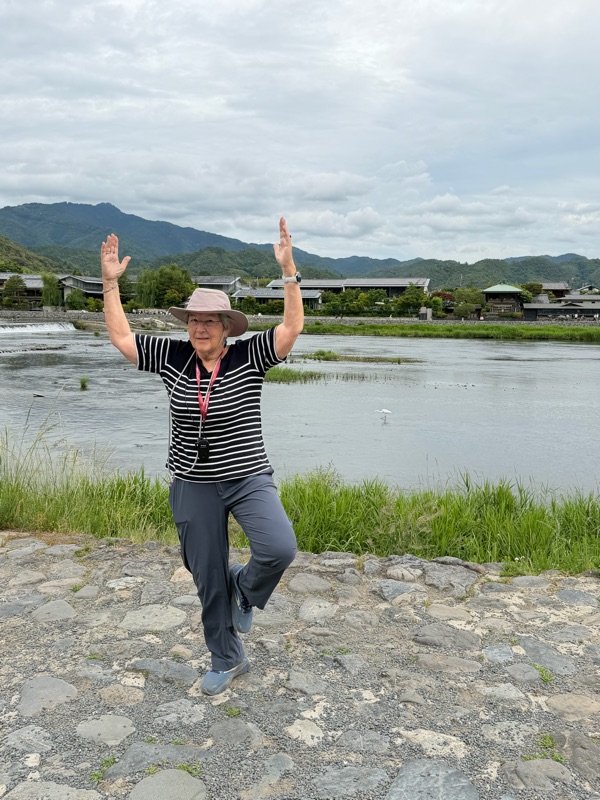
On Wednesday we started off the day heading back to the Western side of the city near the Golden Pavilion. We walked along the Katsura River and crossed on the Moon Crossing Bridge. The original wood bridge, built in the 7th century, was so named because the graceful curve reminded the 13th century emperor of the moon on the water. Like some other waterways in Japan, the rapids are controlled by a series of low waterfalls. We saw herons and cormorants in the water.
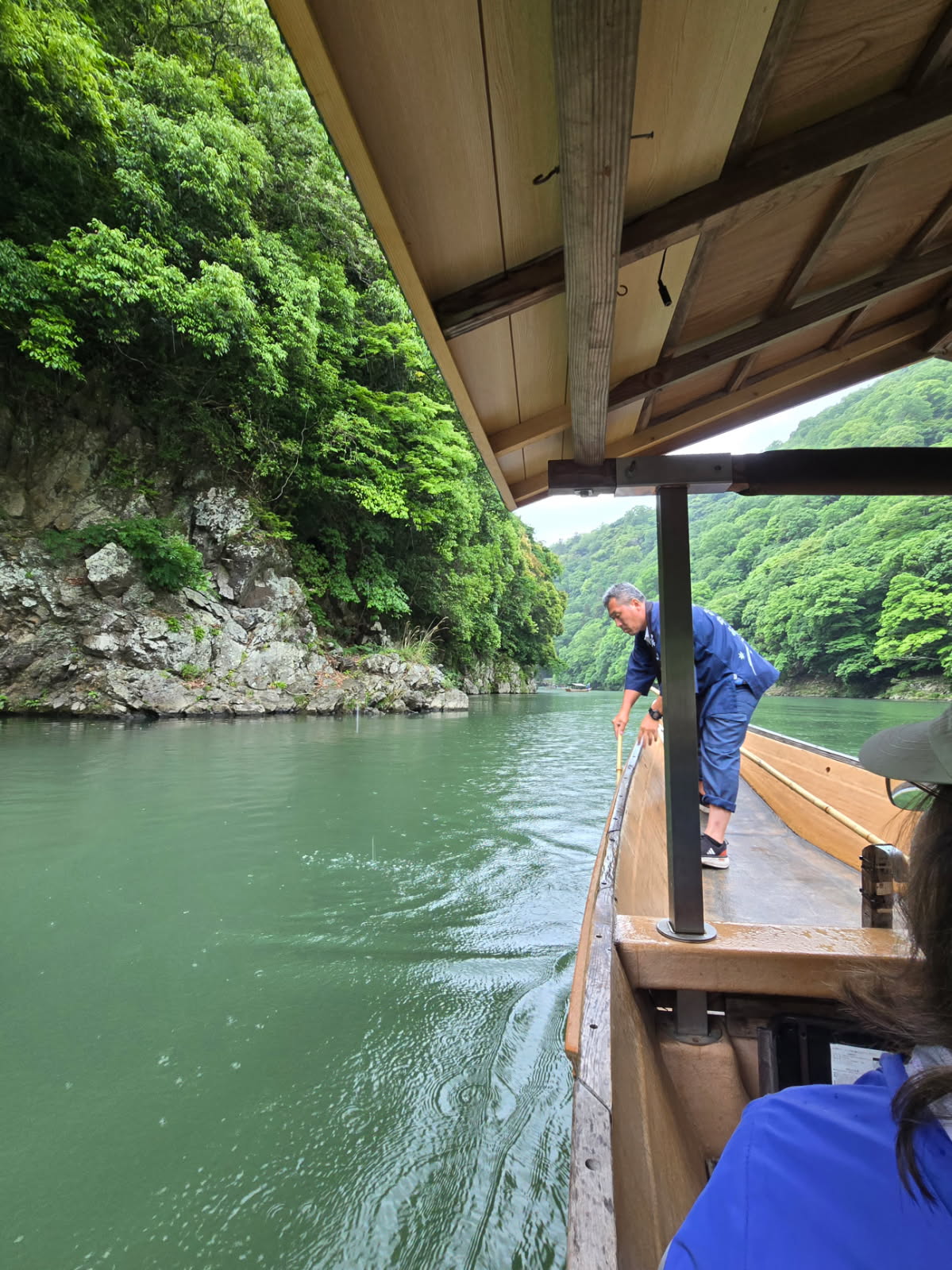
We got on a hand-poled boat, and made our way up the river that ran through low forested mountains on both sides in quiet tranquility, while Makiko read a Buddhist sutra. After a while we saw a monk walking his dog along the riverside - and it turned out that was the monk we were coming to see.
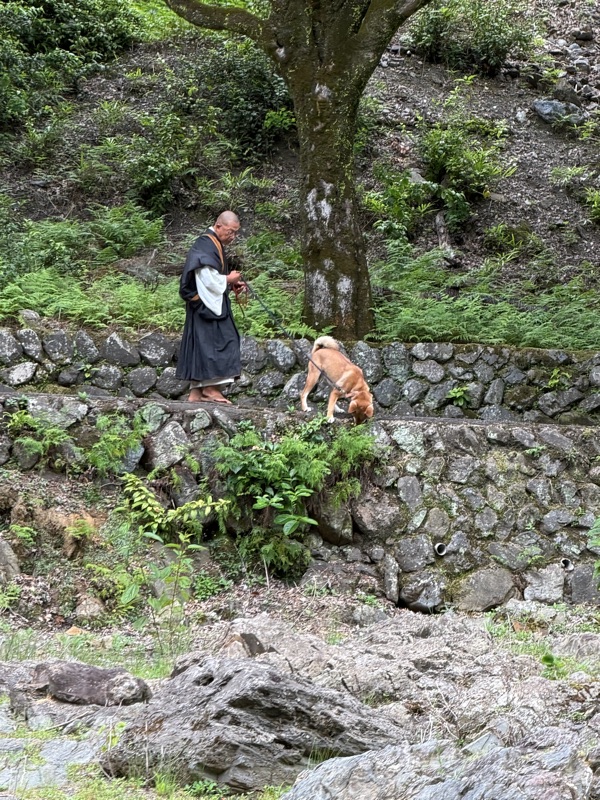
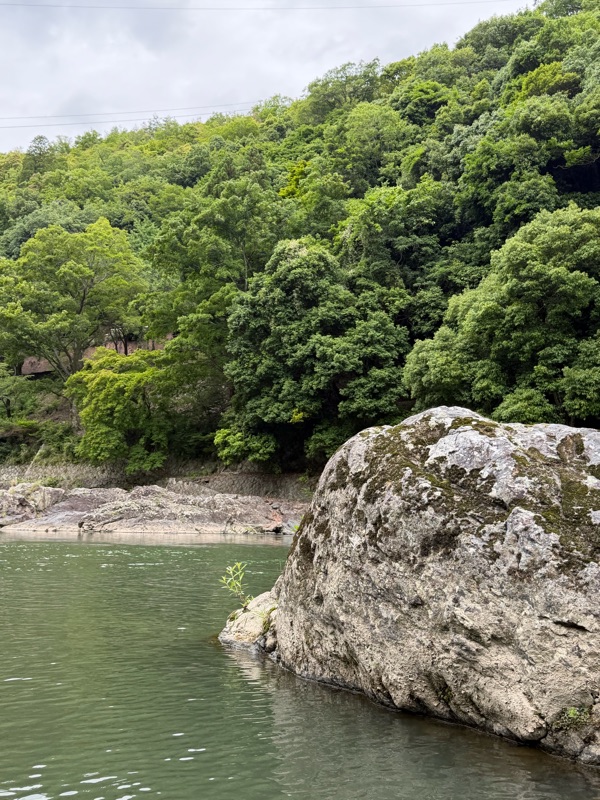
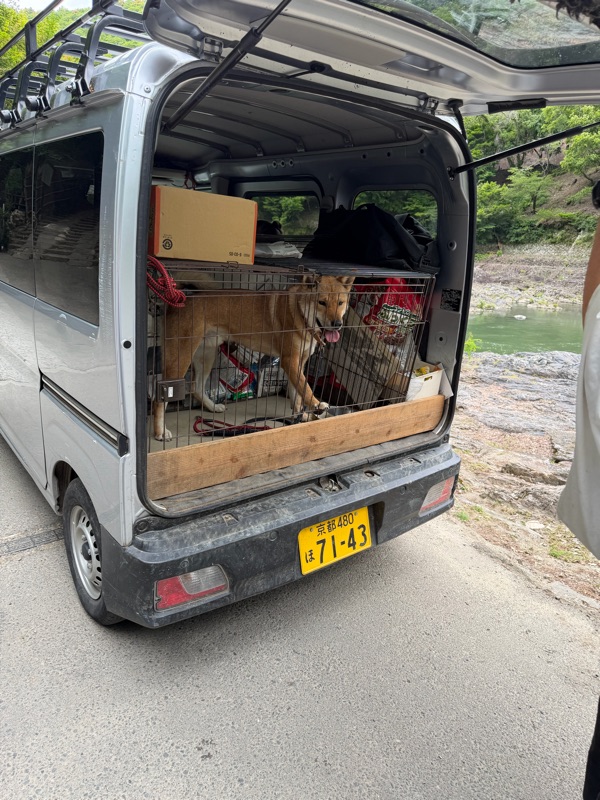
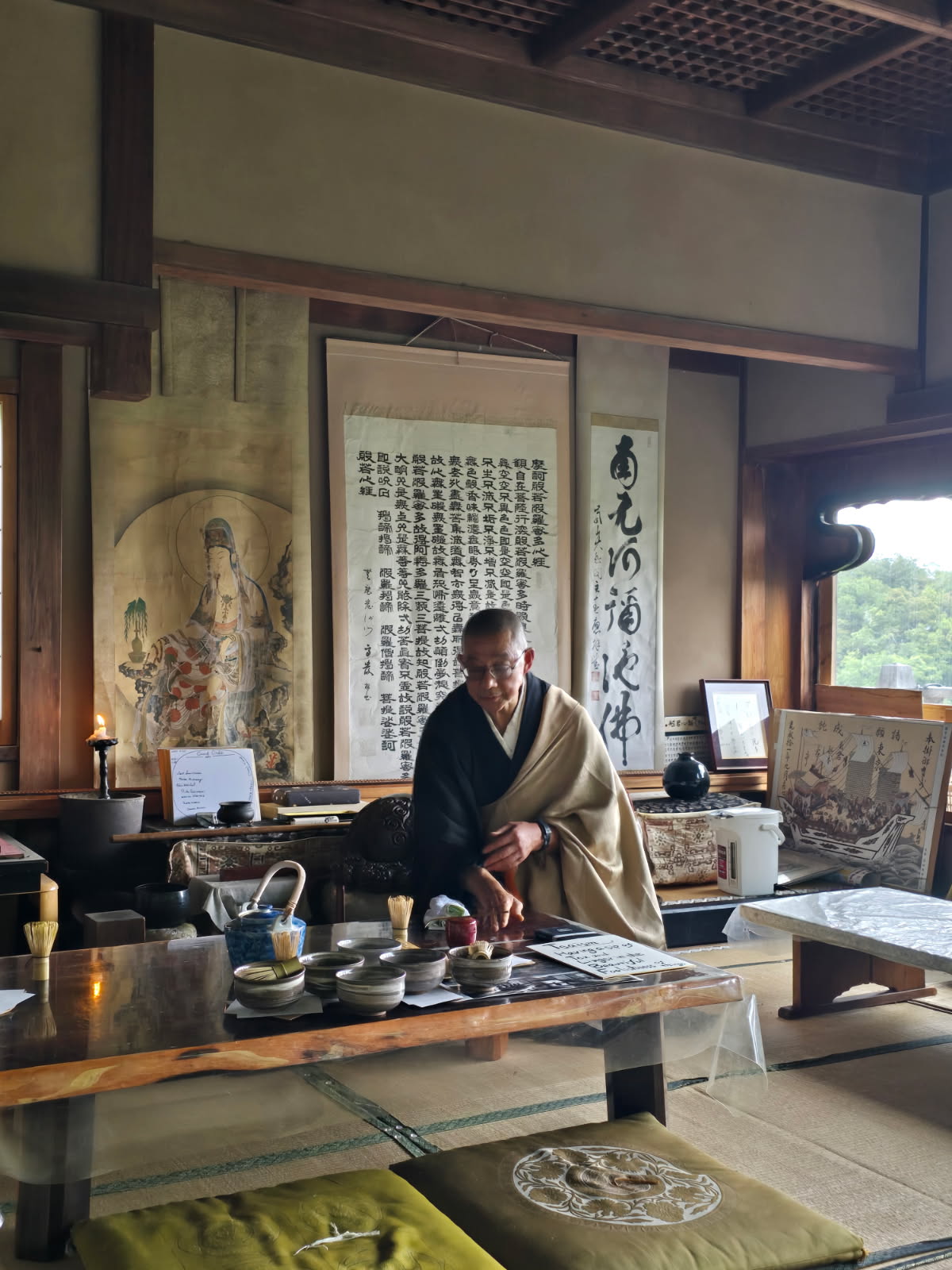
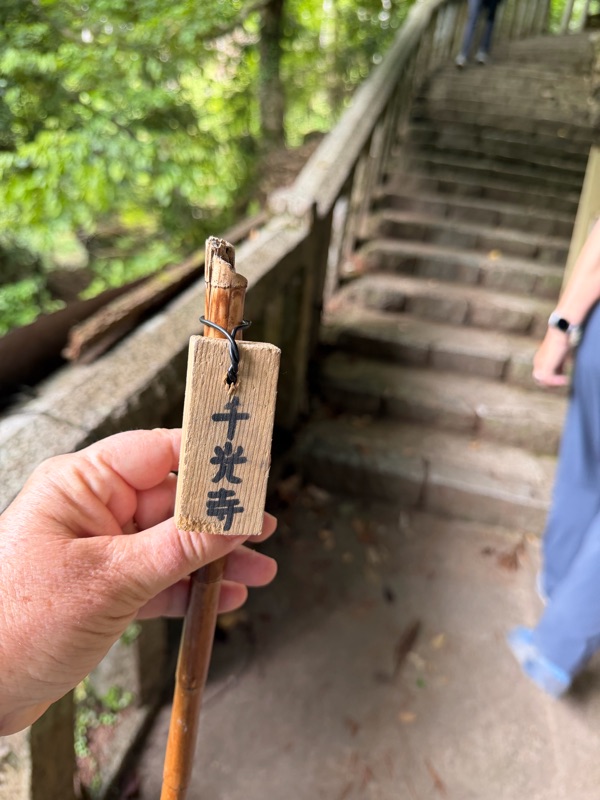
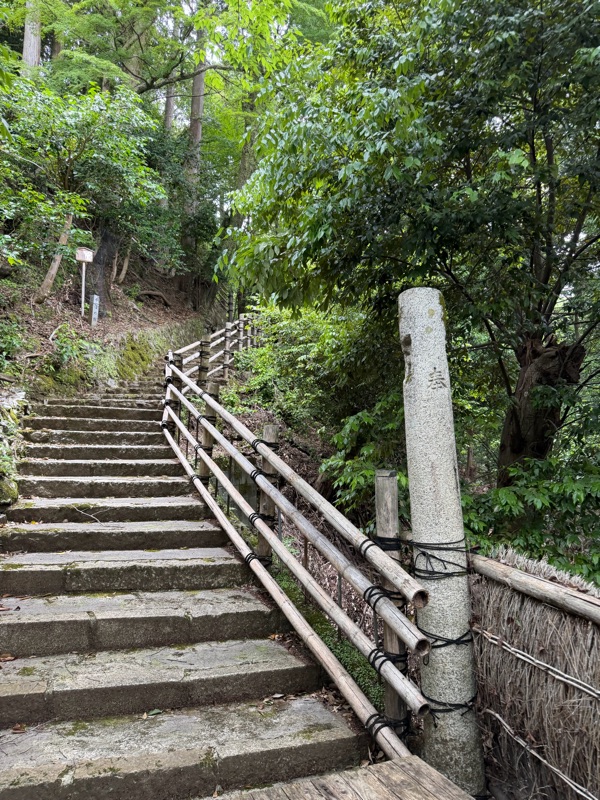
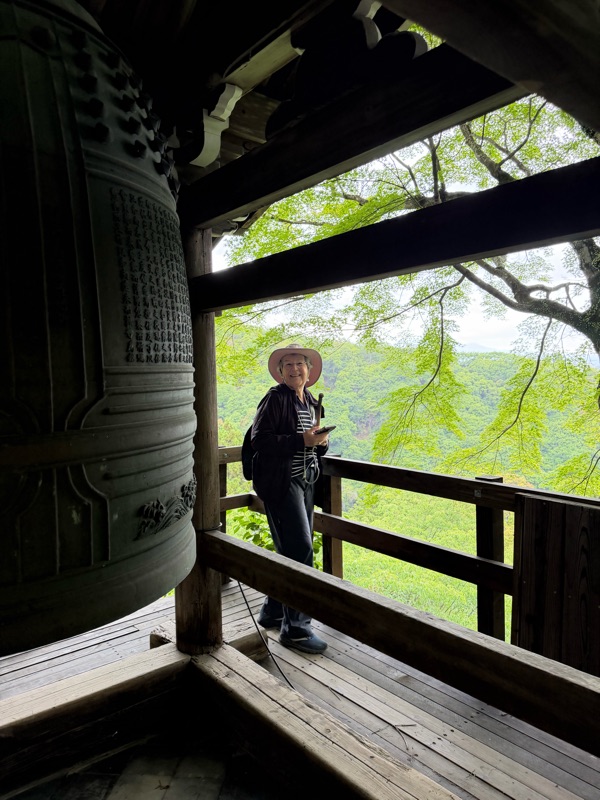
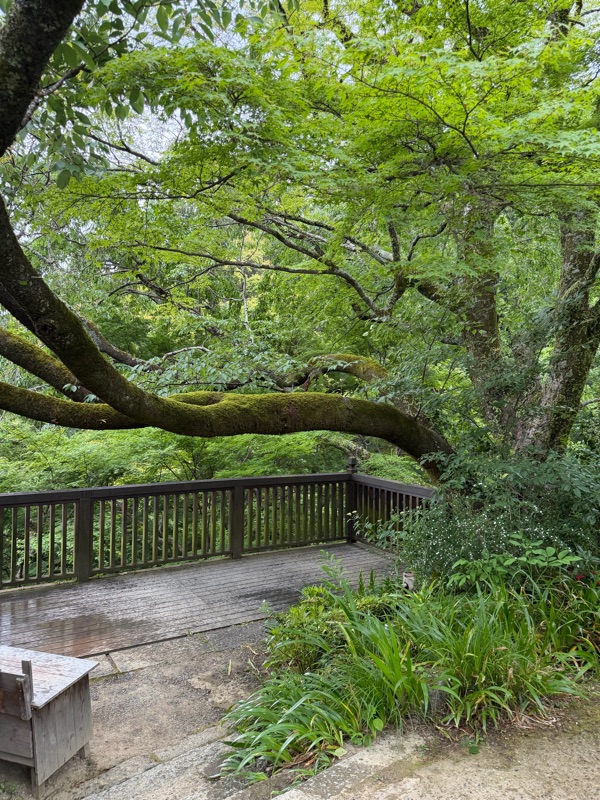
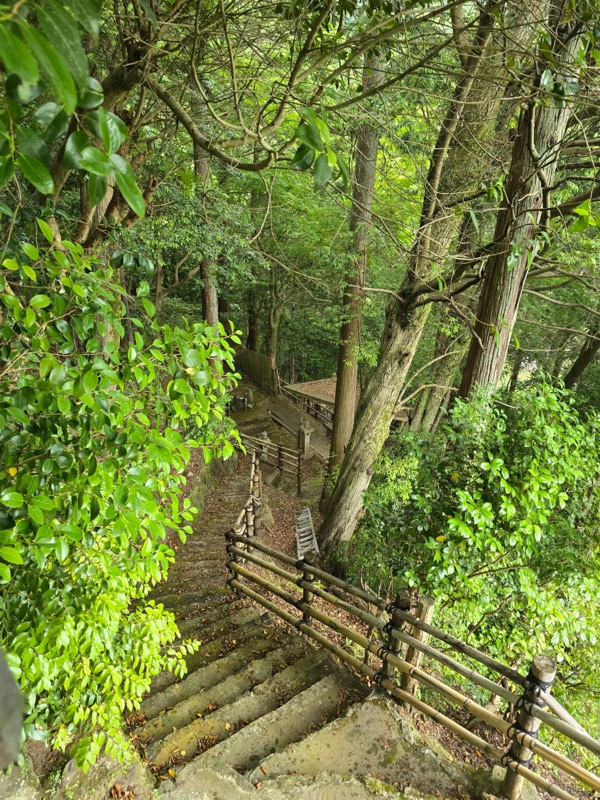
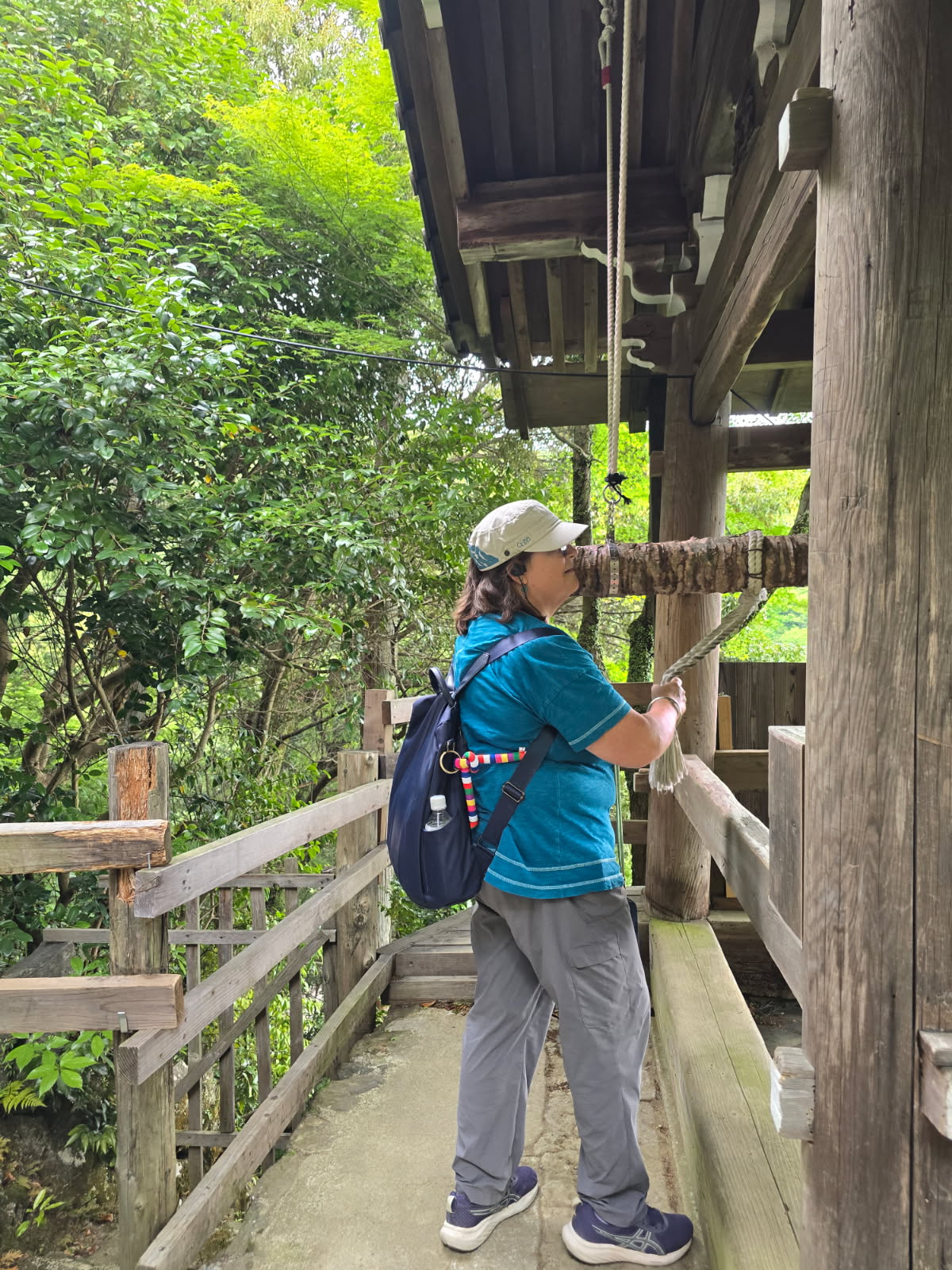
While he drove some of our group up the hill in a tiny van, the rest of us walked up the 200 steps to the temple. There we all sat in a simple room that was the temple and listened to the monk for an hour or so. We meditated, and we both opted to receive special encouragement from the Kannon Bodhisattva (in the form of a whack on each shoulder with a stick). The Kannon Bodhisattva specializes in helping you see things from a different perspective - which is why the Canon Camera company adopted the name. Finally, the monk served us a sweet cake and matcha tea. Such a lovely and peaceful morning.
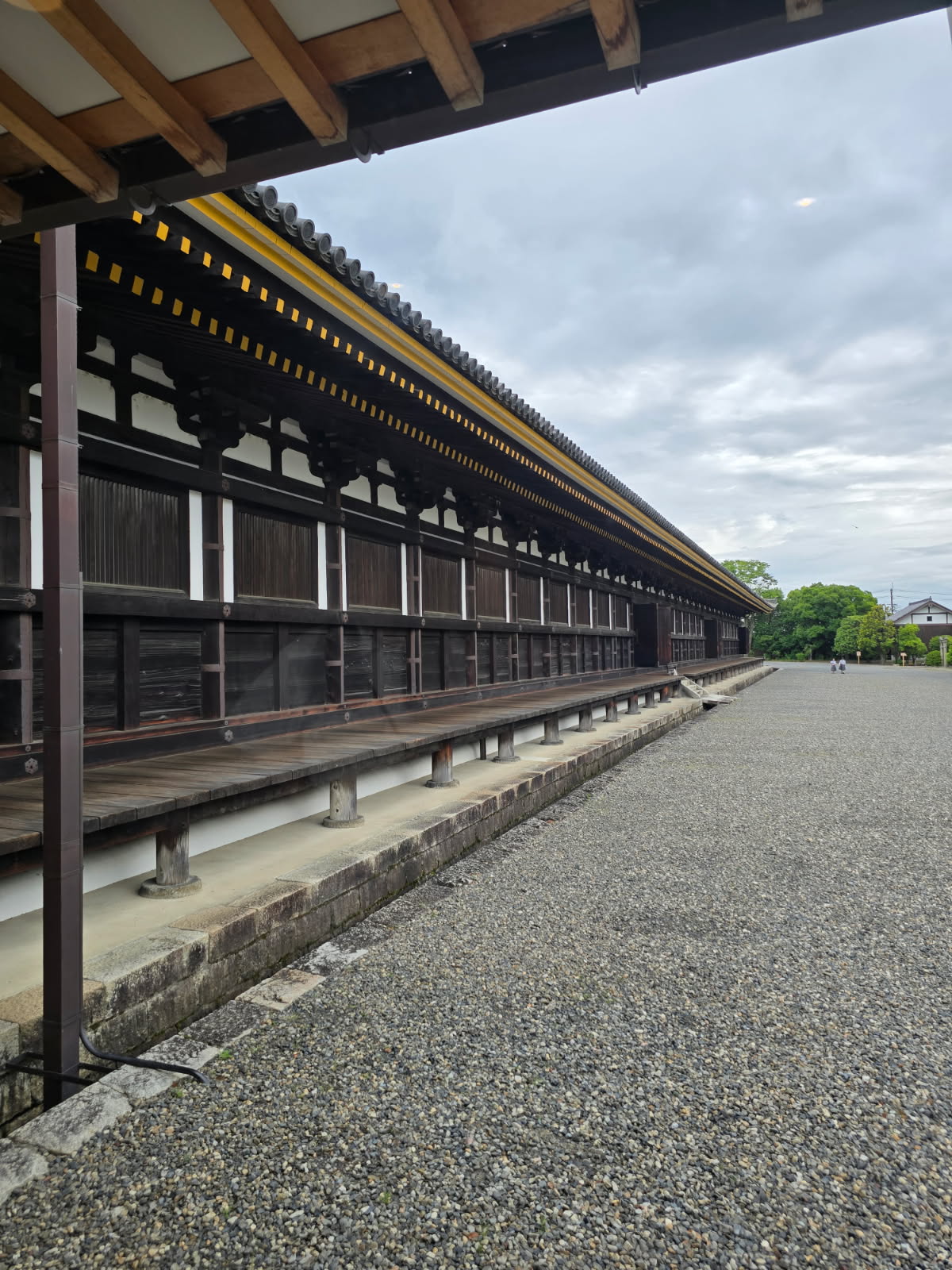
After lunch, while most of the group went to a Team Lab experience, we went with Makiko to the Sanjosangen-do temple. This temple had a very long room, 33 gens or room lengths (which is the name of the temple), with more than 1000 Kannon Bodhisattva life size wooden statues. It was really cool.
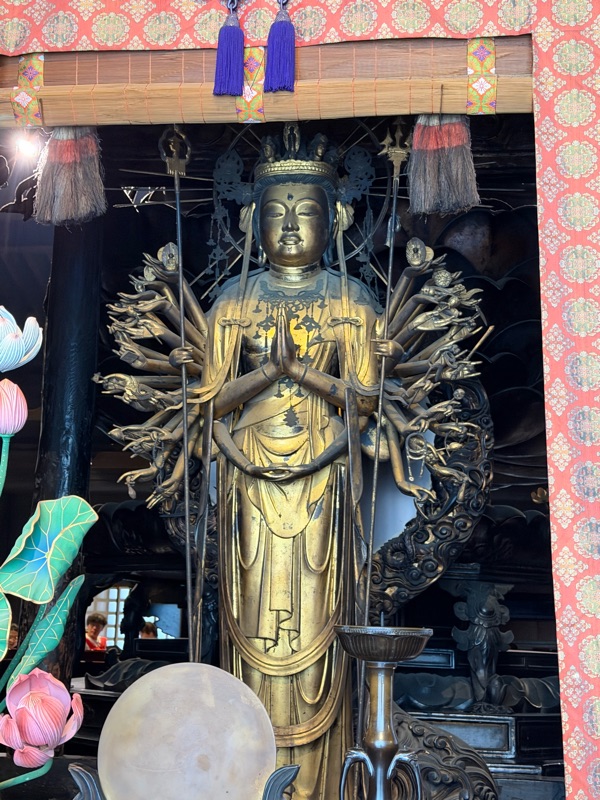
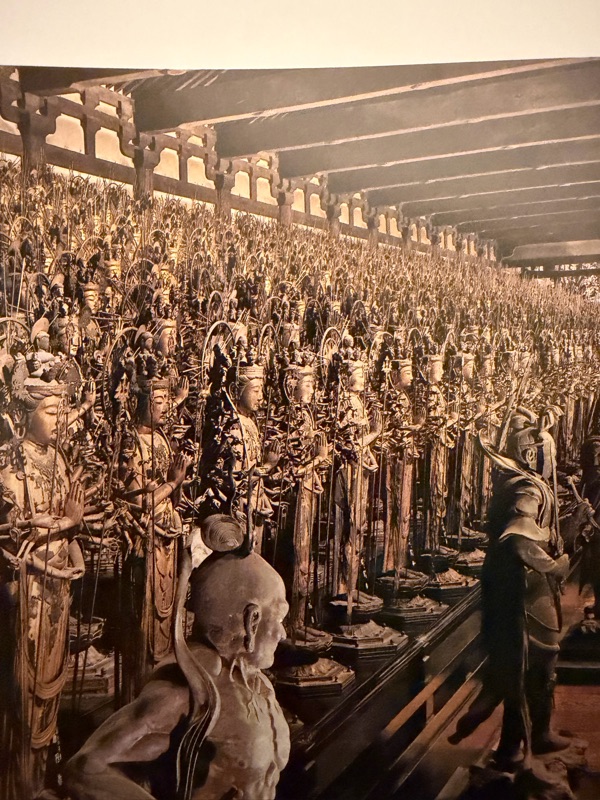
This is a photo from the book we bought of half or less of the collection of statues - each one is different and unique.
In the evening we walked up to the famous Nishiki market to see what it was all about and then stopped on the way home for delicious dumplings.
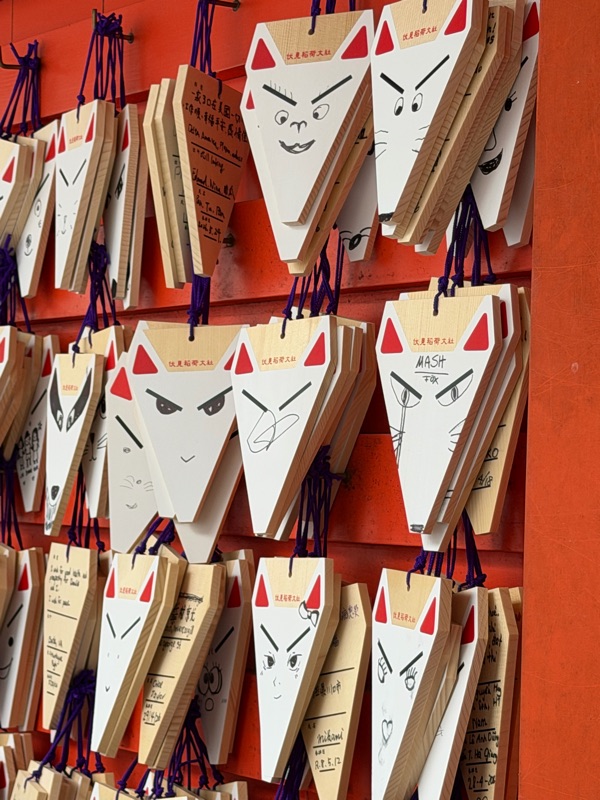
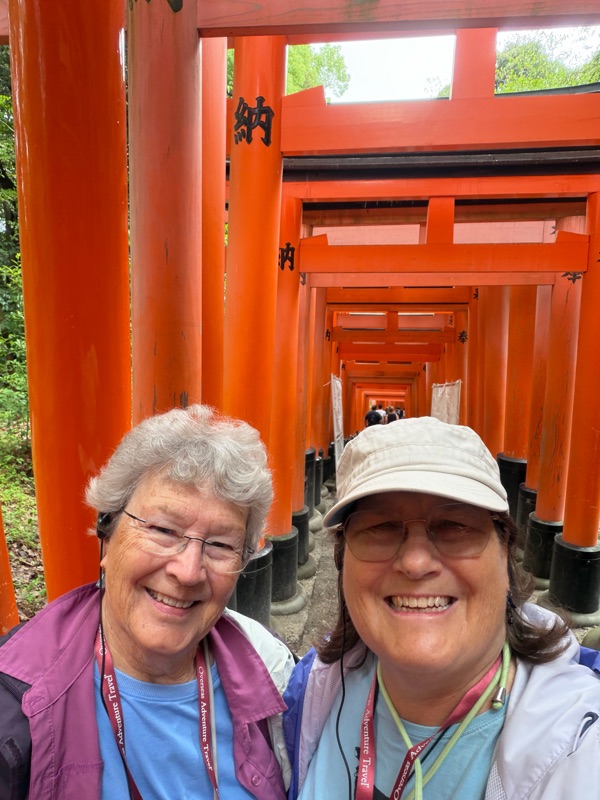
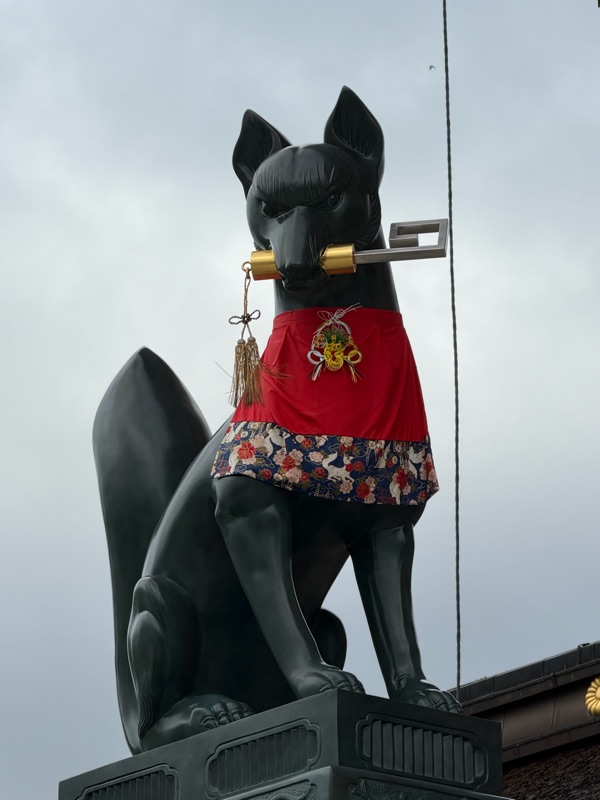
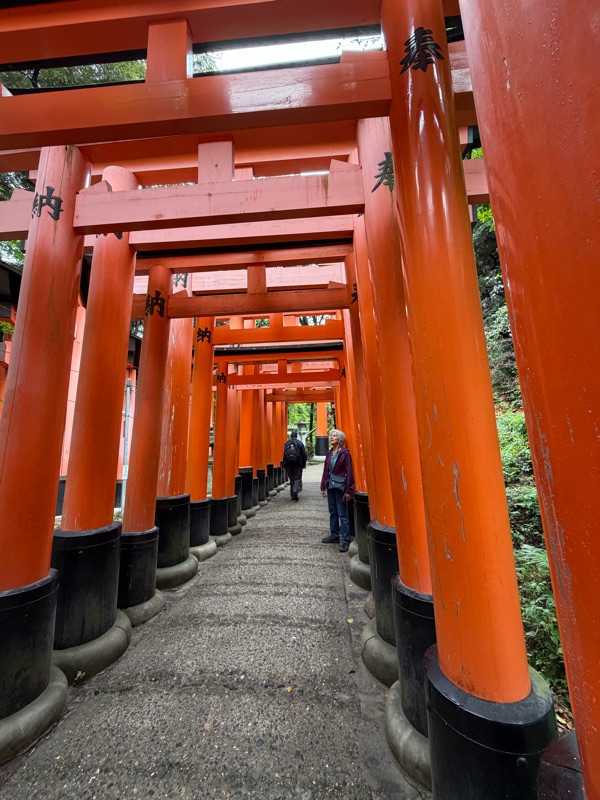
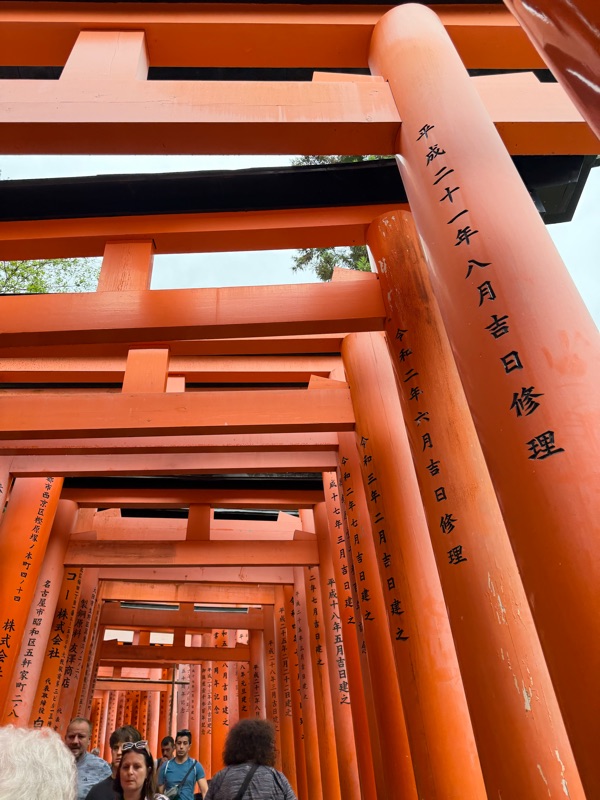
Thursday morning we got up at 5:30 to get to one of the most famous shrines before the crowds. The Fushimi Inari is know as the Shrine of 1000 Tori gates - but there were actually a lot more. People have been putting up these red wooden gates all the way up the mountainside since 711 to bring success in life and business. There are several red gate passageways - always protected by Inari (foxes)with symbols of success and good harvests. Quite impressive.
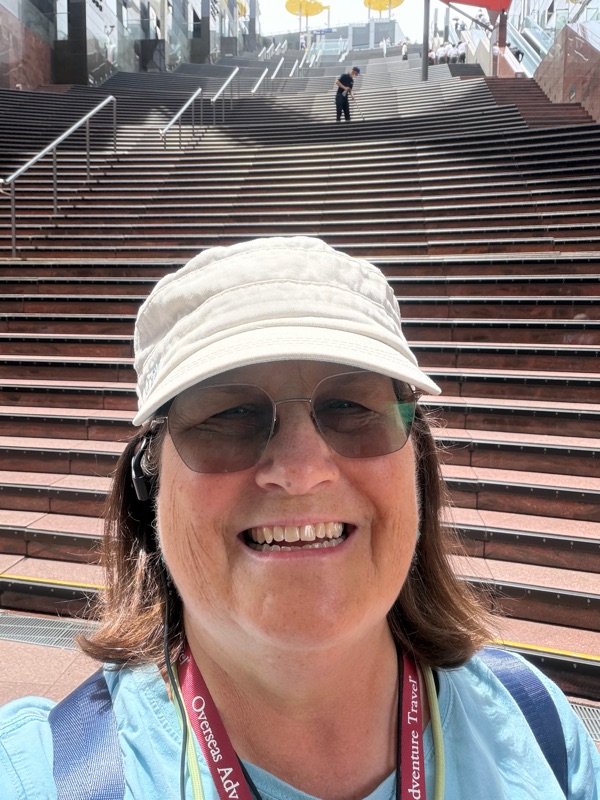
For lunch we headed to the Kyoto train station to see the famous Skyway, and the Daikaidan (Grand Staircase) - a seven story staircase and escalator. The train station and staircase were built over 20 years ago for the Olympic Games, but still look futuristic, especially in Kyoto which is such an old Imperial city. So cool.
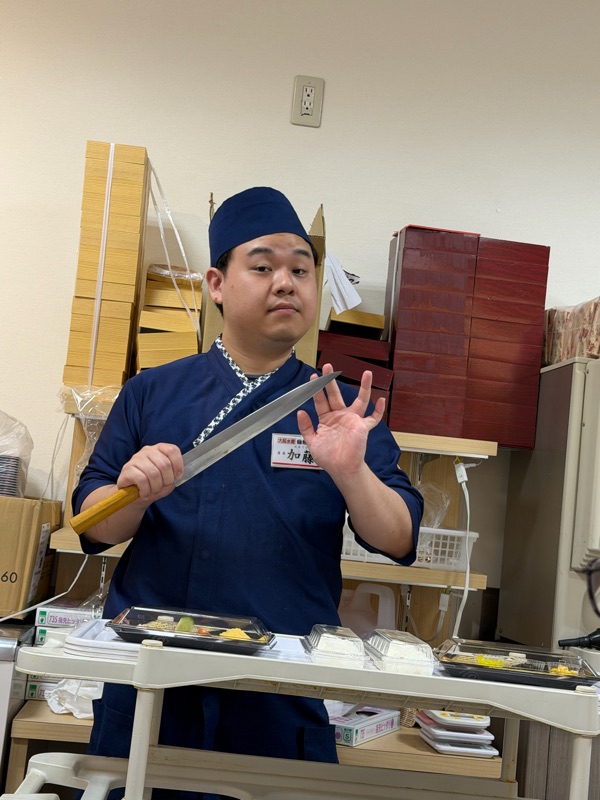
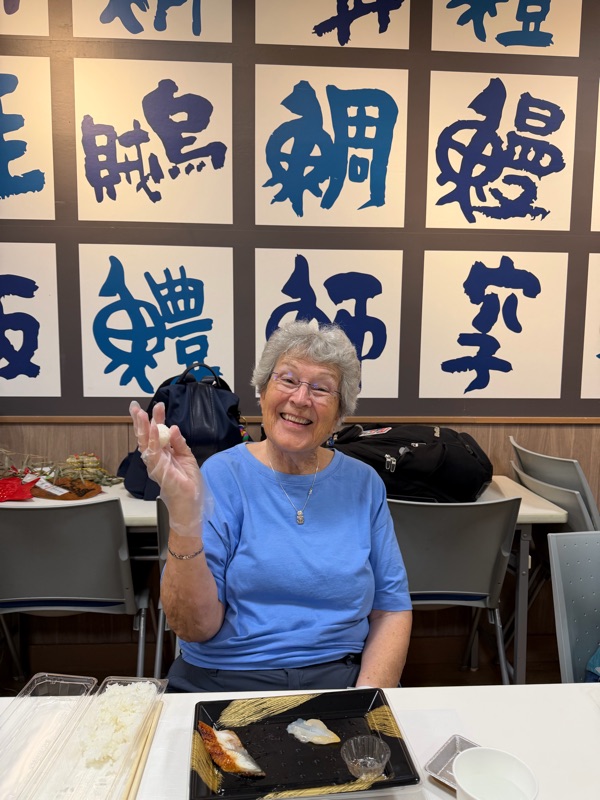
Then we crossed the street and had a sushi making workshop. It was so fun making the sushi with a certified sushi chef coaching us through the process. The secret of good sushi (in addition to the secret recipes for sticky rice) is the technique for rolling 18 grams of rice with our fingers. Then we all enjoyed eating our handiwork. Yum!
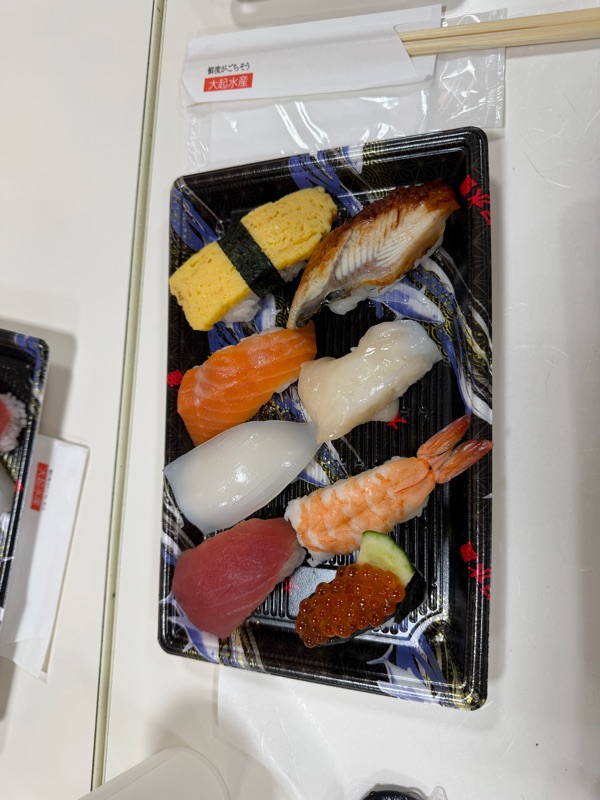
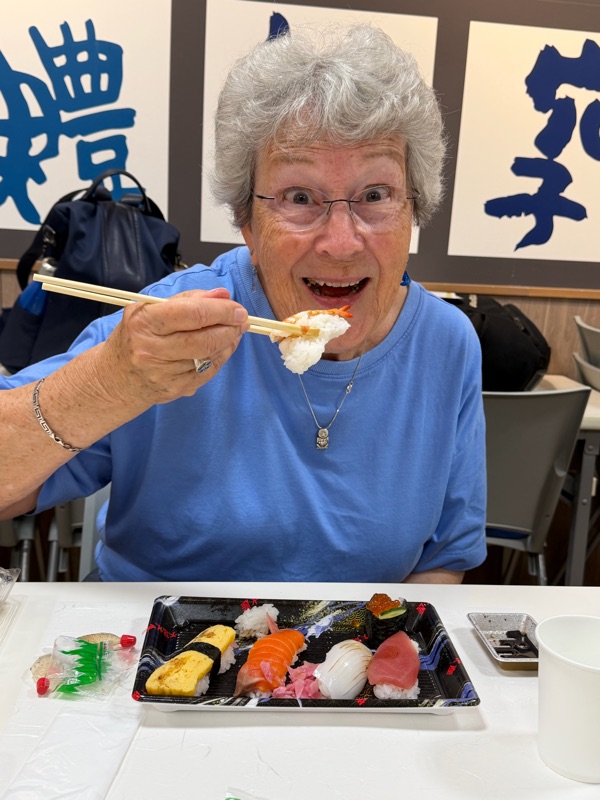
We spent our afternoon packing and puttering. In the evening we went to a nearby restaurant for our end-of-tour farewell dinner. The traditional Japanese dinner of many many small plates still had a few surprises for many of us, including snails, octopus, several kinds of radishes, chicken cooked several different ways, etc. The food was delicious, but there was sooooo much!
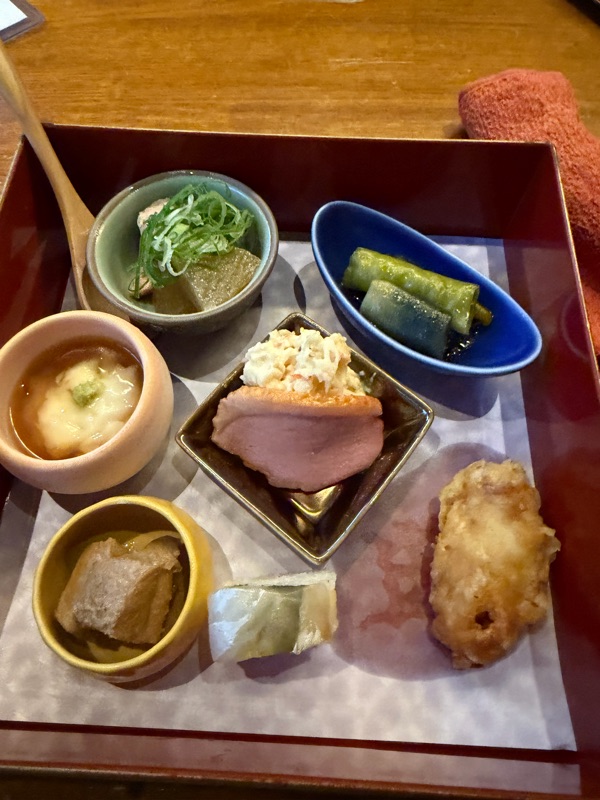
Then we all said our farewells and we prepared for an early departure (4:30 am) on Friday.



“Special encouragement “in the form of a whack on each shoulder with a stick…. I guess you have to be there to appreciate that! (smile)
ReplyDeleteThose Tori gates are fascinating. Also that staircase at the train station.
A farewell dinner of snails, octopus, and so forth. Wow. Just Wow! You both are incredibly adventurous! Does this mean you are heading back to the USA?