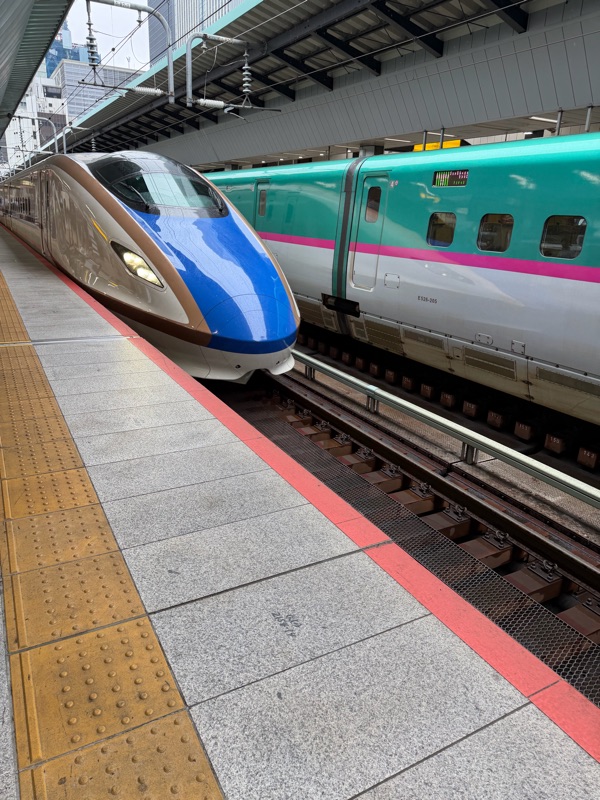
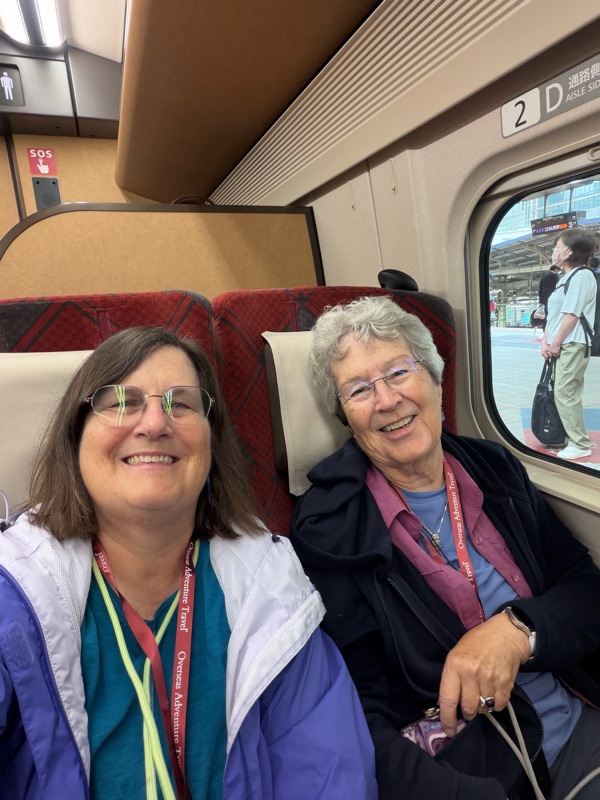
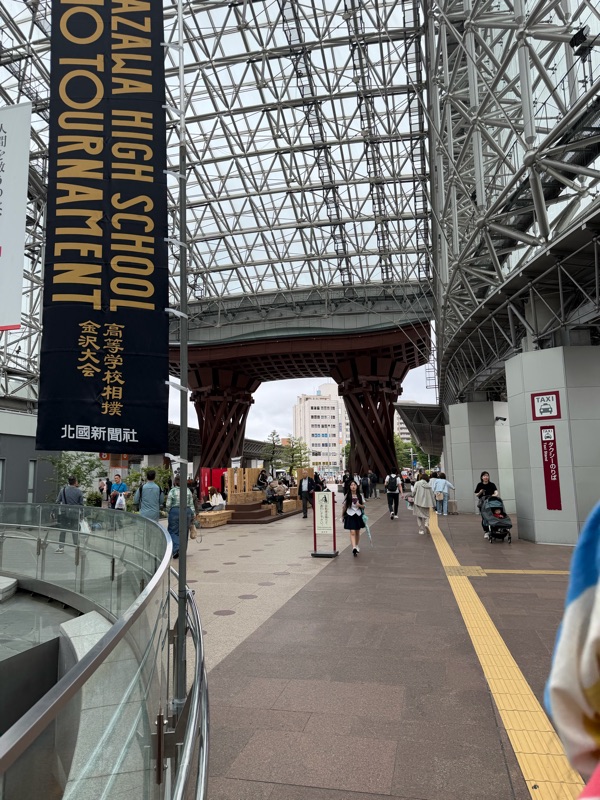
Day 9 we travelled from Hakone to Tokyo (2 hours by bus) and then to Kanazawa (2.5 hours by bullet train). Tokyo central station was HUGE. It rained a lot of the day - so perfect for a travel
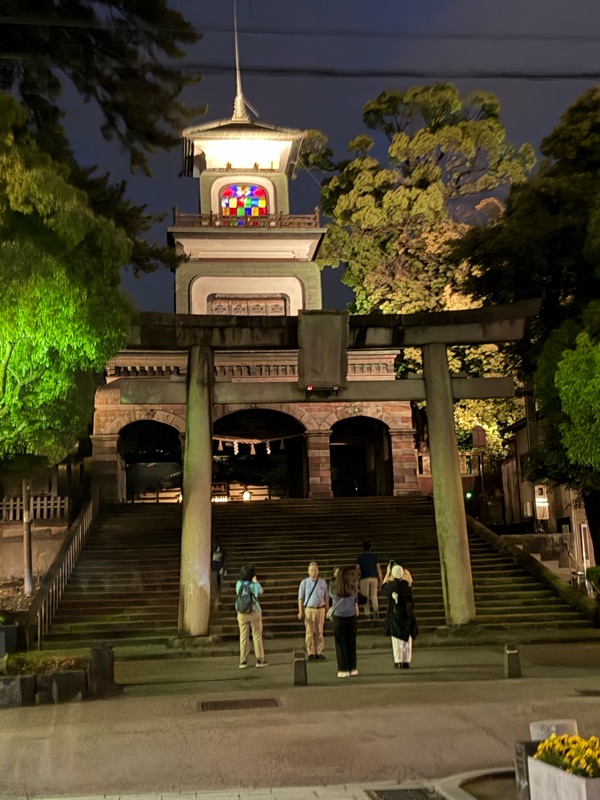
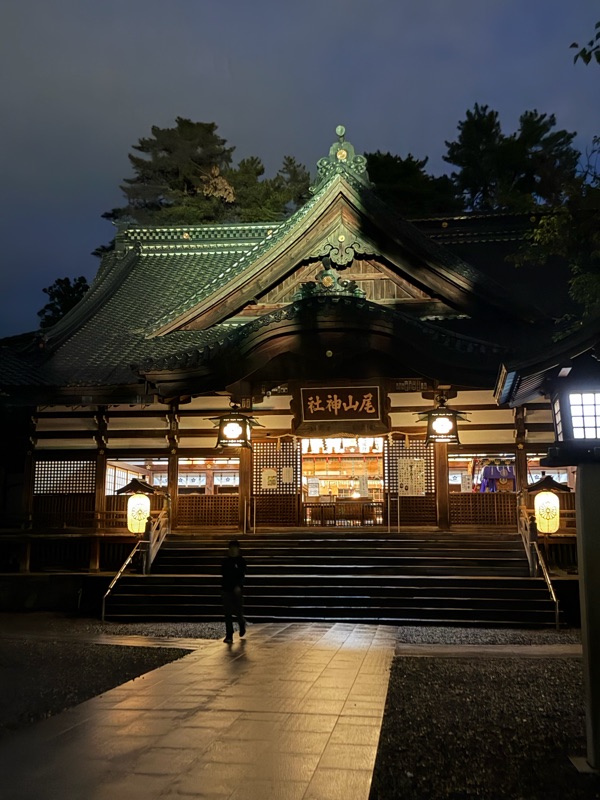
In the evening, after a delicious dinner at a nearby restaurant. We went around the corner from our hotel to see the Maeda Shinto Shrine - it was lovely to see it at night (except for the lurid stain glass window, a modern addition).
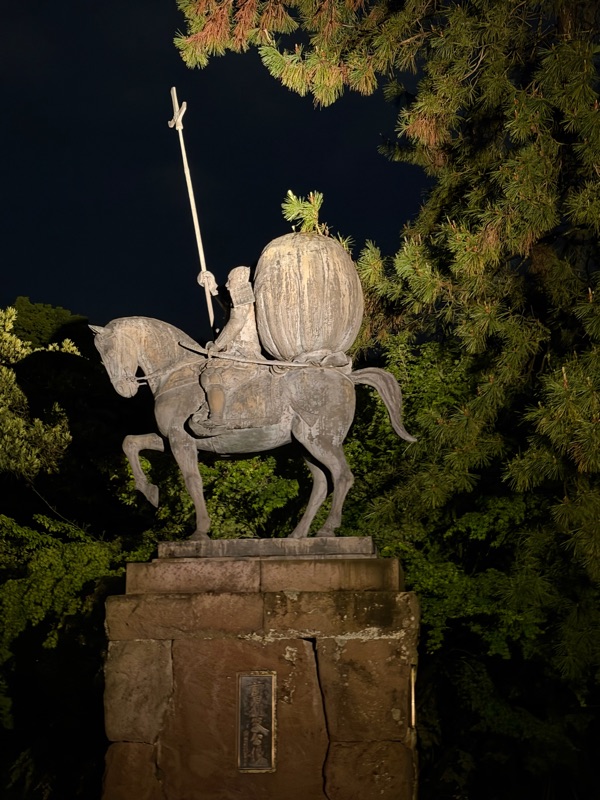
Today we spent the day exploring several of the traditional crafts of Kanazawa. There are many because the Maeda Feudal Lord was a wealthy collector and wanted all of the traditional arts to thrive in his domain. So starting from the 16th century, he supported craftspeople in his city.
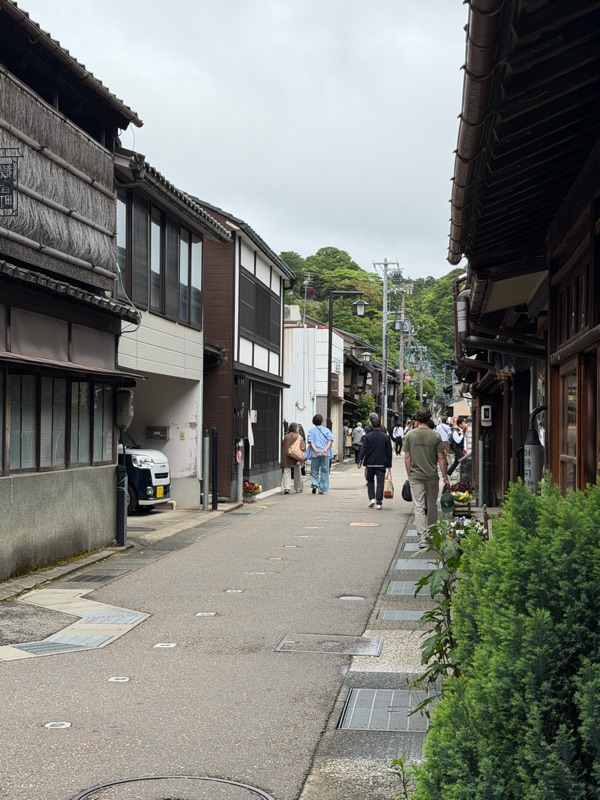
Kanazawa also has the advantage of not having been bombed in WWII. In two of the old districts that we visited, we saw ancient buildings from the 18th century or earlier that have not survived in a lot of other parts of the country.
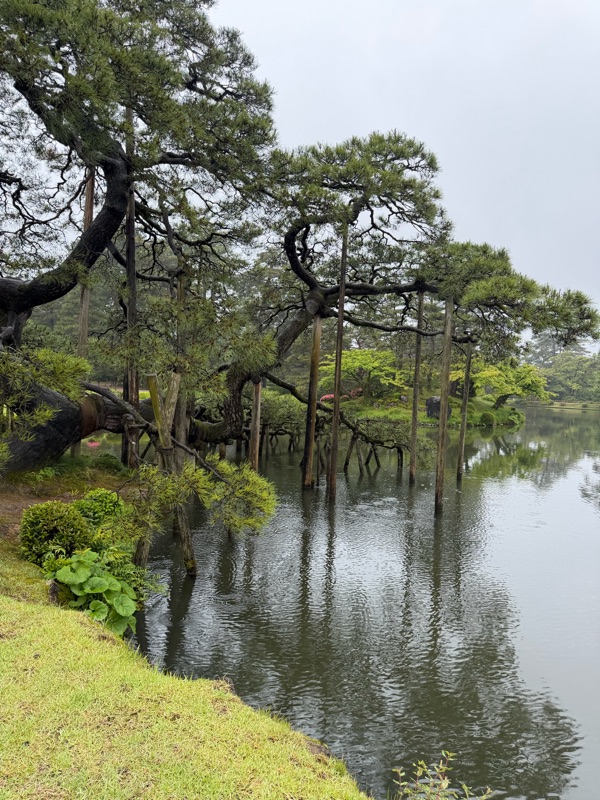
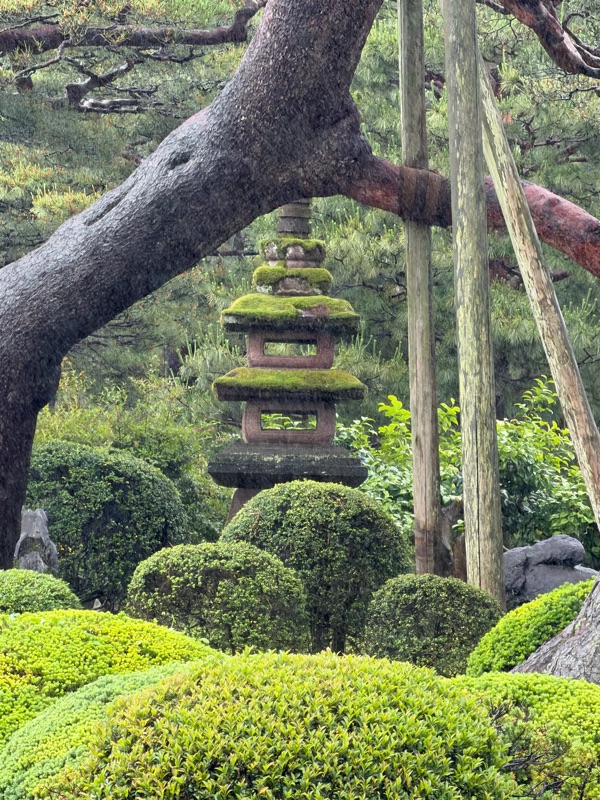
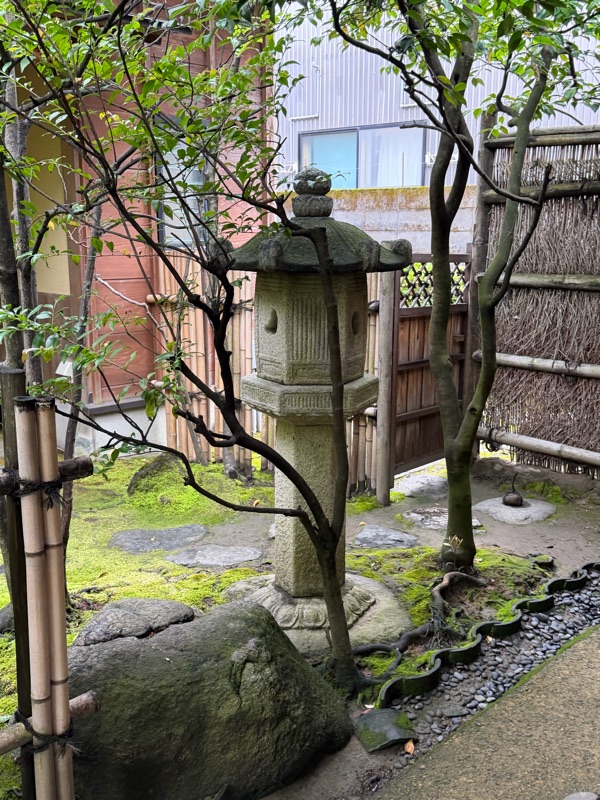
We started at the Kenrokuen garden, literally the “garden of the six attributes”, and the outer garden of the Kanazawa castle. It was drizzling throughout our visit, which gave the visit a misty, ghost-like feel. The park was really beautiful - one of the few that embraces all six physical elements of a Japanese traditional garden - stones (structure), water (life/purity), plants (seasonal beauty), bridges (transition), lanterns (spirit/light), and fences (seclusion).
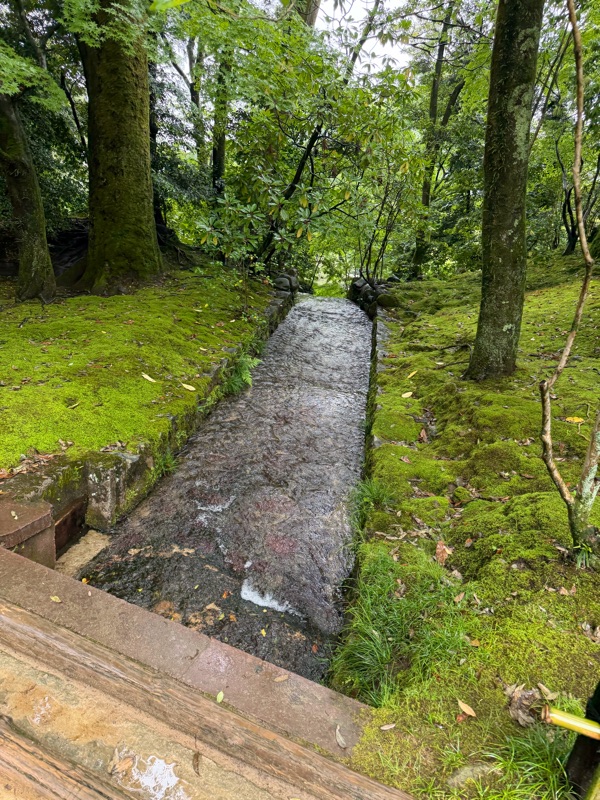
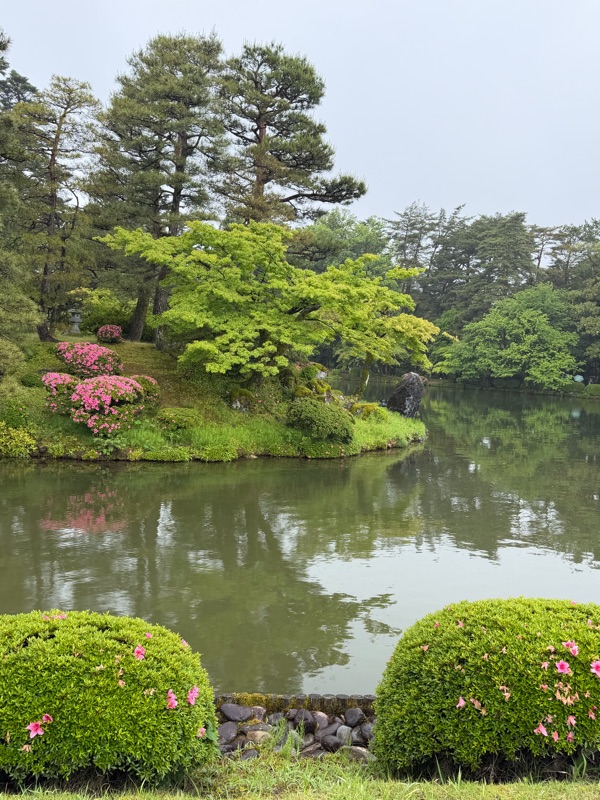
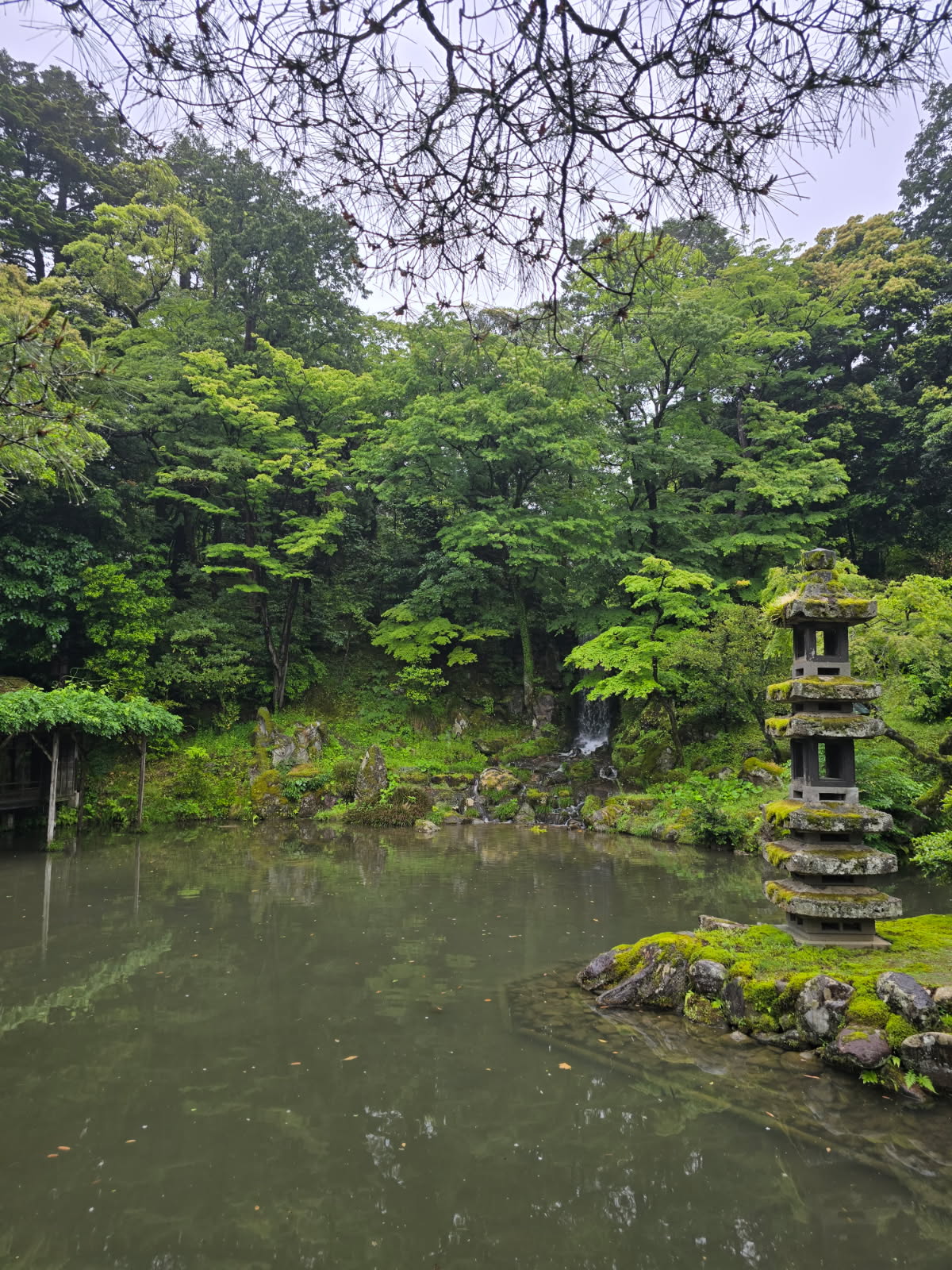
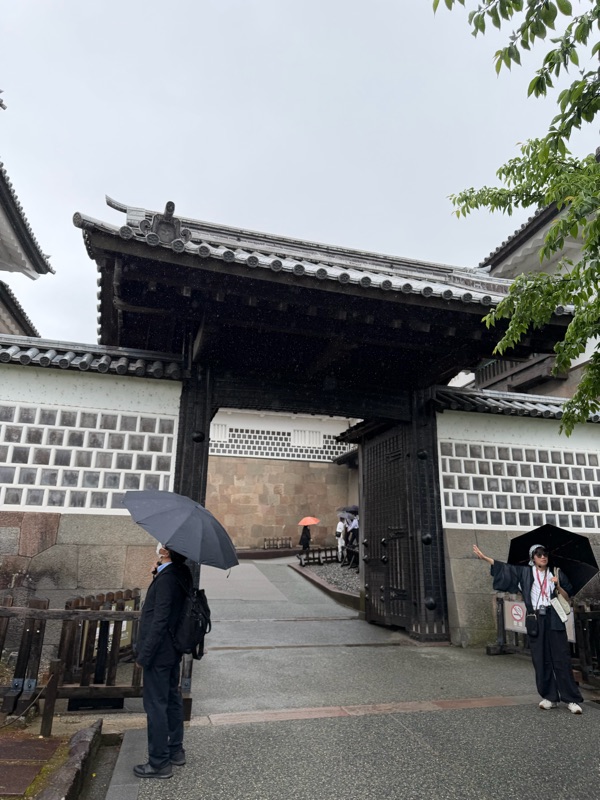
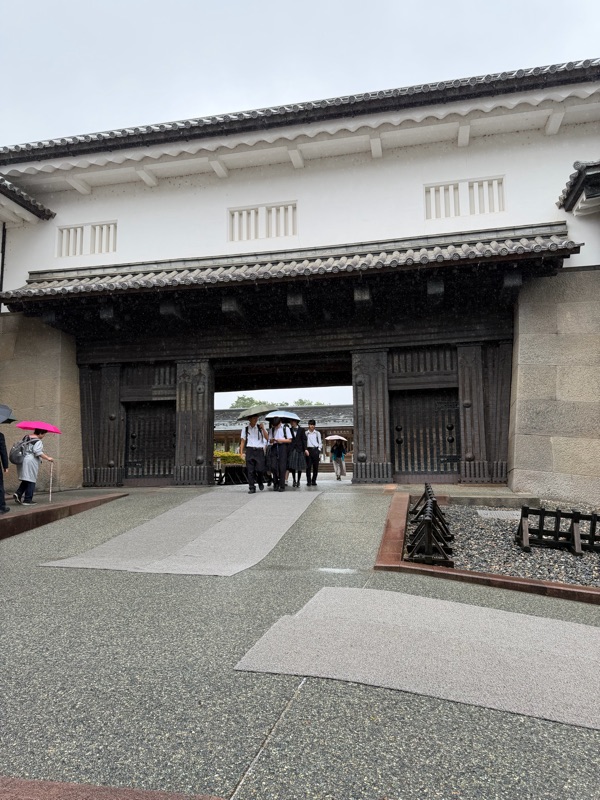
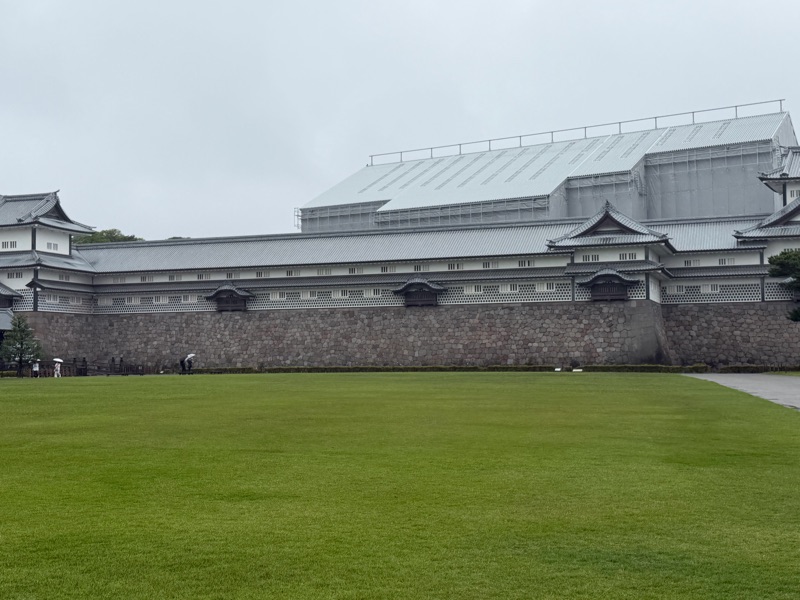
By the end of our visit the rain had stopped, so we paid a quick visit to the entry gates of the Castle, saw the huge storehouse building as well as a lovely ceramics shop, before heading on to the Omicho Fish Market.
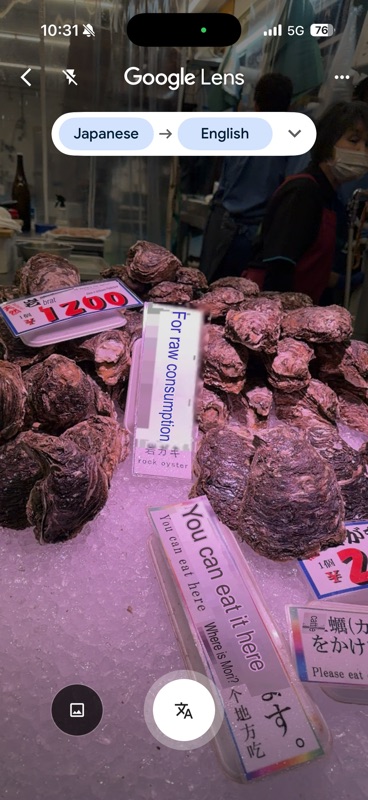
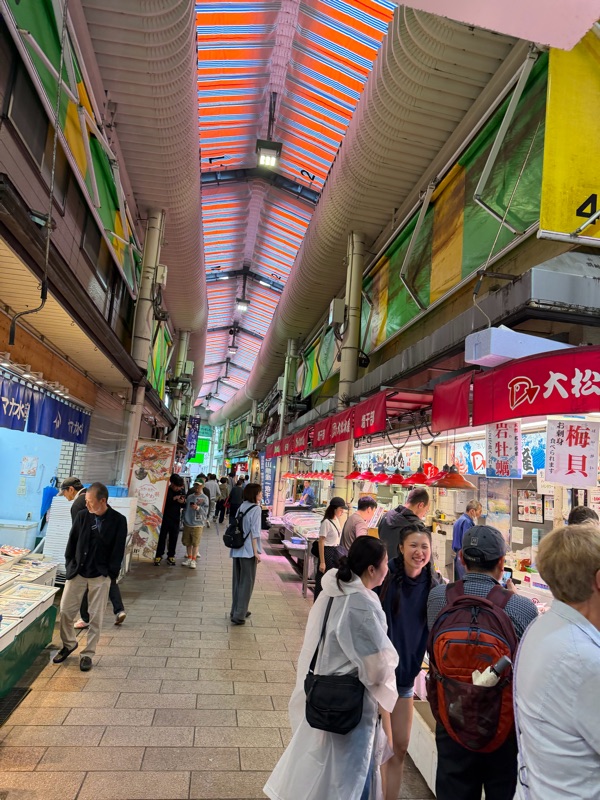
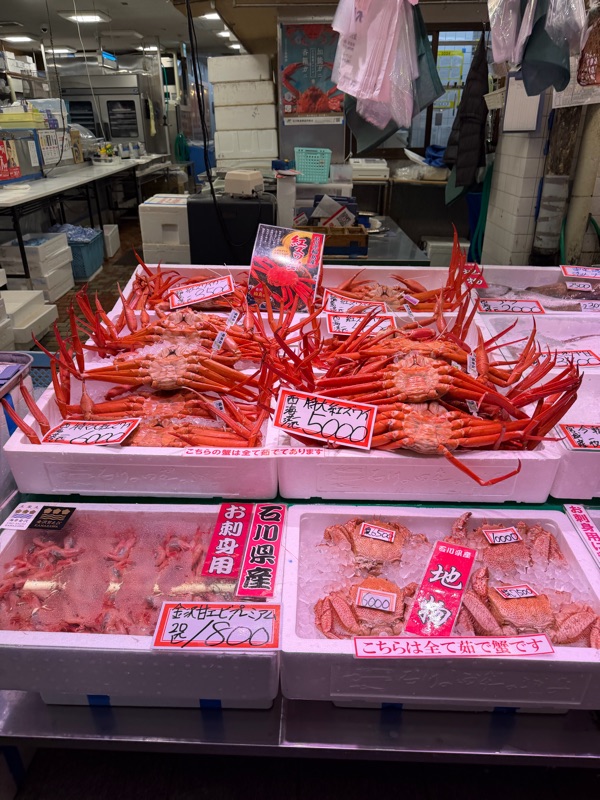
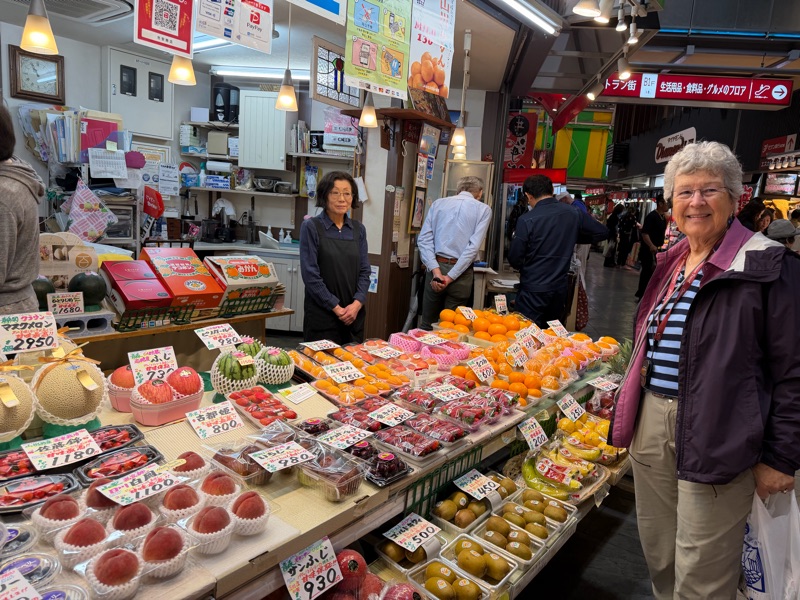
In the fish market, we were tasked with finding something that we had never eaten before that we would share at happy hour that evening. We wandered around the market, grabbed some snacks for later, mostly varieties of rice crackers, and also enjoyed some right away.
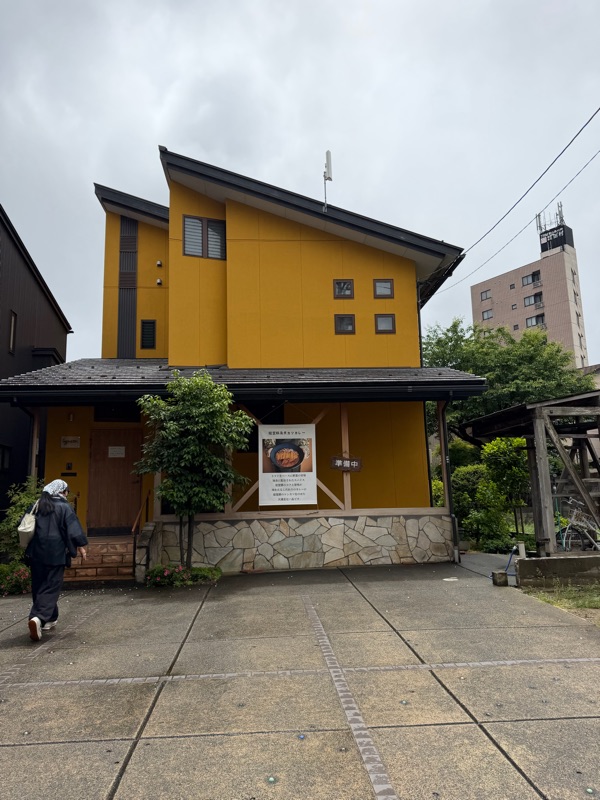
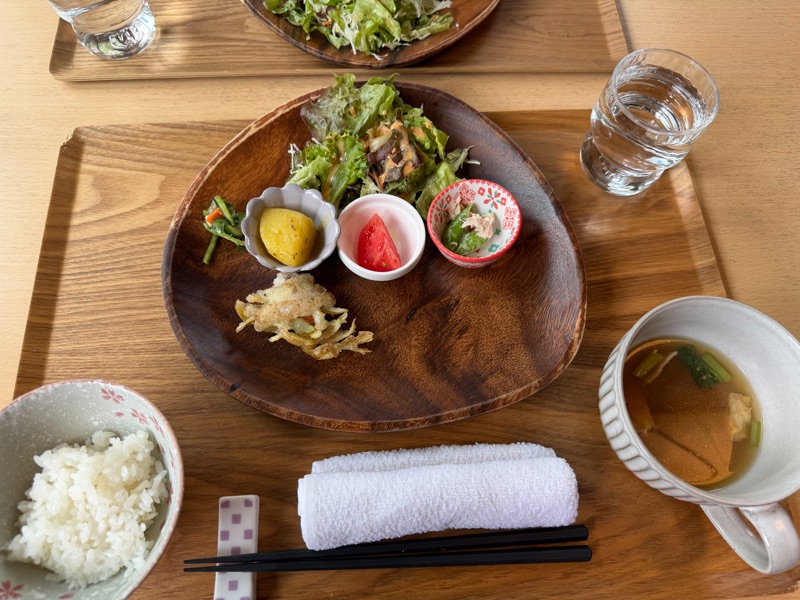
Our lunch was a very traditional meal in a traditional house. It was fun having lots of little dishes set out on a tray to choose from.
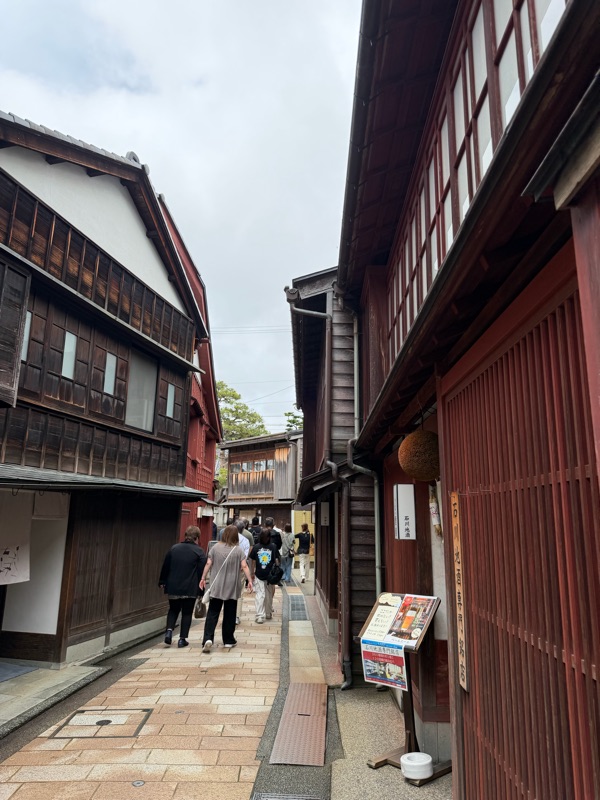
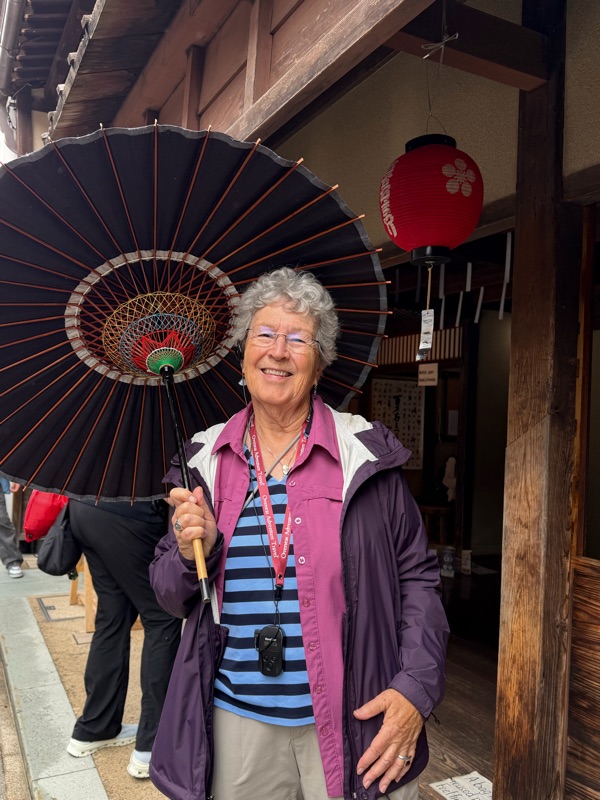
From there we walked to the Tea House District, Higashi Chaya. This area was full of old tea houses built and preserved, and now converted into shops or restaurants. The tea houses were traditionally places where people could be served drinks and or dinner and be entertained by geikos (Kanazawa version of geishas) who sang, played instruments and performed traditional dances. Many of the tea houses have closed and are now being used as shops and restaurants. We wandered and shopped and found a few treasures.
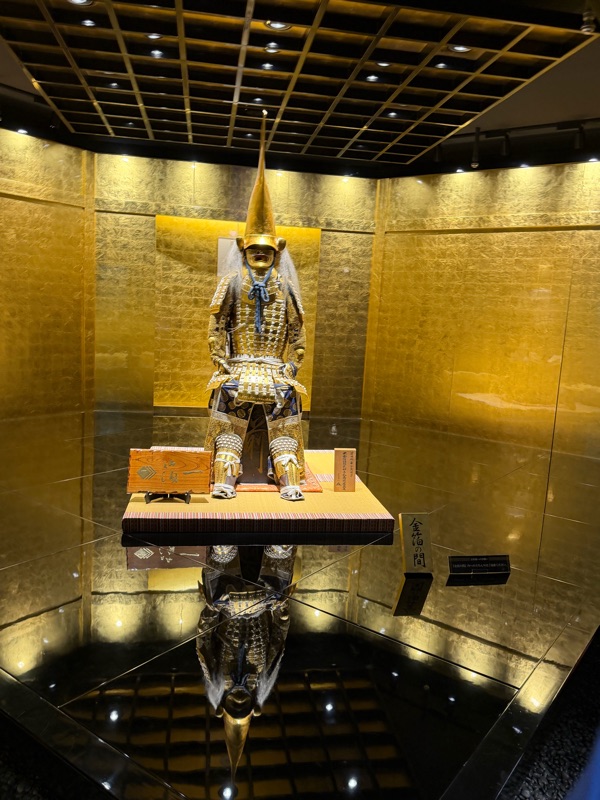
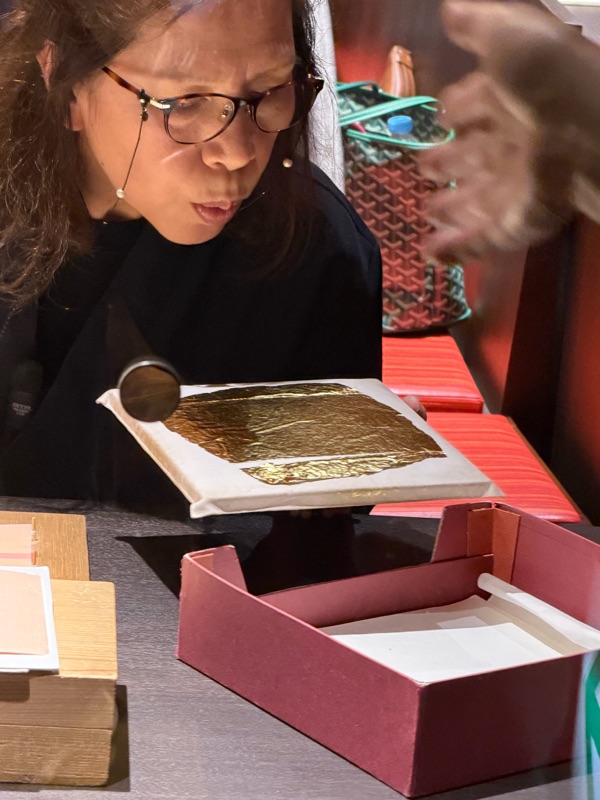
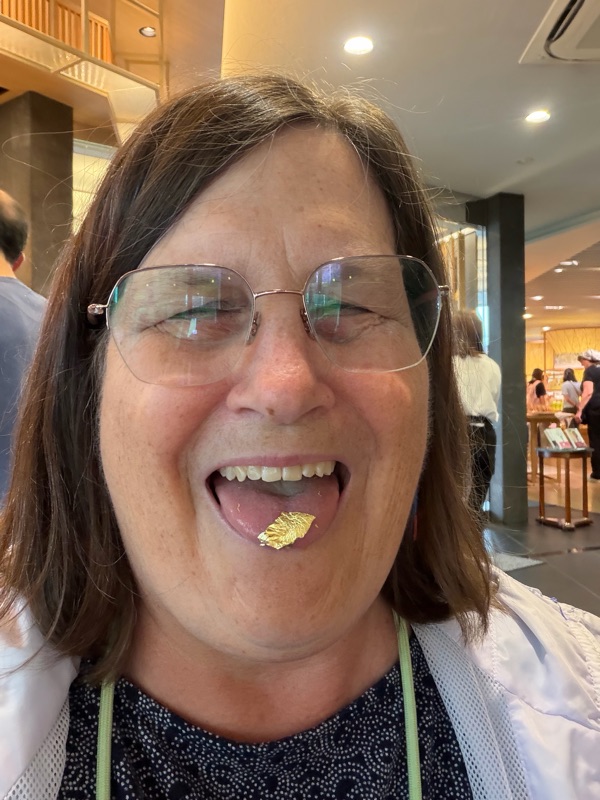
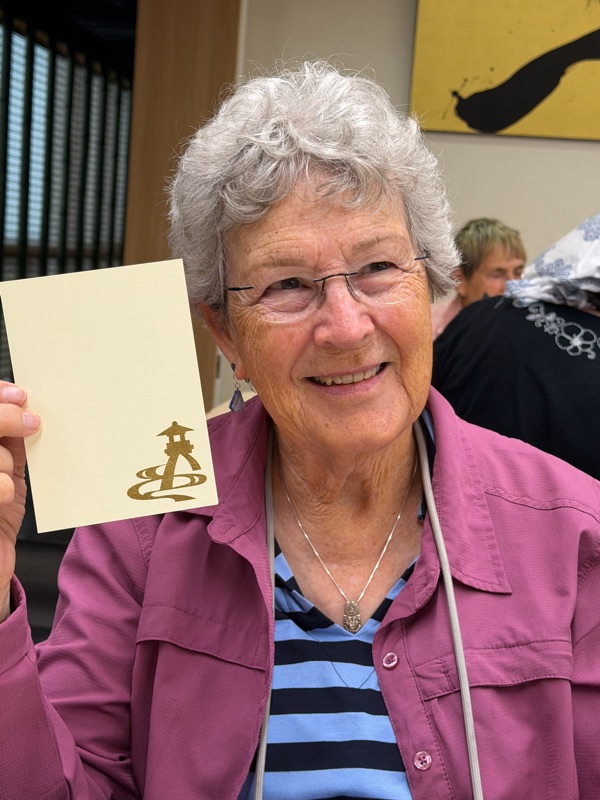
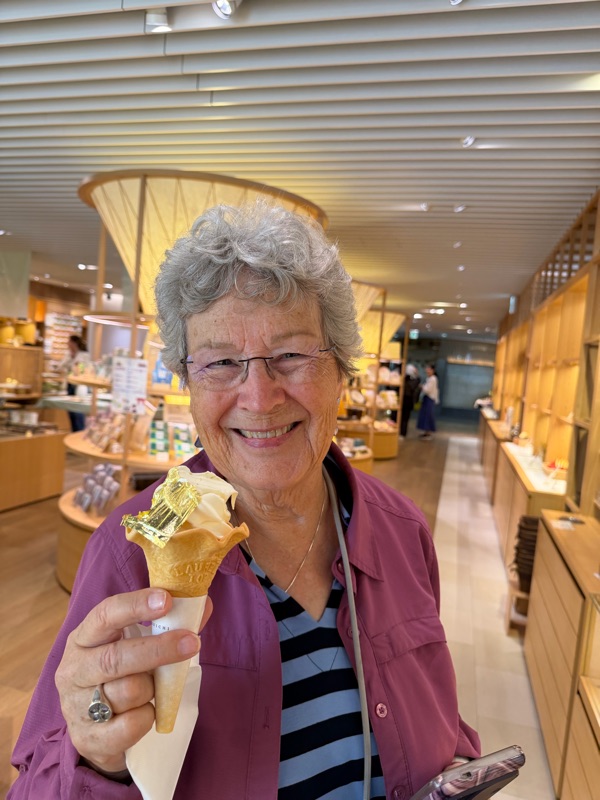
The Gold Leaf experience was really interesting. Another Maeda craft that had been operating in the town for hundreds of years, we learned about Lord Maeda’s love of gold leaf, as well as the process for making it. The entry room had a magnificent gold statue of the Maeda Lord decked out in full samurai regalia. We all got to make post cards using gold leaf, and then ate ice cream with a leaf of gold on it! The gift shop and small museum were also very interesting.
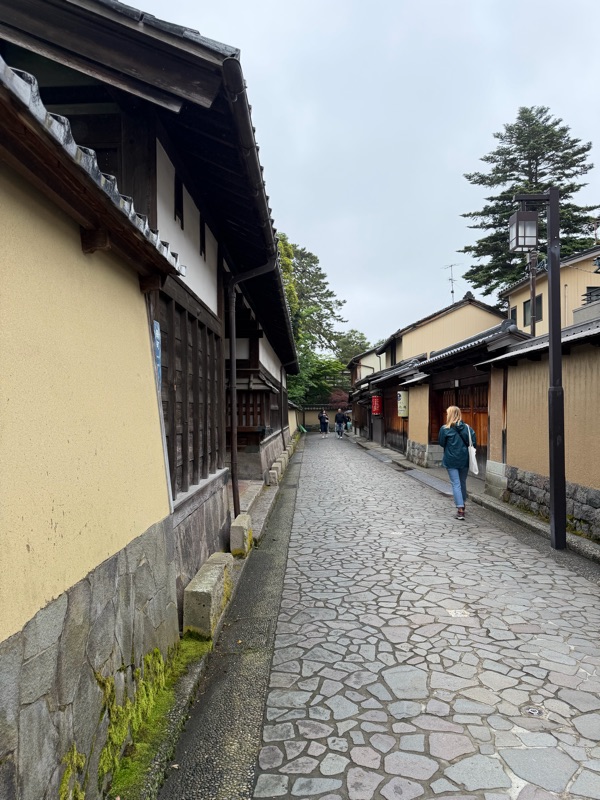
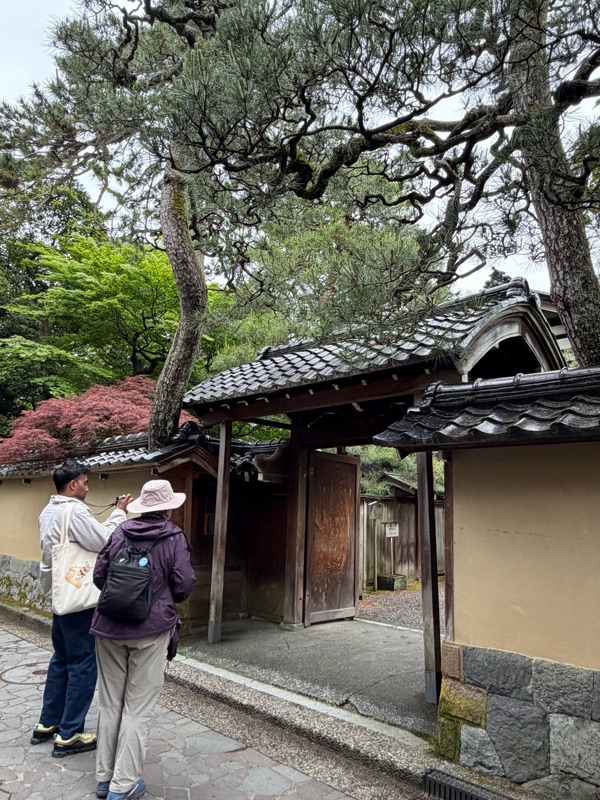
On the way back to the hotel, a few of us jumped off to explore the Samurai district - another nearby area of the city where a lot of old Samurai homes had been preserved - and some turned into museums. We strolled the streets, visited a museum and one tea house. Then went home to rest.



All of this is so very interesting. I have one question: did you swallow the gold on your food, or just tuck it into your jewelry box?
ReplyDelete