Monday, August 31, 2026

Norway Day 1: Journey to Harstad

​We woke up to a sunshiny day, which was wonderful because we would be spending most of it in a big bus, driving northwest through the mountains to Harstad in Norway. The drive was particularly beautiful because the bright fall colors of the northern autumn were at their best. 

At first there were rolling hills, then mountains, some pretty high, lots of lakes, rivers, streams and waterfalls.


We stopped at a candy store to stock up before we hit the high pives in Norway


And then visited Abisko National Park to see a very cool man-made waterfall.


In Norway we drove through beautiful mountains and tidal fjords


After lunch we crossed crystal clear Arctic waters to reach the Lofoten Islands, and our destination of Harstad.


After settling in, we did a brief vicinity walk.  We had yummy Thai food for dinner.


Using old telephone booths as little libraries.


Sunday, August 30, 2026

Sweden Day 4: The Biggest Mine in the World

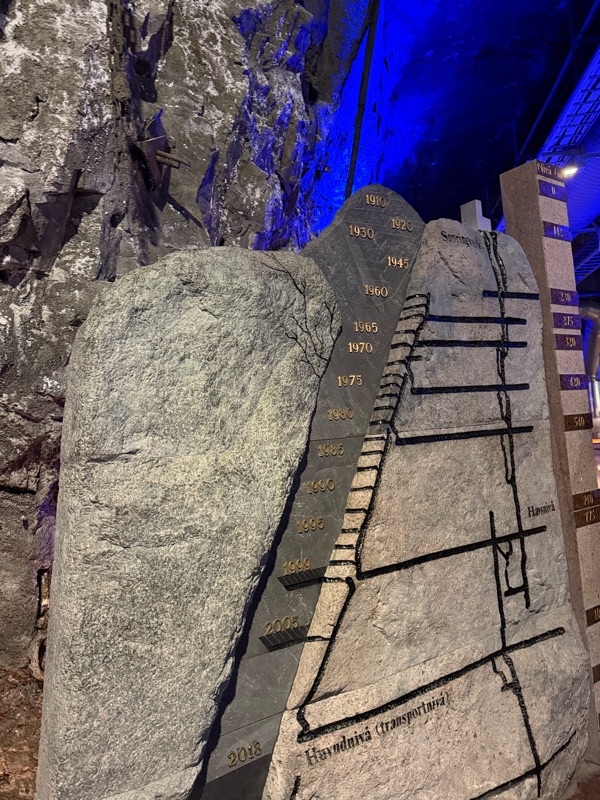
​Kiruna Sweden is has the largest and most modern iron ore mine in the world.  The mine has been operational since 1904 - starting as an open pit mine and the progressing gradually underground following the “ore body” deeper and deeper.


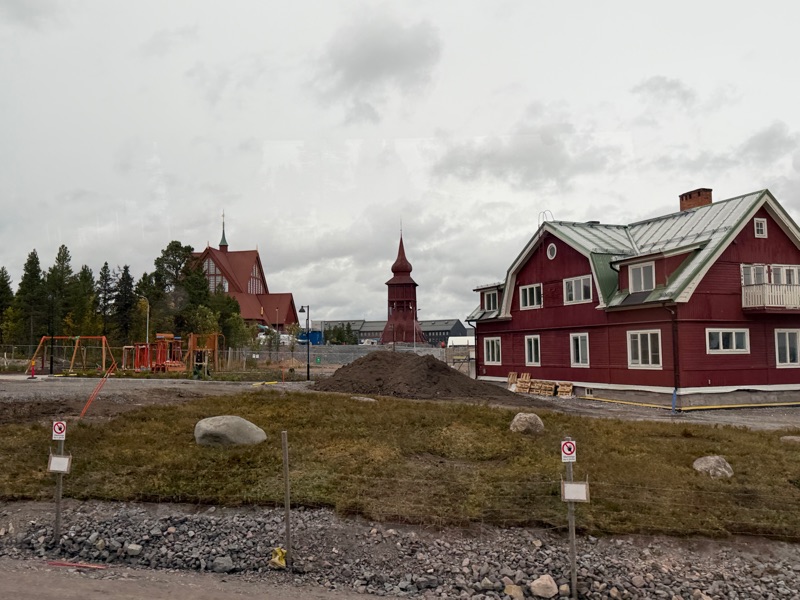
The Kiruna LKAB mine made international news last year when the town’s church was moved a few miles down the road.  Moving the church was an important milestone in the 20 year process of moving the part of the town nearest to the mine because the ground under it will inevitably collapse as the mining operations extend underneath the town. As tunnels are abandoned after the ore is extracted, they collapse, making the surface unstable and placing thousands of people in danger. 


The blue part is areas where people have to move

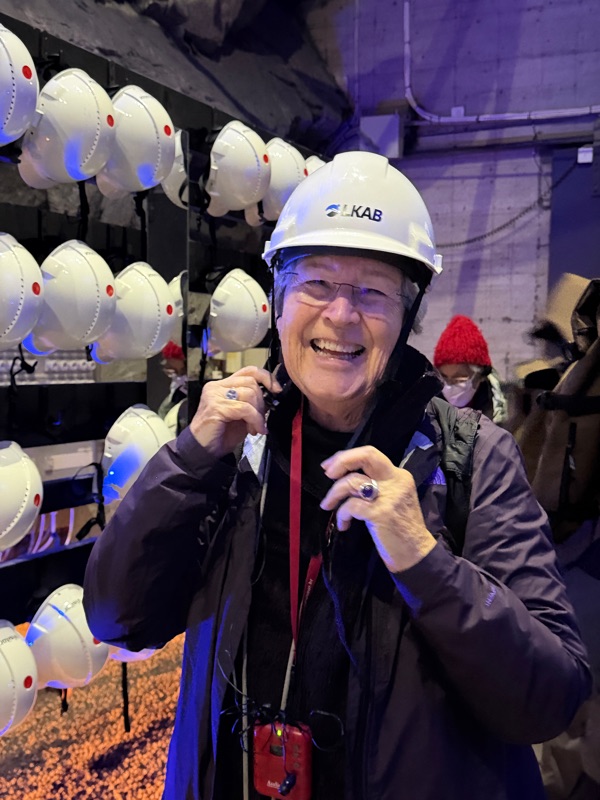
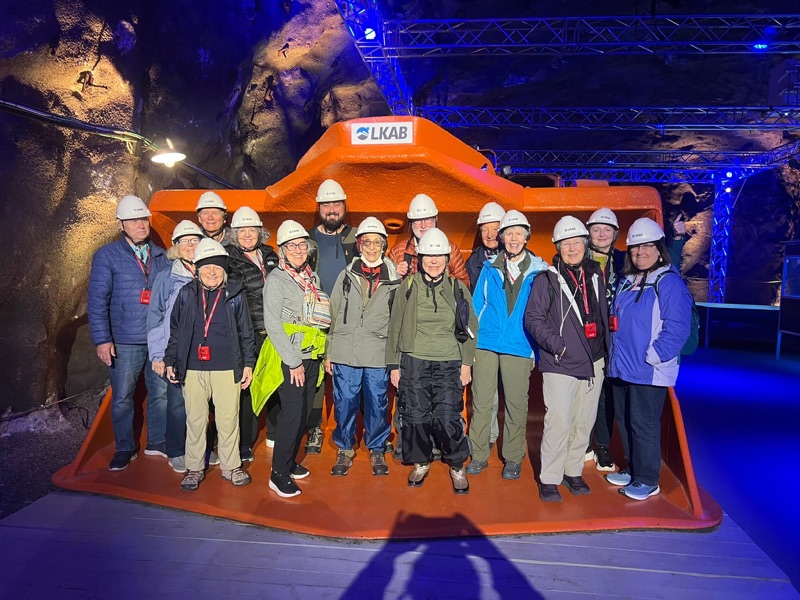
We entered the mine tour by bus, and were immediately overwhelmed by the massive scale of this mine.  By the end of the tour, we were still overwhelmed by the scale, but were impressed by the strong focus on finding innovative solutions to complex technological problems.  The mine is working on producing zero emissions iron - which would be very impressive.


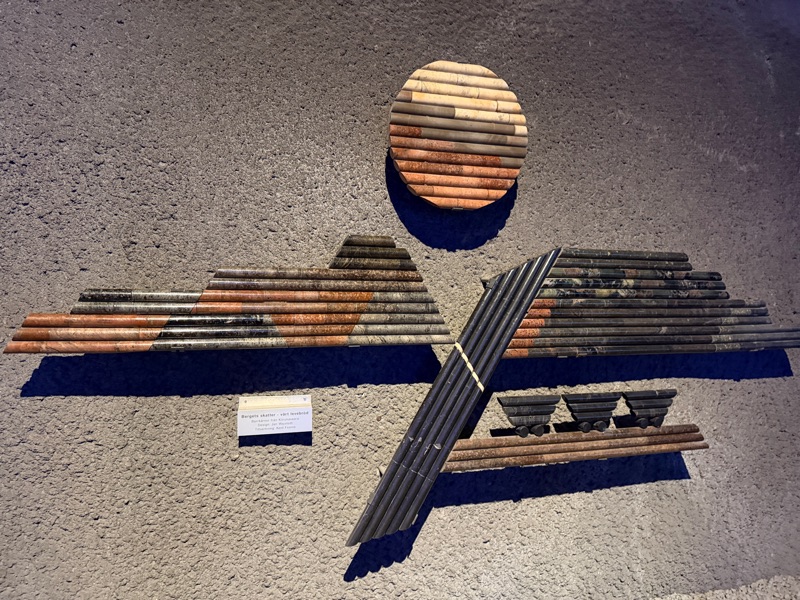
The tour took us through massive tunnels, past huge pieces of equipment, demonstrations of mining techniques, and through an interesting museum.  It was an eye-opening experience.


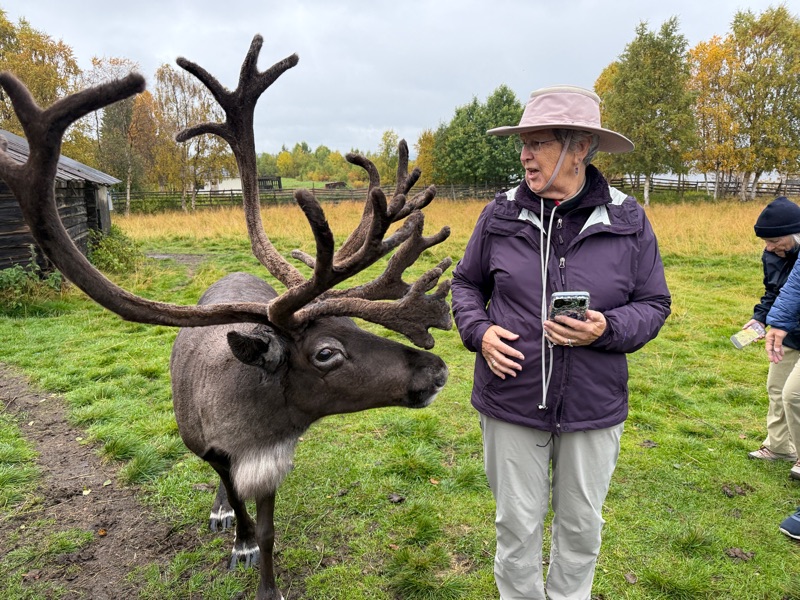
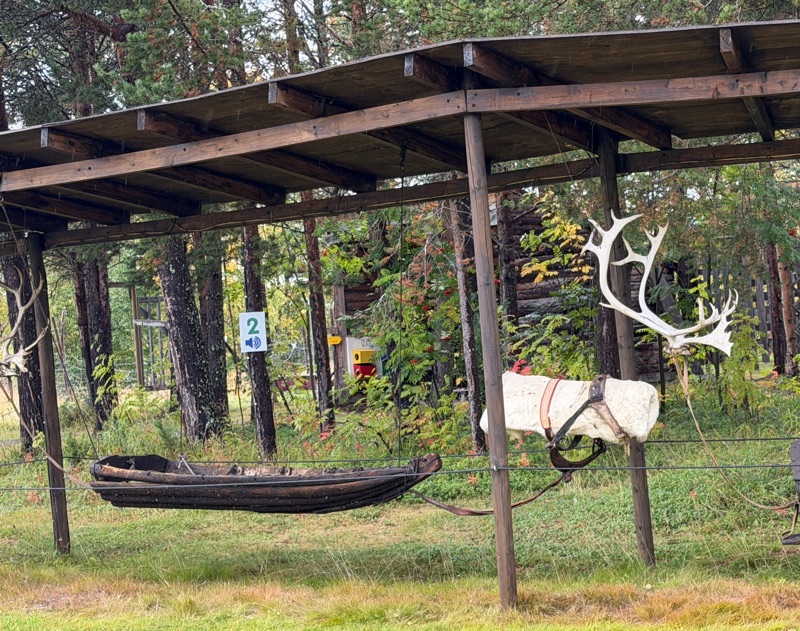
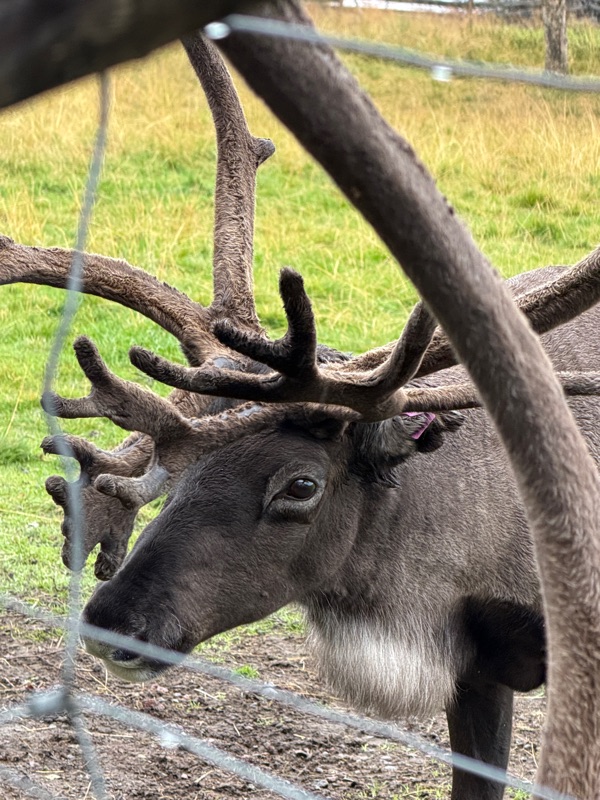
In the afternoon we visited the Sami heritage center.  After a delicious lunch, we learned about Sami culture, reindeer herding and breeding and a few tribal customs. Then we got to feed some of the reindeer, which was fun - they are very food motivated. In fact, as soon as we entered their fenced field, they surrounded us and gobbled up the handful of food before we could take photos of them eating.  Fortunately, if you held out your empty hand they went looking for someone else.  


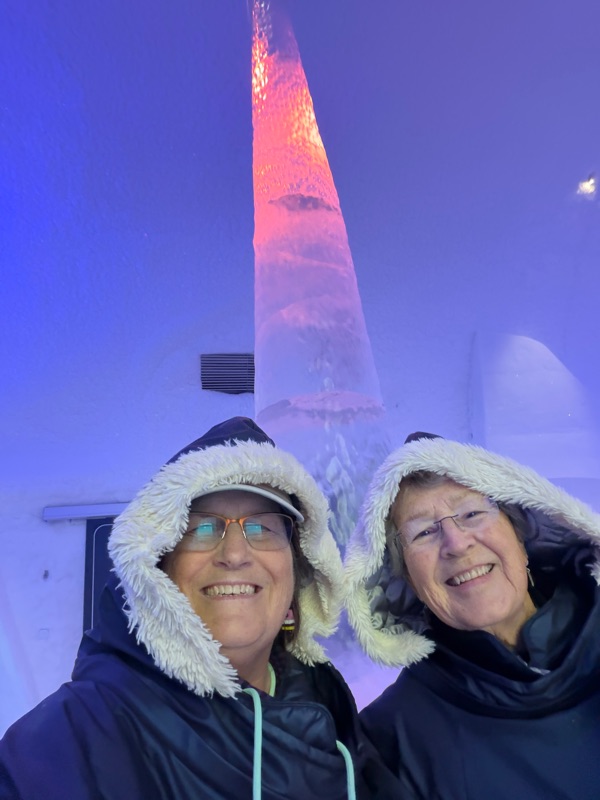
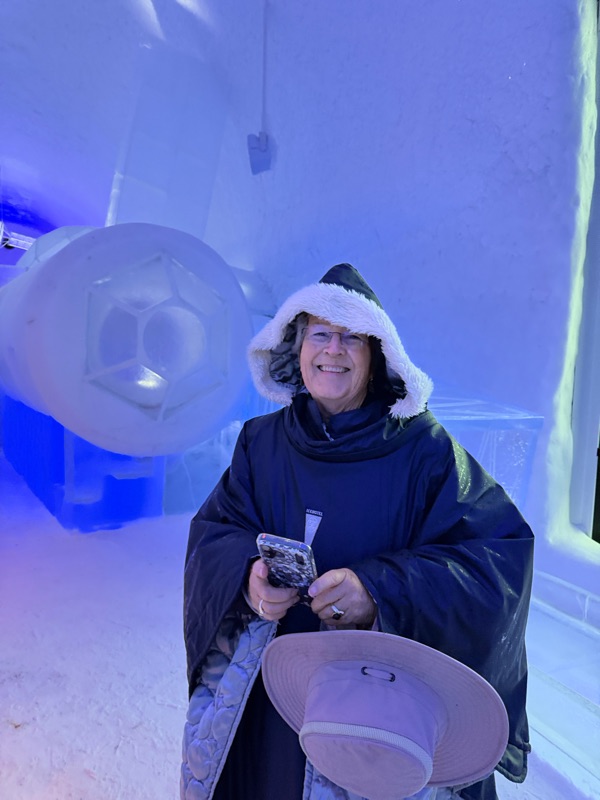
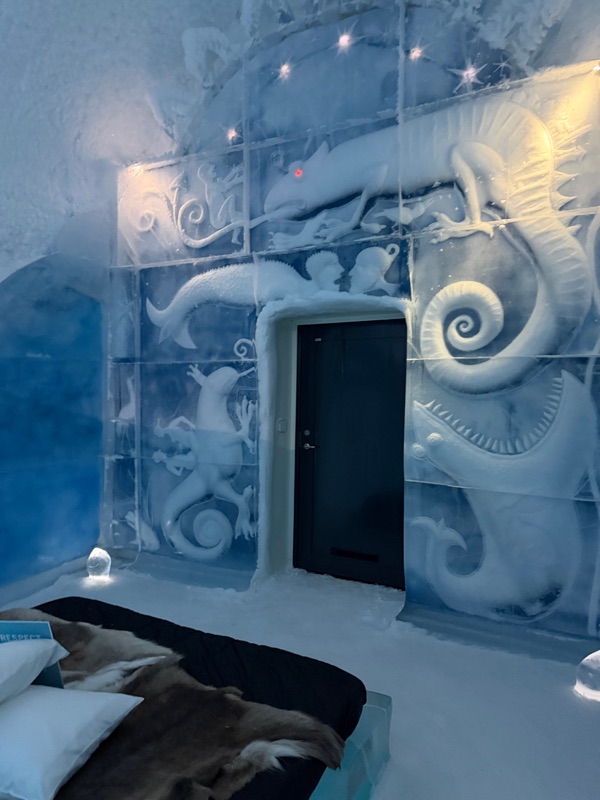
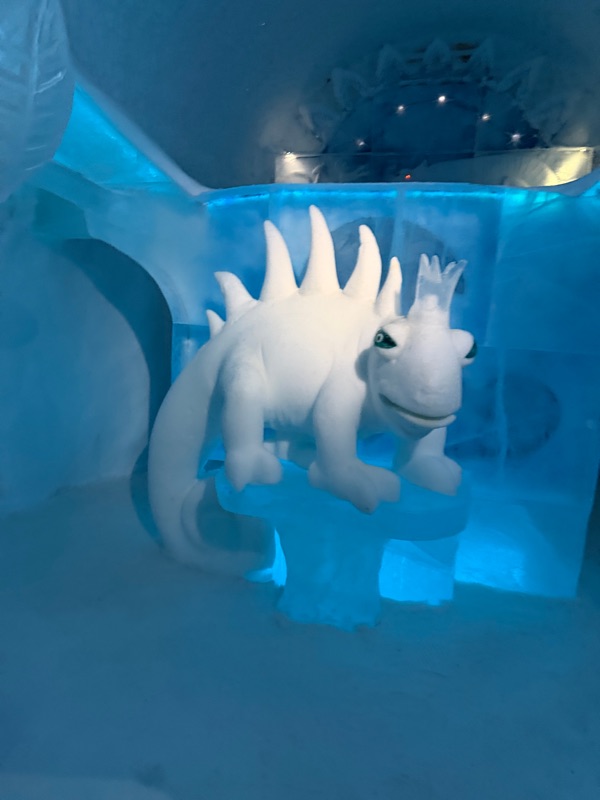
In our way home from the Sami village, we stopped at the world’s first Ice Hotel.  While we knew that the Ice hotel was a fun (and expensive) hotel in northern Sweden, we didn’t know that is was basically an ice art gallery. We all donned some very warm ponchos and enjoyed visiting the many different hotel bedrooms.  It was beautiful and spectacular. 


We had a restful afternoon and dinner at the hotel.


Saturday, August 29, 2026

Sweden Day 3: Outdoor Museum & Kiruna

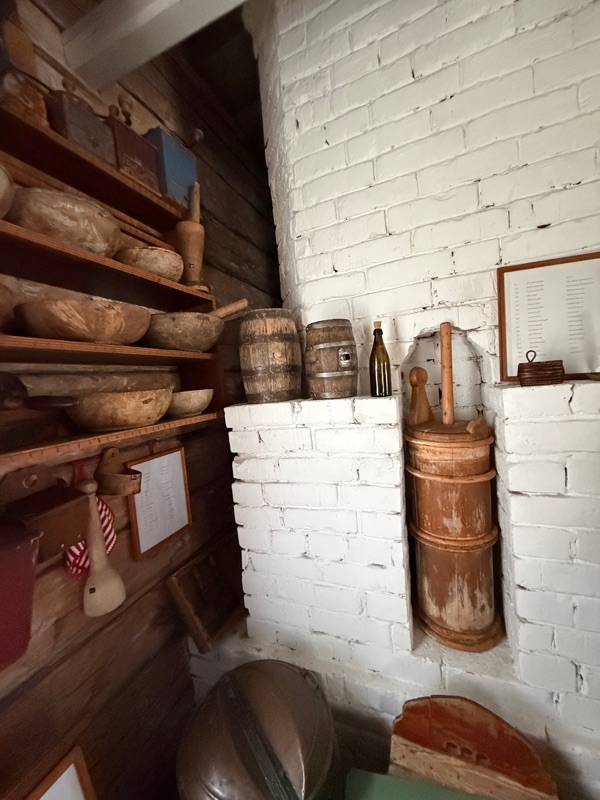
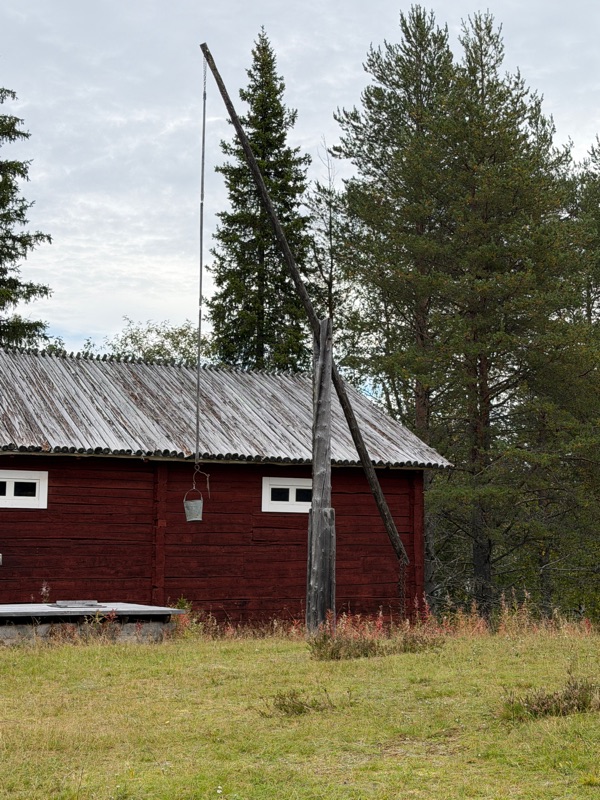
​The highlight of the day was an outdoor museum which preserved buildings and artifacts from the town of Tärendö. In the late 1950’s a local school teacher began an effort to preserve the local farming heritage. She enlisted the help of local families  to identify, gather and preserve old homes and farm buildings, household and farm implements. We were hosted by a local volunteer, Injer, who was eager to show us a huge variety of different tools and utensils that had been preserved in the main house.
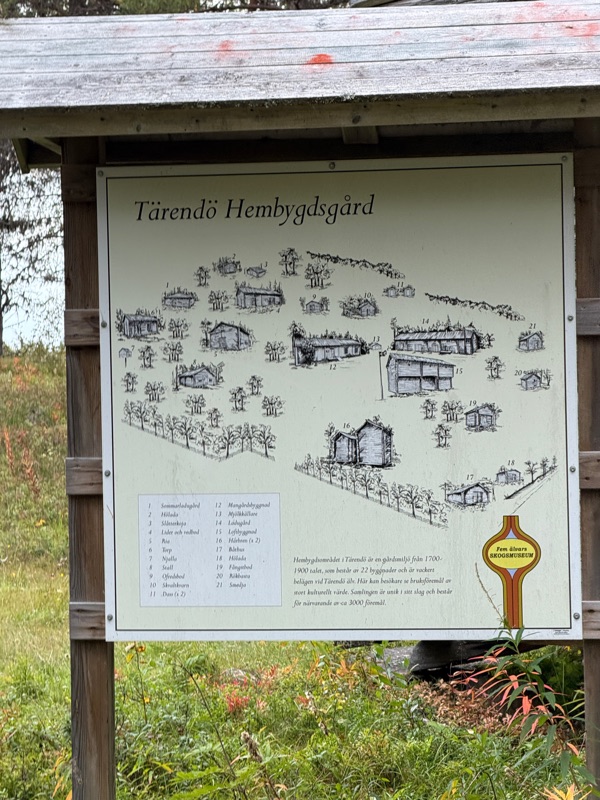
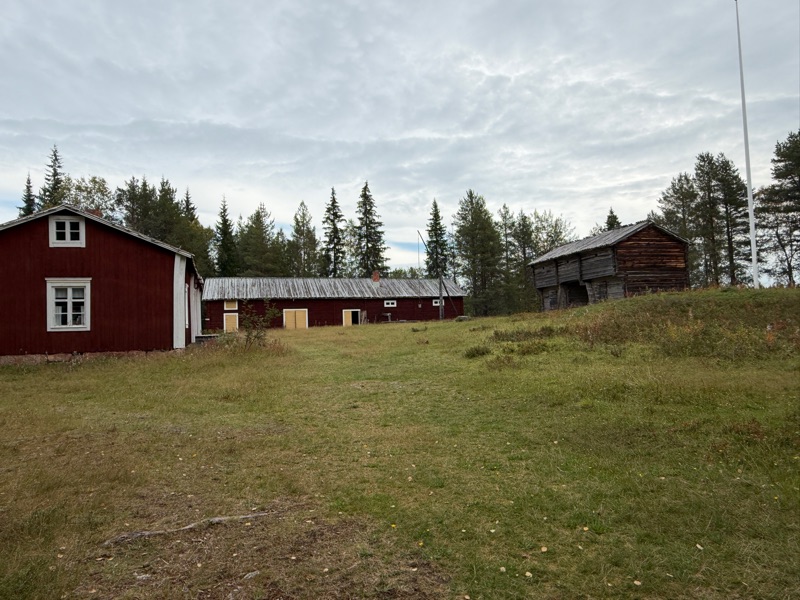
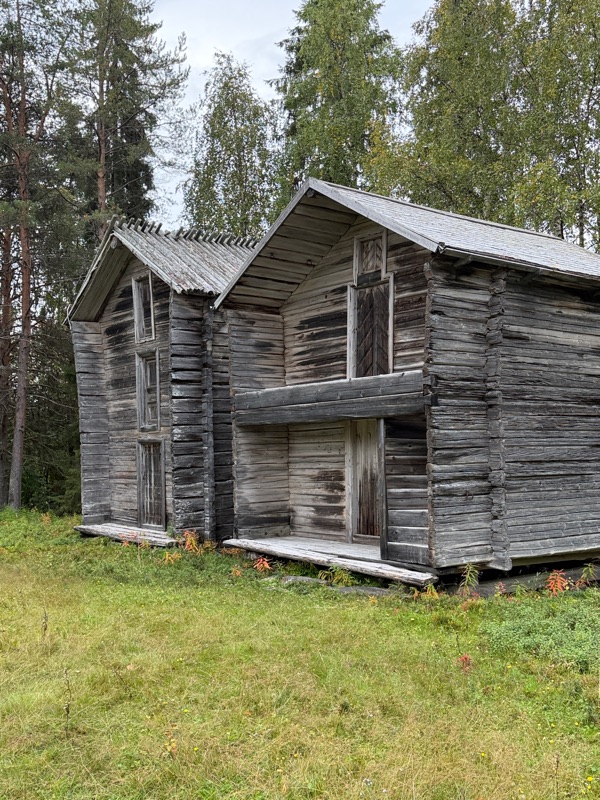
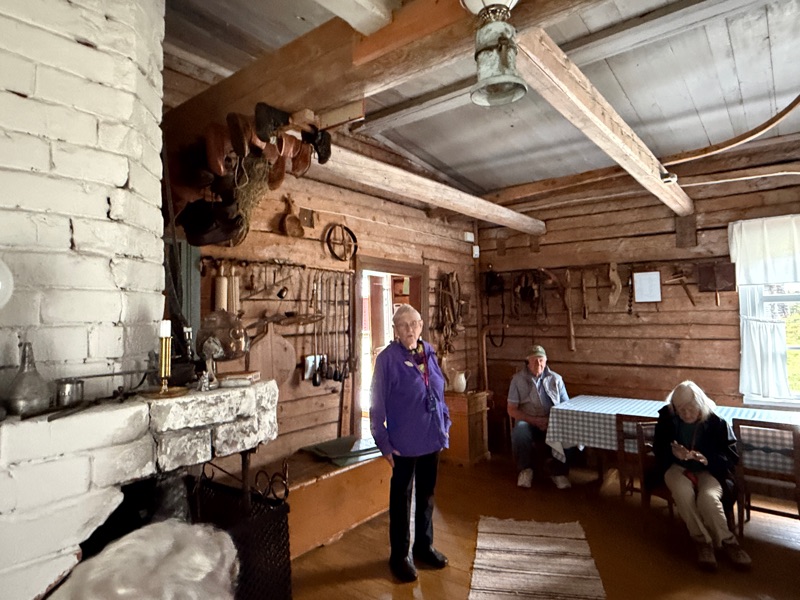
We spent about 45 minutes in the main house, which had been owned by a wealthy family.  All life was lived in the main room, which contained an area for cooking, for animal equipment, for needle craft, and other indoor pursuits that filled the hours through the long winter.  Some of the items we liked best were the peg leg, and the matchbox holder.


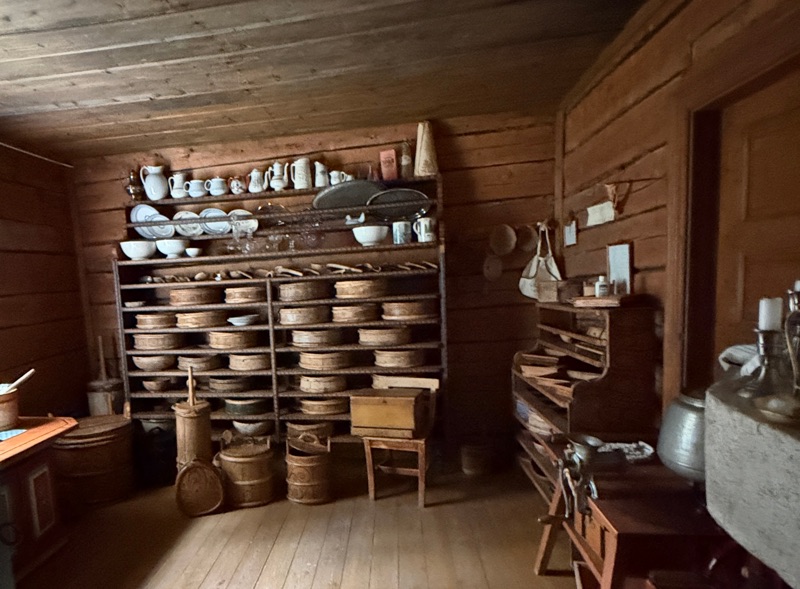
There was a dairy room which had a shelf for every day of the week, so you could track the milk as it turned to yogurt or fil, a kefir like drink made fresh milk.  The house also had two guest rooms - one which held spinning and yarn tools, and the other had books and clothing.  Here, we especially liked the bloomers which were split so that women could pull up their skirts and relieve themselves easily.


Outside, there were a variety of barns, granaries and storage buildings that had been donated by different families, including the tools of different trades.  There was also a house from a family of more modest means that had only one room.


It was a really interesting visit, and Injer was charming and had great stories of the different objects and how they were used.


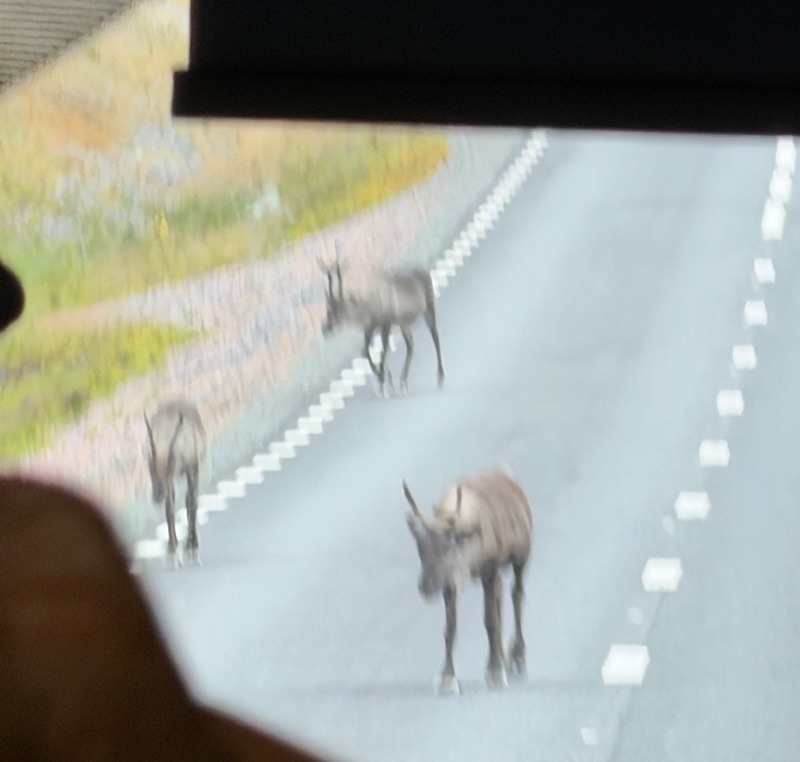
We headed out and on toward Kiruna.  We spotted more reindeer on the way, but no moose.  As we traveled, we saw the trees get smaller and yellower, as autumn comes early in the north.  It was raining on and off, so we didn’t have fantastic views.


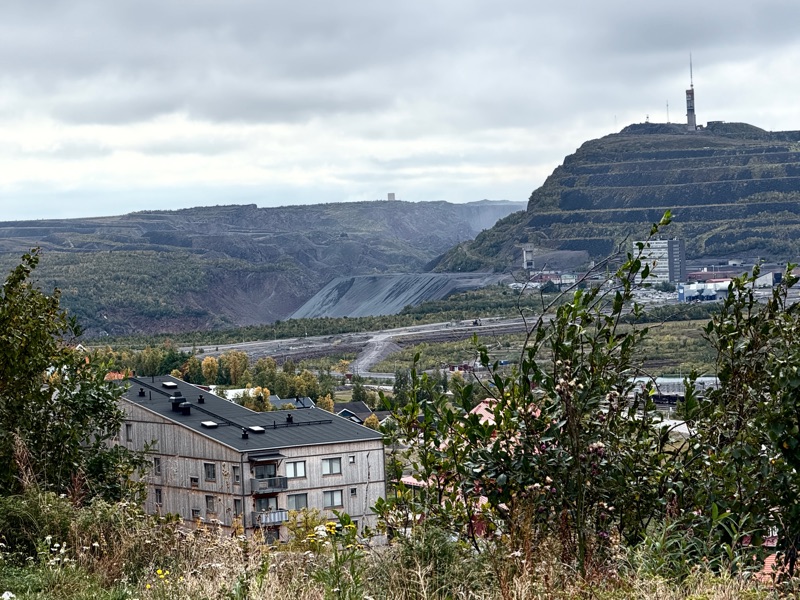
We had lunch in Kiruna, and visited a scenic overlook near a ski area.  Kiruna is the largest open pit iron mine in the world.  As the mining shifted from open pit to underground, the mine realized that the village was built over important seams.  Most of the town had to be moved before it all collapsed.  The process started about 20 years ago with planning of the new town, building a new city hall and downtown area, relocating some historic buildings and building new homes for the 12,000 people who are being displaced.  Last year, they moved the church, and it made world news.  About half the people have been moved, and the rest of the city is a huge construction zone, as the deadline for completion g the project is looming.
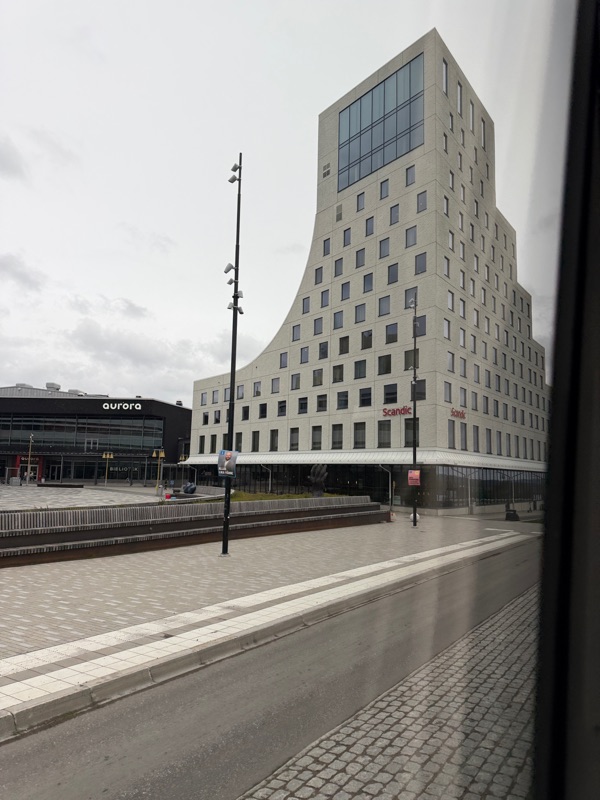



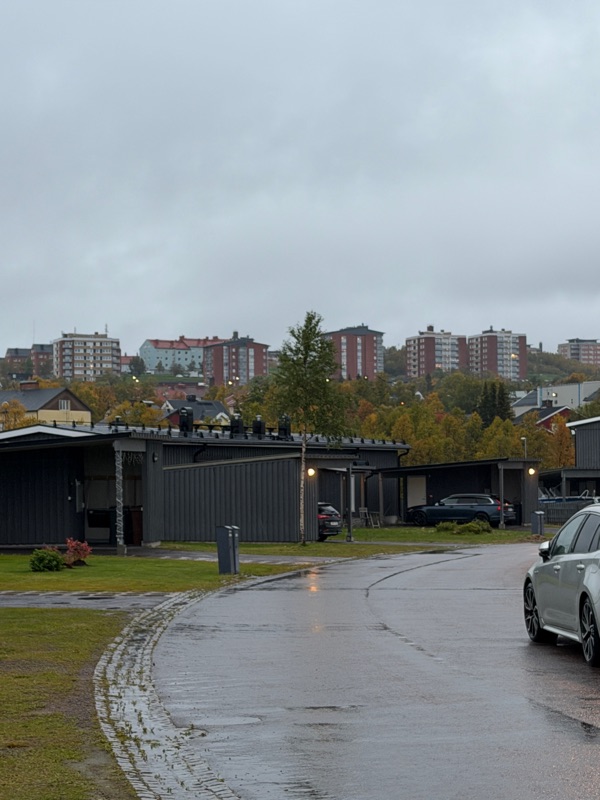
The mine is owned by the Government and the design of the new town included consultation with the people who live there. Most of the new homes are in modern and well equipped apartment buildings, the large city hall is a community center with meeting spaces for various activities, and there is a large shopping complex with grocery stores, a state liquor store and many ones of shops all in one building.
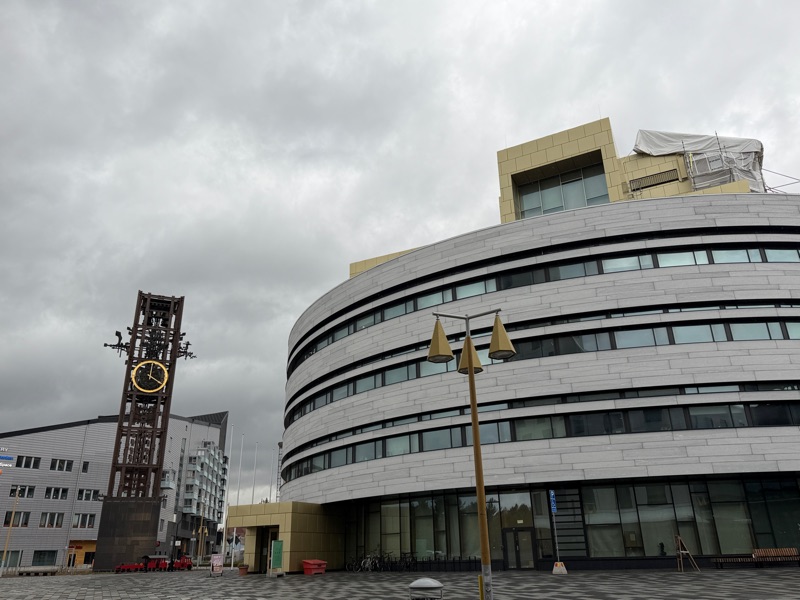


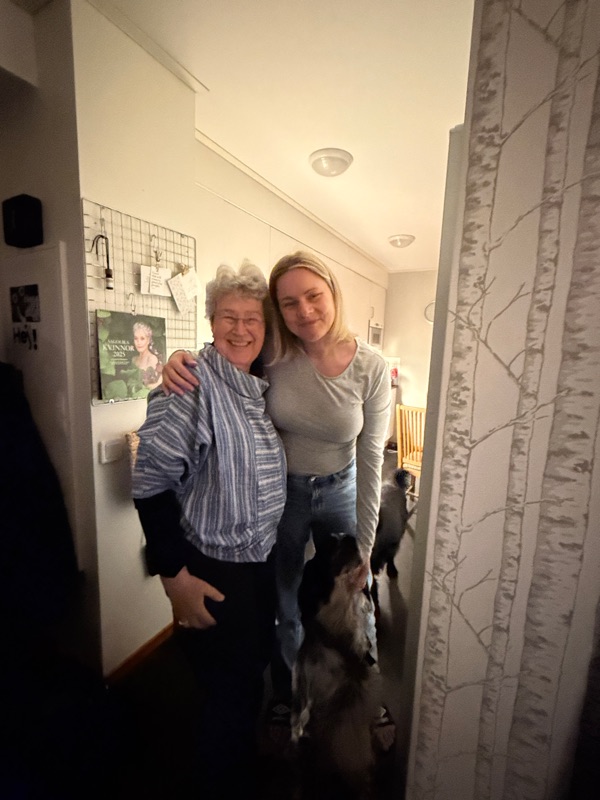
It is an interesting phenomena, and was the main topic of conversation during our home hosted dinner.  We visited a woman named Nina who worked for the tourist bureau and had lived in the town her whole life.  We enjoyed hear about the pros and cons of the whole process.


Tomorrow we tour the actual mine, which should be interesting.


South Africa Day 5: The Big Five (almost)

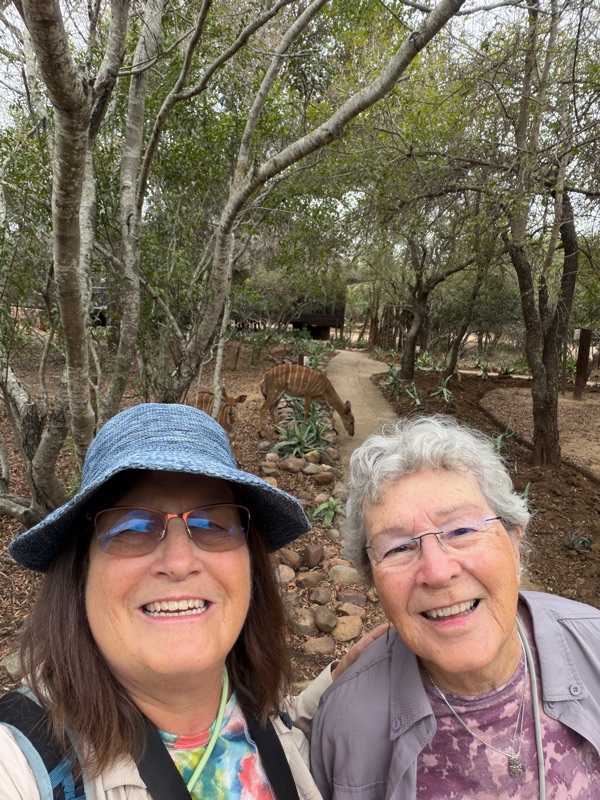
Nyala grazing near our tented camp   ​ Today we were up at 5 am for an early morning game drive.  We saw: a crash of rhinos A dazzle of z...