We landed in Manaus, known as the Gateway to the Amazon, a city of two million people, located where the Rio Negro flows into the Amazon River. It was established in the 1800's to serve the rubber trade and became the world wide rubber capital, run by enormously wealthy rubber barons. Now it is mostly a manufacturing town, and the entry point to the Amazon Rainforest.
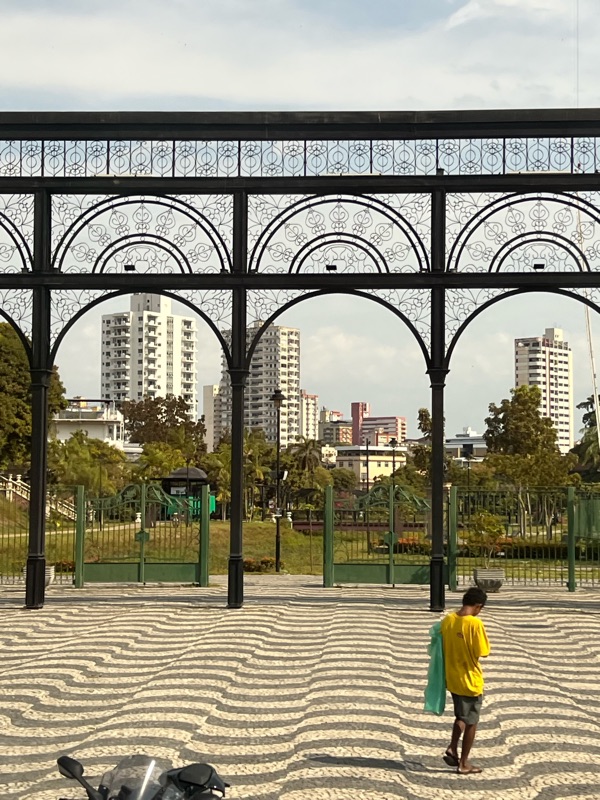
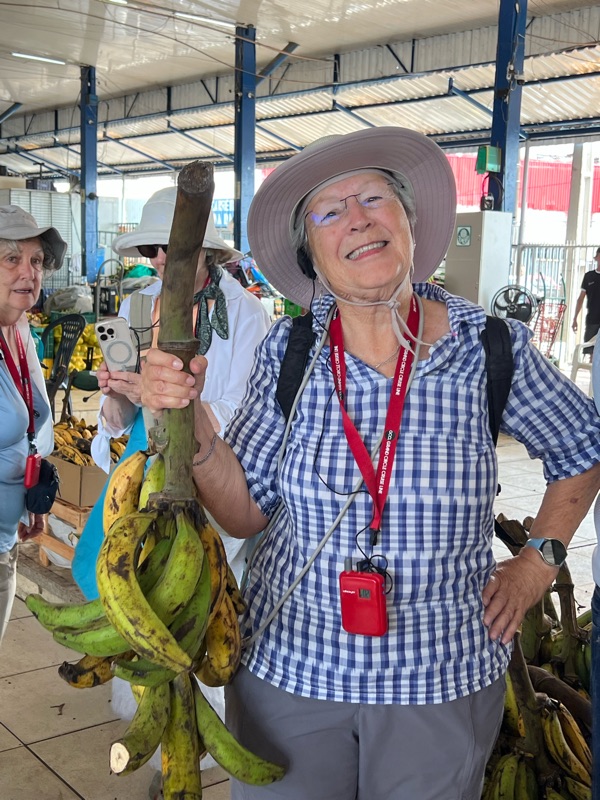
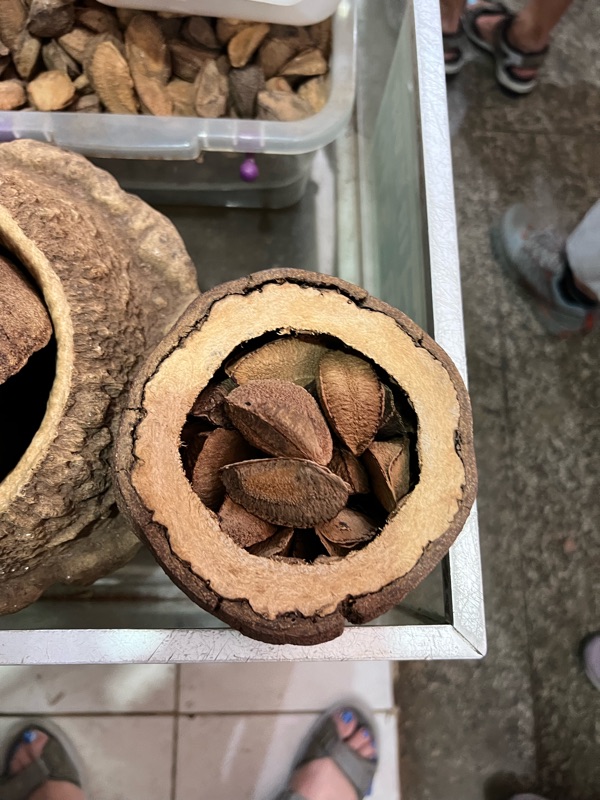
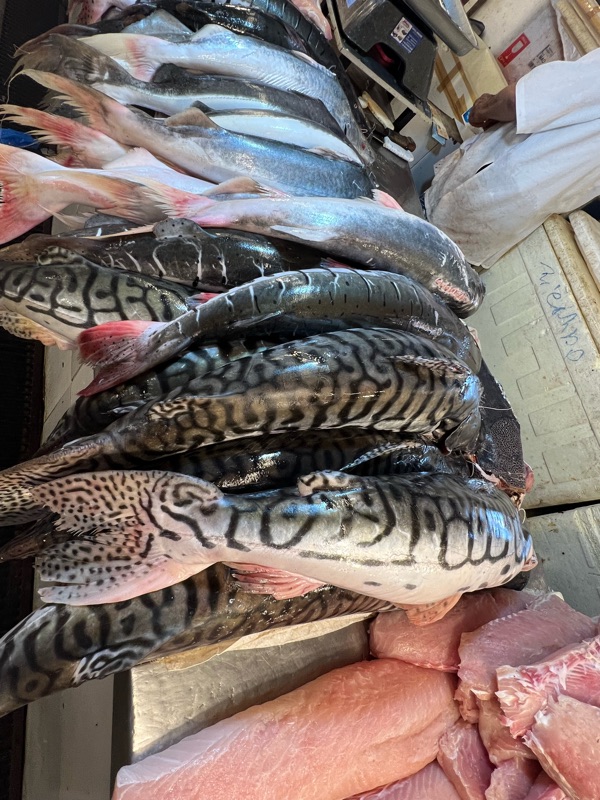
We had an interesting tour of the Manaus markets where we enjoyed seeing and tasting some of our favorite tropical fruits and discovering others. The fish market was also fun, and well stocked with so many varieties that are quite different from what we see in the store at home. The people working at the market know that OAT group leaders bring visitors and are generous with tips, so many were prepared to demonstrate how to butcher meat and fish, explain how certain foods are cooked and share pieces of fruit, nuts and other delicacies.
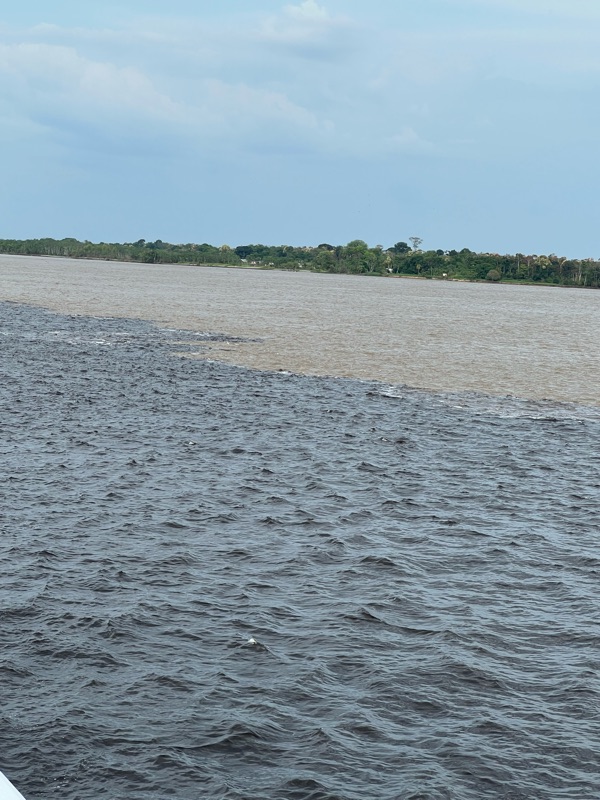
Once on the small river boat that was to be our home for the next four days, we went down the Rio Negro to the famous “meeting of the waters” - where the very fast and muddy Amazon meets the slower, clearer and darker Rio Negro. The water from the two sources flow along beside each other for many miles before the Rio Negro is assimilated into the Amazon. The Rio Negro is dark because of the tannins that leach from decomposing vegetation. As a happy result, it is mosquito- free! We had our first canoe outing, and then proceeded up the Rio Negro for further adventures.
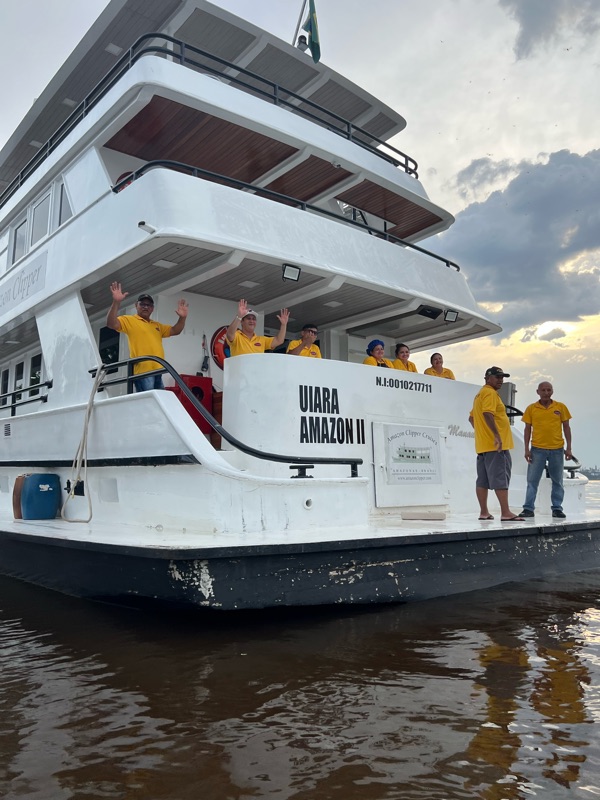
We spent two days on the Rio Negro, visiting islands with indigenous populations, and enjoying the river on the large “canoes,” which are really small open motor boats that hold about ten people, including the driver and the guides. We took lots of canoe trips (literally morning, noon and night), spotting animals and birds and just enjoying the beauty of the river and jungle.
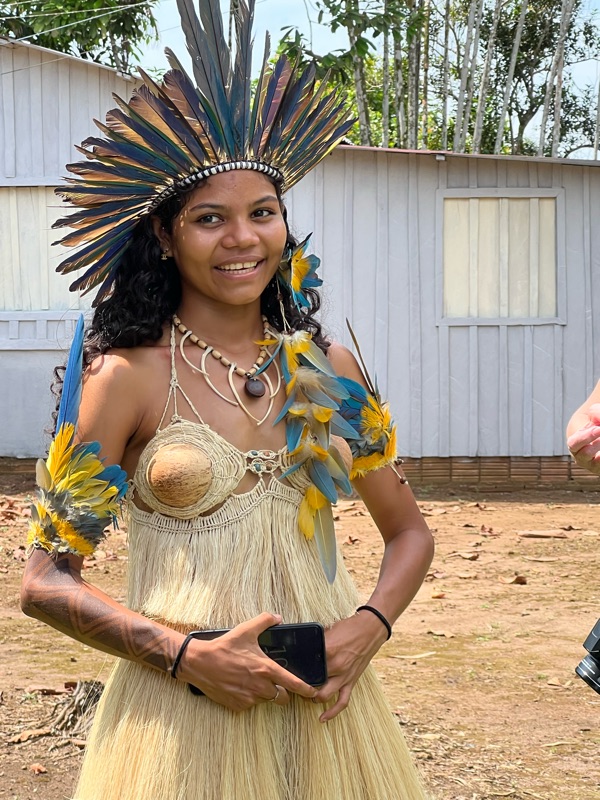
Our first outing was to an indigenous village where the mayors daughter showed us around in her hand made traditional costume. She also showed us a traditional dance while we waited out a rainstorm.
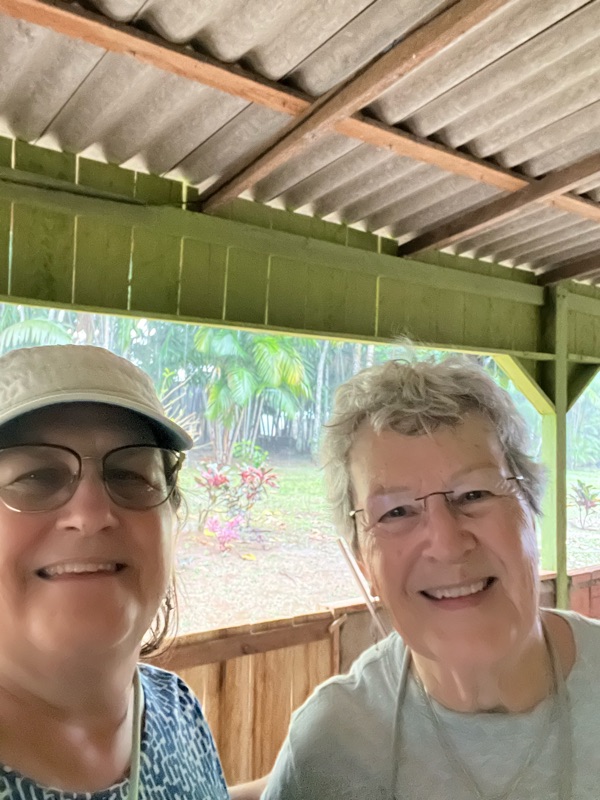


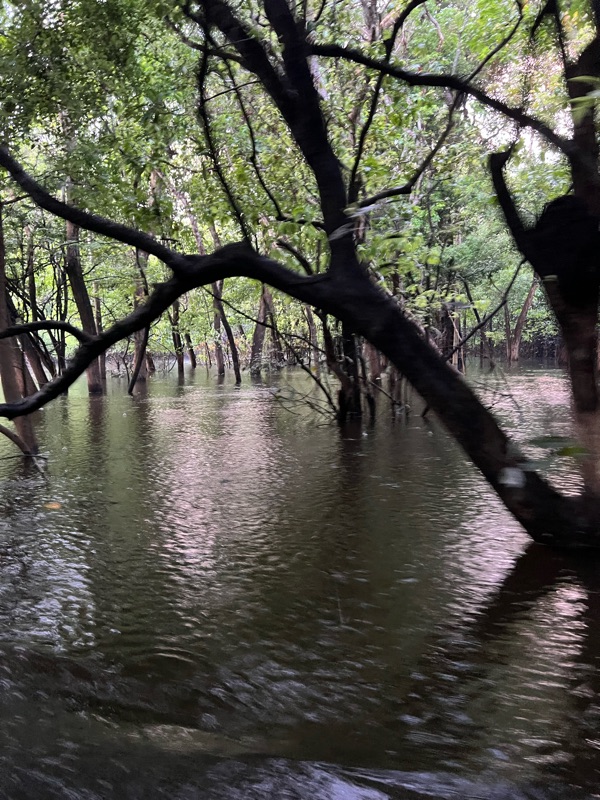
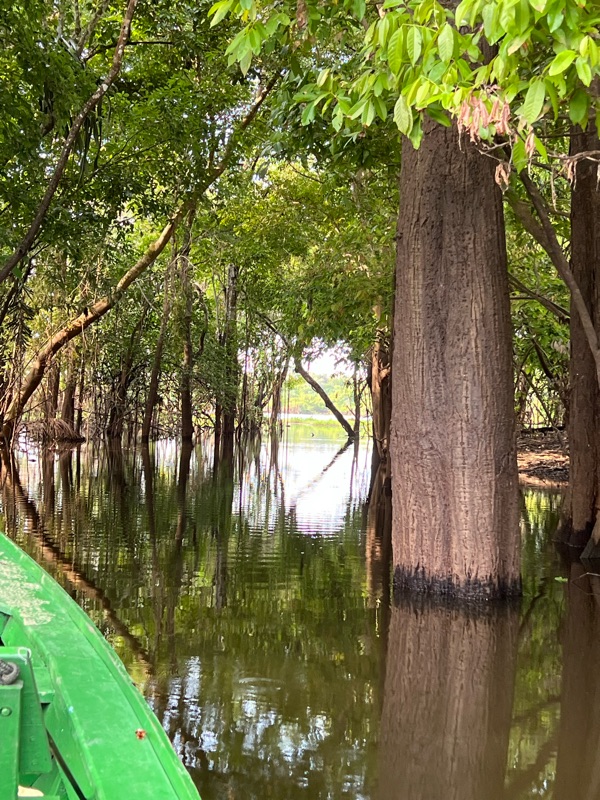
The difference in water level between peak flood and low water is about 40 feet - we were there right in the middle in September, so we navigated among partially drowned trees and flooded islands. It was a little mind blowing to see the evidence of that enormous difference in water levels. Most of the dwellings we passed were raised on platforms or else situated on high river banks.

Some of the key highlights of these trip were:
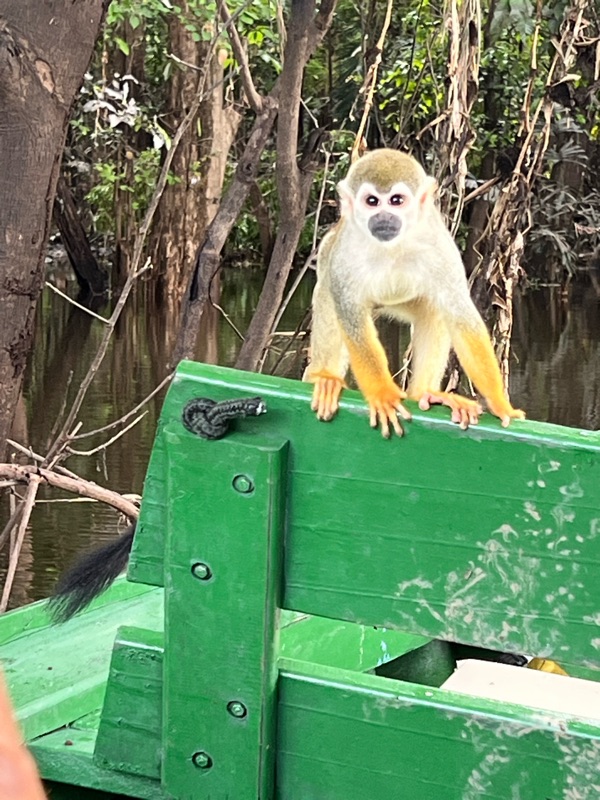
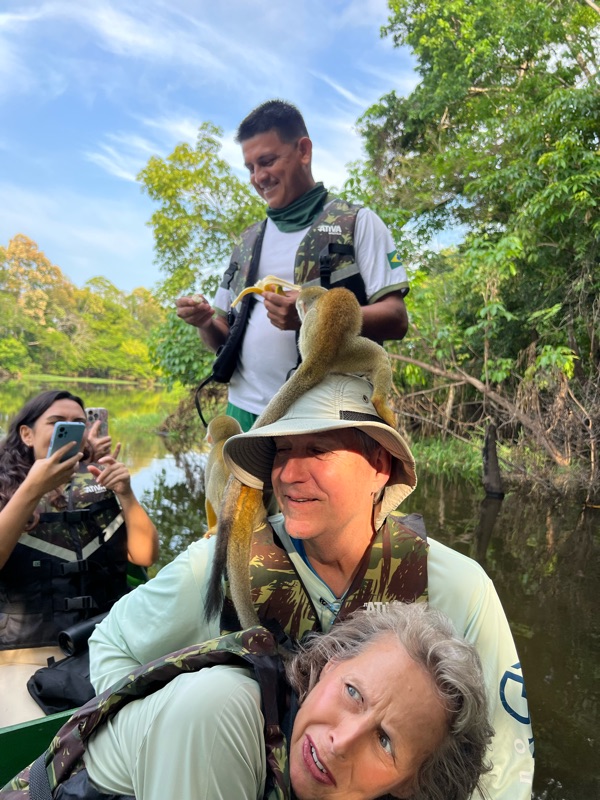
Spider monkeys that jumped down from the trees onto our canoe, where they were rewarded with treats.
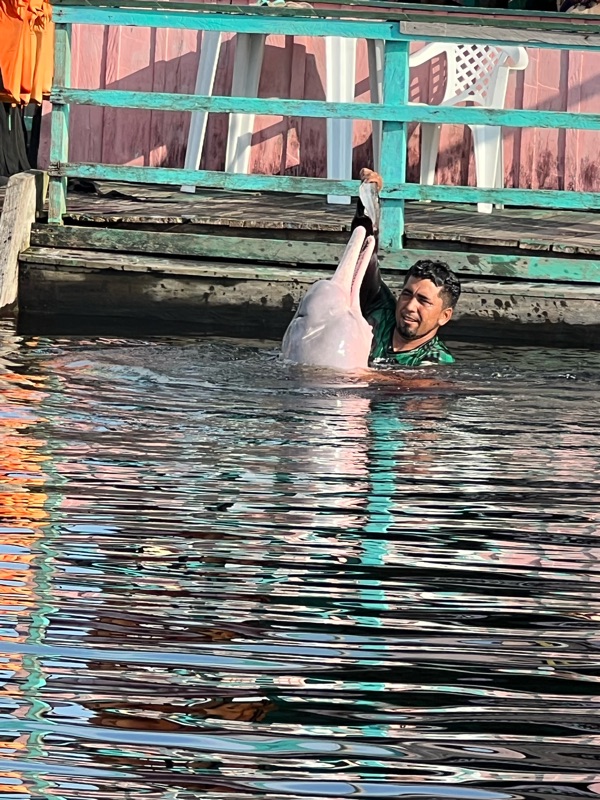
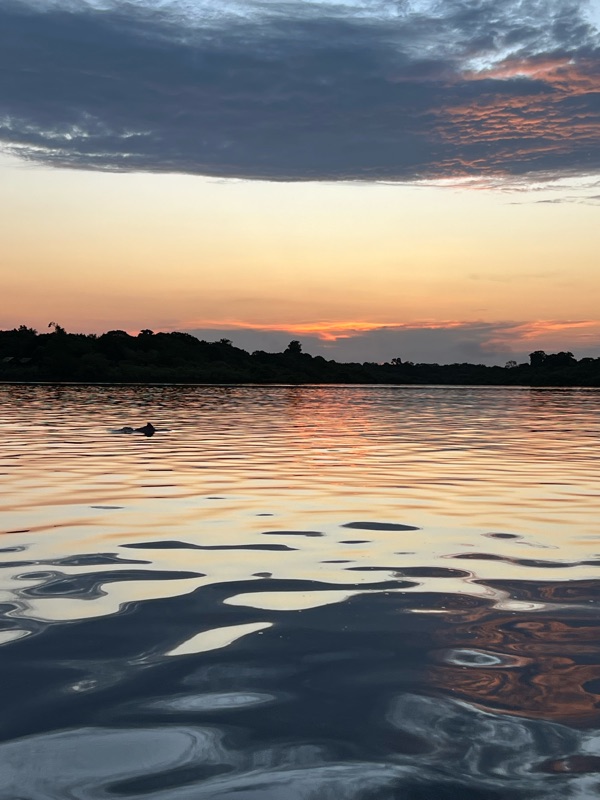
Pink river dolphins, enticed with fish by a friend of the local guide to leap out of the river to catch fish so we could see them. As well as grey dolphins at sunset.
Baby caimans and tarantulas, hiding among tree roots at night, found by the local guides who searched for them with flash lights.


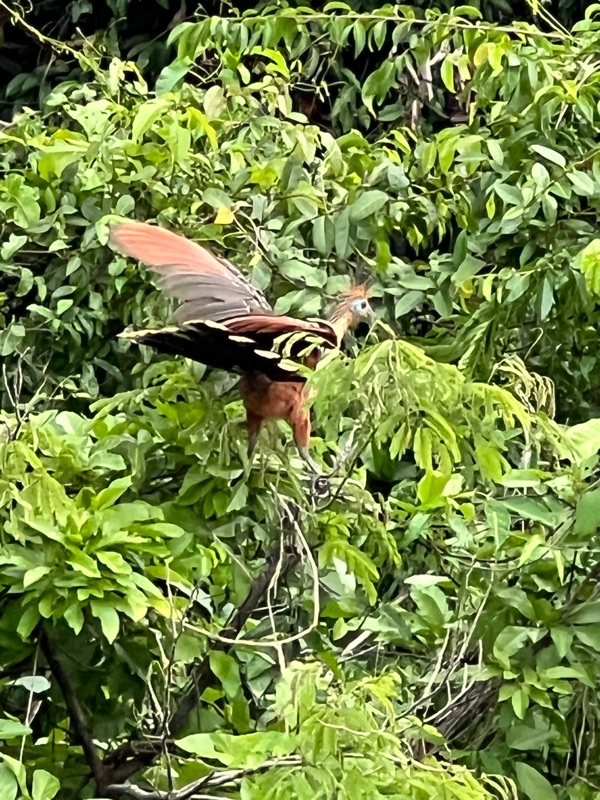
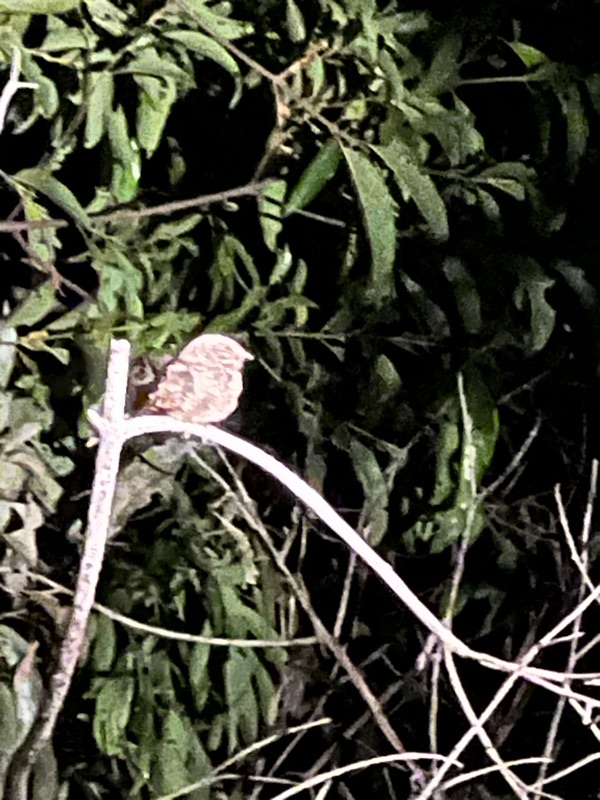
Lots and lots of lovely birds.
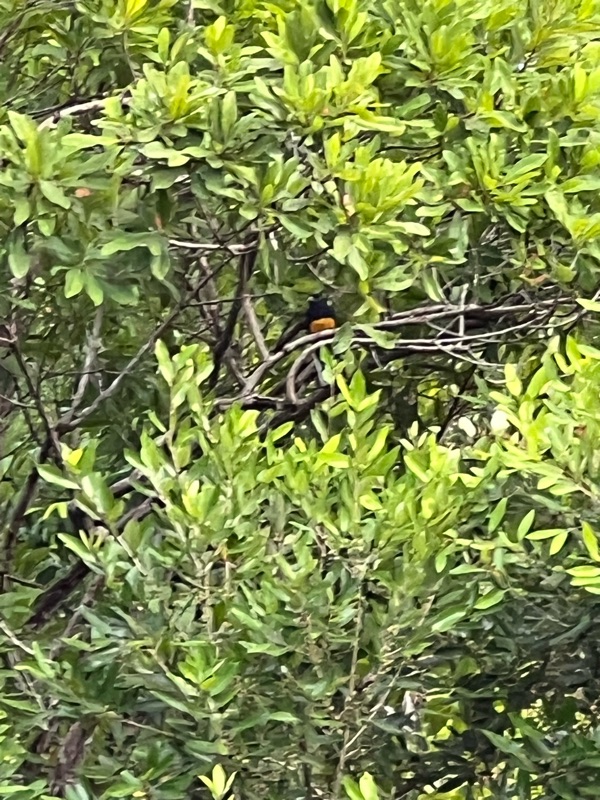
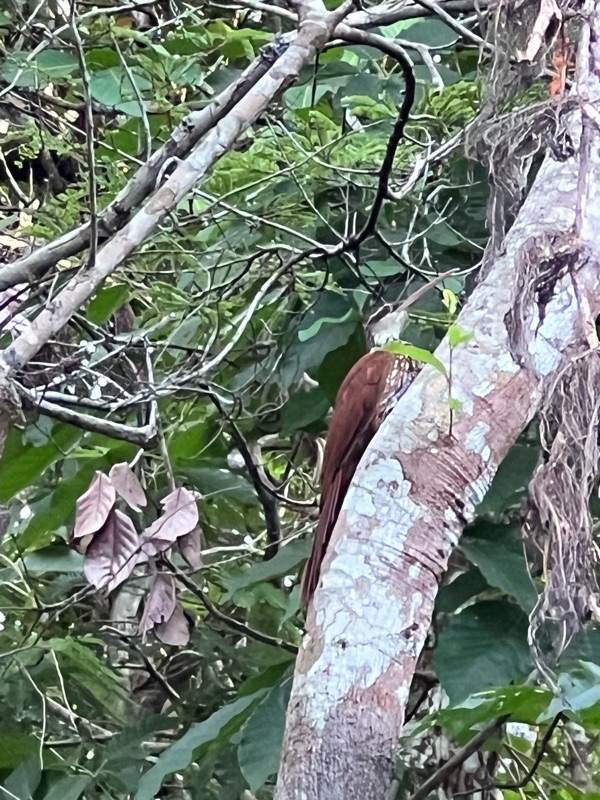
We also went swimming off the back of the river boat, after making sure that we did not have any open cuts or sores to attract the piranhas!
On our last night on the boat, we learned to make caiperhinas with cachasa (the local rum). Combined with a spectacular blood red moon, it made for a lovely evening.




The merging of the 2 rivers is so interesting. We see something similar at Silver Springs State Park here in Ocala, where the Silver Springs River (VERY clear water) runs alongside the more muddy Oklawaha River for some distance before they blend into murkiness.
ReplyDeleteYou swam with Piranhas!!!