We spent a busy four days in Rio, enjoying a variety of scenic and cultural treasures during our visit.
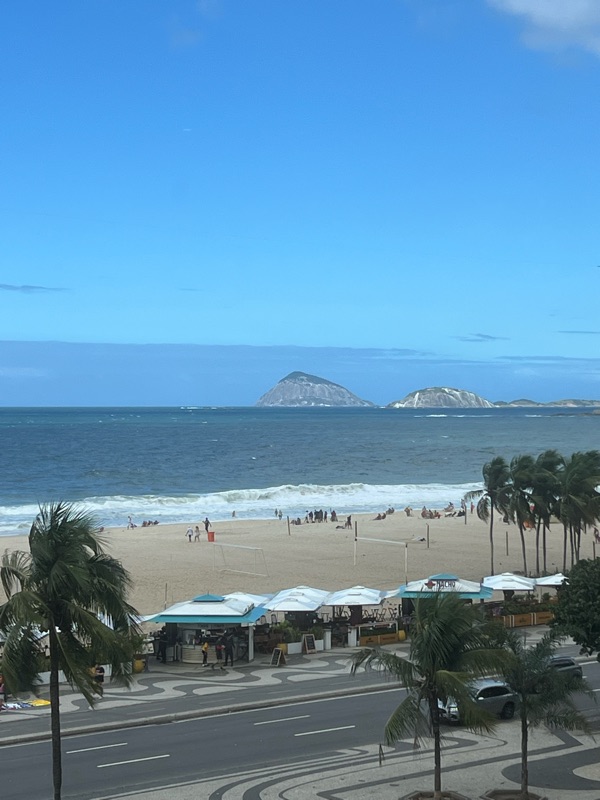
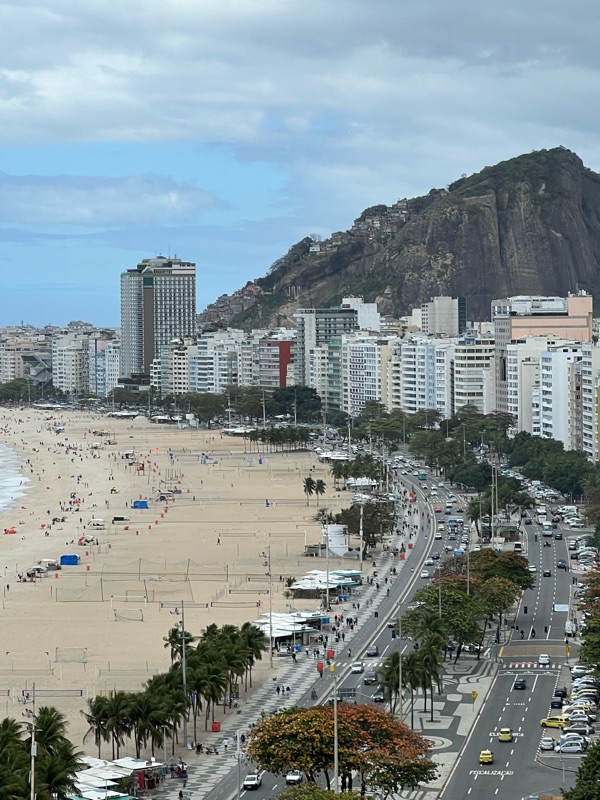
We stayed in a beautiful beach side hotel in Copacabana, and walked out every morning into the famous black and white patterned sidewalks. We knew that Rio was famous for its beaches, but I hadn’t realized that the lovely coastal mountains were such an essential feature of the city. Rio boasts the tallest seaside peak in the world.

Our first visit was the famous statue of Christ the Redemeer. The statue is beloved in the city, not only because of the strong Catholic belief system, but also because the statue is made of more than 70,000 tiles, each of which has the name of a person or family in the back. The statue literally belongs to the people of Rio ( the CaRIOca).

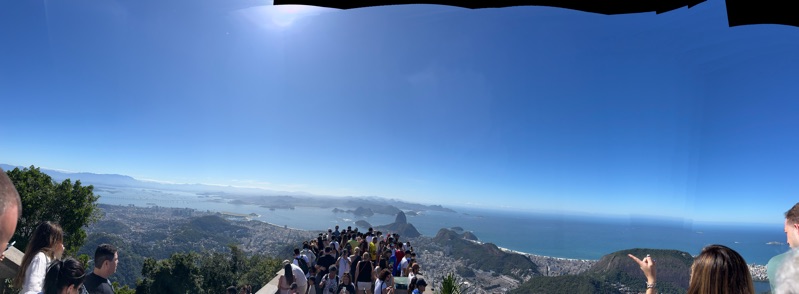
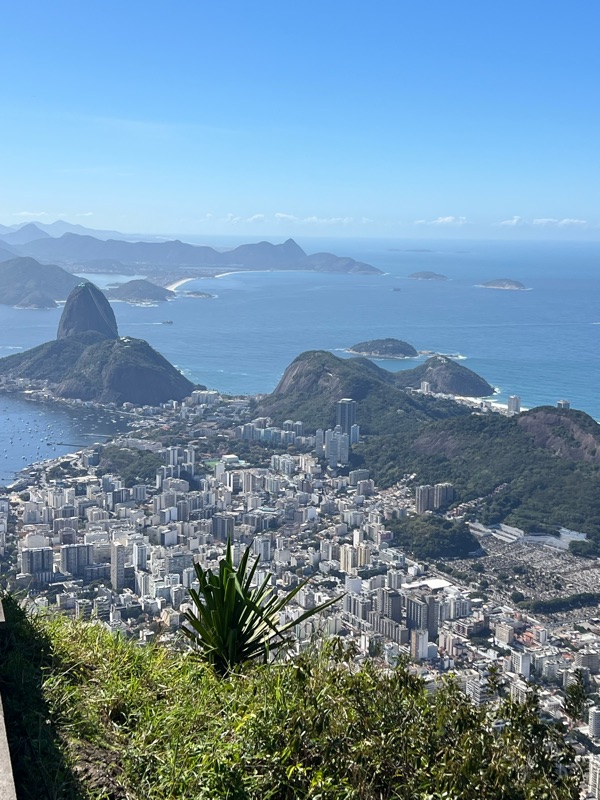
We also loved the spectacular views from the heights.
Our city tour included a lovely mix of different kinds of sites
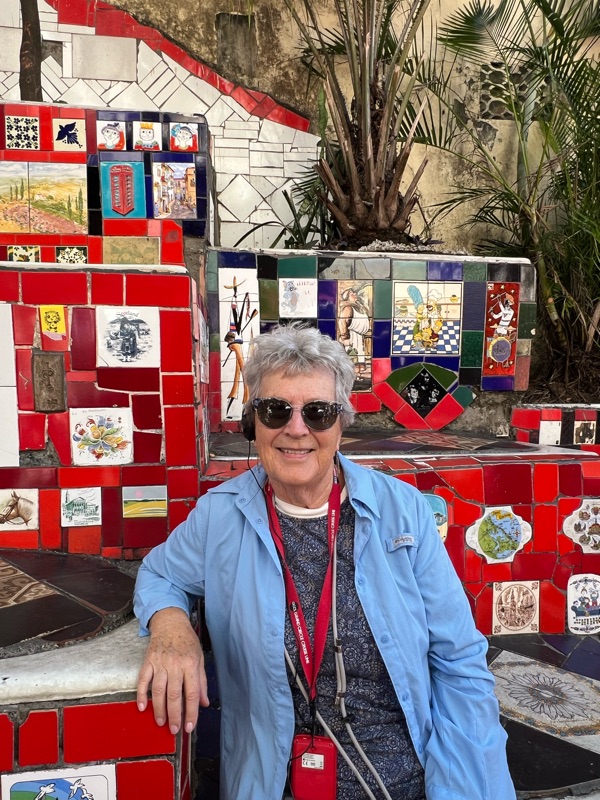
Our first stop was Saleron steps, the "rainbow staircase" where a local artist, Jorge Saleron, sought to rejuvenate his neighborhood through street art - one tile at a time. The staircase, as well as the walls and houses all around, are covered in colorful tiles brought by friends from all over the world.

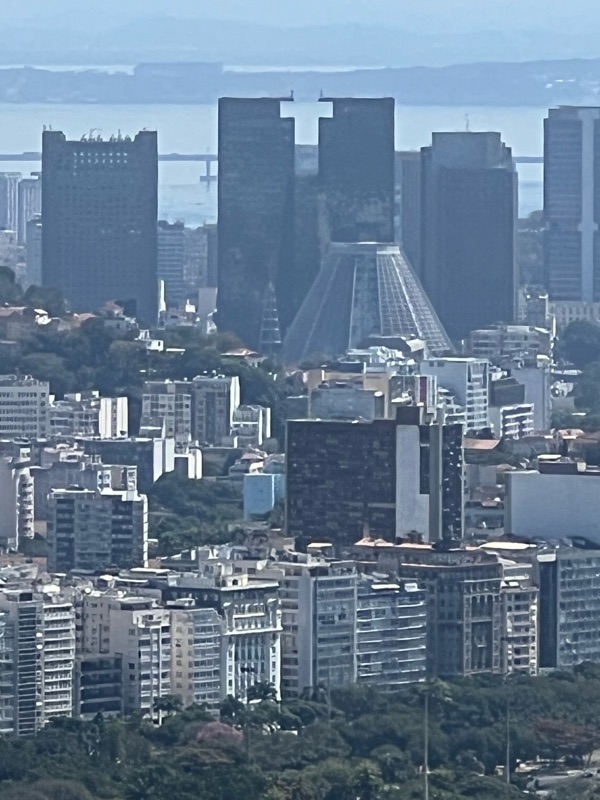
The Cathedral Metropolitana de San Sebastio was designed by modernist Oscar Neimeier (the master of cement). The building is a massive concrete structure incorporating modern design with more traditional stain glass windows that fill the interior with beautiful multicolored light.
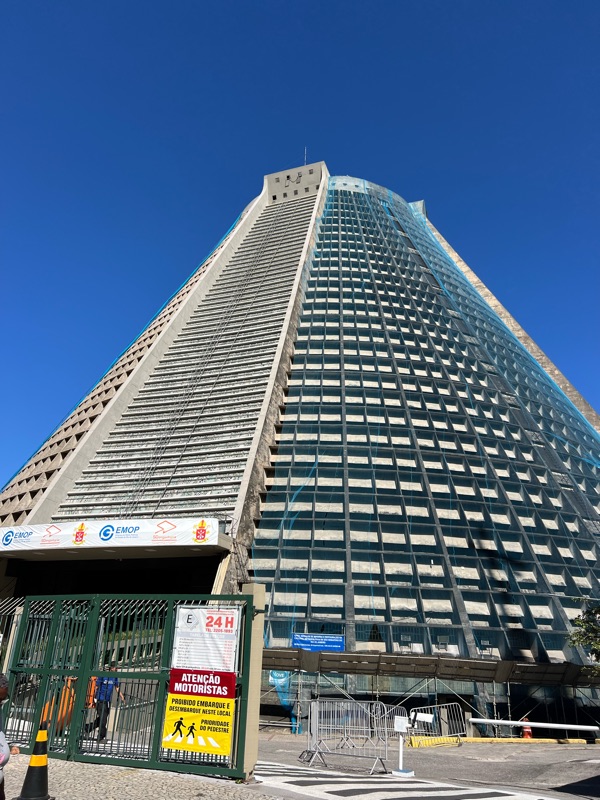

Ruth especially liked the steeple, on the ground next to the church

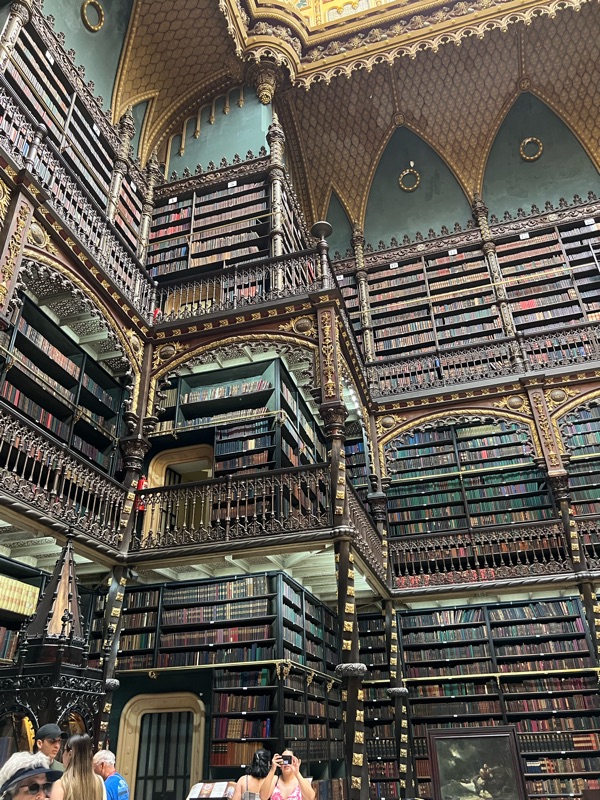
We also enjoyed the opulent and wonderful Portuguese reading room. In addition to the splendid architecture, it contains the largest collection of Lusaphone books outside of Portugal.
We marveled at the baroque excess found in the Church of Saint Francis of Penitence. Evidently, the Franciscans fell out of favor with the Royal Family. When all of the first sons died for several ggenerations, the Royal Family believed that they had been cursed by St. Francis and built the lost lavish church they could to appease he saint. The chapel is almost entirely encrusted in an estimated 220 pounds of gold leaf. And it worked - the first son lived, but then encouraged Brazilian independence.


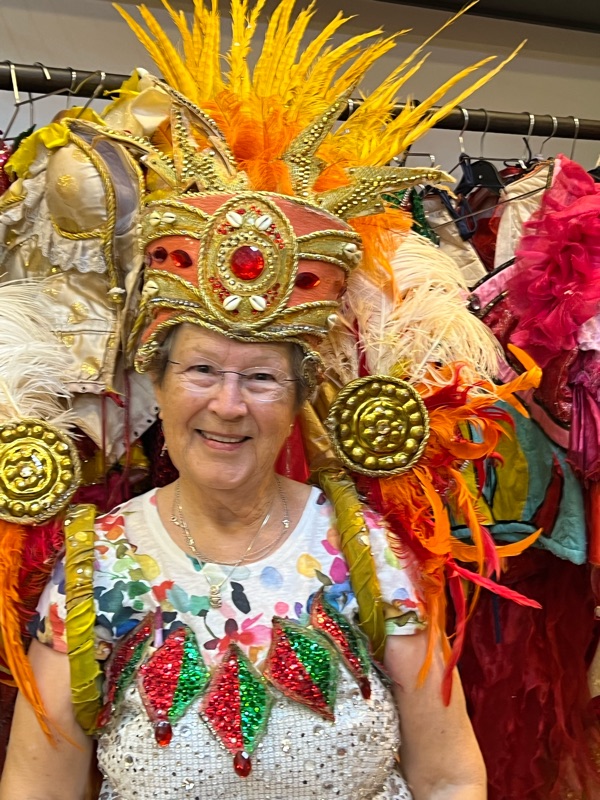
The next day we enjoyed a visit to a Samba school, where we learned about everything that goes in to producing a world class Carnivale performance. We walked through huge warehouses where workers were working on floats for the 2026 season. We also tried on costumes from past years, and enjoyed music and dancing displays. We even participated as percussionists. It was fun and fascinating.

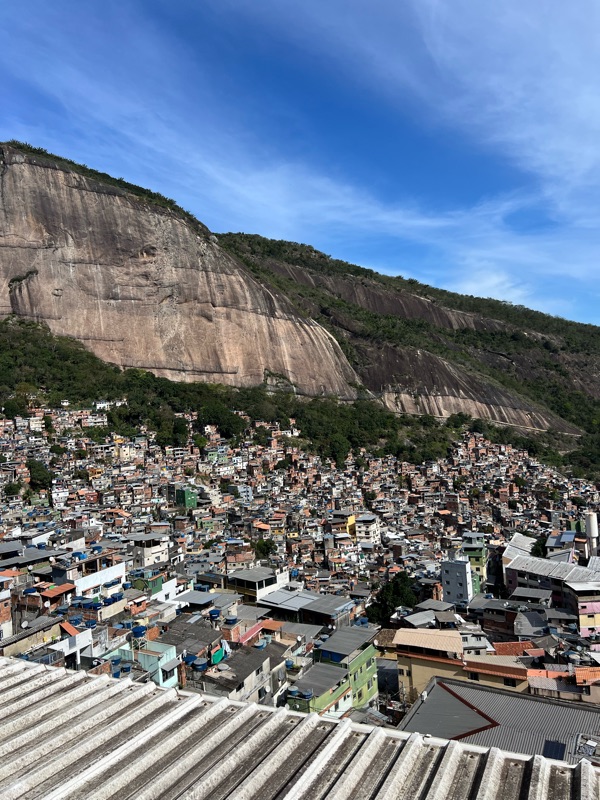
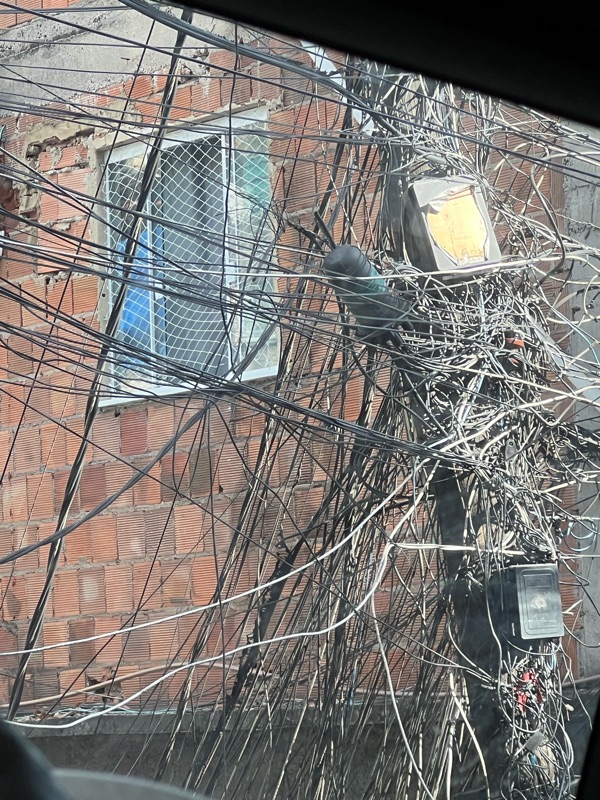
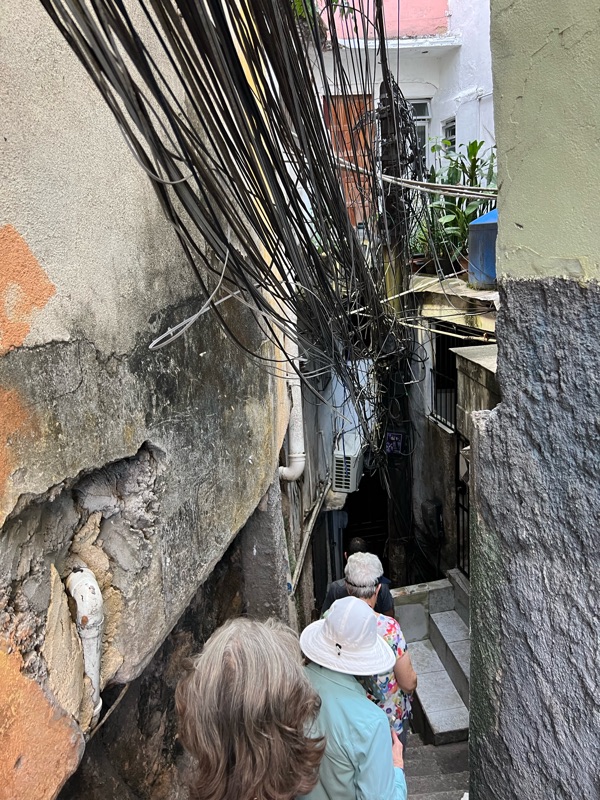
After dining in a restaurant near where the “Girl from Impanema” was written (Impanema is the next beach south after Copacabana), we went on a tour of two different favelas. Favelas are in zones areas of the city where a large part of the poorer population live - often perched high up hillsides around the city. We walked through narrow alleys and up and down stairs and through tunnels in one of these closely packed and closely connected communities. It was an intensive look at how communities grow and thrive in adversity. It was interesting to learn that although the favelas are mostly populated by the poorer residents of Rio, there is almost no crime, as the drug cartels that govern most of these communities do not allow it.
Our last day in Rio was at the end of our tour. On our last day, we visited the famous Sugarloaf Mountain, and had another amazing meal at a churrasqueira - where servers carve different cuts of meat off big skewers right onto your plate. We enjoyed all the famous Brazilian beef and other delicacies we could hold.

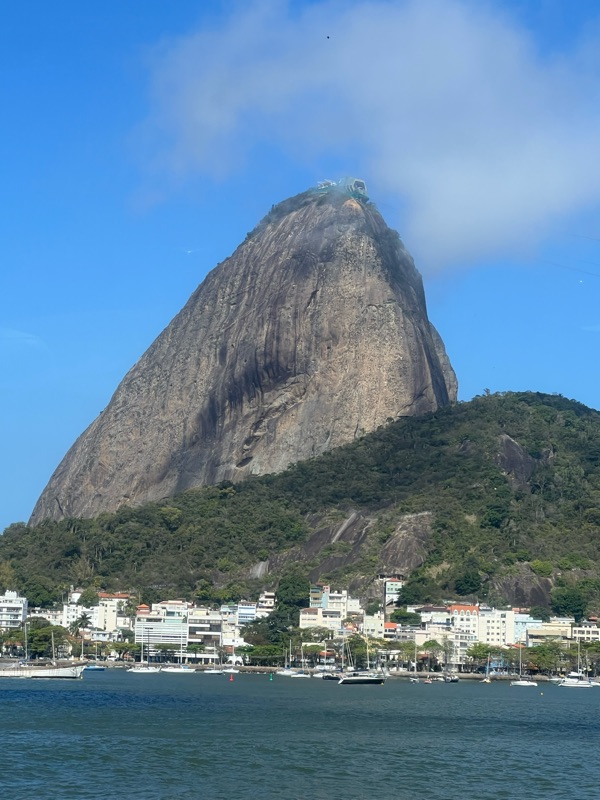
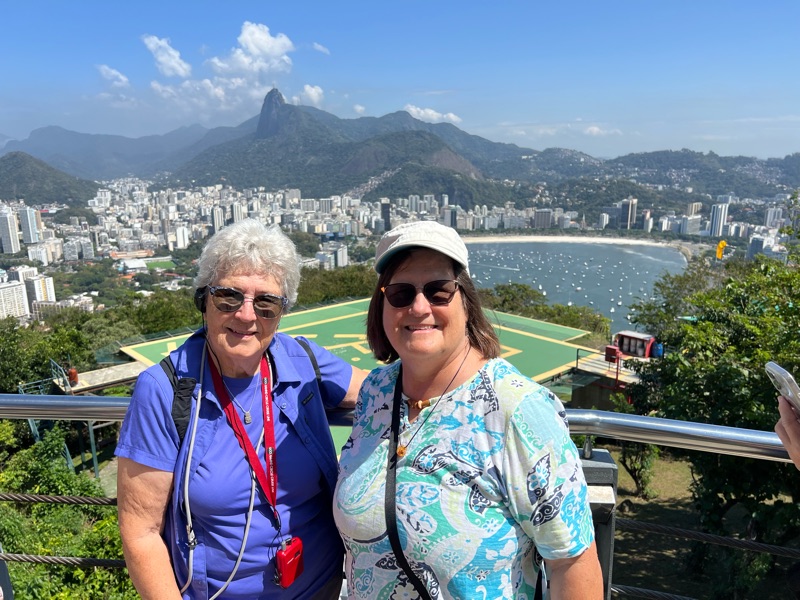
Rio was a vibrant, beautiful and complex city - we felt like we just scratched the surface.



Those stain glass windows in the Cathedral Metropolitana… are stunning. That cross created by the 2 office buildings is very clever!
ReplyDeleteYou got to “play dress-up” with those fancy costumes!
Since you said of the favelas that there is almost no crime (due to the drug cartels not allowing it), is that to say this is perhaps a desirable place to live?