Wednesday, February 25, 2026

Brazil: Rio De Janiero

We spent a busy four days in Rio, enjoying a variety of scenic and cultural treasures during our visit.


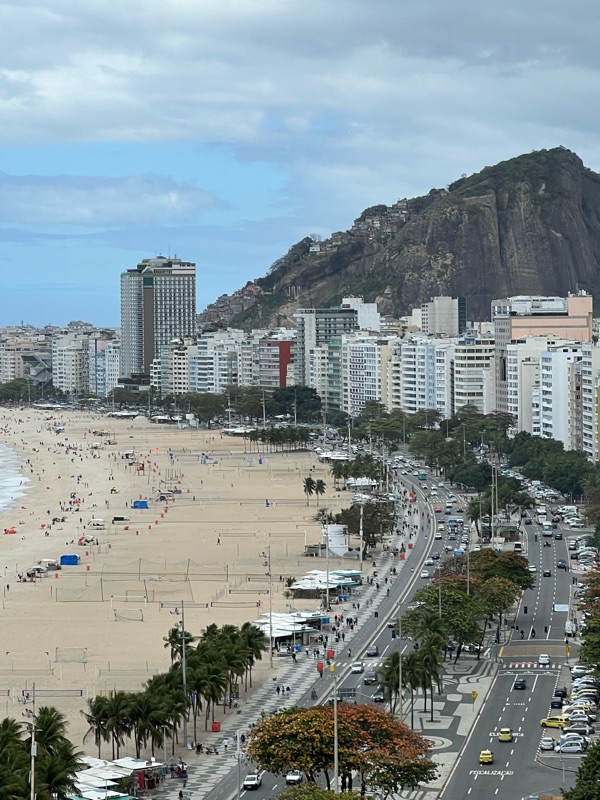
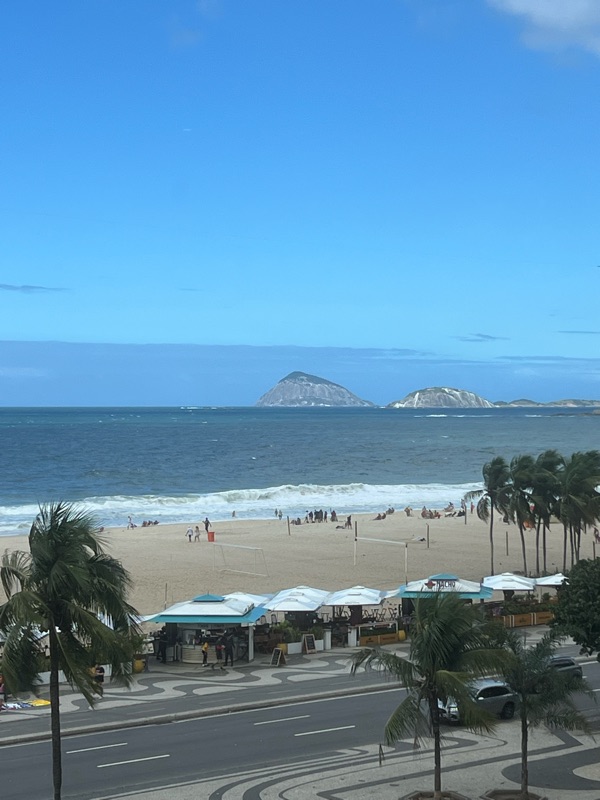
We stayed in a beautiful beach side hotel in Copacabana, and walked out every morning into the famous black and white patterned sidewalks.  We knew that Rio was famous for its beaches, but I hadn’t realized that the lovely coastal mountains were such an essential feature of the city.  Rio boasts the tallest seaside peak in the world.


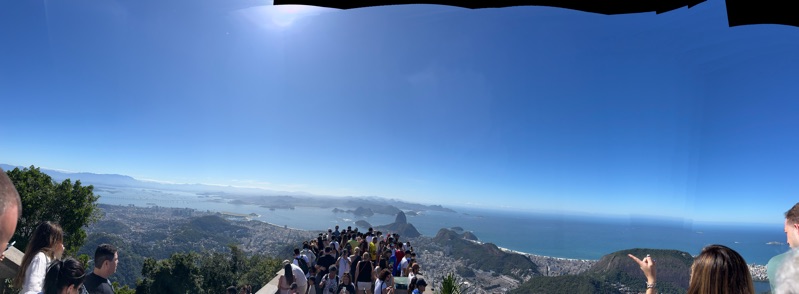
Our first visit was the famous statue of Christ the Redemeer.  The statue is beloved in the city, not only because of the strong Catholic belief system, but also because the statue is made of more than 70,000 tiles, each of which has the name of a person or family in the back.  The statue literally belongs to the people of Rio ( the CaRIOca). 


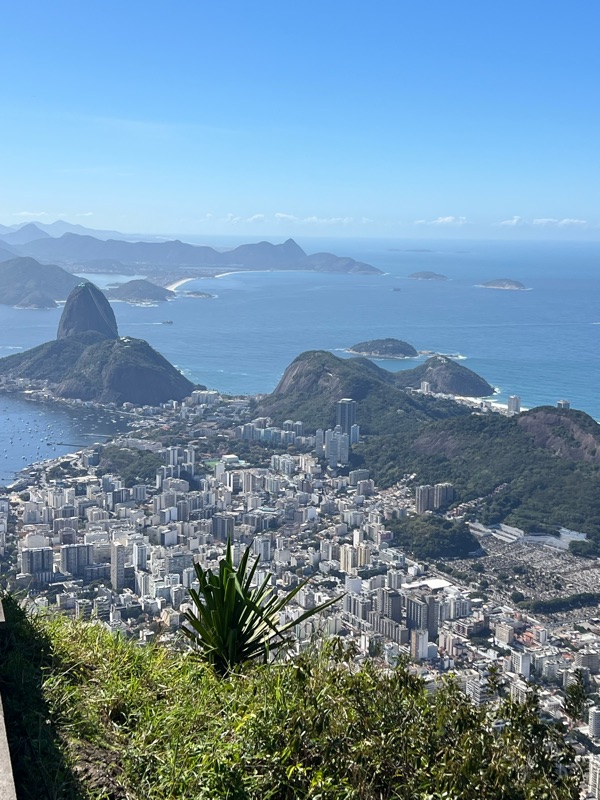
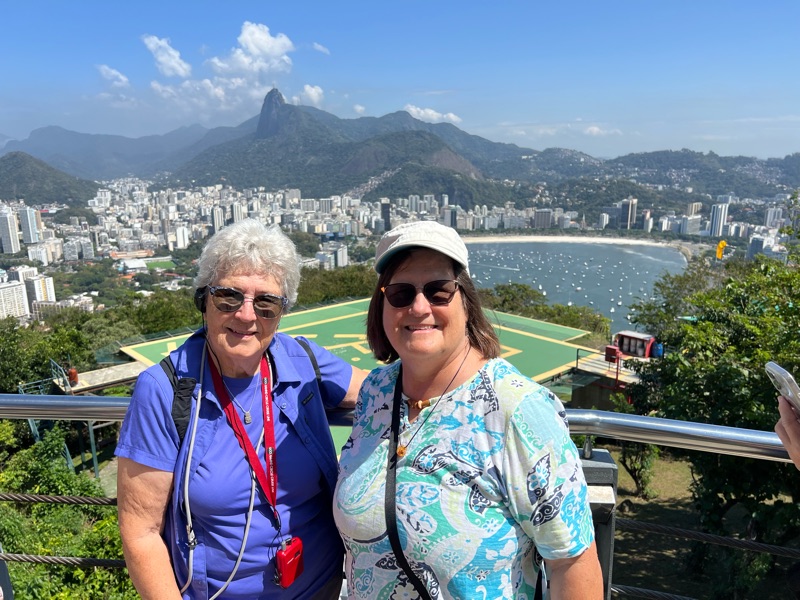
We also loved the spectacular views from the heights.


Our city tour included a lovely mix of different kinds of sites 


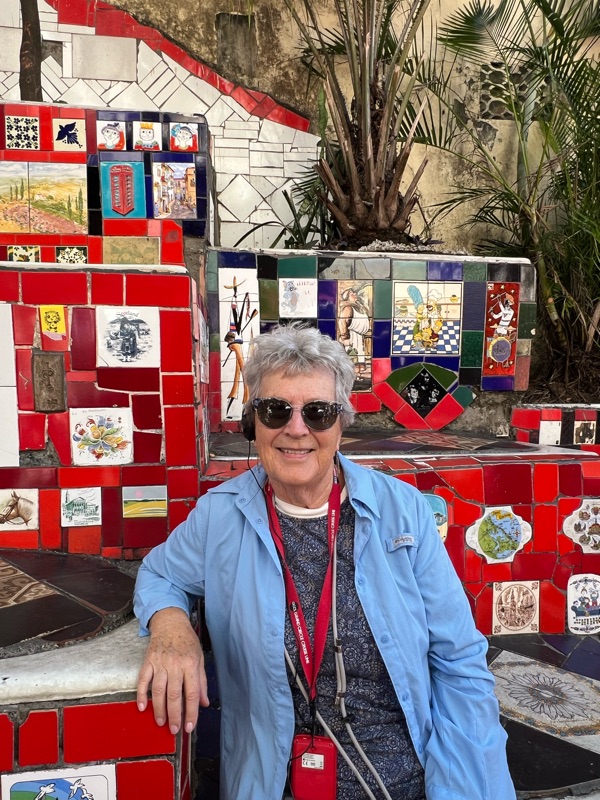
Our first stop was Saleron steps, the "rainbow staircase" where a local artist, Jorge Saleron, sought to rejuvenate his neighborhood through street art - one tile at a time.  The staircase, as well as the walls and houses all around, are covered in colorful tiles brought by friends from all over the world.


The Cathedral Metropolitana de San Sebastio was designed by modernist Oscar Neimeier (the master of cement).  The building is a massive concrete structure incorporating modern design with more traditional stain glass windows that fill the interior with beautiful multicolored light.
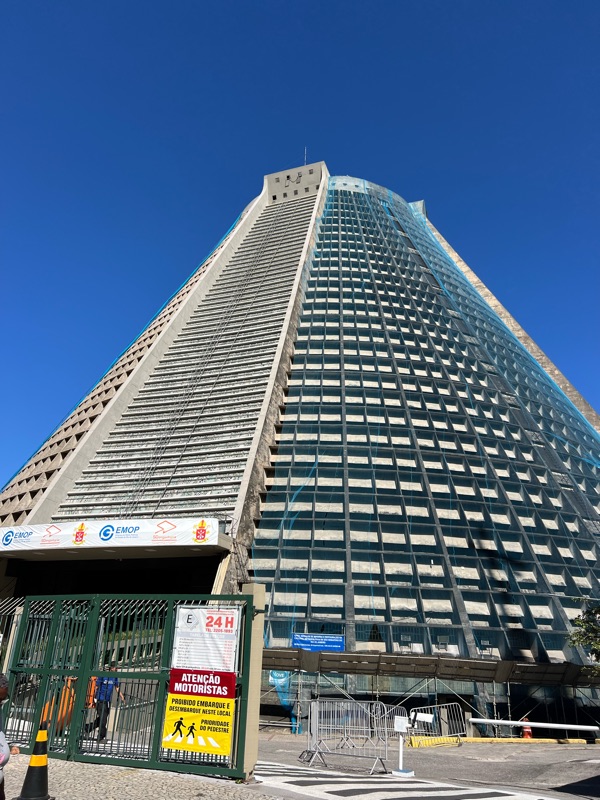


Ruth especially liked the steeple, on the ground next to the church


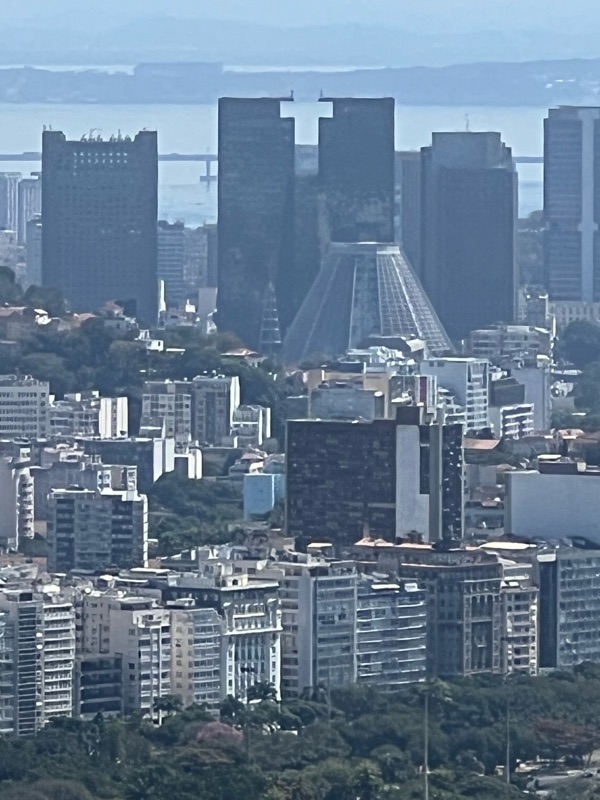
And Cheryl especially liked the cross that was made by the two office buildings next to the church - this view was from the top of SugarLoaf Mountain a few days later.


We also enjoyed the opulent and wonderful Portuguese reading room.  In addition to the splendid architecture, it contains the largest collection of Lusaphone books outside of Portugal.
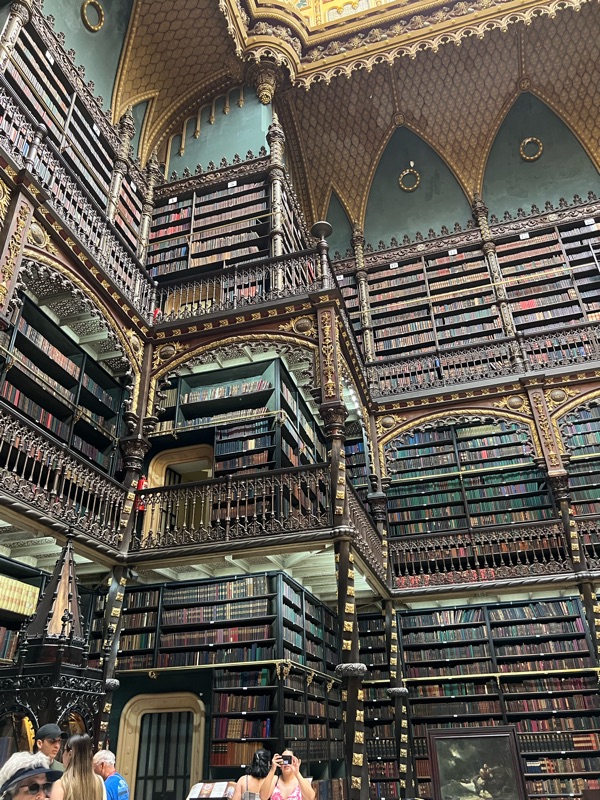


We marveled at the baroque excess found in the Church of Saint Francis of Penitence.  Evidently, the Franciscans fell out of favor with the Royal Family.  When all of the first sons died for several ggenerations, the Royal Family believed that they had been cursed by St. Francis and built the lost lavish church they could to appease he saint.  The chapel is almost entirely encrusted in an estimated 220 pounds of gold leaf.  And it worked - the first son lived, but then encouraged Brazilian independence.


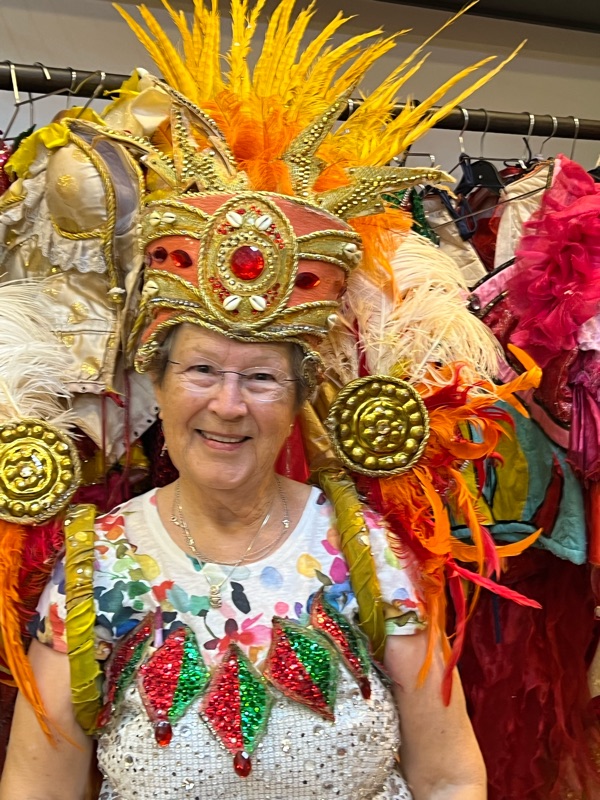
The next day we enjoyed a visit to a Samba school, where we learned about everything that goes in to producing a world class Carnivale performance. We walked through huge warehouses where workers were working on floats for the 2026 season.  We also tried on costumes from past years, and enjoyed music and dancing displays.  We even participated as percussionists. It was fun and fascinating.


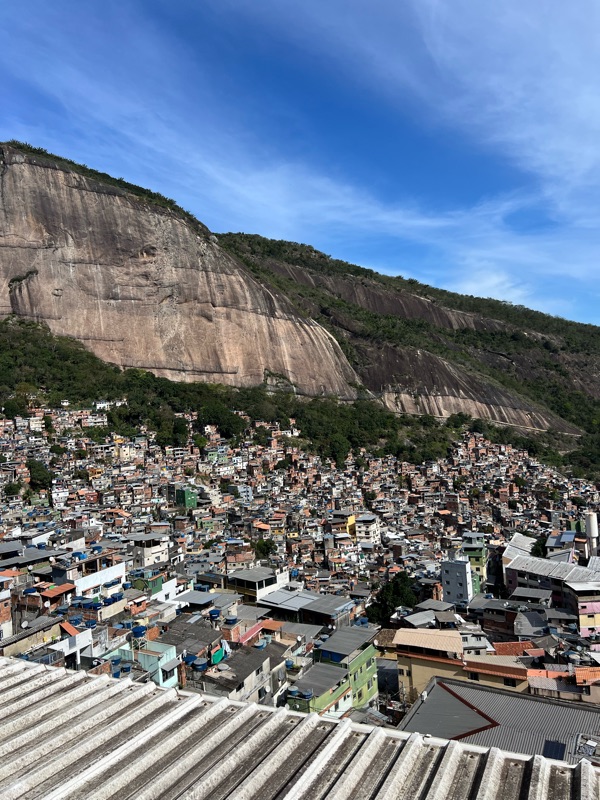
After dining in a restaurant near where the “Girl from Impanema” was written (Impanema is the next beach south after Copacabana), we went on a tour of two different favelas.  Favelas are in zones areas of the city where a large part of the poorer population live - often perched high up hillsides around the city. We walked through narrow alleys and up and down stairs and through tunnels in one of these closely packed and closely connected communities. It was an intensive look at how communities grow and thrive in adversity.  It was interesting to learn that although the favelas are mostly populated by the poorer residents of Rio, there is almost no crime, as the drug cartels that govern most of these communities do not allow it.
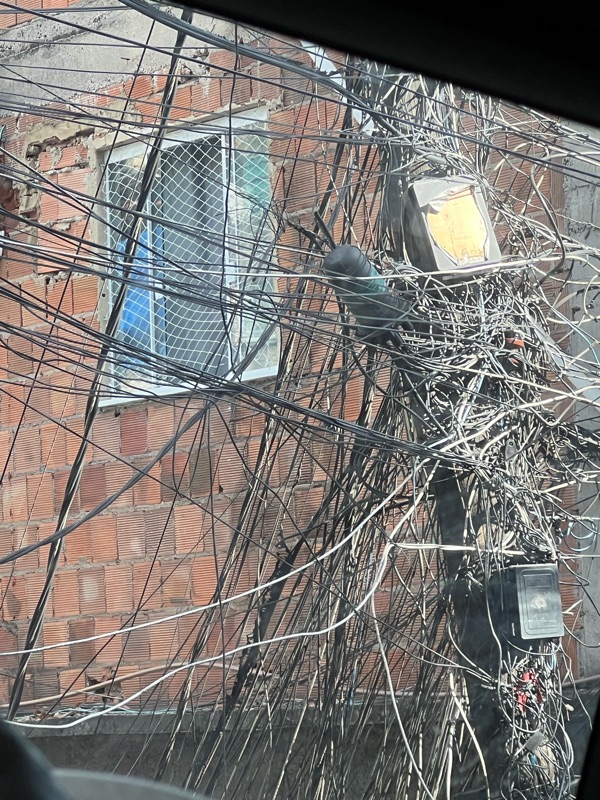
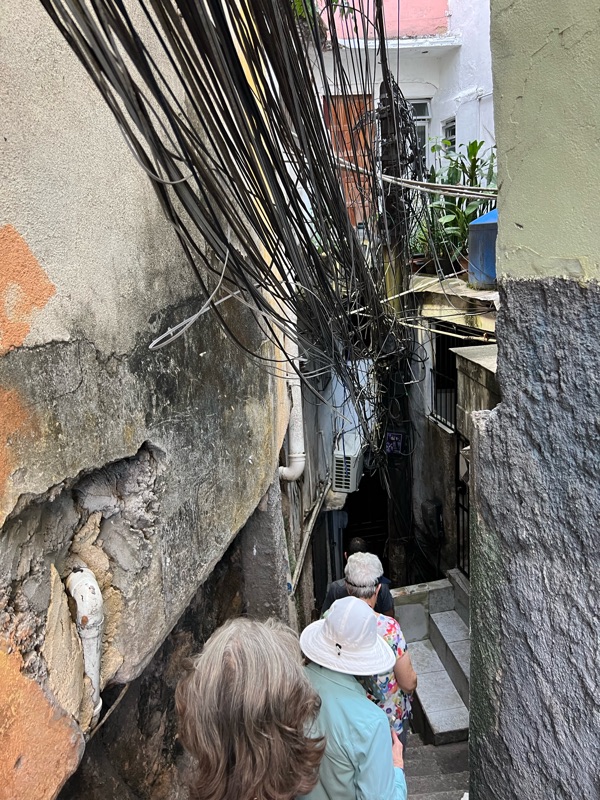

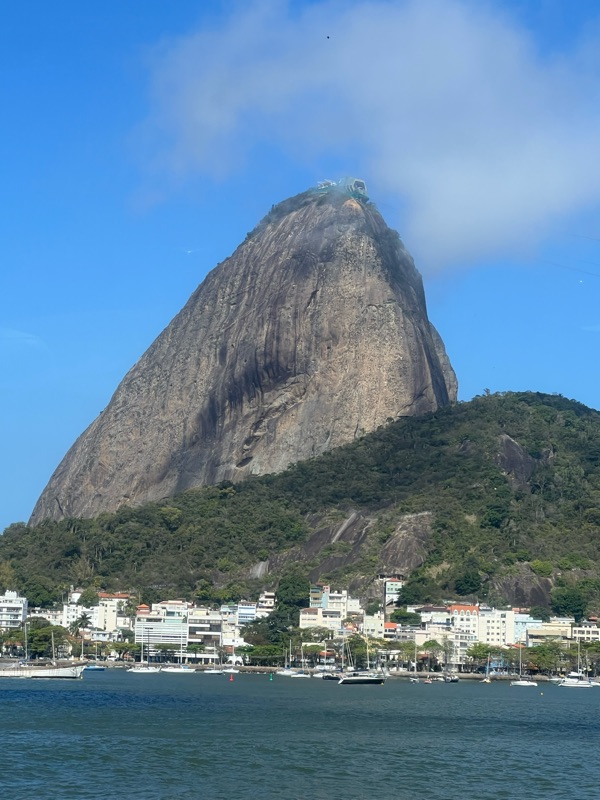
Our last day in Rio was at the end of our tour. On our last day, we visited the famous Sugarloaf Mountain, and had another amazing meal at a churrasqueira -  where servers carve different cuts of meat off big skewers right onto your plate. We enjoyed all the famous Brazilian beef and other delicacies we could hold.  


Rio was a vibrant, beautiful and complex city - we felt like we just scratched the surface.


Sunday, February 22, 2026

Brazil: Modernist Brasilia

Brasilia: What an interesting and weird place!!


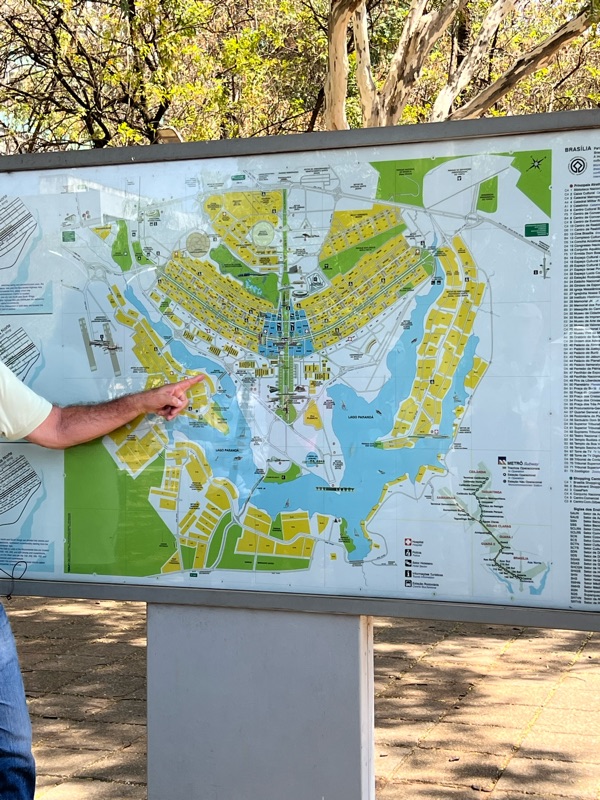
Brasilia is a planned community on on a massive scale that has nly existed since the 1950's.  It is a city of three million people, all packed into hyper designed “superquartos,” laid out on a grid to represent a huge airplane.  Not just another capital city.


We arrived in Brasilia from Manaus and got a quick drive-by tour of the central city on the way to our home-hosted dinner. On the way we saw many of the famous landmarks, lit up with colorful floodlights. 


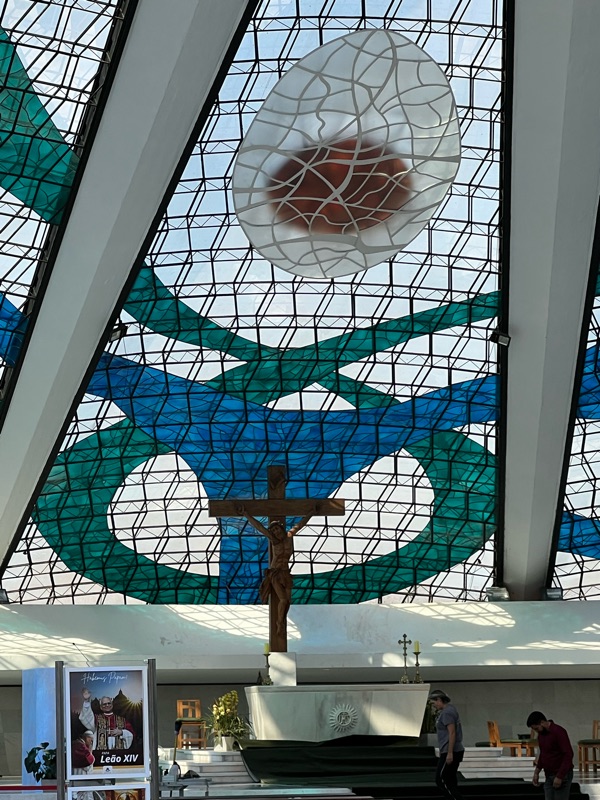
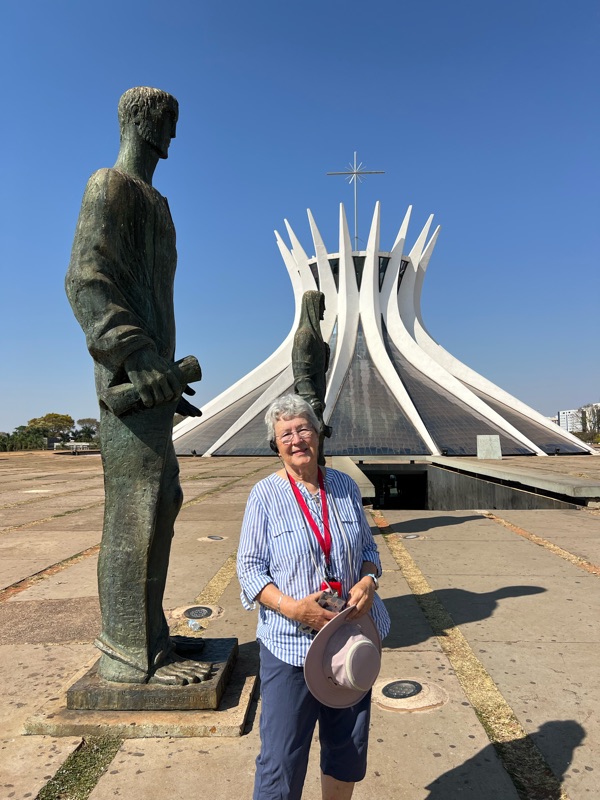
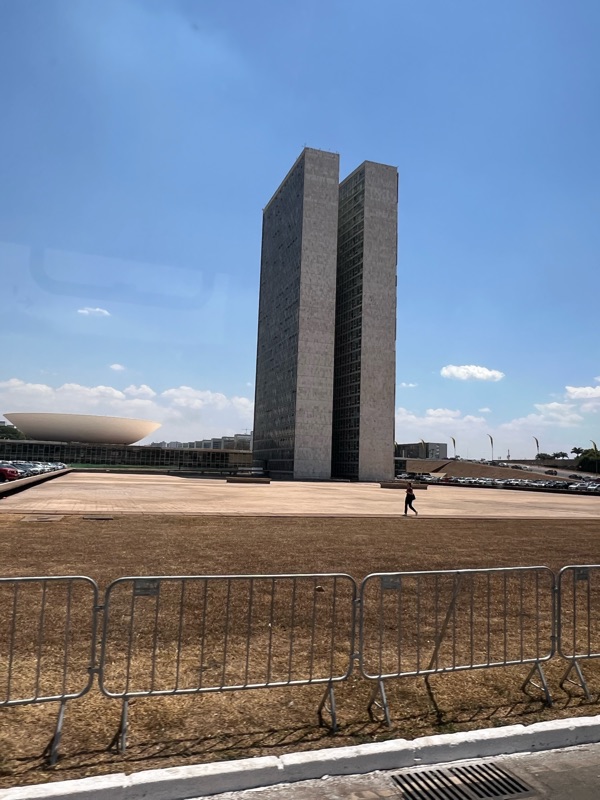
In the morning, we had a bus tour of the best-known landmarks. In the main corridor (the fuselage of the airplane) is a Mall-like area as in Washington DC, with all the government Ministries as well as the Parliament buildings. We toured that area, seeing some of Oscar Neimeyer’s greatest accomplishments, including the Cathedral of Brazilia and the iconic Parliament building.   The cathedral consists of 16 curved concrete columns, arranged in a circle, with the wall spaces between them that are covered with swirling waves of blue, green and white stained glass. There are also three huge bronze angels suspended from the top.


One of Neimeier’s proudest accomplishments was the Parliament building, with two bowls - one inverted - representing the two bodies - the house and the senate.  There was also a towering office building in between.


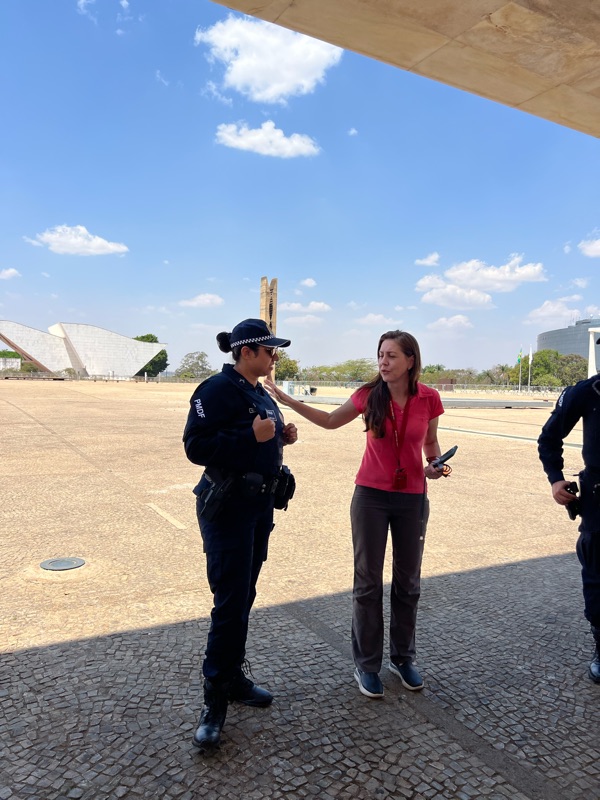
We also visited the “three Powers square - which in addition to Parliament also has the Supreme Court, and the Presidents office.  There was a big case being heard at the Suprere Court that day about the crimes of a former President, so lots of security.


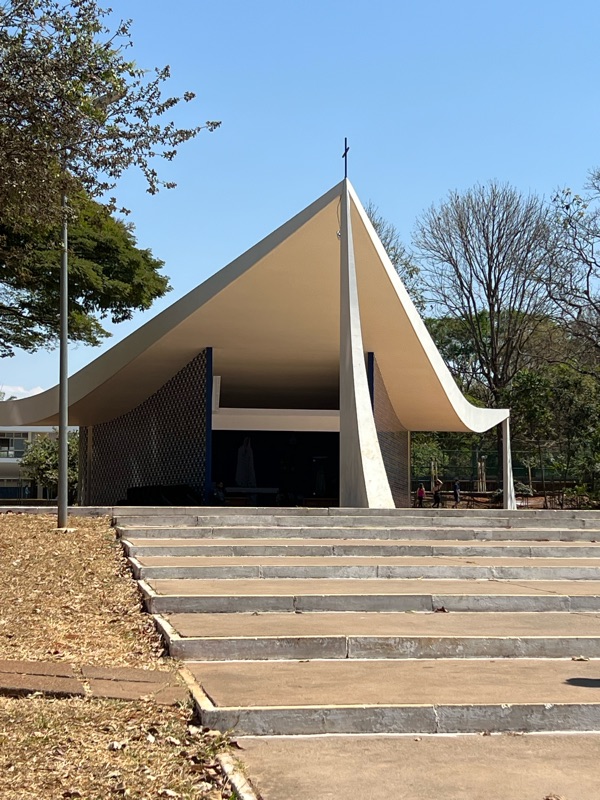
When learning more about the creation of the city, we visited the Fatima Chapel - the first building built in the new city in 1951. The tiny chapel was built in one of the Superquartos. 


We also walked around in the area.  Each superquarto is a neighborhood of several square blocks. There are low rise apartment buildings that house approximately 2500 people, and each neighborhood has its own church, shopping area, schools, and parks. This concept makes for very livable spaces in the large city. 


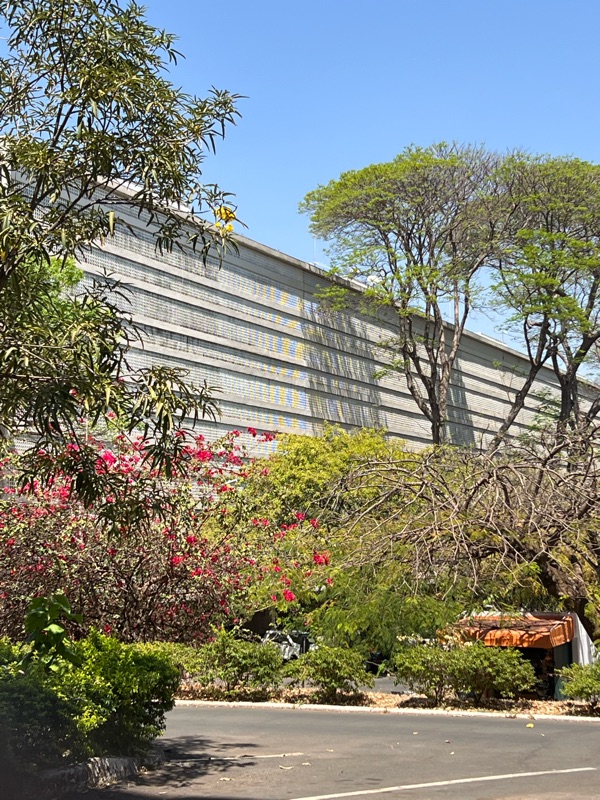
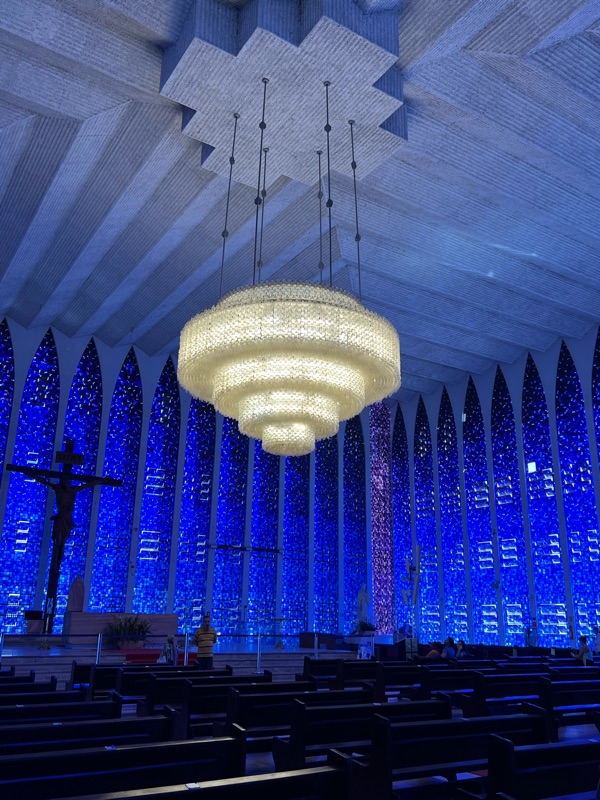
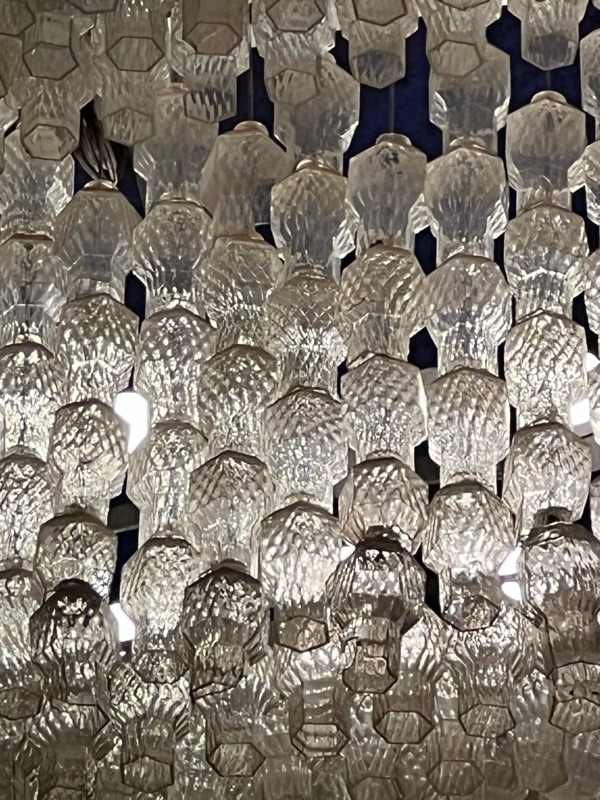
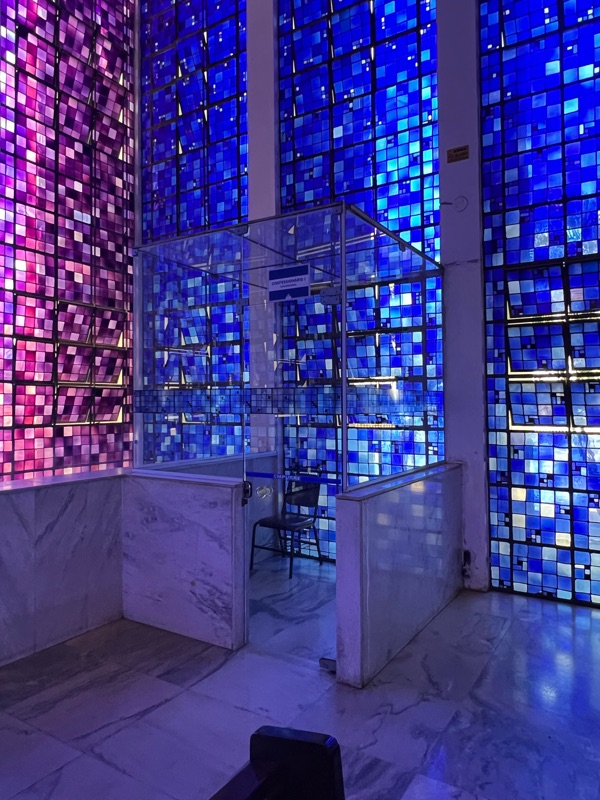
Another modernist church (by a different architect) was the Santurio de Dom Bosco. From the outside it looks like a concrete rectangle, but inside you see that the walls are made of 12 shades of blue stained glass, representing the changing intensity of the sky color. There was also an enormous chandelier murano chandelier. It was magnificent.  Dom Bosco was an Italian priest who had a prophetic dream that a city would be built in the middle of Brazil in the New World and his prediction led to  the creation of the city of Brasilia.  [Note the very exposed confessional in the last photo]


In the afternoon, we had the interesting and unusual experience of visiting a local hospital.  One of the travelers in our group had a minor medical issue. Our tour leader was concerned that we were going be far from medical care in the Pantanel, at least nine hours by car and plane, so she took us to Brasilia’s chic-est hospital as a preventive measure. It turned out there was no reason to be concerned, but it demonstrated the training of the OAT group leaders who need to think ahead about possible disruption to the trip and take preventive action when possible.  So interesting.

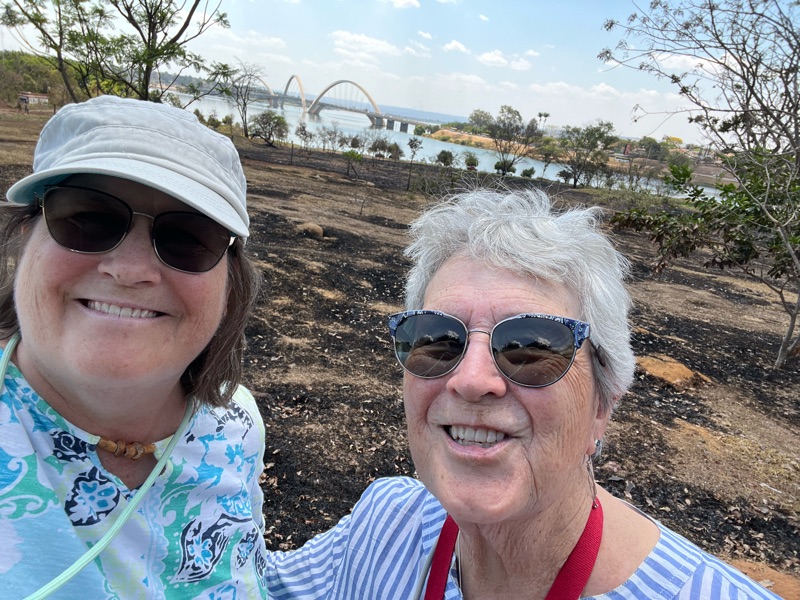
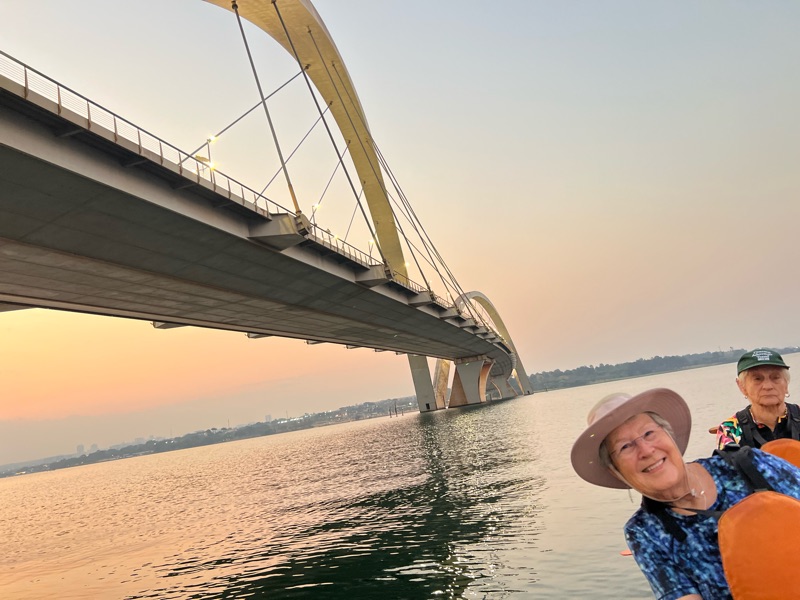
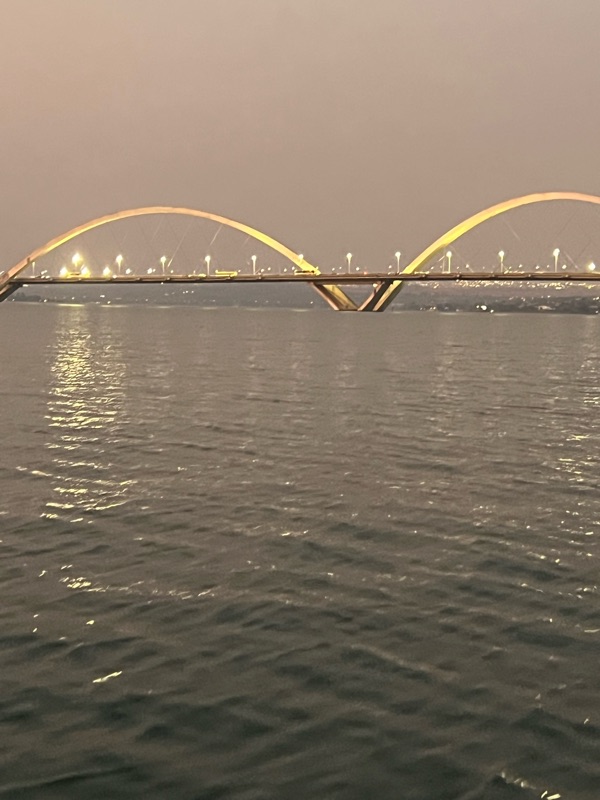
To cap off the day we went canoeing  in two outrigger canoes and propelled ourselves all the way under the “stone skipping bridge”. Lovely views, a sunset and a bit of exercise.  


Back at the hotel, we decided to visit the famous TV tower and elevated restaurant.  We walked through a lovely garden full of fountains lit up at night. Then we had a delicious dinner. It was a perfect way to end our short visit to Brazil's capital city.


Brazil: The Amazon

We landed in Manaus, known as the Gateway to the Amazon, a city of two million people, located where the Rio Negro flows into the Amazon River. It was established in the 1800's to serve the rubber trade and became the world wide rubber capital, run by enormously wealthy rubber barons. Now it is mostly a manufacturing town, and the entry point to the Amazon Rainforest.


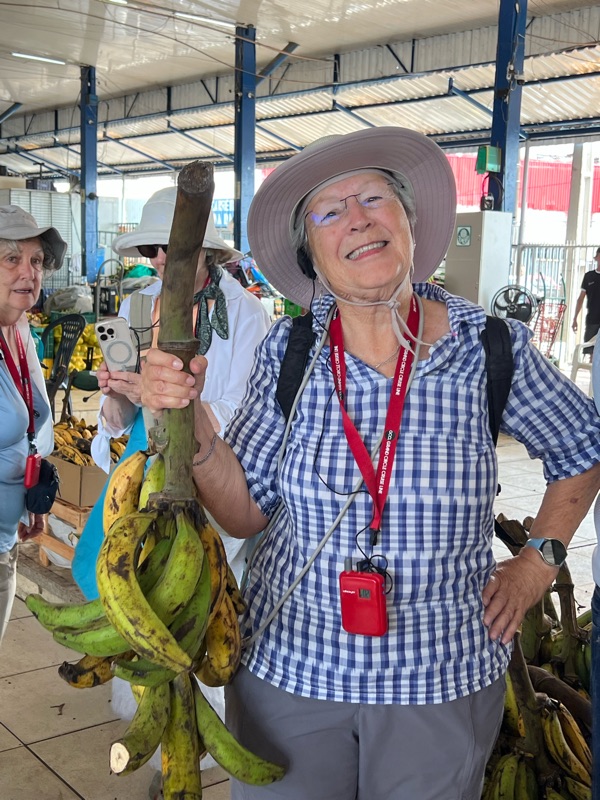
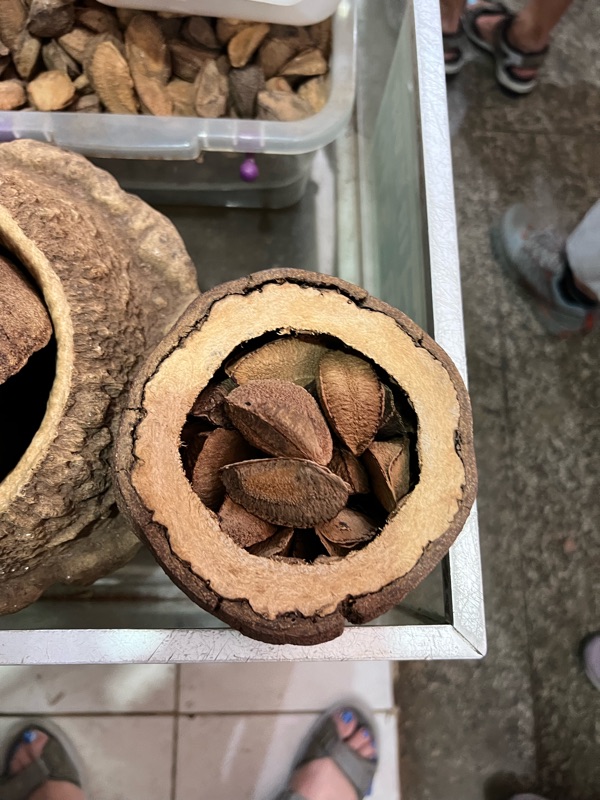
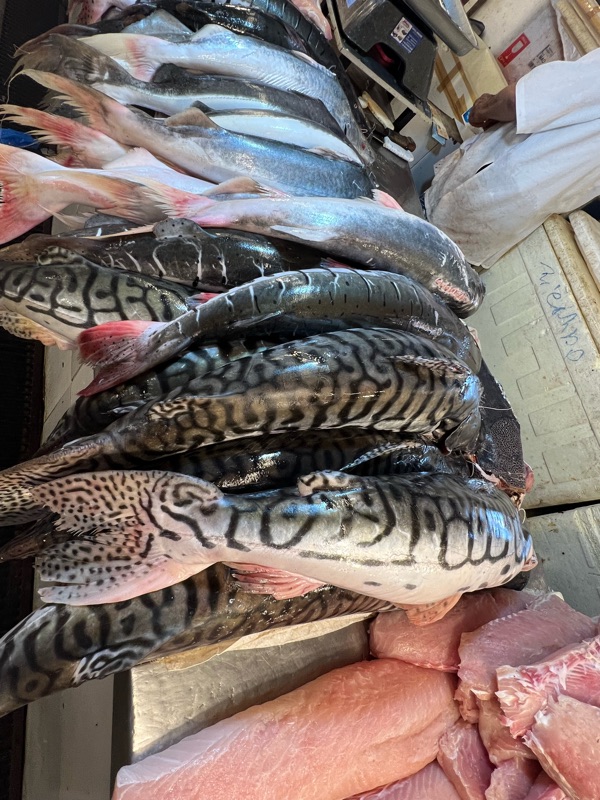
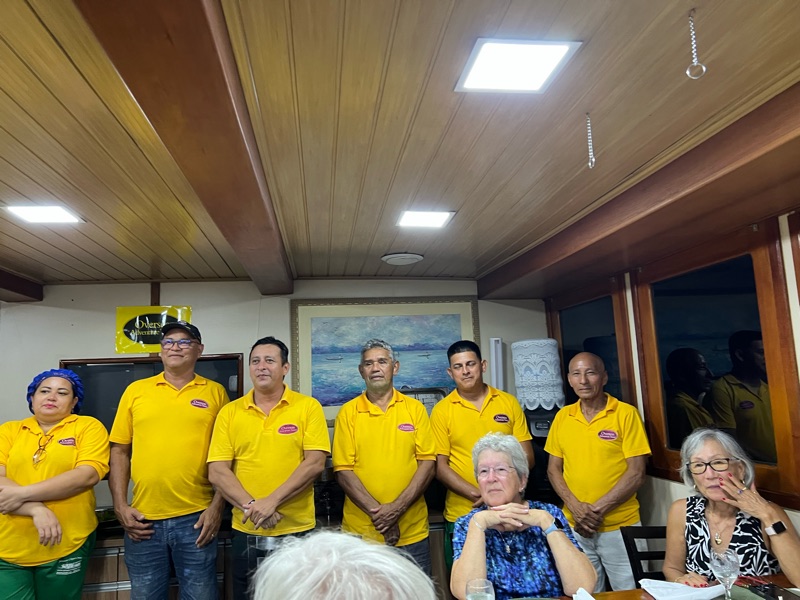
We had an interesting tour of the Manaus markets where we enjoyed seeing and tasting some of our favorite tropical fruits and discovering others. The fish market was also fun, and well stocked with so many  varieties that are quite different from what we see in the store at home.  The people working at the market know that OAT group leaders bring visitors and are generous with tips, so many were prepared to demonstrate how to butcher meat and fish, explain how certain foods are cooked and share pieces of fruit, nuts and other delicacies.


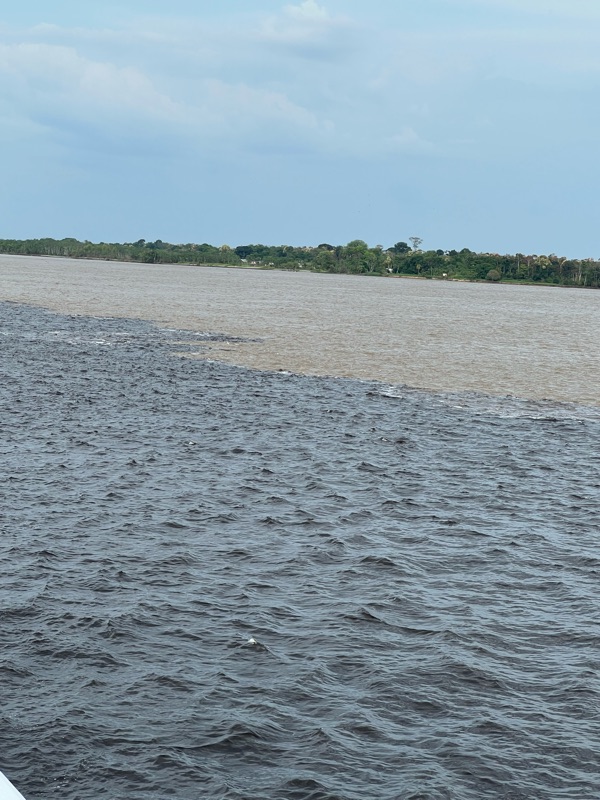
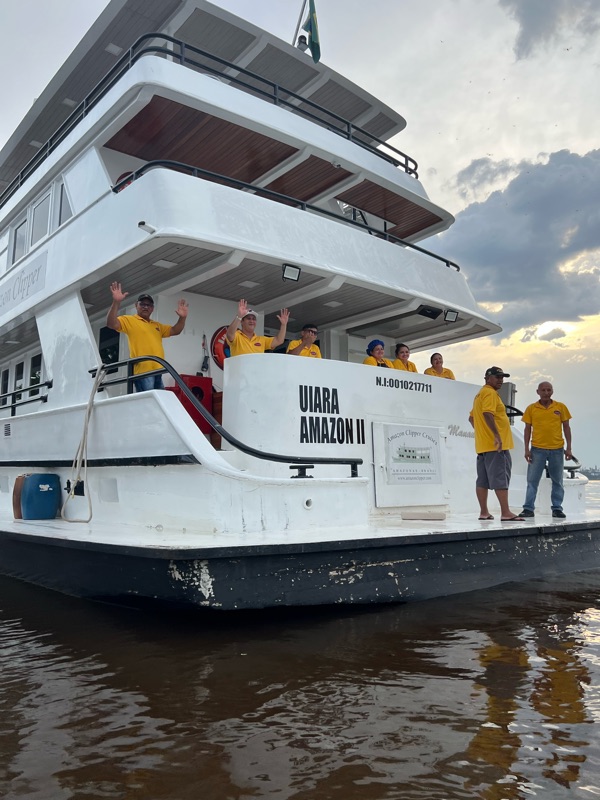
Once on the small river boat that was to be our home for the next four days, we went down the Rio Negro to the famous “meeting of the waters” - where the very fast and muddy Amazon meets the slower, clearer and darker Rio Negro. The water from the two sources flow along beside each other for many miles before the Rio Negro is assimilated into the Amazon. The Rio Negro is dark because of the tannins that leach from decomposing vegetation. As a happy result, it is mosquito- free! We had our first canoe outing, and then proceeded up the Rio Negro for further adventures.


We spent two days on the Rio Negro, visiting islands with indigenous populations, and enjoying the river on the large “canoes,” which are really small open motor boats that hold about ten people, including the driver and the guides.  We took lots of canoe trips (literally morning, noon and night), spotting animals and birds and just enjoying the beauty of the river and jungle.


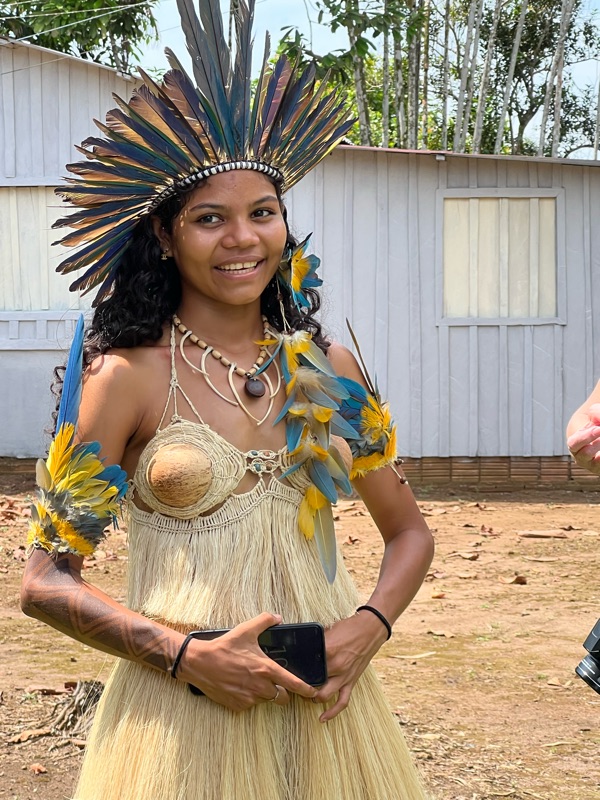
Our first outing was to an indigenous village where the mayors daughter showed us around in her hand made traditional costume.  She also showed us a traditional dance while we waited out a rainstorm.


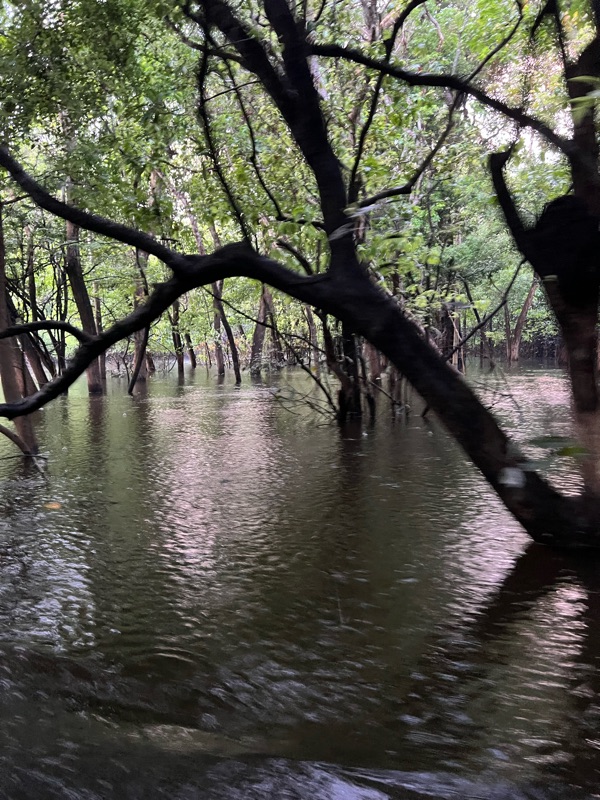
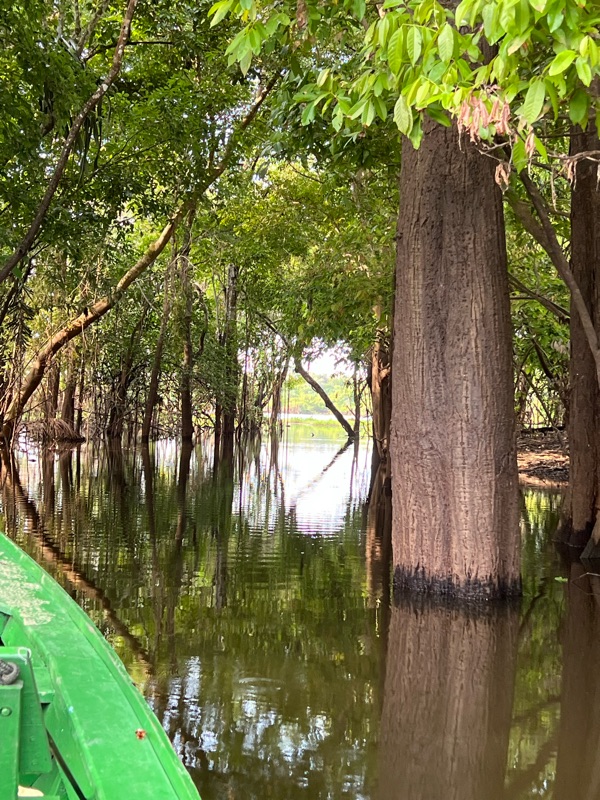
The difference in water level between peak flood and low water is about 40 feet - we were there right in the middle in September, so we navigated among partially drowned trees and flooded islands. It was a little mind blowing to see the evidence of that enormous difference in water levels. Most of the dwellings we passed were raised on platforms or else situated on high river banks.


Some of the key highlights of these trip were:


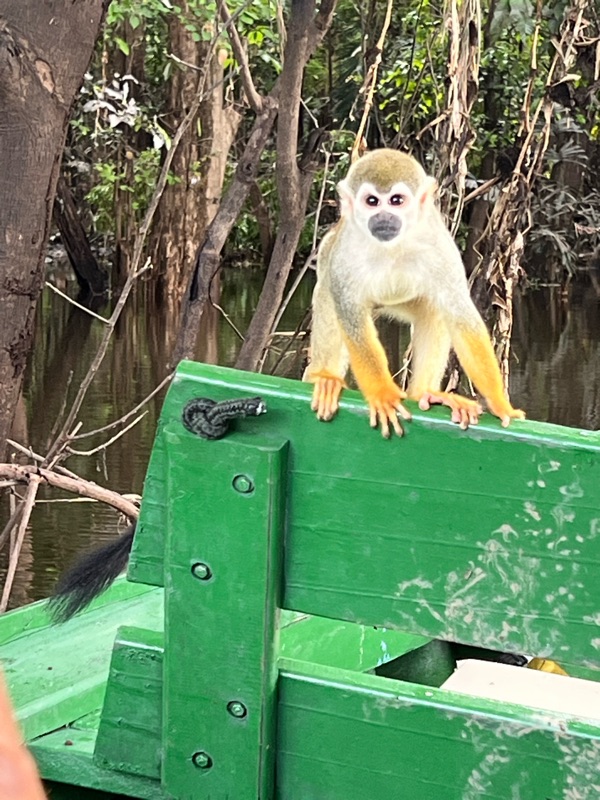
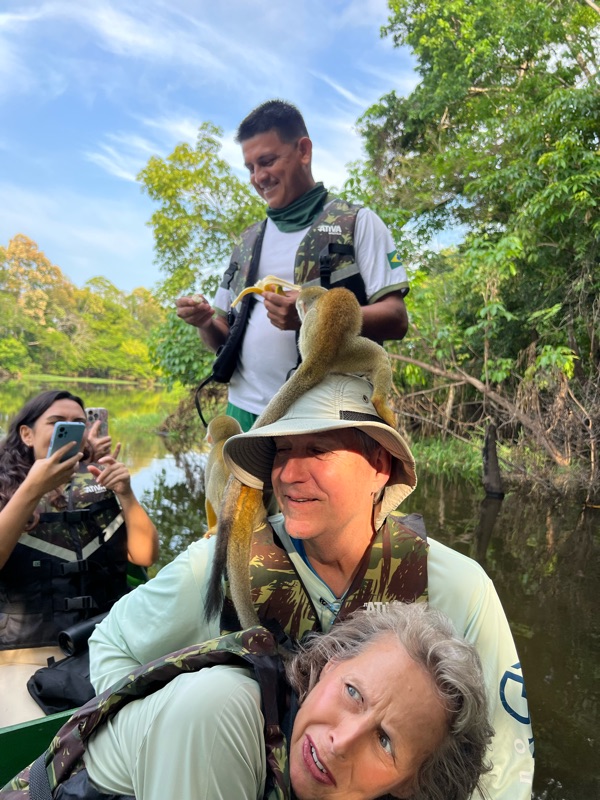
Spider monkeys that jumped down from the trees onto our canoe, where they were rewarded with treats.


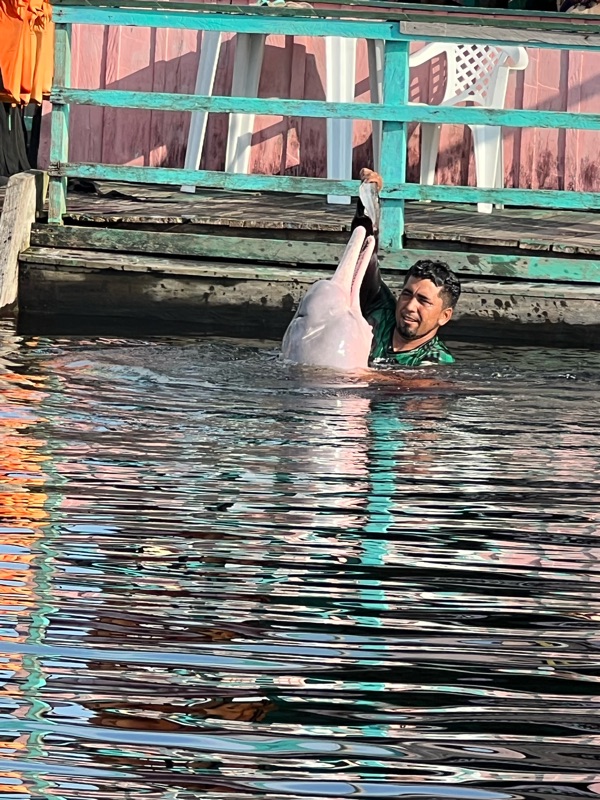
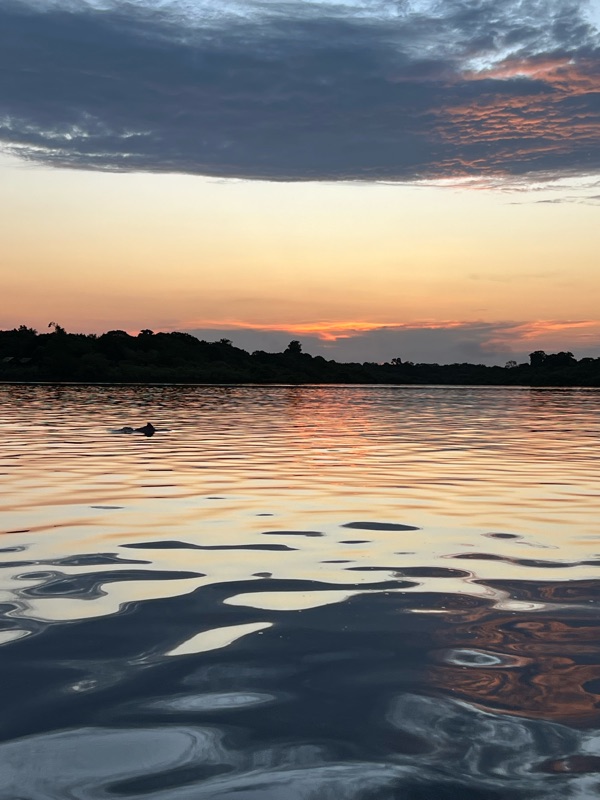
Pink river dolphins, enticed with fish by a friend of the local guide to leap out of the river to catch fish so we could see them. As well as grey dolphins at sunset.


Baby caimans and tarantulas, hiding among tree roots at night, found by the local guides who searched for them with flash lights.


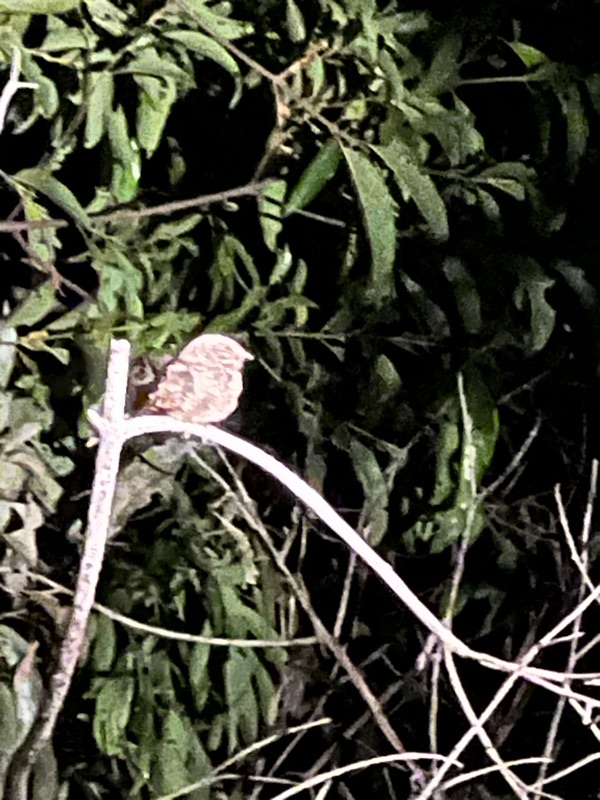
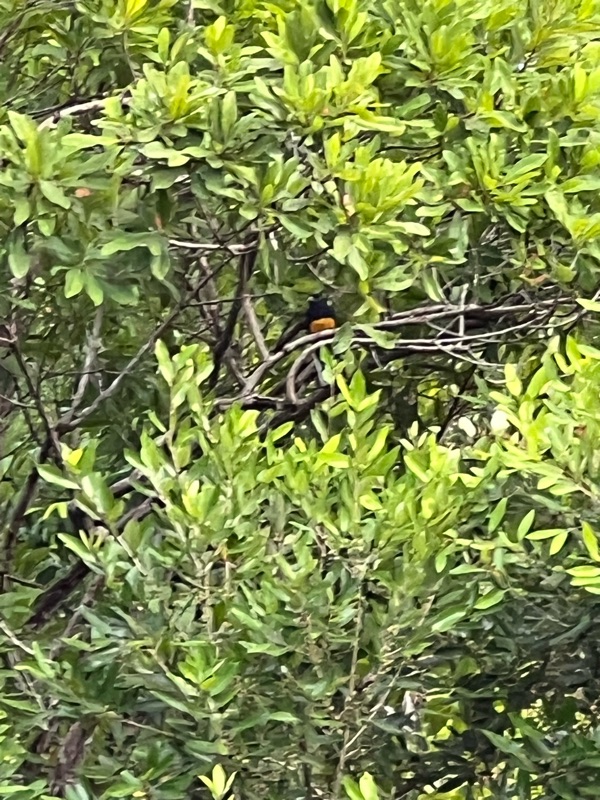
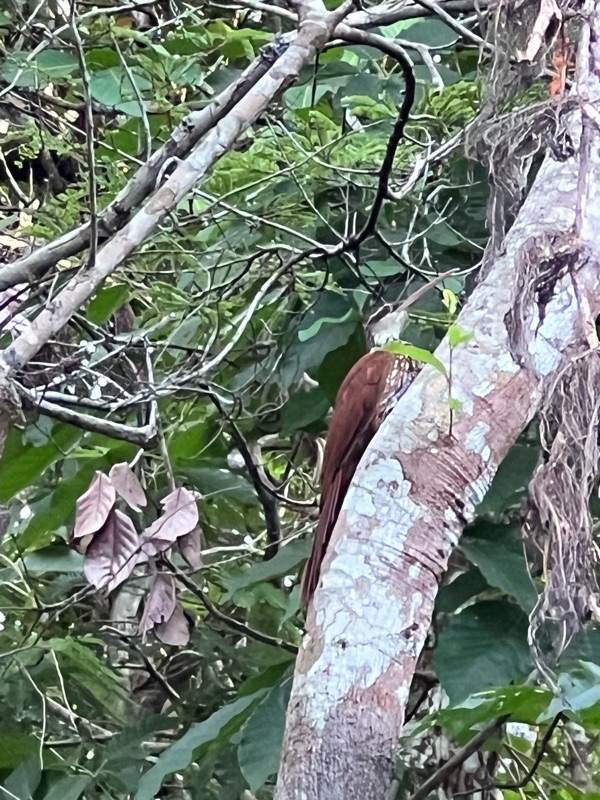
Lots and lots of lovely birds.


We also went swimming off the back of the river boat, after making sure that we did not have any open cuts or sores to attract the piranhas!


On our last night on the boat, we learned to make caiperhinas with cachasa (the local rum). Combined with a spectacular blood red moon, it made for a lovely evening.


60-60-60 - The Forces of Wind and Water

​ WIND and WATER While volcanoes and earthquakes throw up new features on the landscape, wind and water mold rock into fantastic shapes to c...