One of the themes we explored on our cross country trip was the many trails of westward expansion through out the 1800s. Starting with Lewis and Clark, followed by the Pony Express, and the settler trails (the California Trail, Oregon Trail, Santa Fe Trail, the Mormon Trail), all demonstrated the hope and determination of hundreds of thousands of people looking for something better.
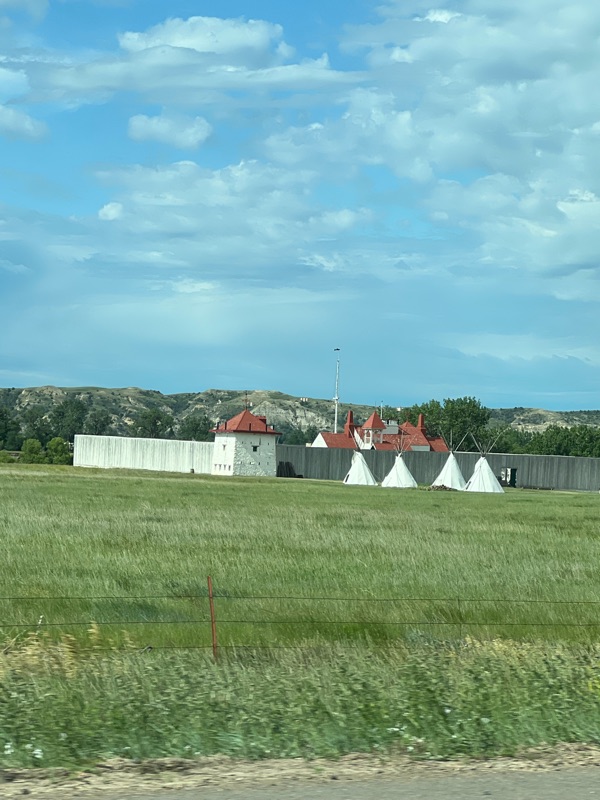
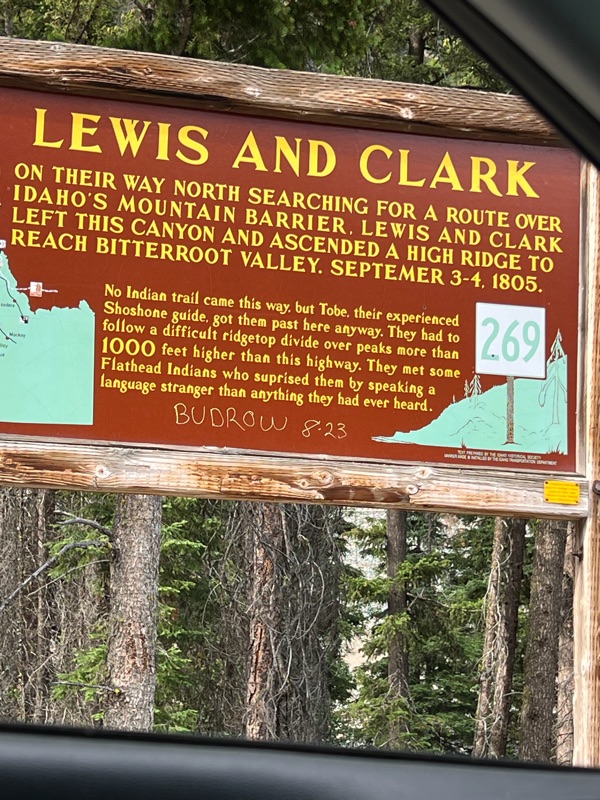
Our first encounter with the Lewis and Clark trail was in Big Bone Lick State Park in Kentucky, where Lewis and Clark met to begin their exploration of the west, commissioned by Thomas Jefferson. We were able to follow these early explorers of undaunted courage through the Fort Union Trading Post, the Lost Pass of the Bitterroot Mountains where they almost had a premature end to the expedition, and down the Columbia River, stopping in Dismal Nitch where once again the local tribes saved them, Cape Disappointment and Fort Clatsop on the Pacific Coast where they wintered before returning East. We felt their struggles as this small but mighty team opened up the Northwest to American interests.
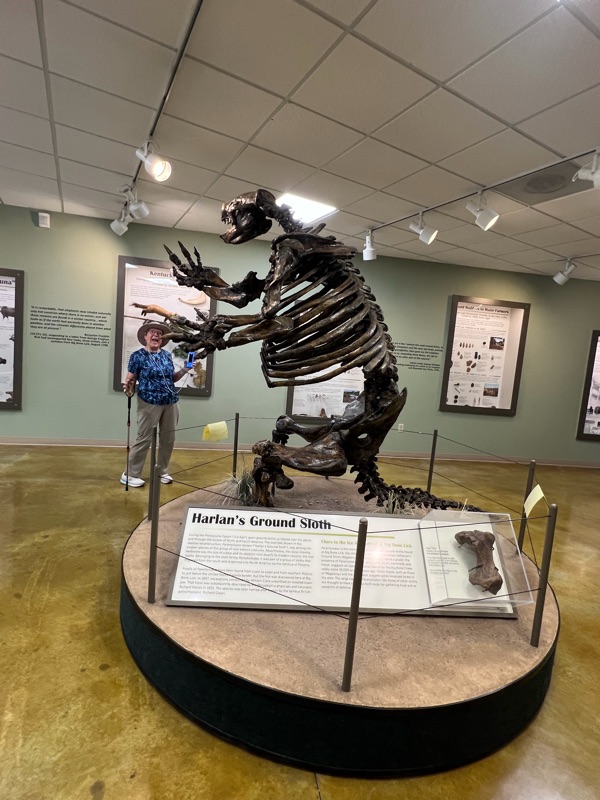 Ruth and the Giant Sloth

Although Big Bone Lick was a State Park, so it didn’t count in our NPS sites, it was a not to miss stop. It is the site of the first paleontological excavation in North America, commissioned by Thomas Jefferson and carried out by Willaim Clark in 1807. There was a large salt lick there that attracted mammoths and mastodons as well as many other animals who had become trapped in the marshy earth. We loved the museum with all the fossils and enjoyed walking out to the fields where there were buffalo grazing, well, mostly chewing their cuds or sleeping.
The next thread was the Pony Express, which looms large in our minds, but was actually just a fleeting incident in time. The Pony express operated for less than two years (April 1960 to October 1861), occupying the gap between identifying a need for communication with California following the Gold Rush, and the establishment of telegraph lines two years later. There were about 200 relay riders, about 80 of them riding at any one time, using about 4-500 horses and 184-190 stops. They covered the journey from St Joseph, Missouri to San Francisco in just over a week. During the entire period of its operation, there were no incidents of interference or aggression with the Native tribes. We visited a tiny Pony Express Station House in a small town in Colorado. It had equipment used by the riders and information about the lives of the riders and how the transfer stations operated.
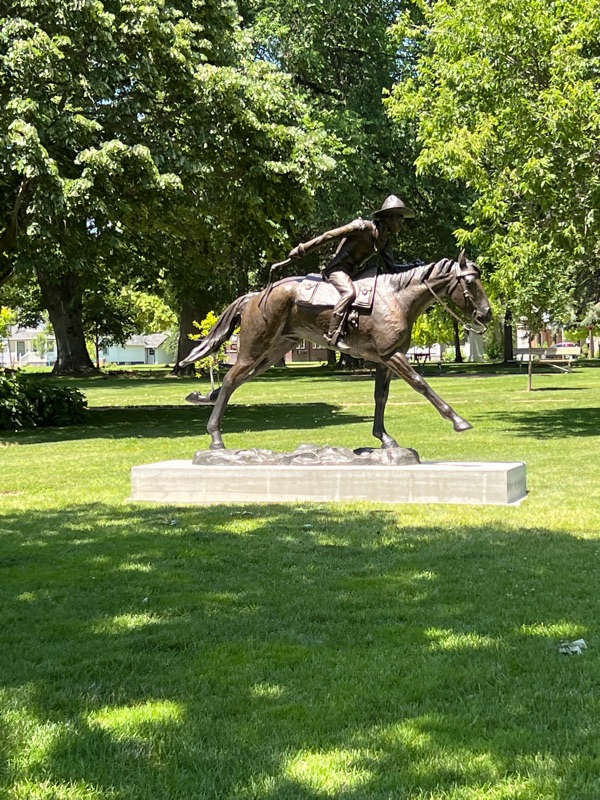
The World's Smallest Museum?

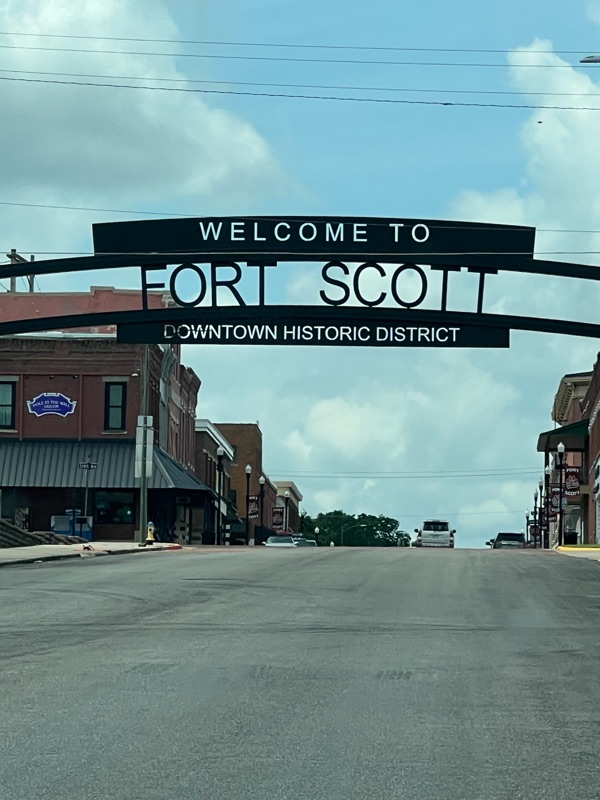
We spent quite a lot of time at sites related to the various trails that settlers took on their journeys west. Fort Scott in Kansas was the first of the western forts that served as a launchpad for settler trails heading to Oregon and Utah, as well as Santa Fe and California. The Fort supplied escorts to a certain extent but was more a place for final preparations.

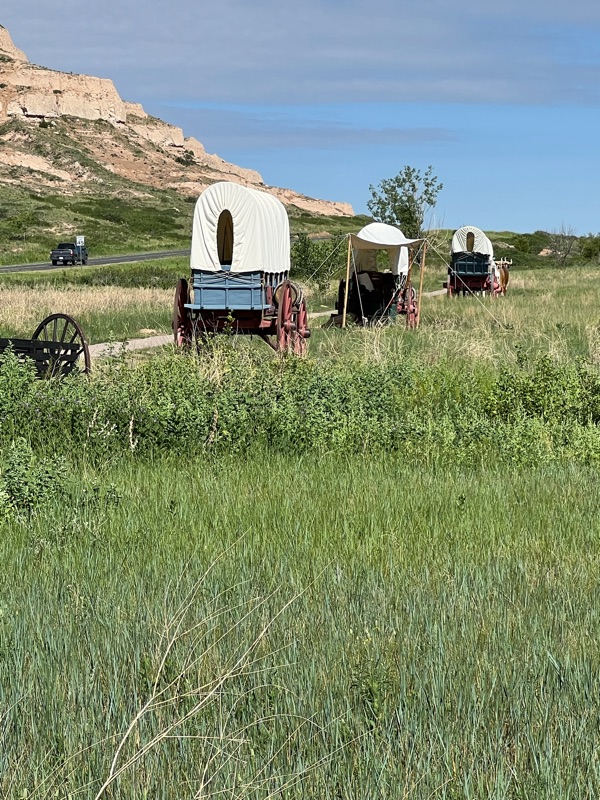
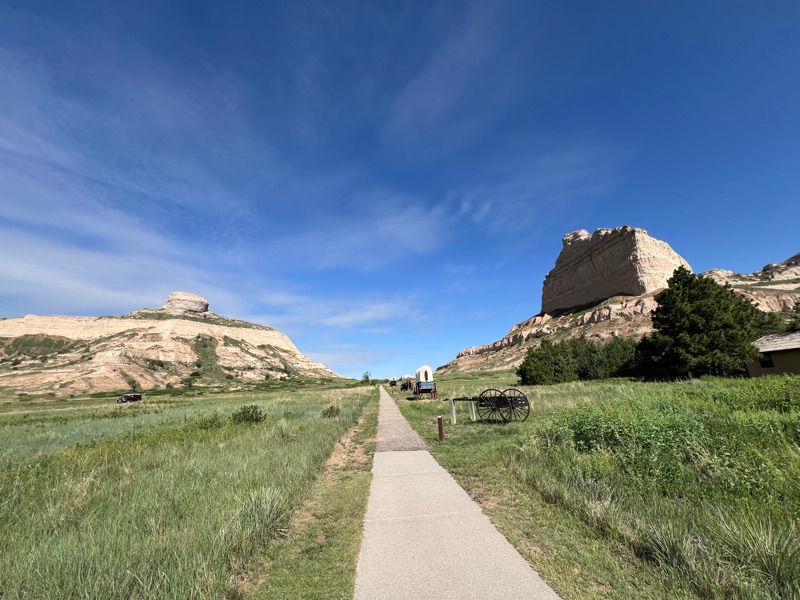
At Scott’s Bluff in Western Nebraska, we saw examples of the different conveyances that were popular on the trails and learned more about how difficult and painful the journey was. It is estimated that on average 10 people died for every mile of the trail - or about 20,000 people over the 2000-mile journey. Scotts Bluff was a major milestone to settlers going west, because the 200-foot bluff above the North Platte River could be seen on the horizon for days. It was located about a third of the way to California and was the gateway to the Mitchell Pass through the mountains. It was a beautiful place. A winding road went up to the top of the bluff, where there were trails with lovely vistas of the surrounding prairies.
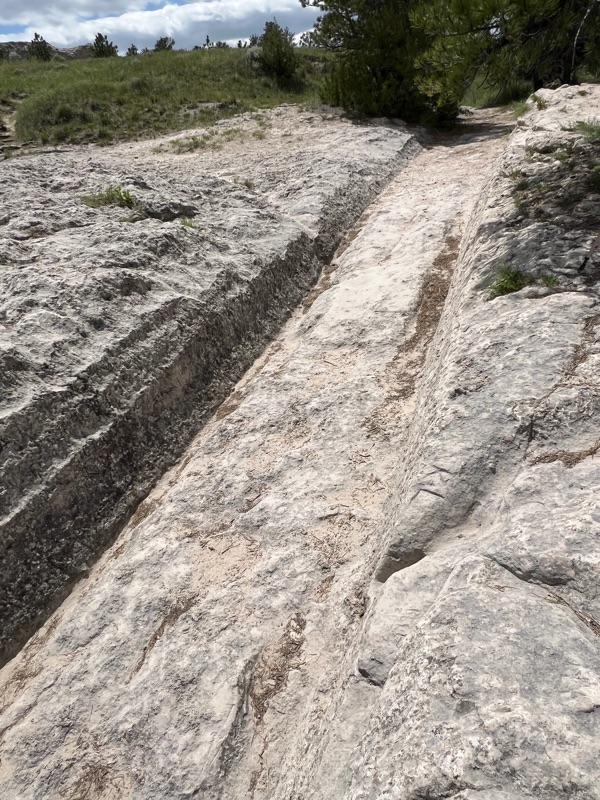
After Scott’s Bluff, the four major trails diverged, Santa Fe and California headed south while Oregon and Mormon kept due West. We followed the Oregon Trail to Fort Laramie, WY (where many of the exploitative treaties with the Native peoples were signed), and we saw our first trail ruts and Register Rock at a WY state park! We saw additional ruts at Hagerman Fossil Beds and the City of Rocks, and also learned about other side trails that led to ruin in Craters of the Moon - all three parks are in Southern Idaho.
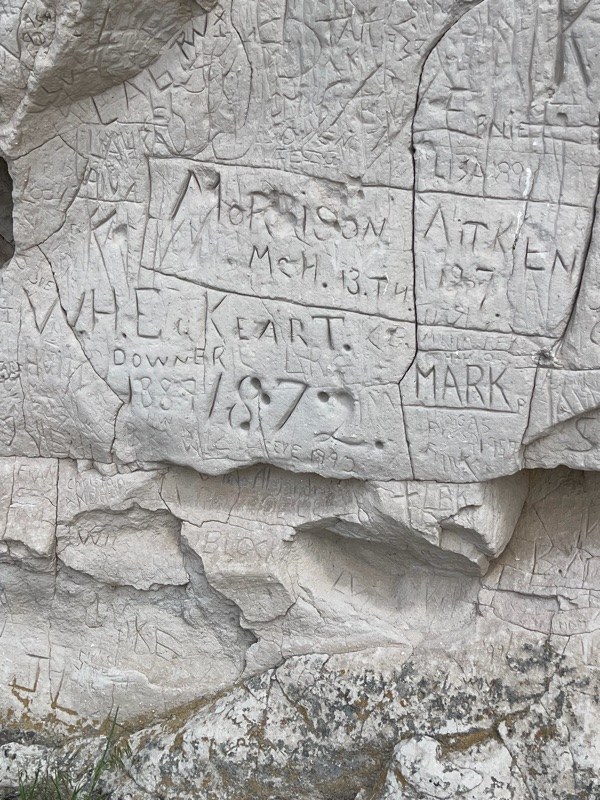
Popular westerns depict these journeys as incredibly difficult and dangerous - which they were. Those dangers came almost entirely from the environment, not from Indian attacks. Movies also portray the typical family traveling in Conestoga wagons - which is a myth. Those large wagons were used mainly by the Army or large companies - it took a team of at least four oxen to pull them, much more expense than the average settler could muster. Individual families were more likely to use much smaller wagons called Prairie Schooners or carts that were pulled either by a one or two oxen or mules, or the settlers themselves. Almost everyone walked because riding was very uncomfortable and they needed to conserve energy of the animals or themselves.
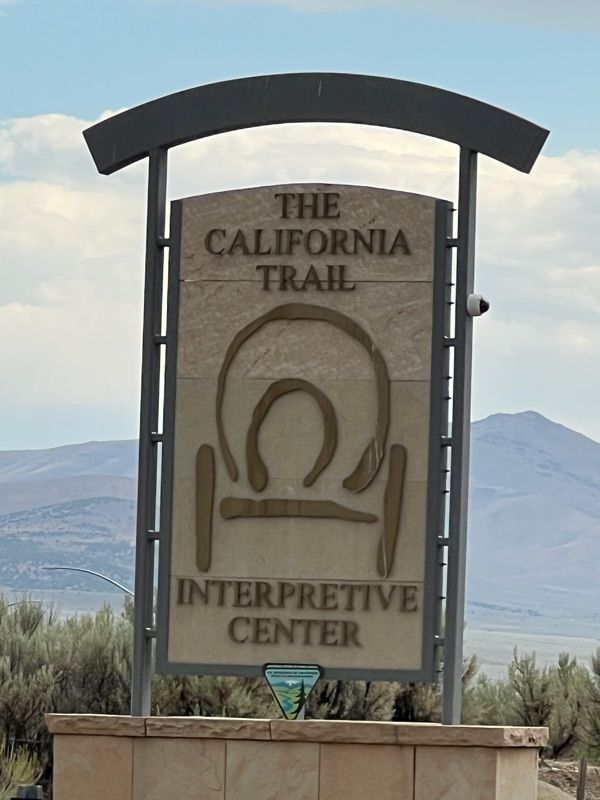
Our favorite trail interpretive center was run by the Bureau of Land Management in Nevada. In addition to many dioramas depicting scenes of life on the trail, this excellent California Trail Visitors Center had a simulation of a store for buying trail supplies, which we enjoyed. (Shopping list below).
In southern Colorado and northern New Mexico we visited a number of sites commemorating the Santa Fe Trail. Bents Old Fort and Fort Smith along this trail worked to keep commerce flowing along the disputed US/ Mexican border. As this trail was more about trade, keeping the peace among the Indian populations was a high priority. Old Bents Fort, in particular, was a privately owned fort that was essentially a trading post, and an important, and relatively luxurious stopping place for traders and travelers to the southwest, because it had beds, water for bathing and well-cooked meals, as well as necessary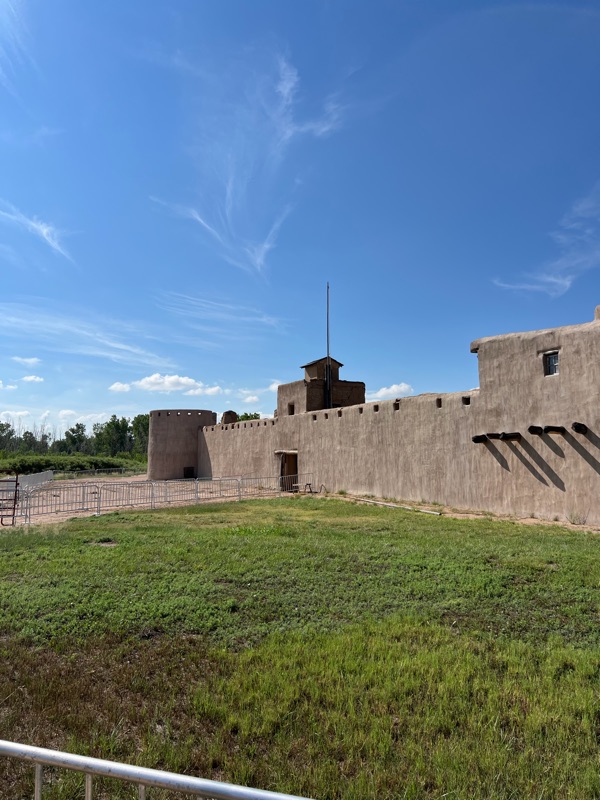
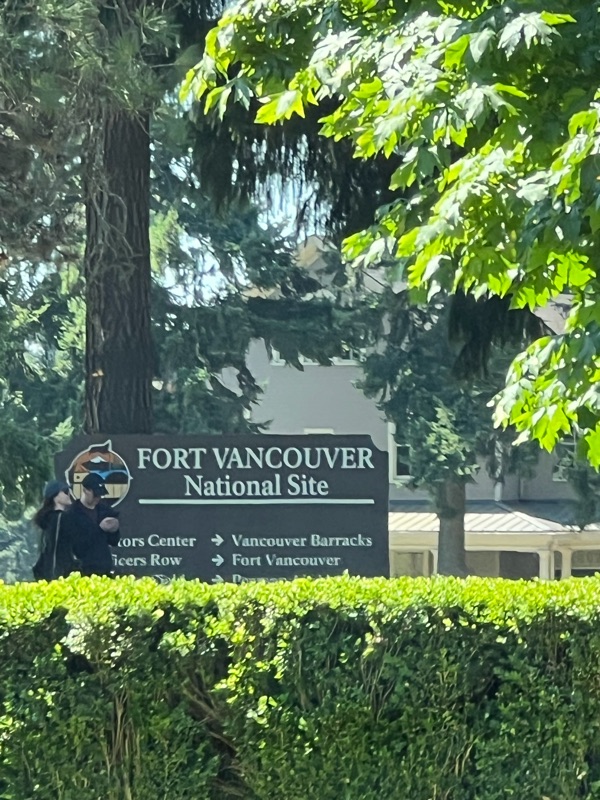
One of the most interesting stops on the Oregon Trail was Fort Vancouver at the very end of the trail, in Vancouver, Washington, across the river from Portland OR. When the first exhausted and starving settlers arrived at this well-established Hudson Bay Company fur trading post, which was at that time still a British territory, the Company’s rules required that they be barred from entry. The fort superintendent realized that these few were the beginning of a flood that was not going to stop and needed to be welcomed. He lost his job as a result, but the flood of settlers permanently changed the whole northwest, eventually making it an American stronghold.

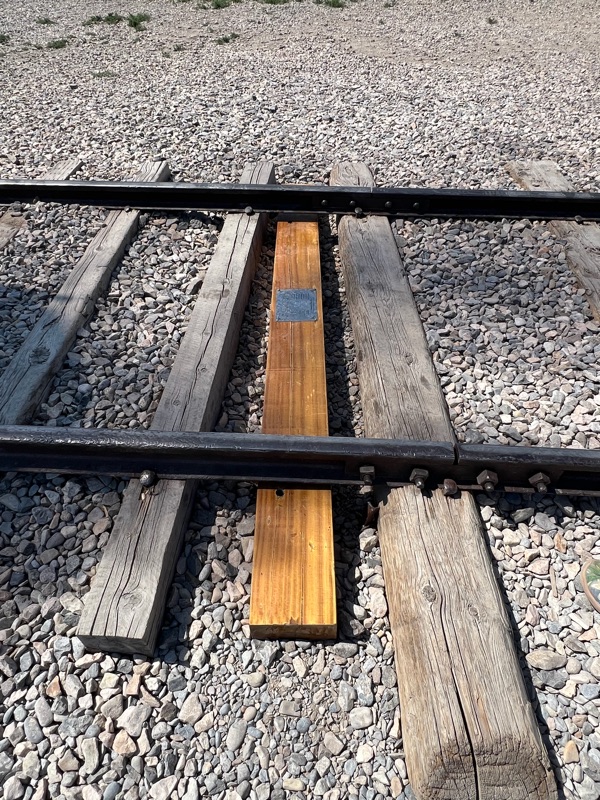
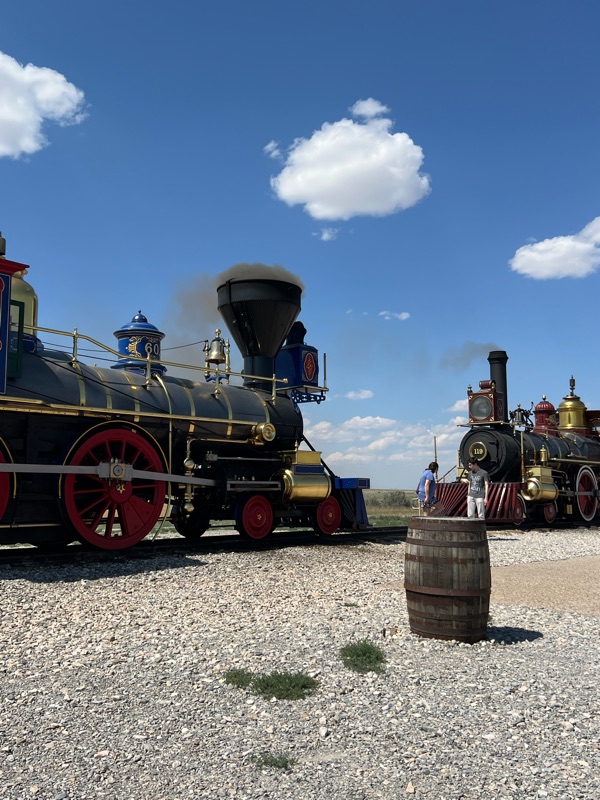
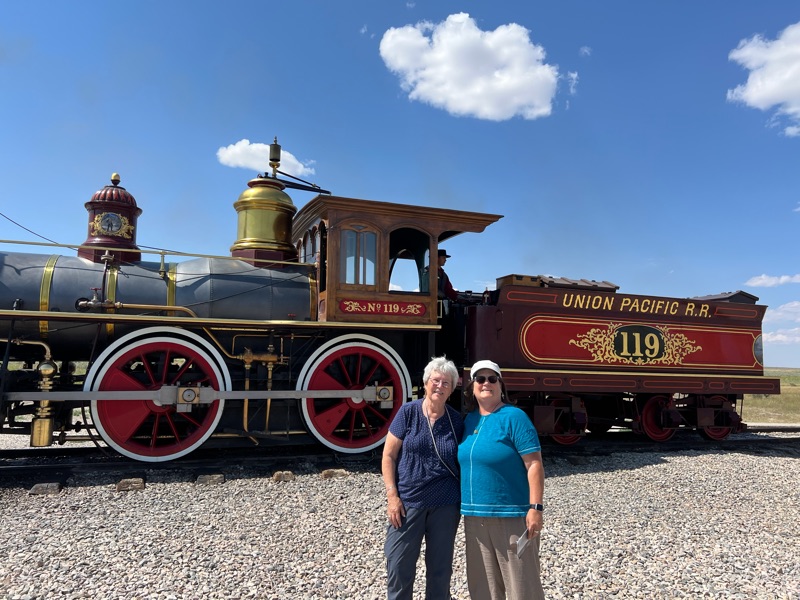
Golden Spike is the Park in northern Utah commemorates the event that put an end to the need to walk if you wanted to go west. It marks the spot where the eastern and western branches of the railroad lines that united the country were joined. The completed track resulted in much faster transit across the country and the end of the arduous journey on the wagon trails. Here we saw replicas of the two trains that first met at this place. They are driven daily to the juncture where the original golden spike was hammered in to join the tracks. We watched them, puffing steam, go back to their barns along sections of the original track at the end of the day. The Visitors Center provided a lot of information about the difficulties that each railroad company encountered in building the track, especially the one coming from the west, which had to go over the mountains.
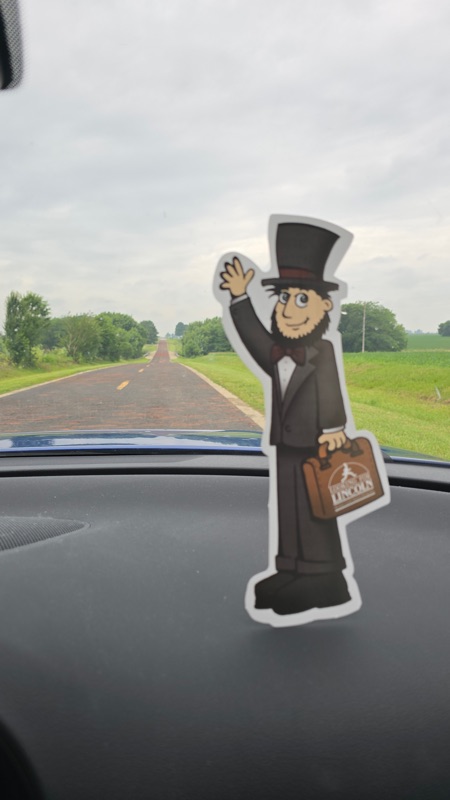
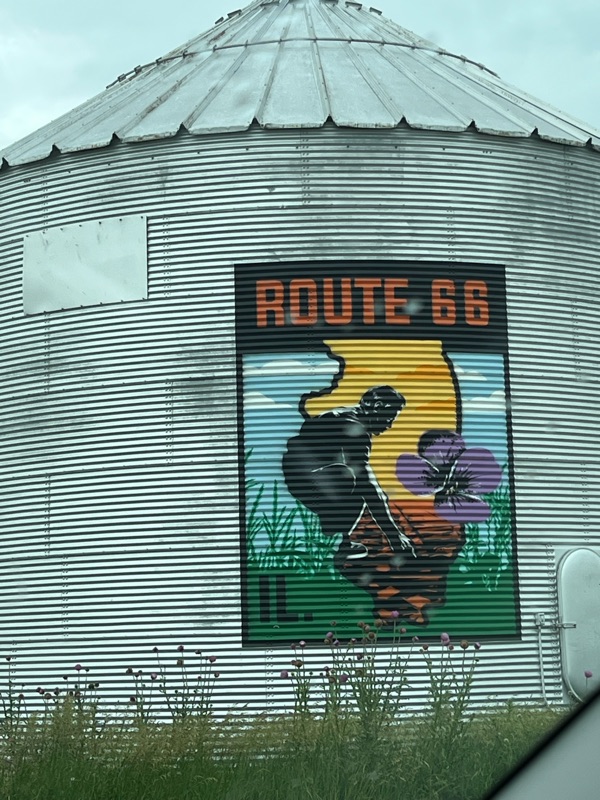
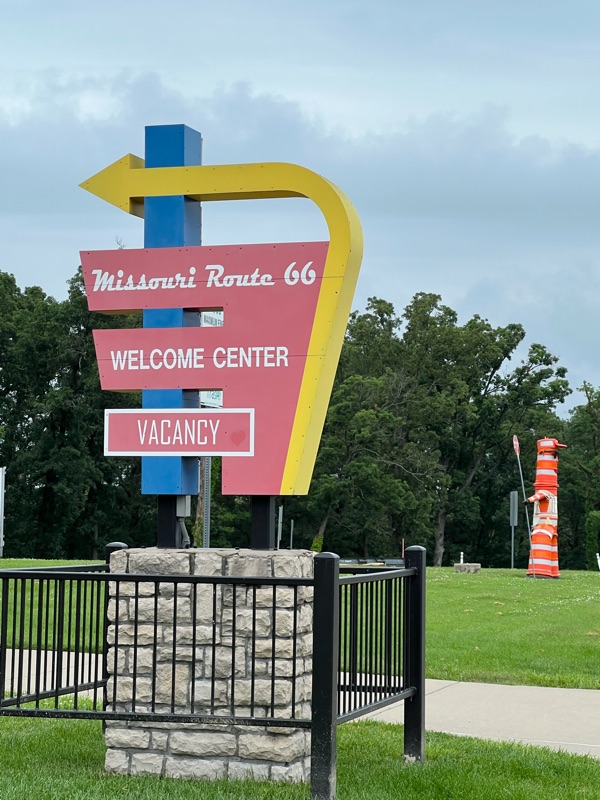
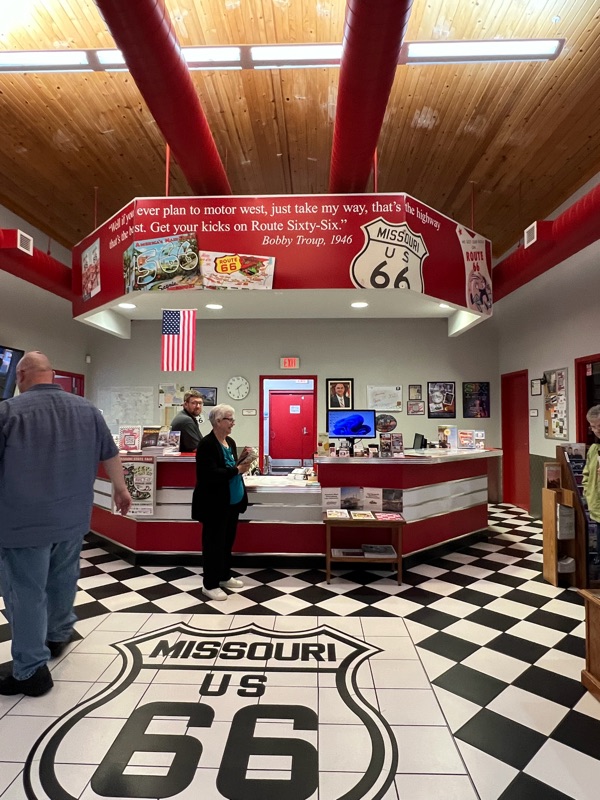
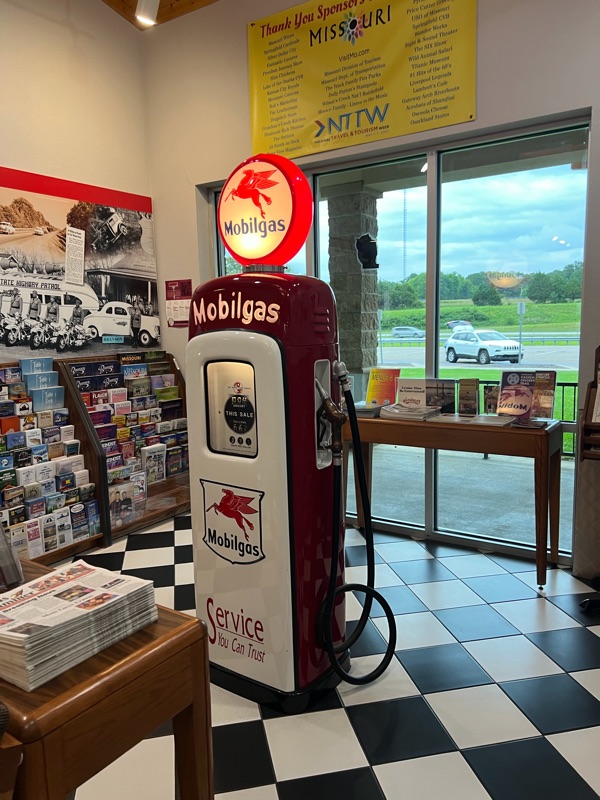
One last “trail” that we followed in IL, MO, AZ and Oklahoma, was Route 66. Almost 80 years after the end of the wagon trails, Americans still looked for adventure by heading West, and many of them did it on Route 66. We drove along many sections of the original route, identified by roadside markers, and we even saw a stretch of the original red-brick road in Auburn, IL, as well as a variety of roadside attractions that featured gas station and roadside memorabilia from the 50’s and 60’s, the peak of the Route 66 era. The road was actually known as the “Road of Hope” in the 1930’s as people took it west to escape the Dust Bowl in the center of the country. The road still captures the imagination with easily recognized icons of our addiction to our cars and chrome. A fitting trail for our epic journey.



No comments:
Post a Comment