On Thursday, we spend the day touring the city of Riga. While we had already seen a lot of the city on our own in the last day and a half, by seeing it with a guide, we now understand a lot more! We also visited the Museum of Occupation which helped us to understand more of the history of Latvia’s relationship with Soviet Russia.
We learned things like:
The 825 year history of the city includes being part of the Hanseatic league in the 1300's. Iconic buildings like the Three Brothers date from this period and have become a symbol of European cultural preservation.

While touring the Art Nouveau District, we learned that there are three different styles of Art Nouveau architecture. The Ecclectic Decorative style which is the most common in Riga, as well as the Naturalistic and the Perpendicular styles. Riga has more than 800 Art Nouveau buildings which are one of the key reasons the whole Old City is a UNESCO World Heritage Site.


The city of Riga is built on sand, which is why there are no tall buildings in the city center. It creates a wonderful Old World atmosphere.
There were so many Russian soldiers and emigrants in Latvia in the 1950s and 1960s that less than half the population even spoke Latvian. This is why Latvia now has a strong focus on their unique culture, and speaking Latvian is a an important cultural touchstone. Although children learn Russian, English and German or Swedish in school, they mostly speak Latvian. Former Russians must pass a language and history test to gain citizenship in Latvia, a policy which nearly prevented Latvia from being accepted in the EU.
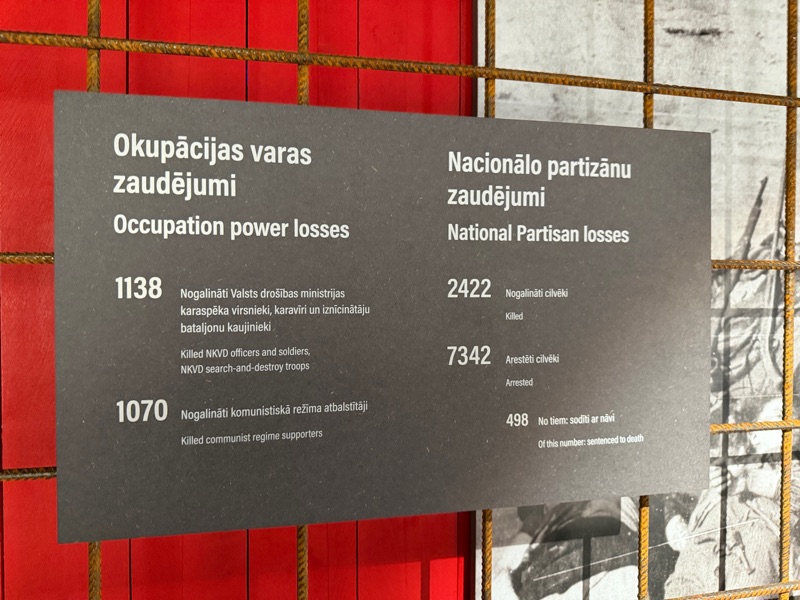
Given how harsh Soviet control was for Latvia between WWI and 1939, Latvia regarded Nazi Germany as liberators in 1941. Even though thousands were killed and sent to concentration camps, the Nazis were not as oppressive as the Soviets, which is why the Latvians (as well as Estonians and Lithuanians - the other two Baltic states) were especially resistant to Soviet rule after WWII. A hatred which continues to the present day.
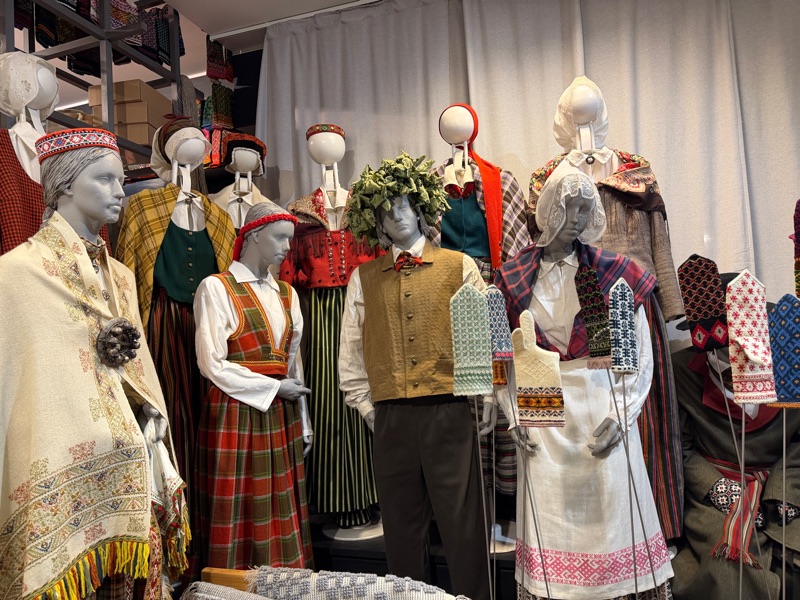
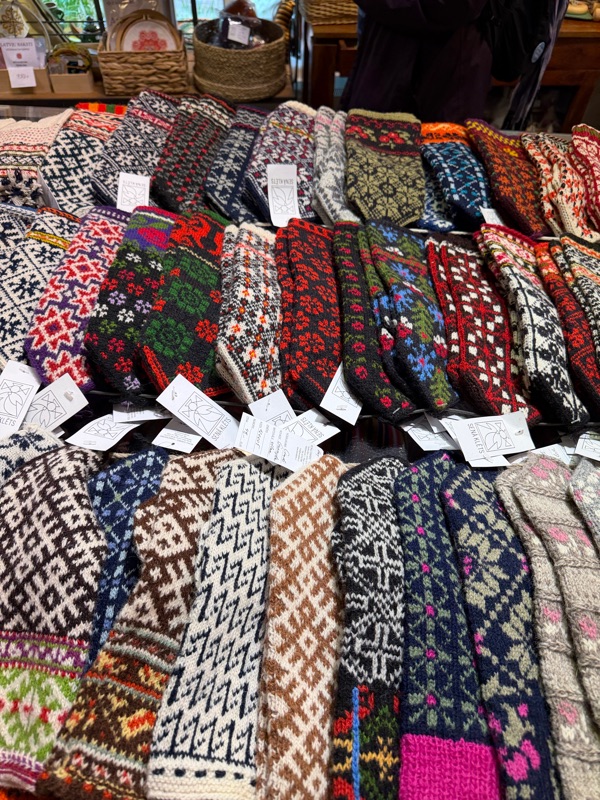
Preserving Latvia culture is very important to local people here. We visited a shop dedicated to preserving the hundreds of traditional patterns used in different areas of Latvia. The shop had models of many of the various costumes. You could buy mittens in every pattern.
- We learned a lot about 20th century Latvian history and the reasons behind the current strong Latvian support for Ukraine at the Museum of Occupation
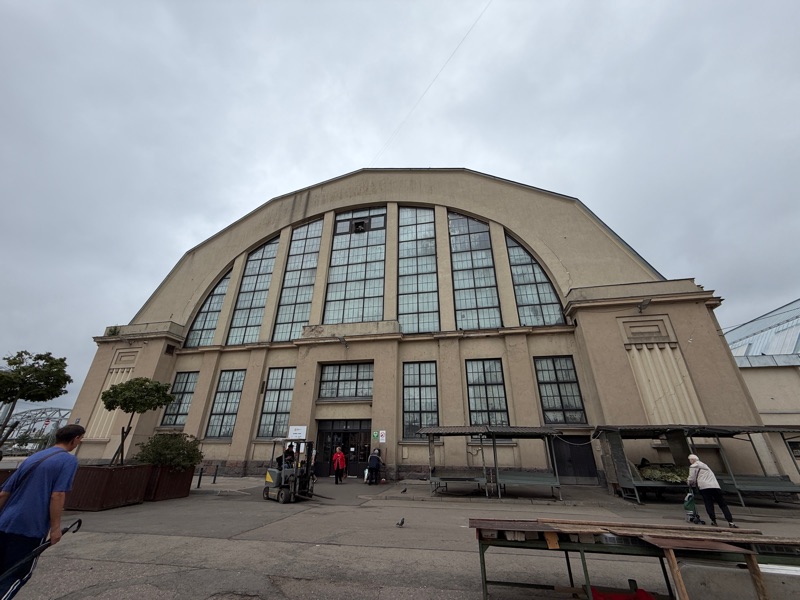
It seems that no OAT trip is complete without a visit to a market, and this is no exception. An interesting feature of the Riga Central Market is that the four huge Halls were originally built to store Zeppelins in WWI. It was the cleanest and least crowded of any markets we have seen anywhere.
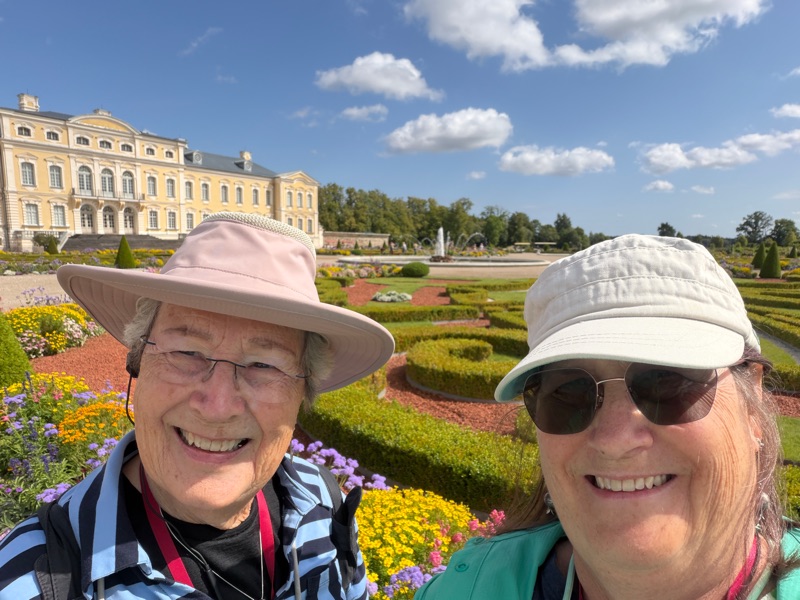
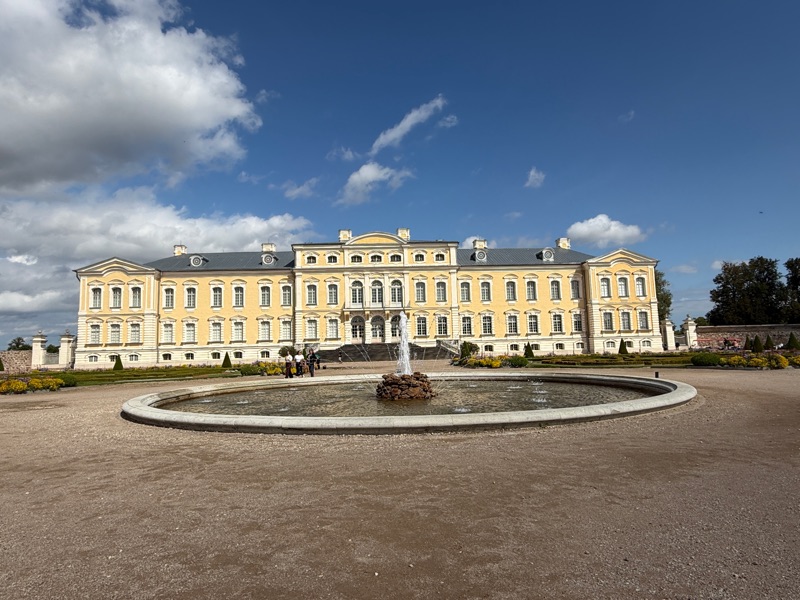
To round out our experience in Latvia, on Friday we headed south to visit the former Duchy of Courland and the Palace of Rundale. The beautiful palace is the only original building remaining from the Italian architect Rastrelli, who was famous for designing many of the great palaces of Russia. It was beautifully restored, with especially impressive stucco work. We also enjoyed wandering in the expansive palace formal gardens - which won “best maintained historical gardens in Europe” in 2024.
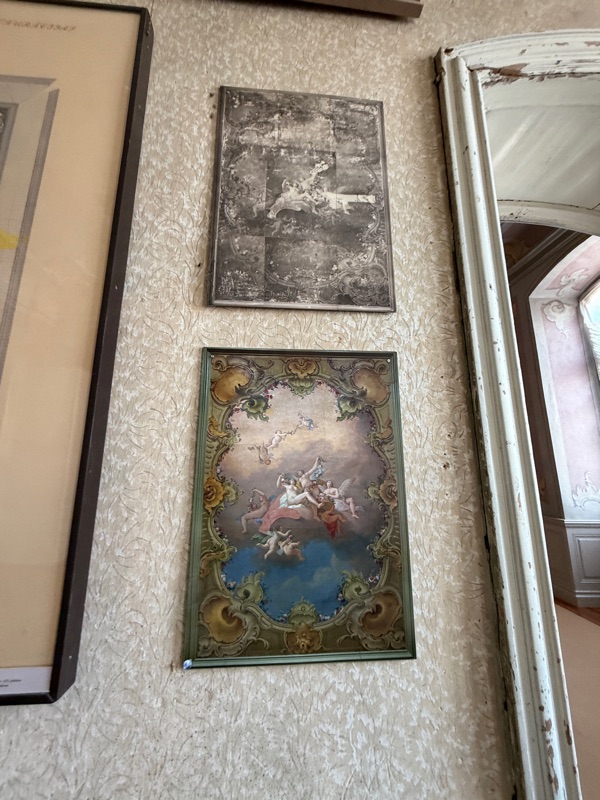 before and after photos of the restoration
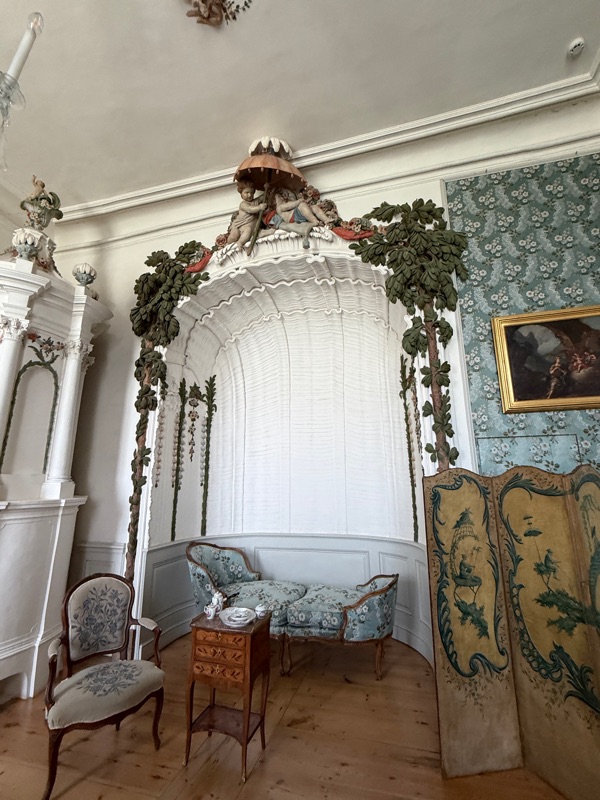 elaborate stucco work
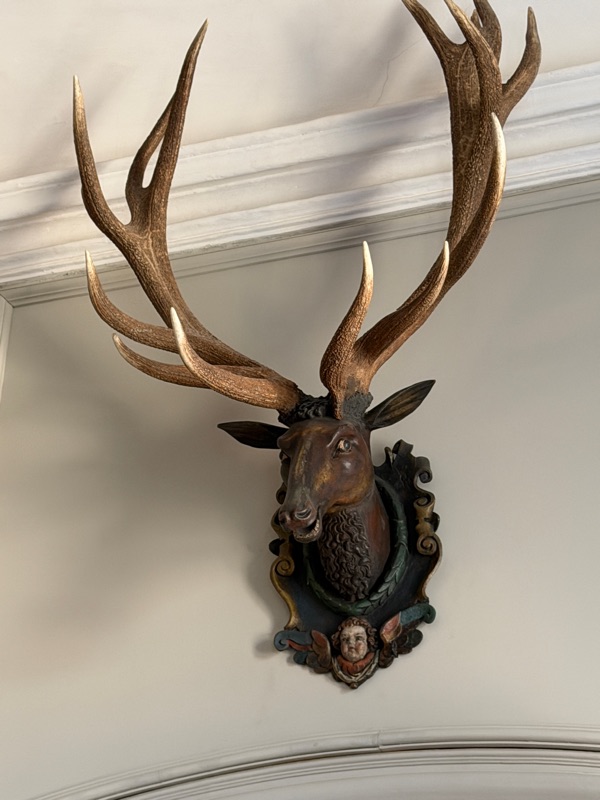 wooden deer heads to show off the antlers
lovely gardens




I had no idea that there were three different styles ..
ReplyDeleteWhich of the three you mentioned were your favors .. were they that distinct? I think the Eclectically Decorative style is the one most are aware of .. LOVE that art!
Thank you for sharing your adventures with us. Beautiful pictures. Stay safe and well, Liz
ReplyDeleteBeautiful photos with wonderful and tantalizing descriptions ! 😊
ReplyDeleteThe historical details and current "feelings" are valuable and basic to appreciating what you are seeing - and sharing. BUT-
that Zeppelin hanger- market building is almost overwhelming ! 👌
SO BIG ! Thanks again, 💕 Jackie
Love the Latvian mittens! Liz Turner
ReplyDeleteSo very beautiful.
ReplyDelete