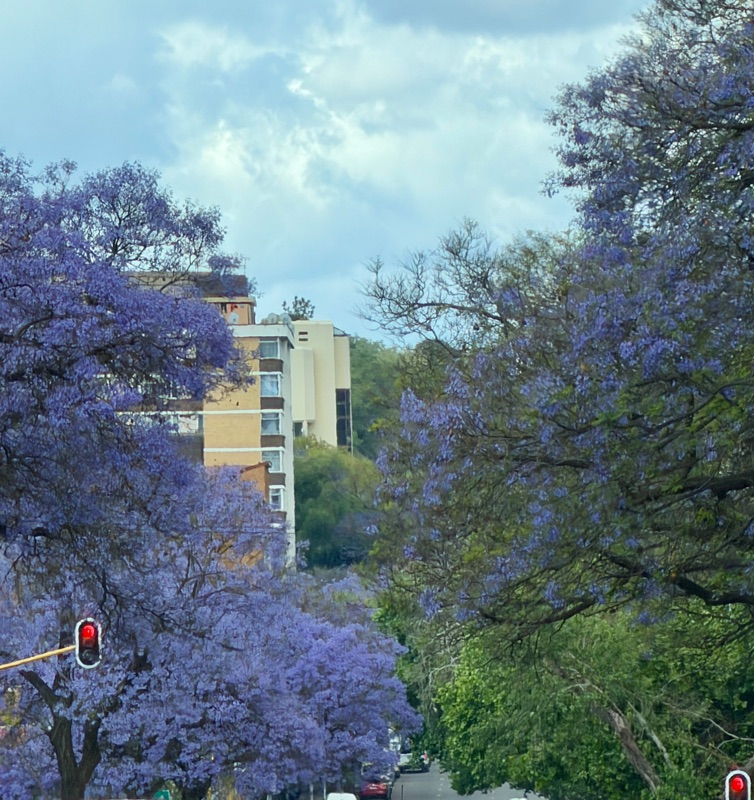
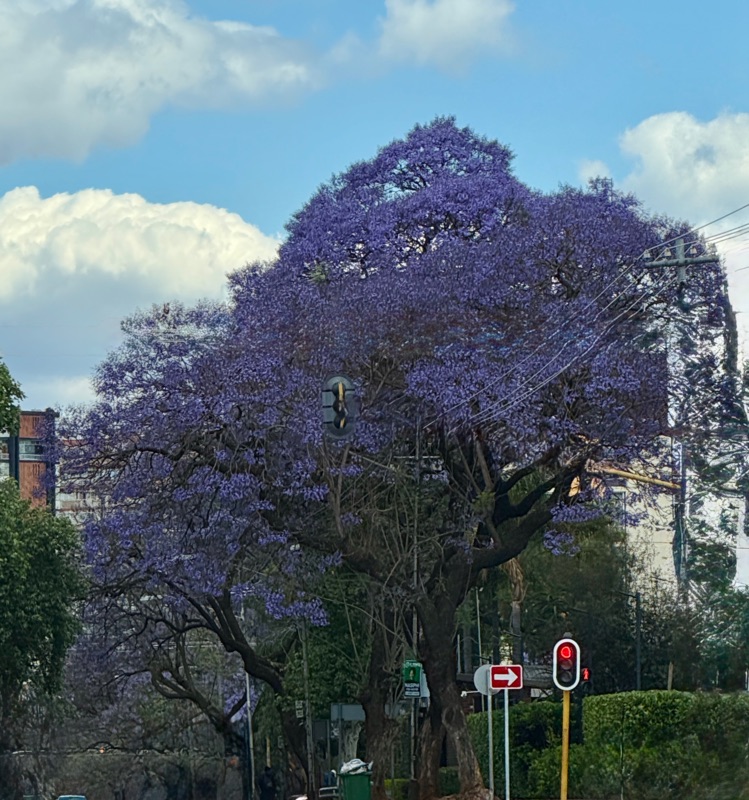
Today we met a few of our traveling companions and took a tour of Johannesburg together. Our guide was a white South African woman named Lucille who provided a lot of insight and history that complemented yesterday’s tour well.
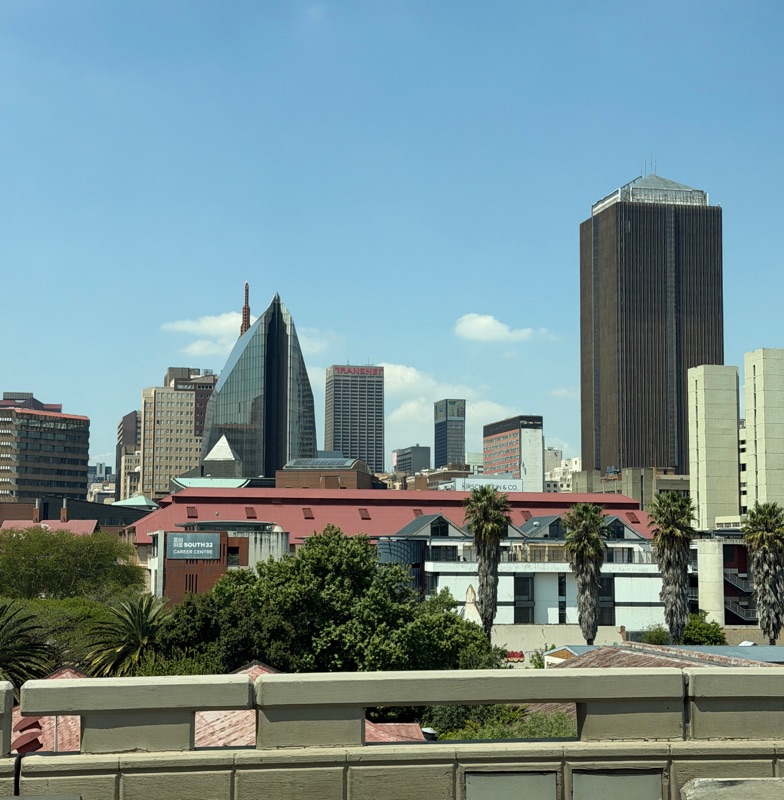
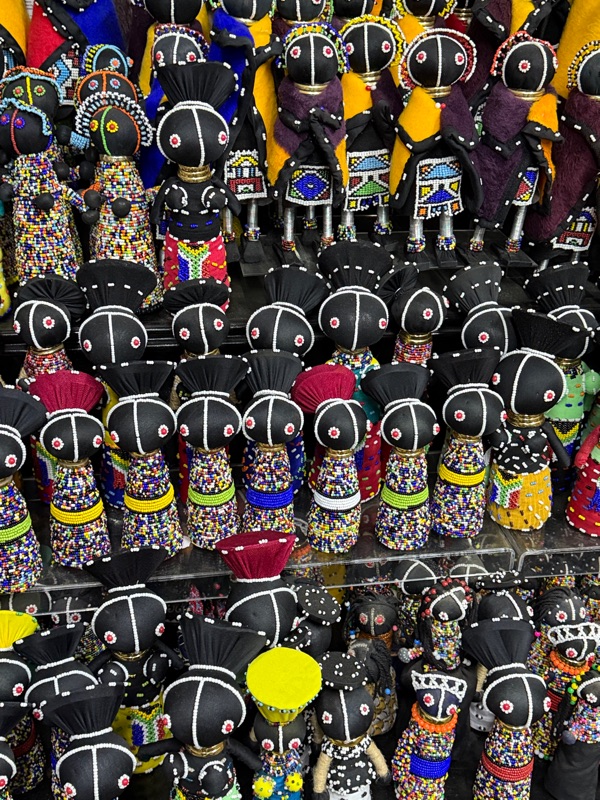
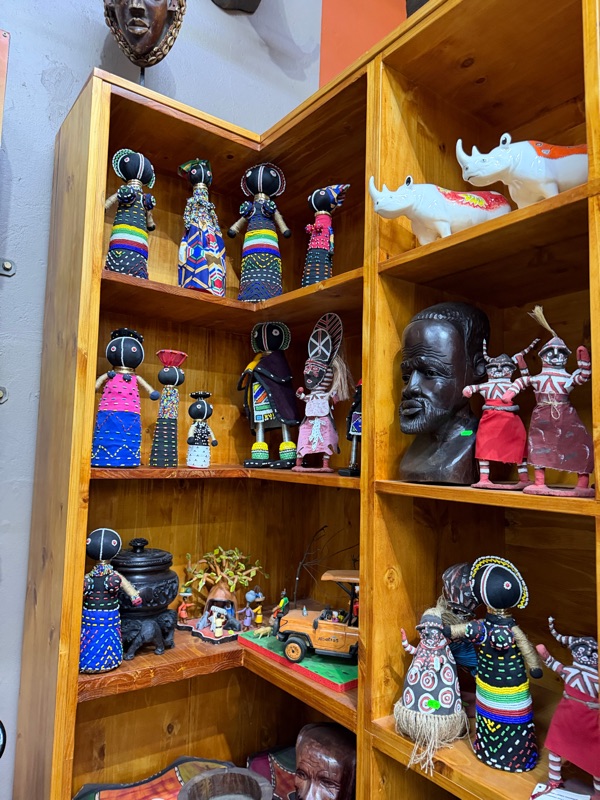
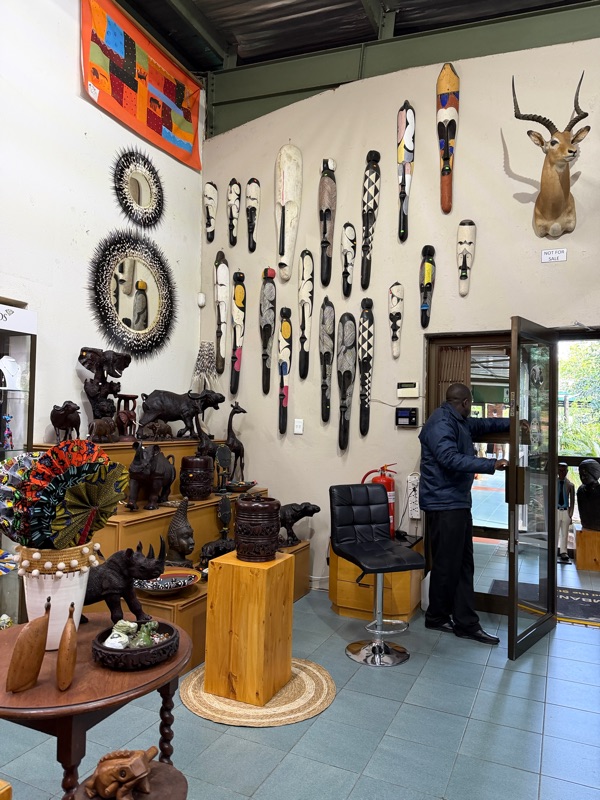
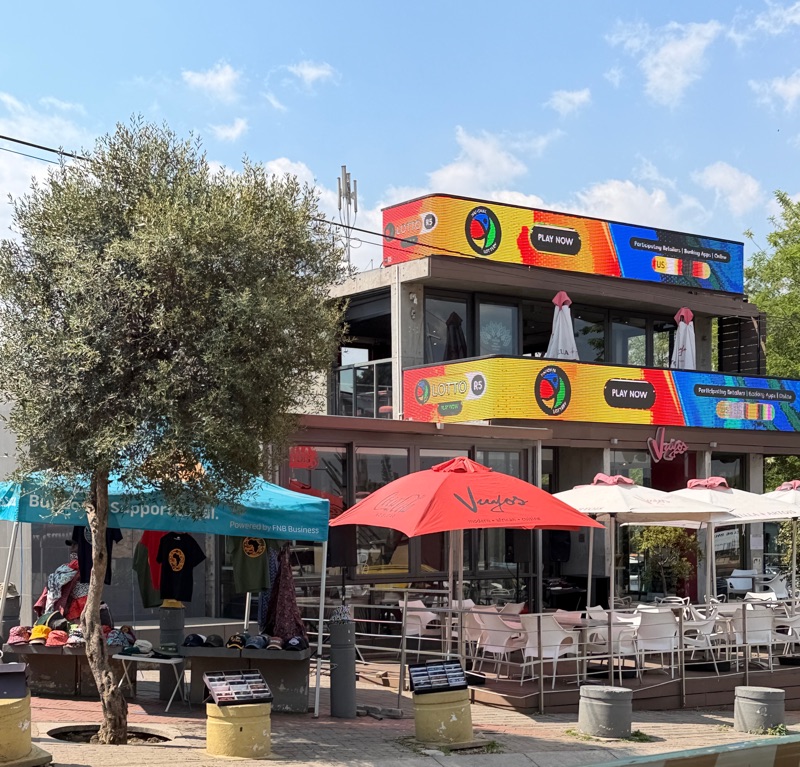
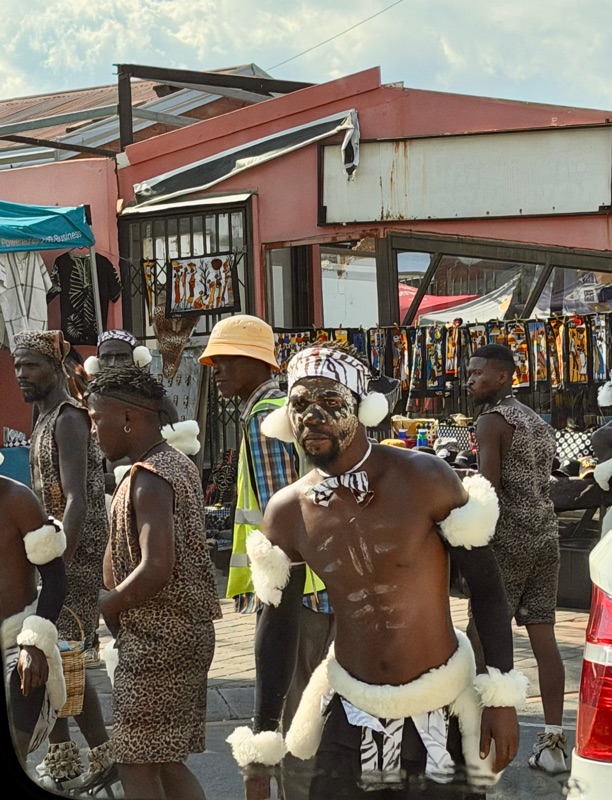
After driving through the downtown area of Johannesburg , we enjoyed spending time at a very high quality and inexpensive craft market. They had an incredible array of products. It was hard to resist getting some treasures, but since it is our first stop on this tour, we got out with only one doll and some Tanzanite.
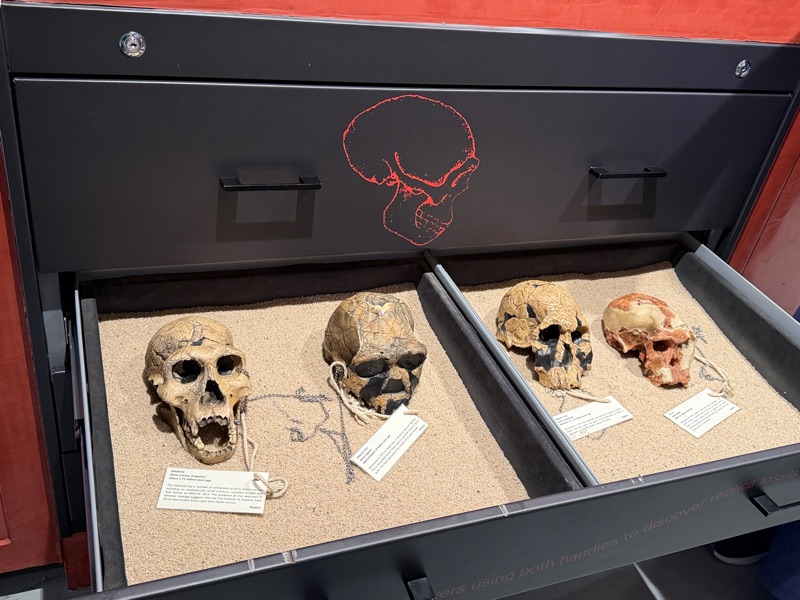
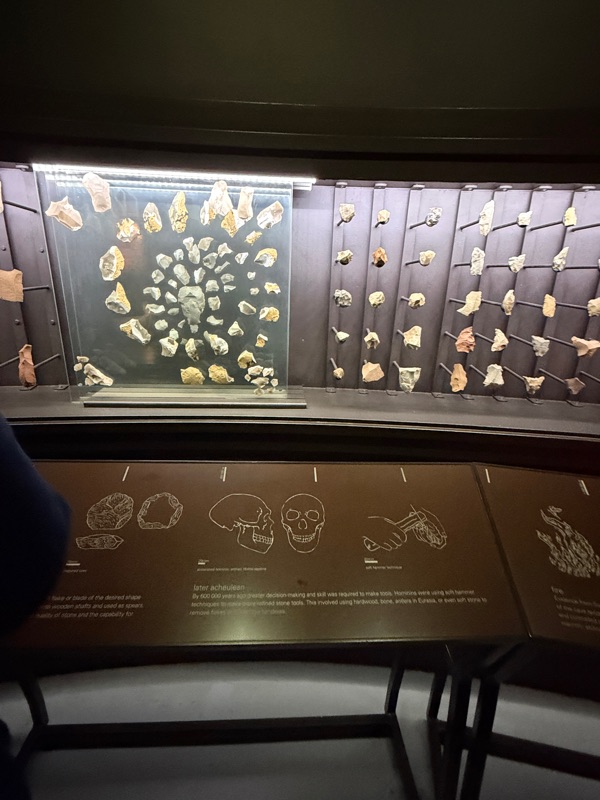
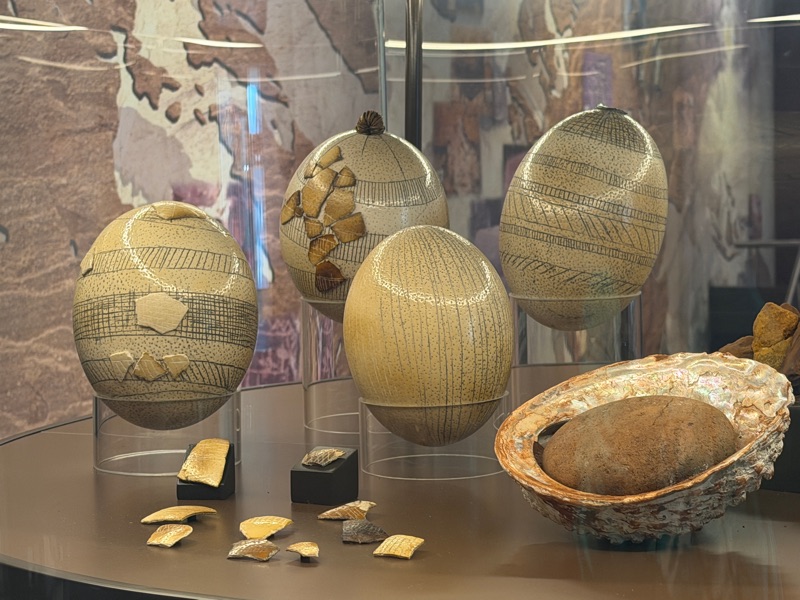
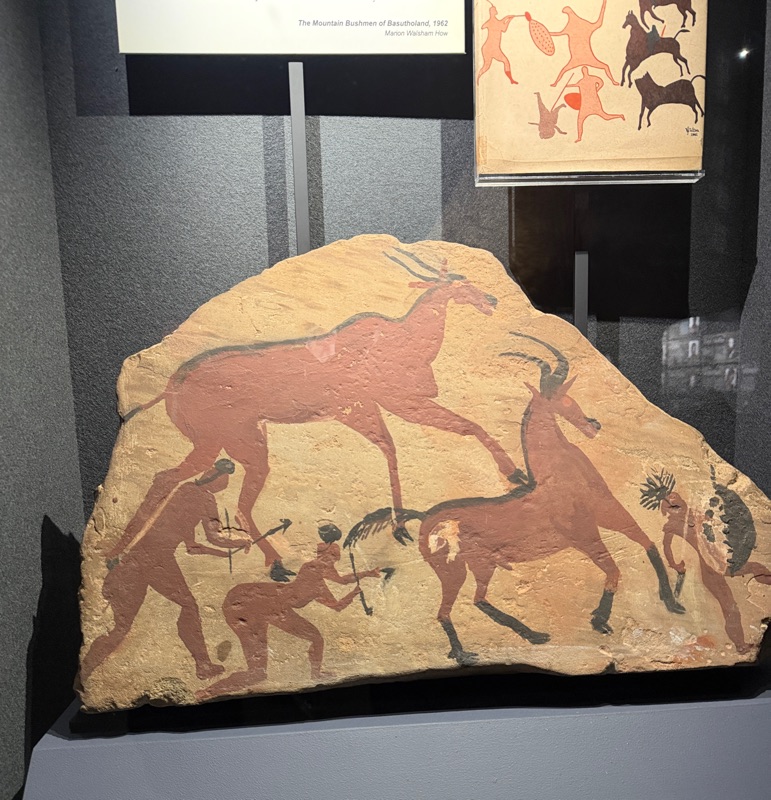
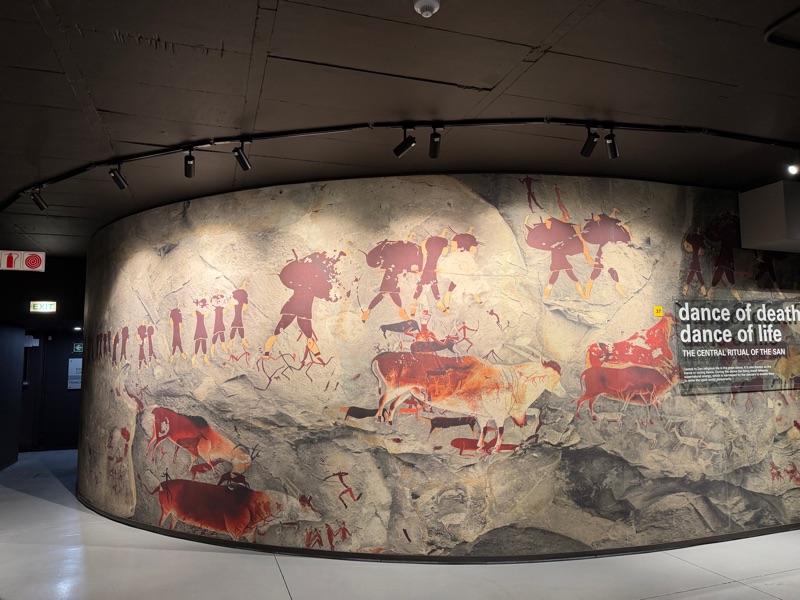
The Origins Center at Witwatersrand University was next. This archaeology museum documented the many different humanoids that lived in the southern parts of Africa. The fossils and other evidence of early human development establishes that the cradle of civilization where human life began was not in the northern part of Africa as was believed for many years, but in the south. There were many humanoid skulls and bones that had been found along with rock art, tools, fire usage and burial practices that establish that early species of humans were living and even creating art more than 100,000 years ago. So cool!
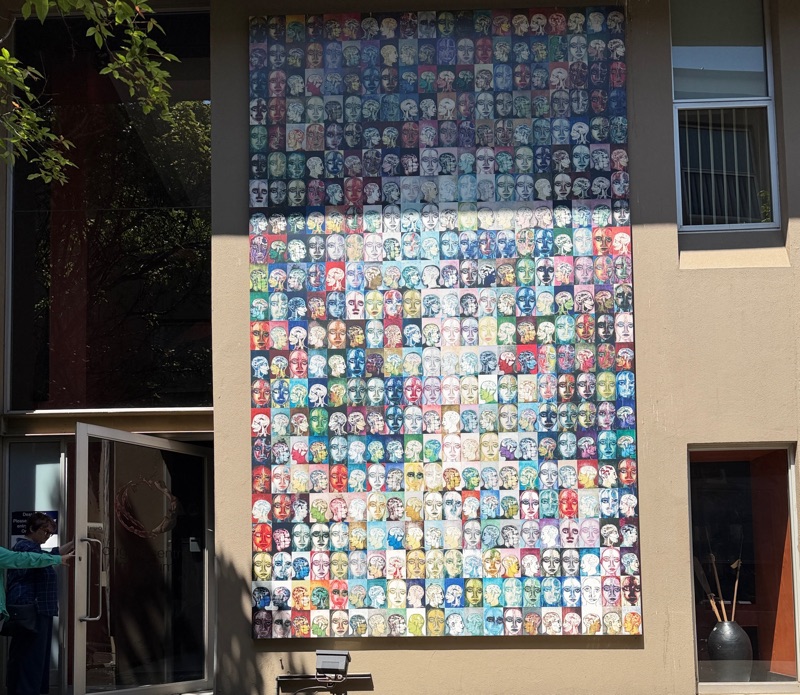
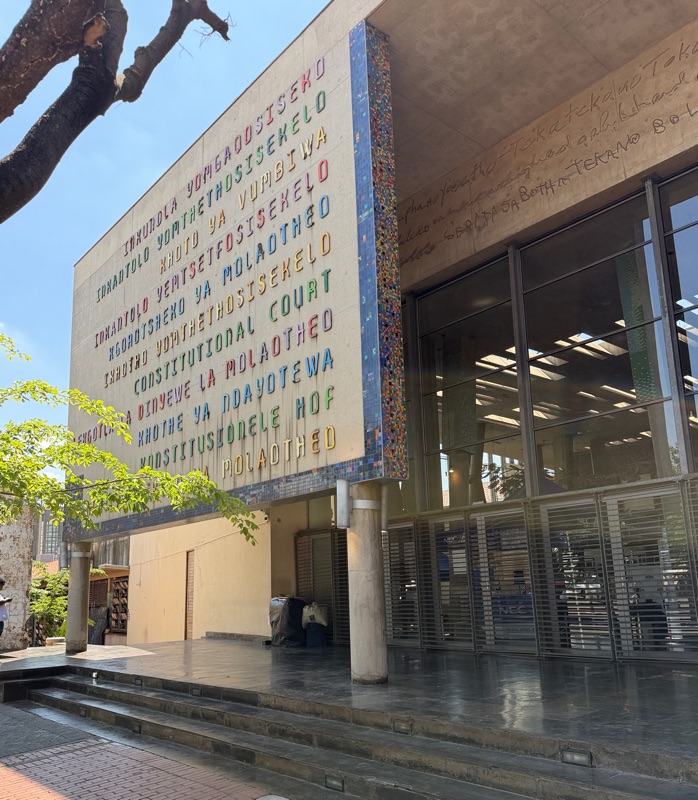
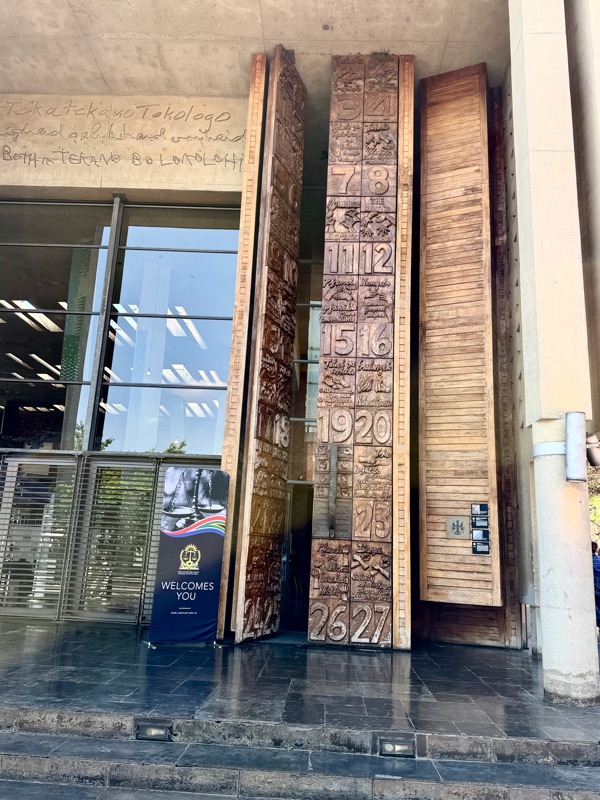
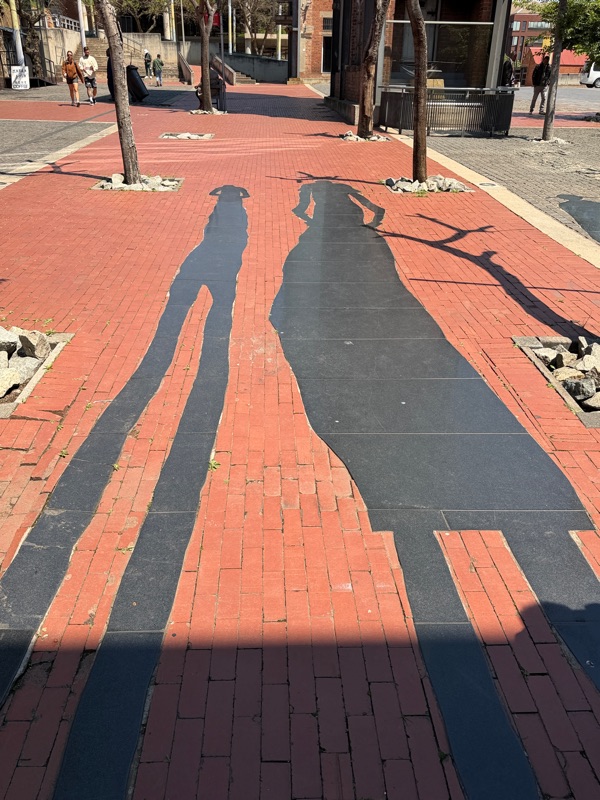
At our visit to the Constitutional Court, South Africa’s Supreme Court, we learned about Nelson Mandela’s vision of creating a court that represented everyone and protected all of the people of South Africa. The first example of the symbols of inclusiveness that characterize the building was the name of the building written large in colorful letters in the eleven official languages of the country. The court was designed to balance the traditions of white and black South Africans. It was an interesting building - not beautiful on the outside, as it was fabricated from the cellblocks of the prison where dissidents had been held nearby. Another feature was a line of small windows at the base of the building through which the judges could see only feet of people passing by, a reminder that the judges were there to serve the people of the country. The many symbolic elements of the building were moving, including the eternal flame of freedom.
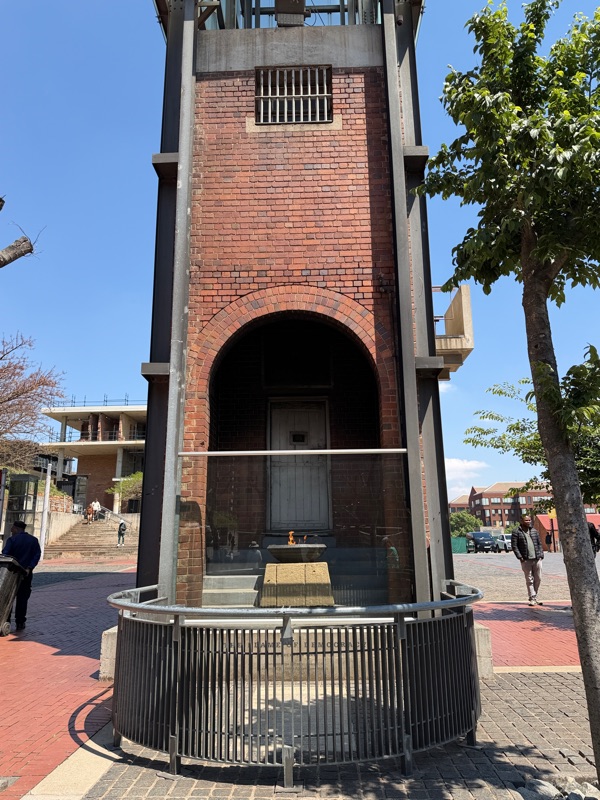
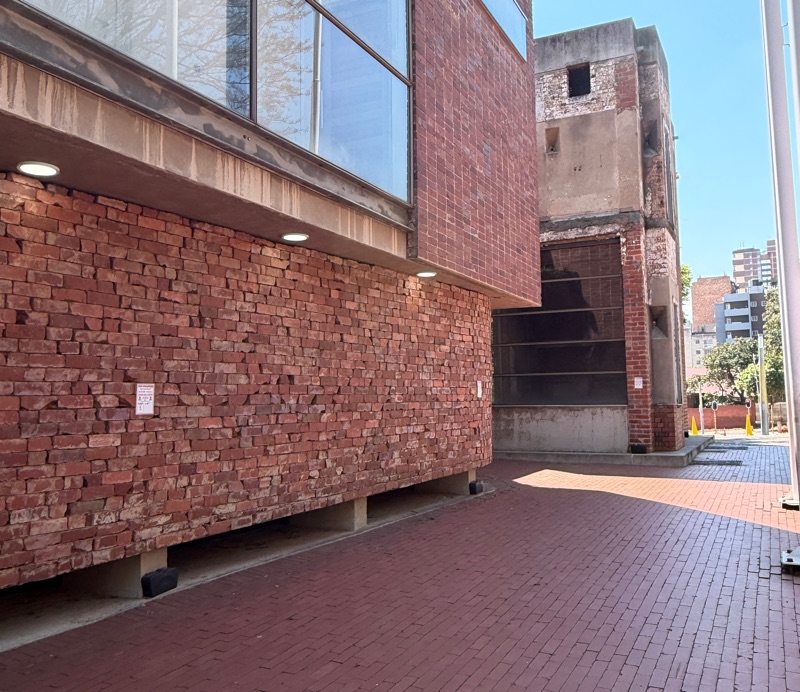
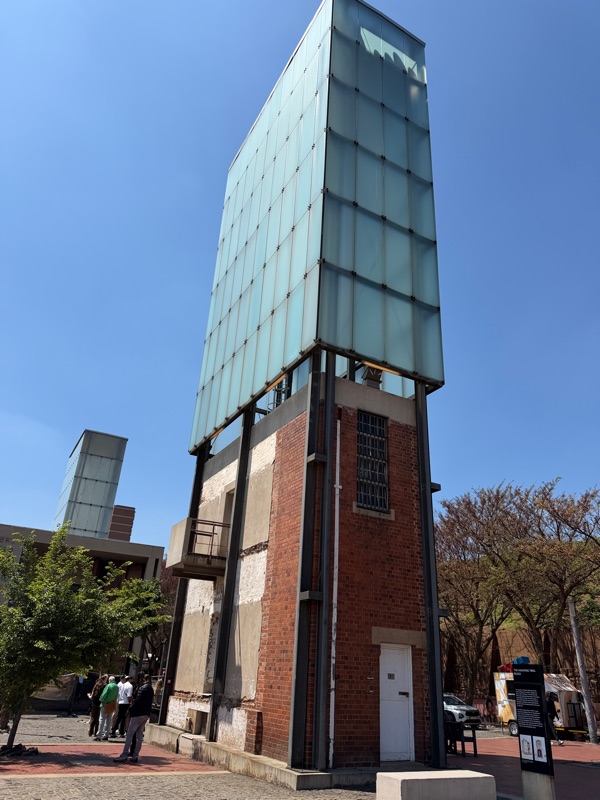 Above: Holding cells for prisoners.
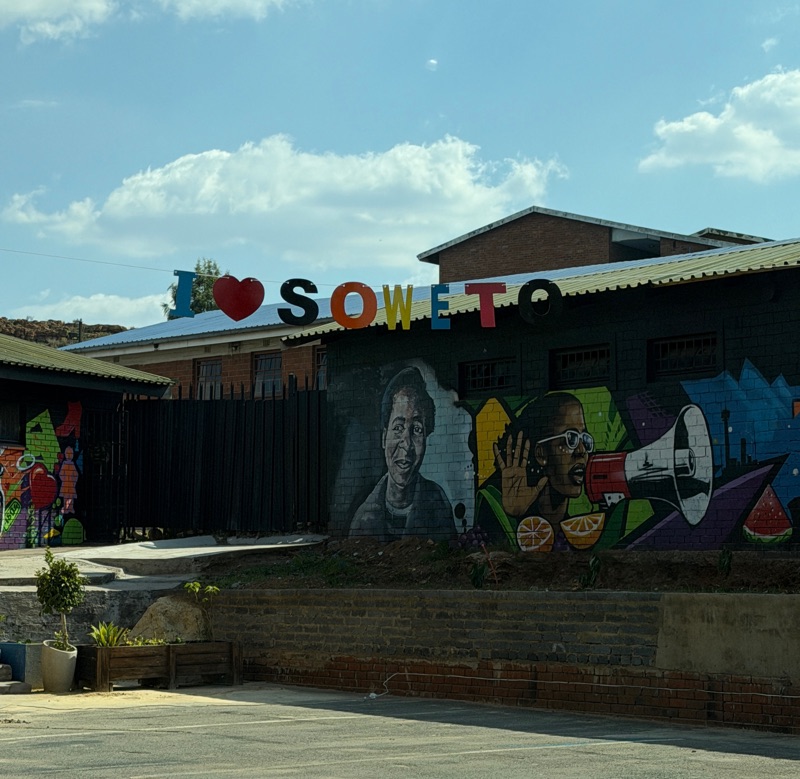
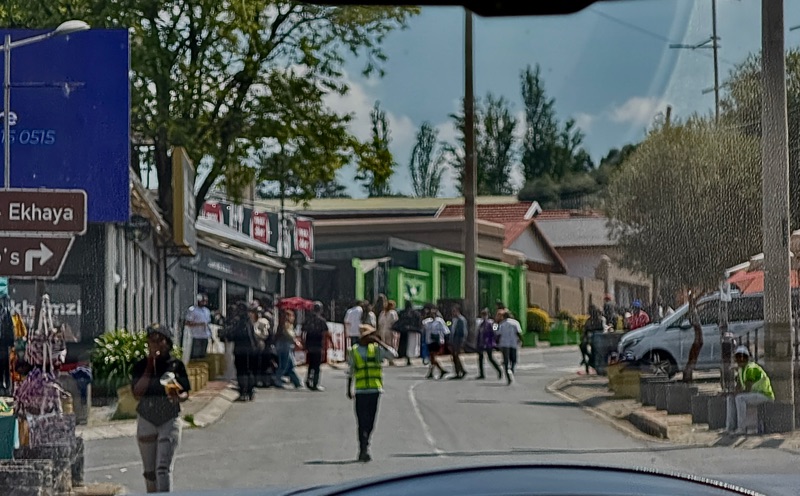
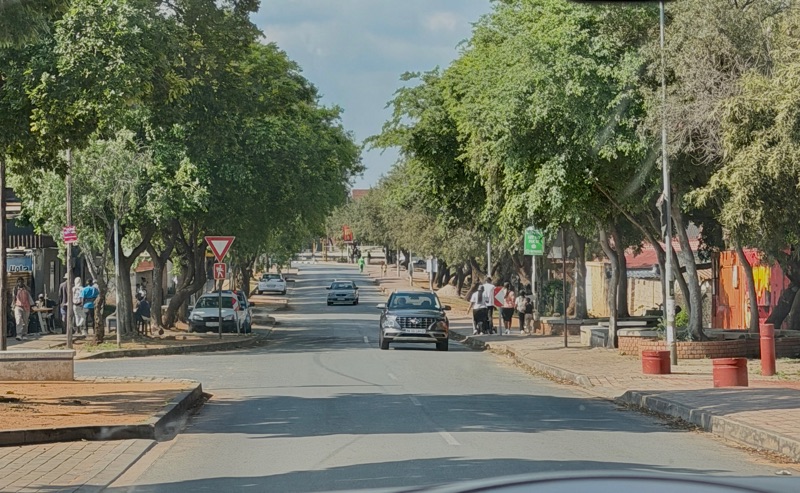
Next we headed further south to Soweto, the famous township containing the only street in the world where two Nobel prize winners lived - Nelson Mandela and Bishop Desmond Tutu. We had a delicious lunch of mostly local food, and then drove through the streets for bit before heading to the Apartheid Museum.
The Apartheid Museum documented the long and painful history of South Africa from 1948 to 1994. There was a great deal of information about the cultural, economic conditions that led to the policies and laws that created separate designated areas for each of the four population groups in the country - white, black, Asian, and colored. There were lots of photos of the many abuses that led to the protests and many deaths. It also covered the slow and often violent process to abolish the system and establish a more humane and just society. Needless to say, the museum was intense.
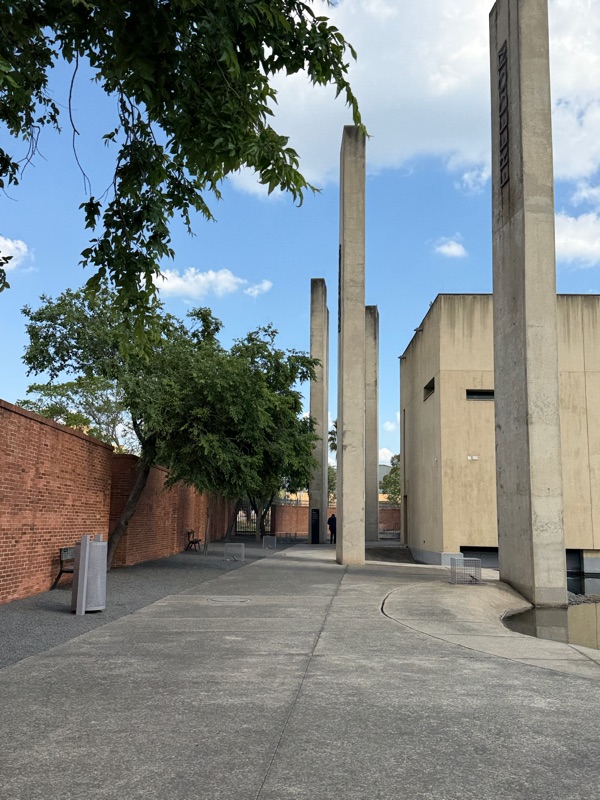
The grim architecture was an early indication of what was inside.
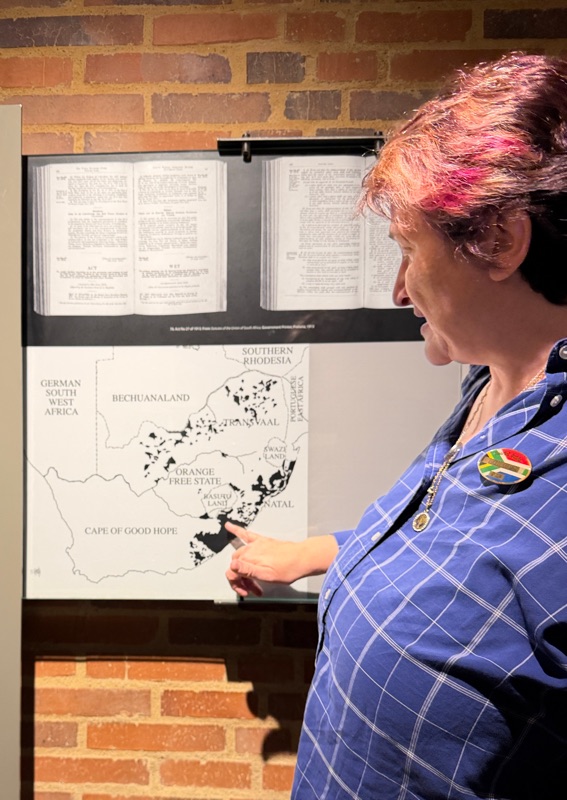
Lucille pointing out some history.
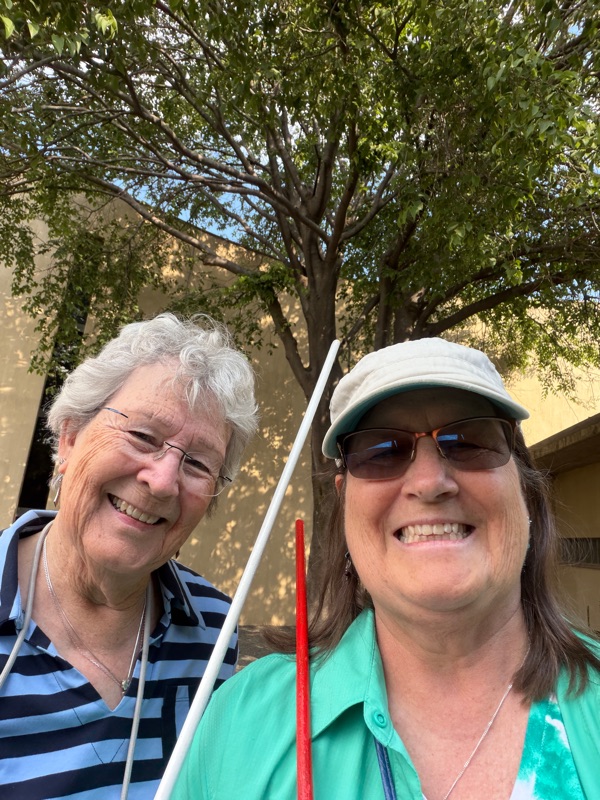
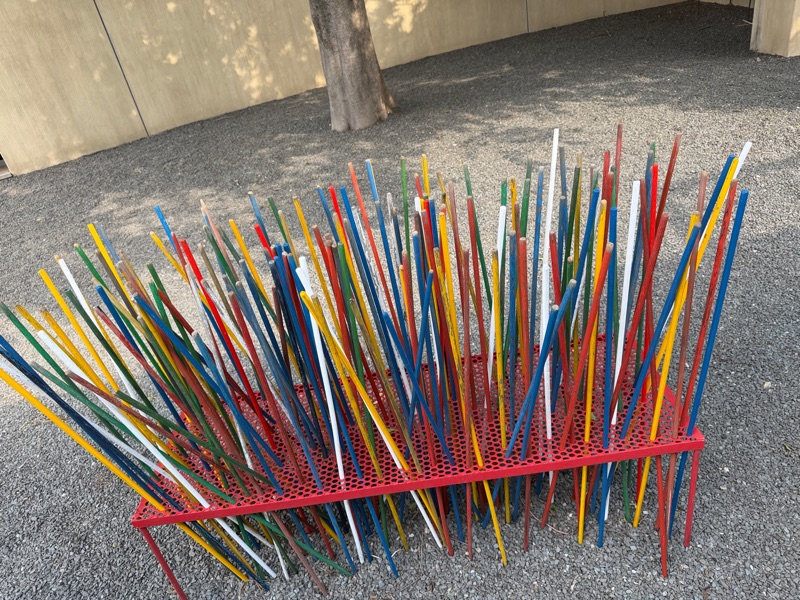 Above: The sticks represent character traits of Nelson Mandela. After looking at a series of Mandela quotes with descriptions of specific traits in written in different colors, you could pick a stick with the color traits that resonated with you and put it in the grid. Interesting how well balanced the collection of sticks is.
There was also a second part of the museum that told the story of Nelson Mandela specifically - his friends, wives, strategies, tactics, imprisonment and accomplishments. It was a more positive way to end the visit.
All through the day, Lucille told us stories of her life, of the struggles of living in South Africa, the tensions within the country and with migrant populations entering the country, etc. It was a fascinating day.