Today was a glorious day - uninterrupted blue skies, temps in the 60s. A great day for exploring!
 A poster from the bus
We started out taking the bus out to the Bygdøy peninsula that has a lot of museums. Oslo has many beautiful Art Nouveau buildings, and we saw quite a few of them on the way out of town, which reminded us of Riga, where we began our tour almost a month ago.
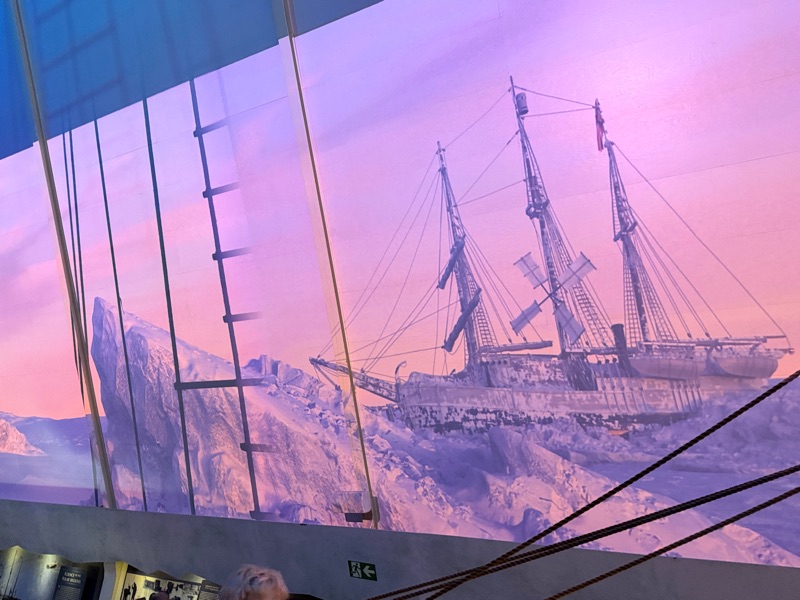
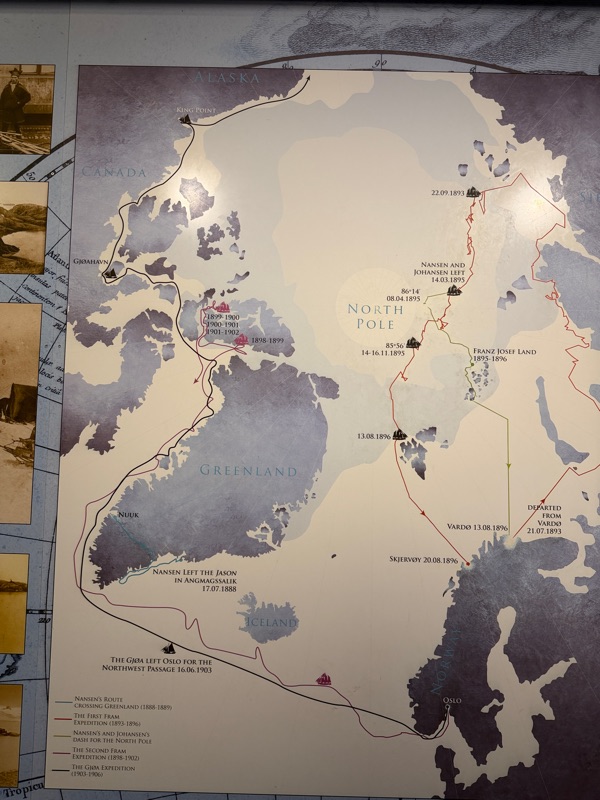
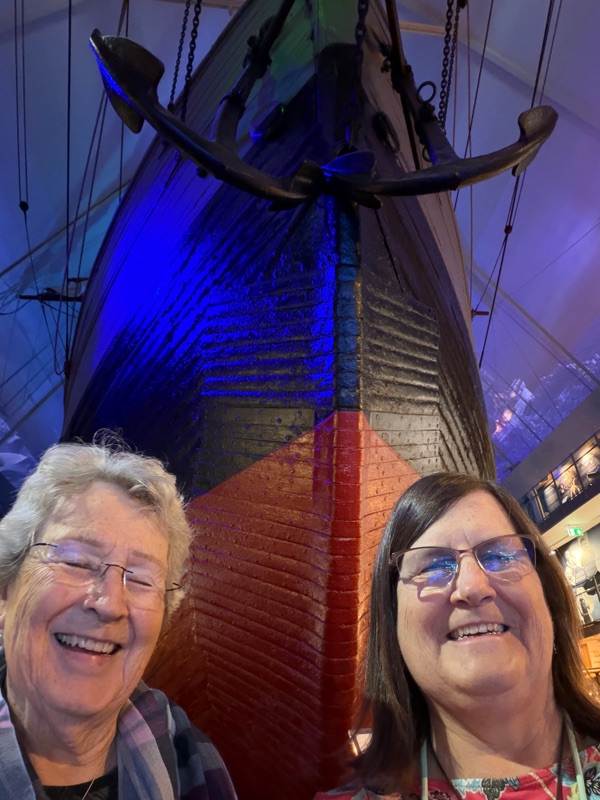
Our first stop was the Fram museum - which celebrated exploration of both the North and South Poles by Norwegians, mostly in a ship called the Fram, which was preserved as the centerpiece of the museum. It was a great way for us to think back on what we had learned over our trip about dog sledding, viking exploration and cold weather gear.
There was an enormous amount of information and photographs about several expeditions, all of which were well documented. We enjoyed exploring the ship and seeing all of the storage areas, cabins with bedding and clothing and common rooms where the men on the expeditions passed the time when not working on survival, research and documentation.
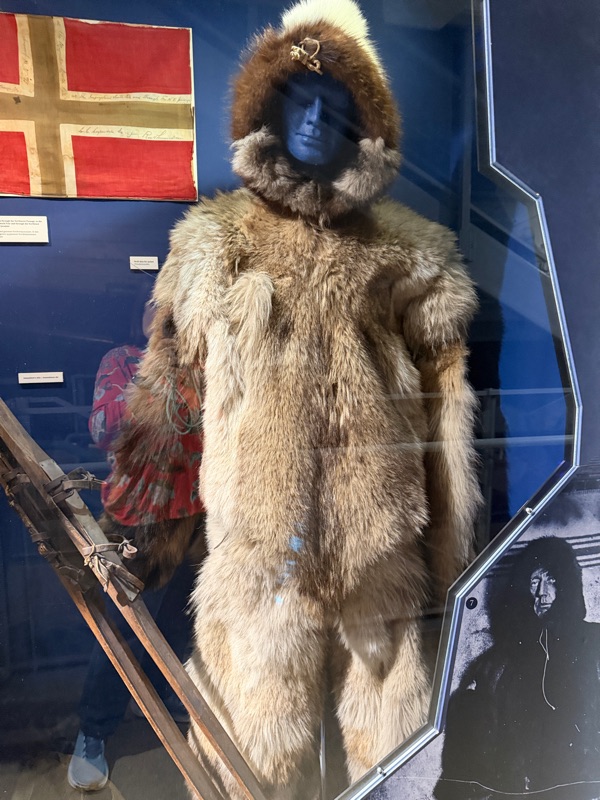
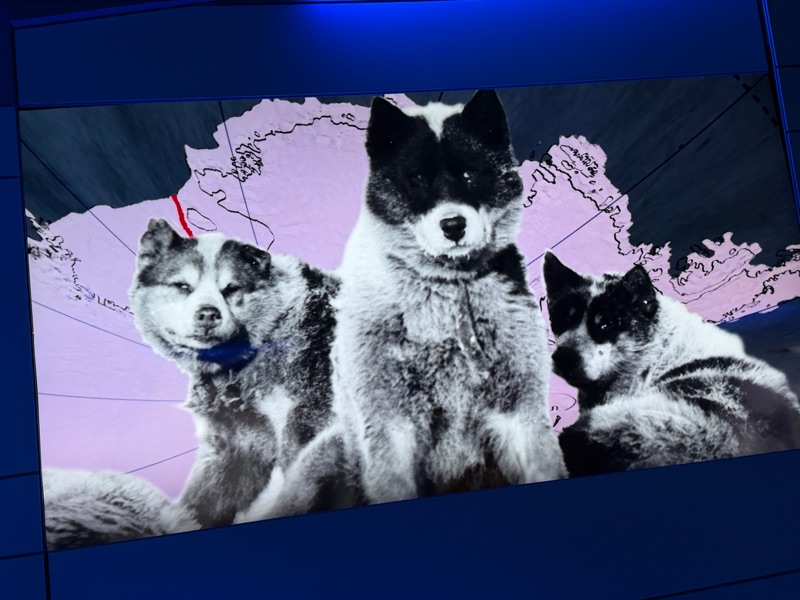
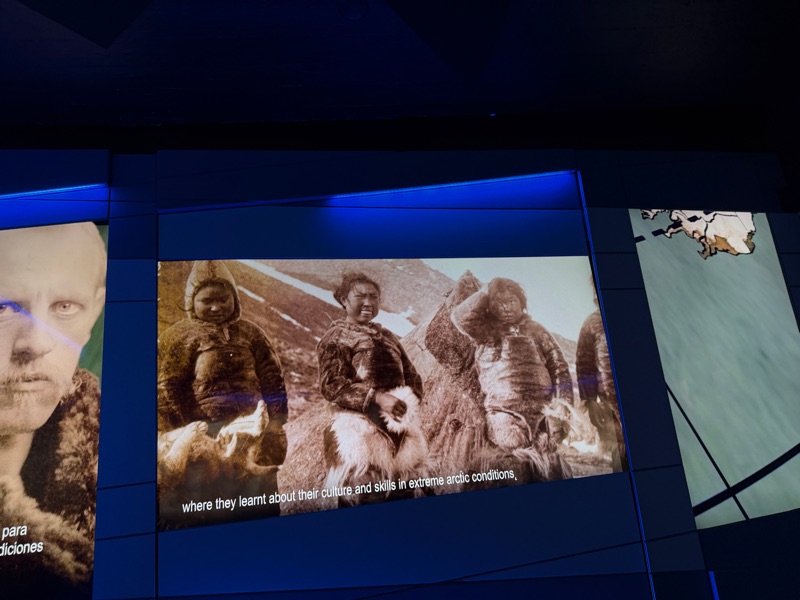
The best part was the top deck where films cast on the museum walls reflected the weather and times of day. These included wild sea, floating ice bergs, polar bears, dog sleds, and being stuck in the pack ice. The museum is also a monument to the daring, courage and skill of the men who went on the expeditions, modern day explorers following the paths of their forebears by “going Viking!”
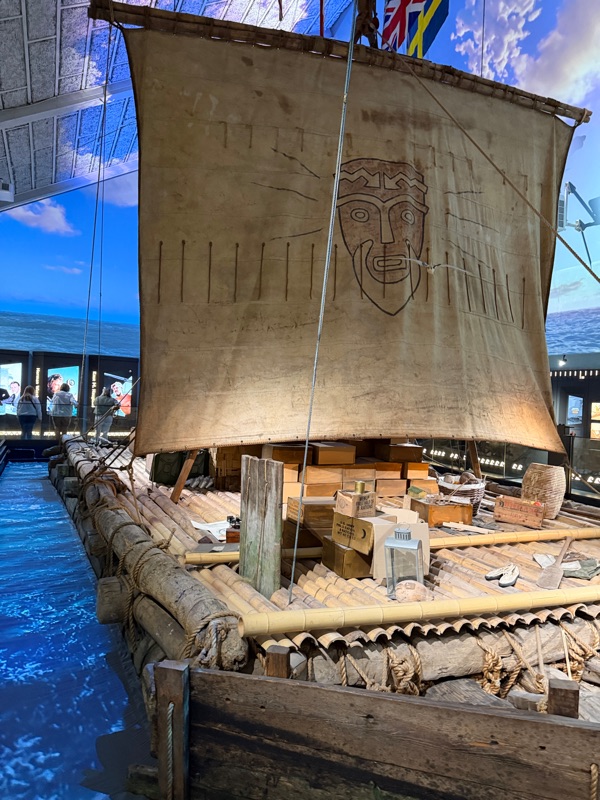
Next door to the Fram was the Kon-Tiki Museum, another wild Norwegian journey of research and discovery. The primary focus was on Thor Heyerdahl, whose imagination from his earliest years led to his life of exploration. There is a full sized replica of the Kon-Tiki balsa-wood raft, which Heyerdahl had built according to designs used by ancient Peruvians in his effort to prove that ancient peoples could have sailed on ocean currents from South America to Polynesia in their wooden rafts. The story of how the voyage came together was well explained, and many myths dispelled. He also created the new field of experimental maritime archaeology.
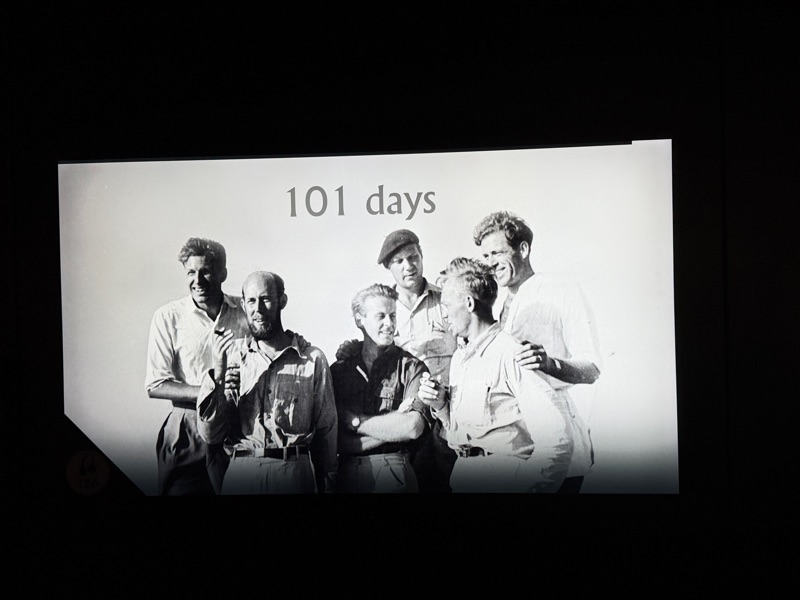
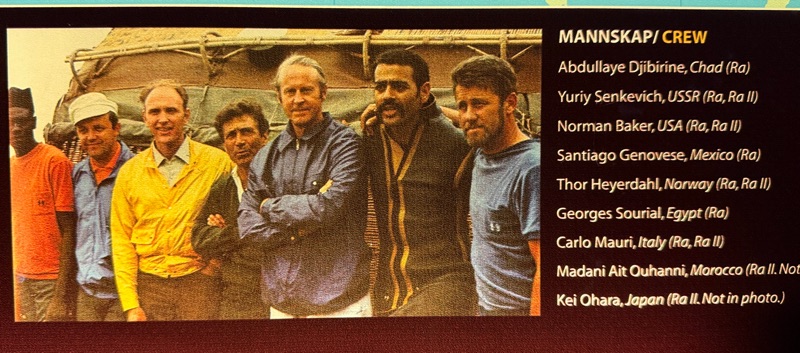
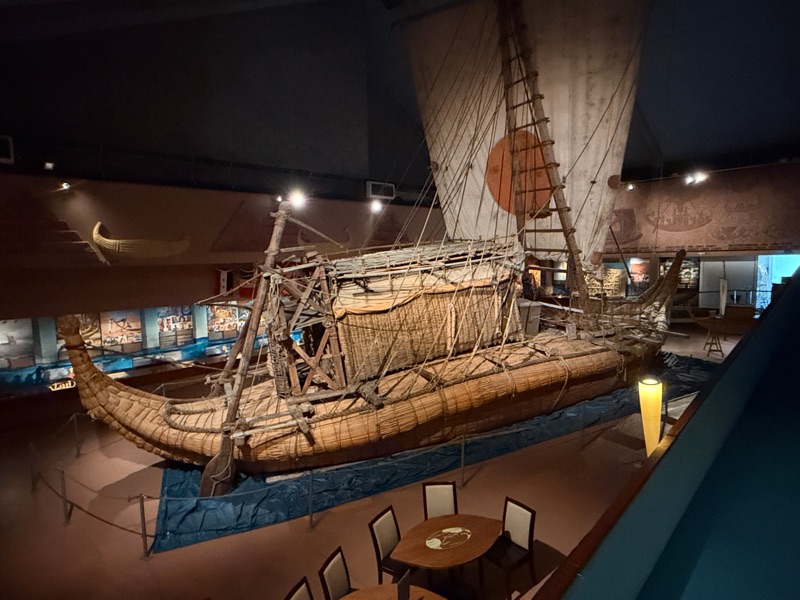
Heyerdahl did not stop with the KonTiki. He later organized the building of a large reed boat based on images in Equptian hieroglyphs. As with Akon-tiki, he wanted to prove that the loop ancient Egyptians could have crossed the Atlantic Ocean from Egypt to Barbados in a reed boat. He and his multinational crew succeeded on the second attempt in the Ra II, earning the praise of the Egyptian government.
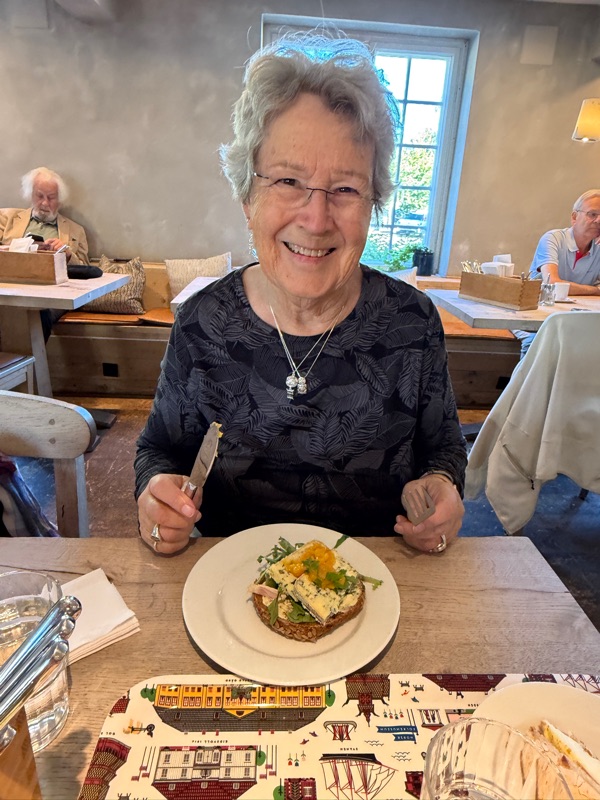
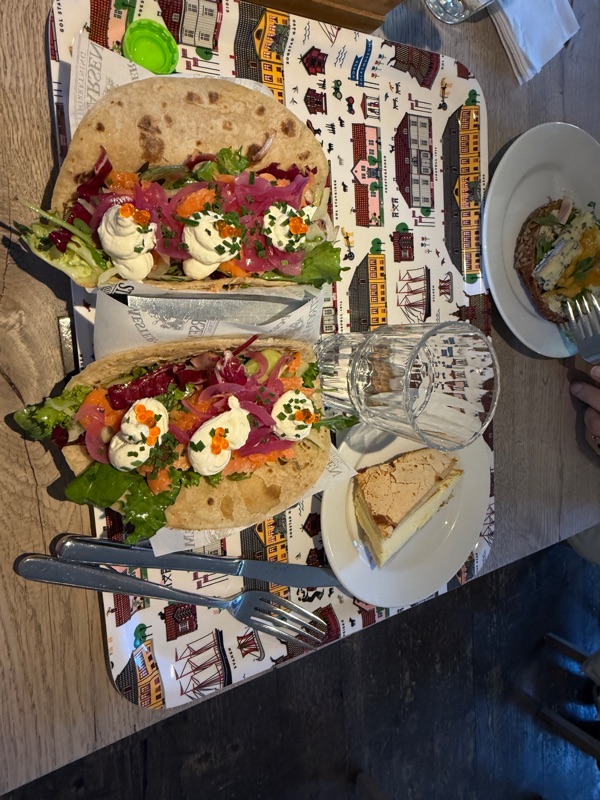
Having spent several hours reading and learning about great sailing adventures, we took a beautiful 30 minute walk from the Exploration Museums to the Norwegian Folk Museum. We had a lovely traditional Norwegian lunch (if you can call Norwegian smoked salmon tacos and blue cheese toast traditional) at the museum cafe.
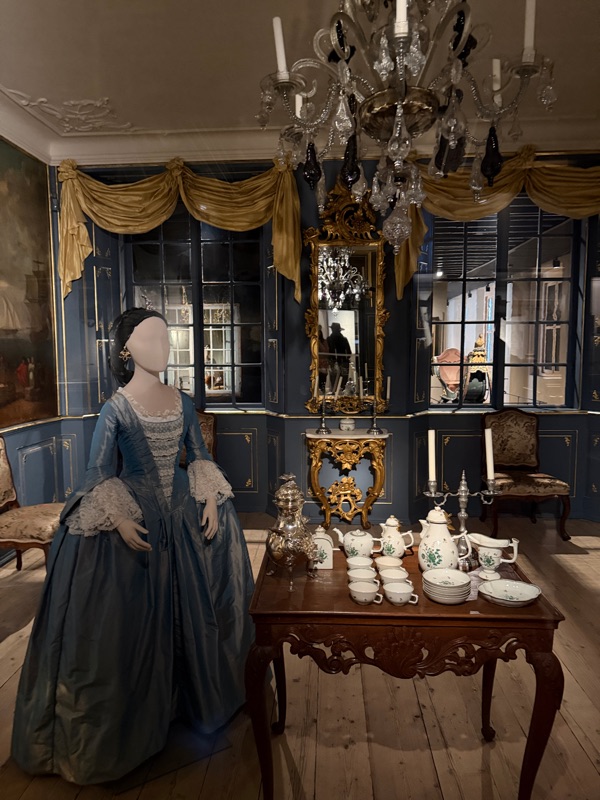
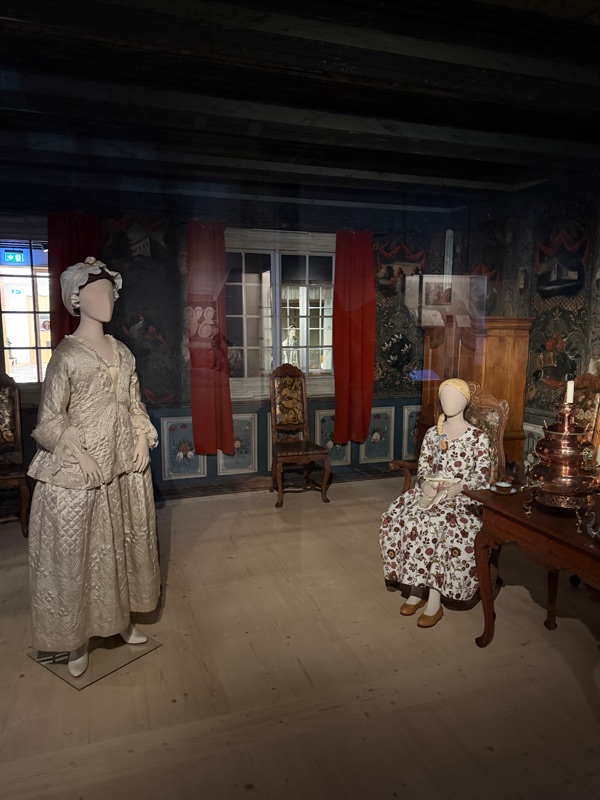
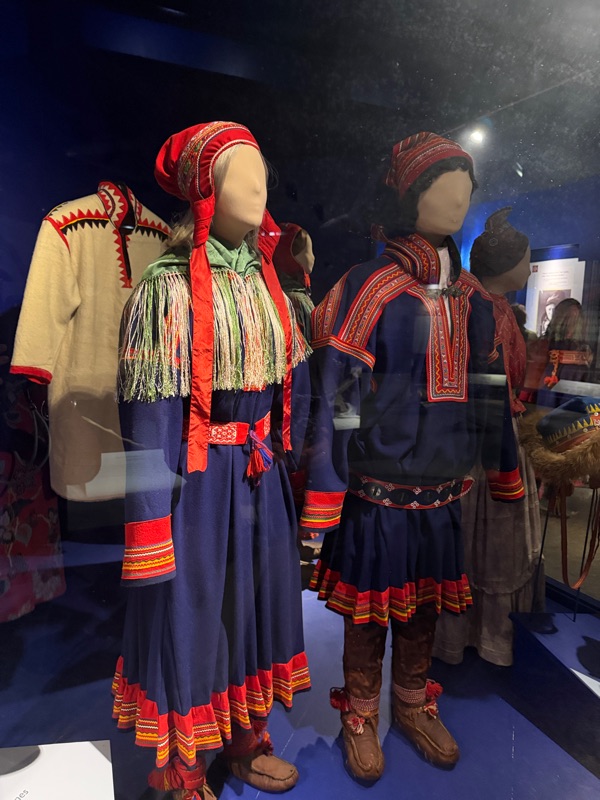
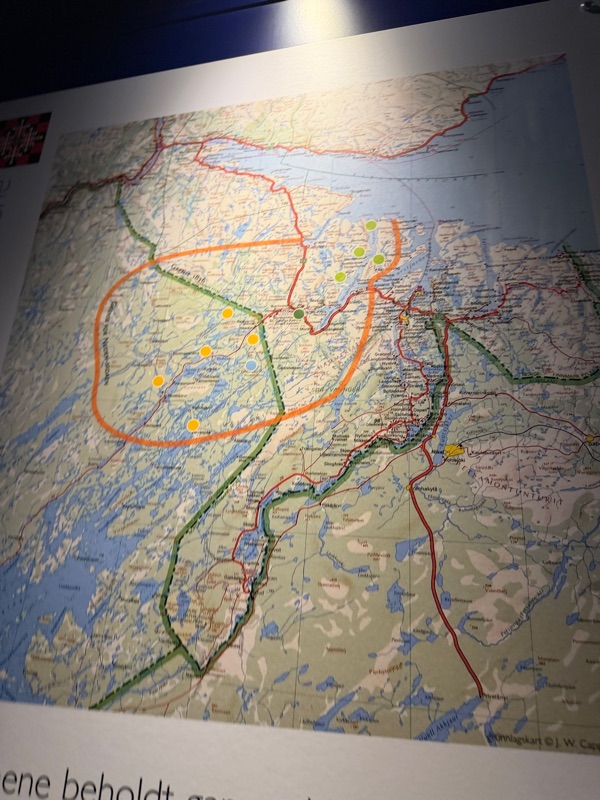
We started in one of the curated exhibits called TimeScape - 1600 to 1914. The exhibit featured a few furnished rooms from homes of wealthy families in Norway and how their owners displayed their wealth. There was also an interesting exhibit on Sami Culture. Both were interesting, but we wanted to get outside and walk around.
Our primary objective was seeing the 12th century Göl Stave church, whose central timbers were more than 800 years old. The church was really lovely - with cool Viking motifs on the outside and interesting carvings and paintings on the inside. There was a charming young re-enactor at the church who spent some time talking to us about features of the building and the significance of the architecture.
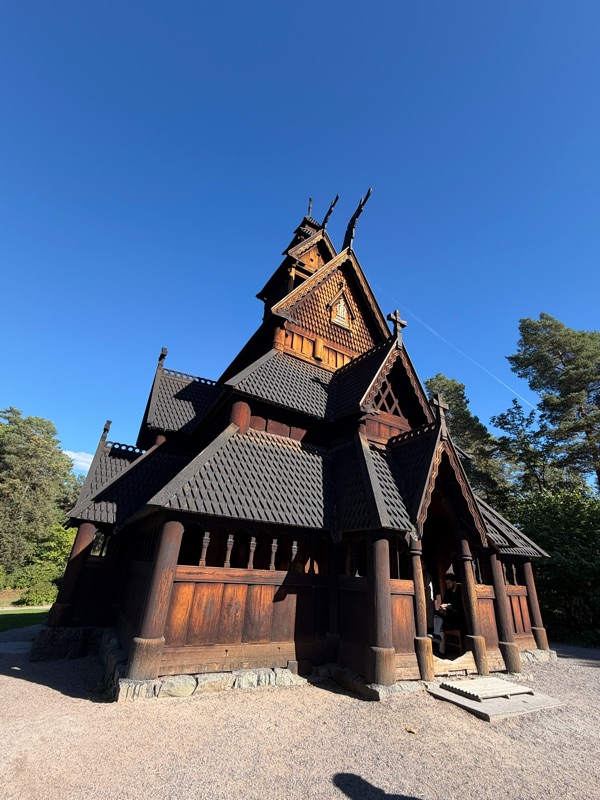
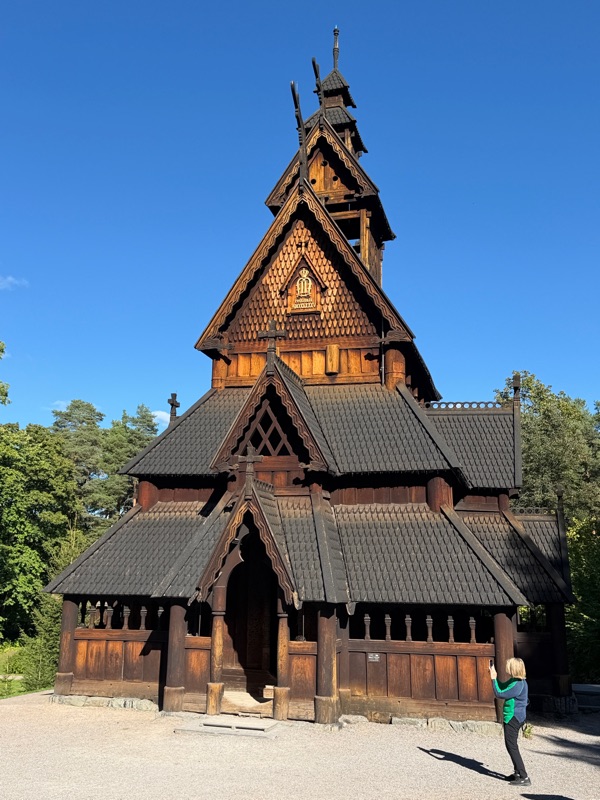
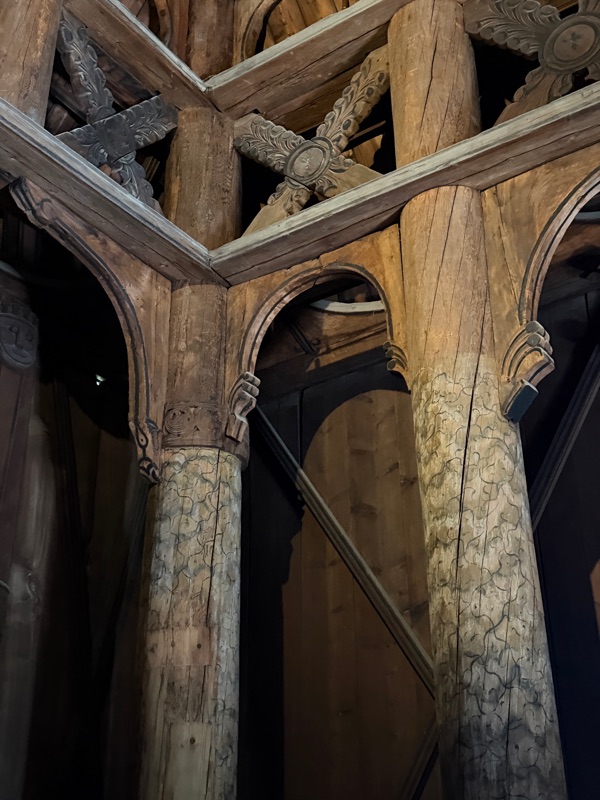
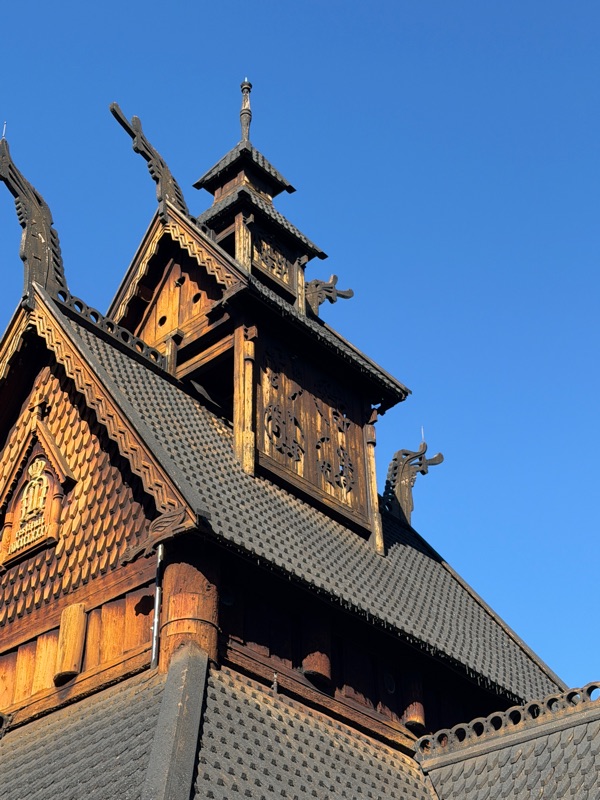
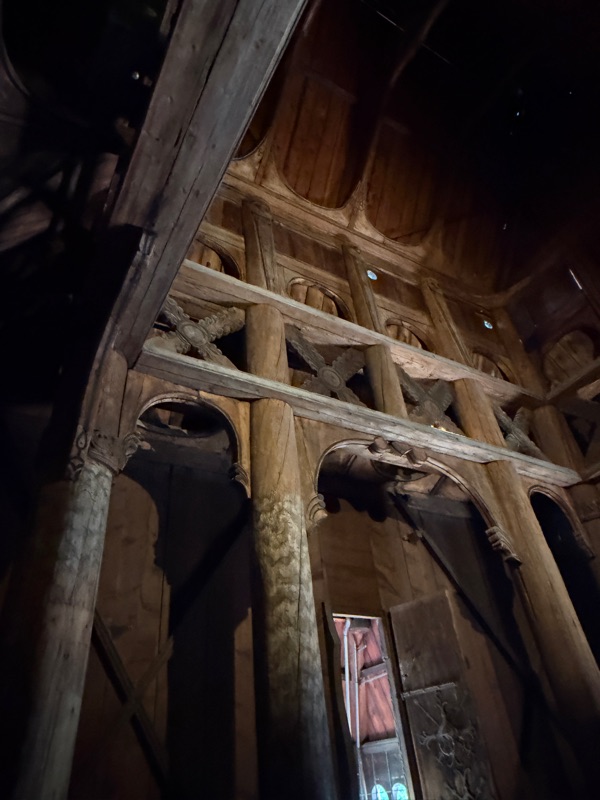
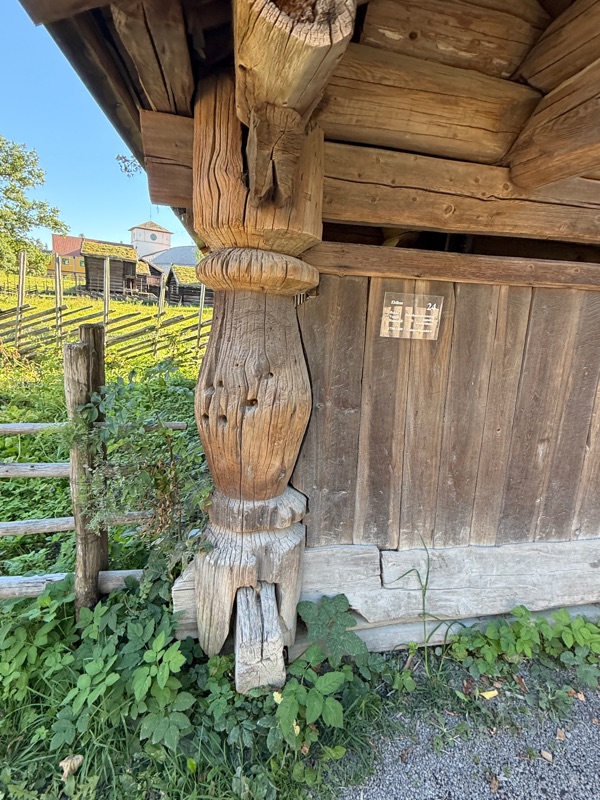
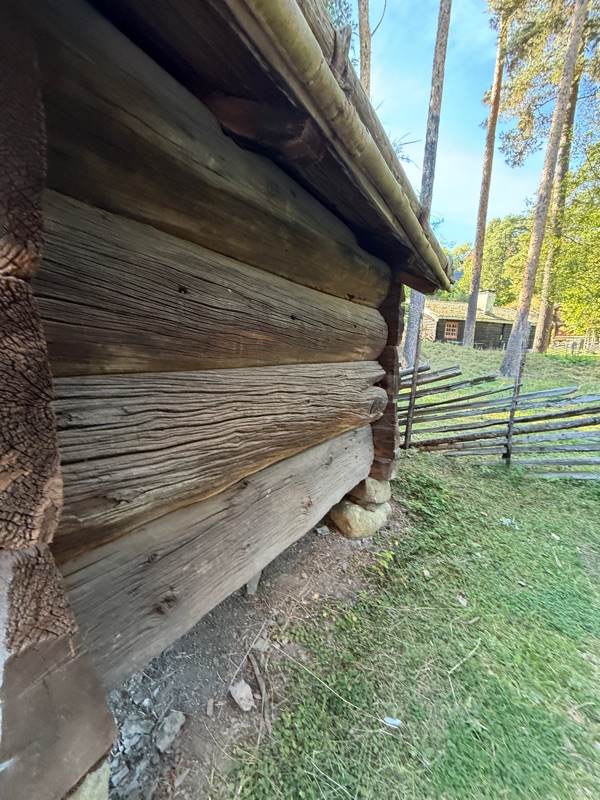
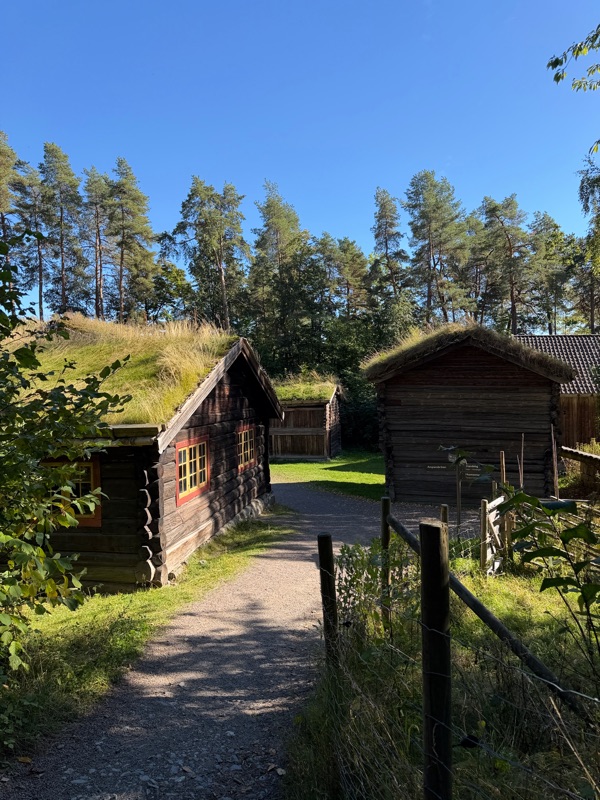
While the Stave Church was the main attraction for us, the entire place was an amazing collection of preserved Norwegian rural history. In 1881, King Oscar started to save old buildings that were being replaced with more modern designs. The church, as well as a rich farmer’s house and barn, were moved to the site on the Bygdøy peninsula near the Royal gardens to save this traditional architectural style. Over time other buildings (160 or more) were donated or purchased.
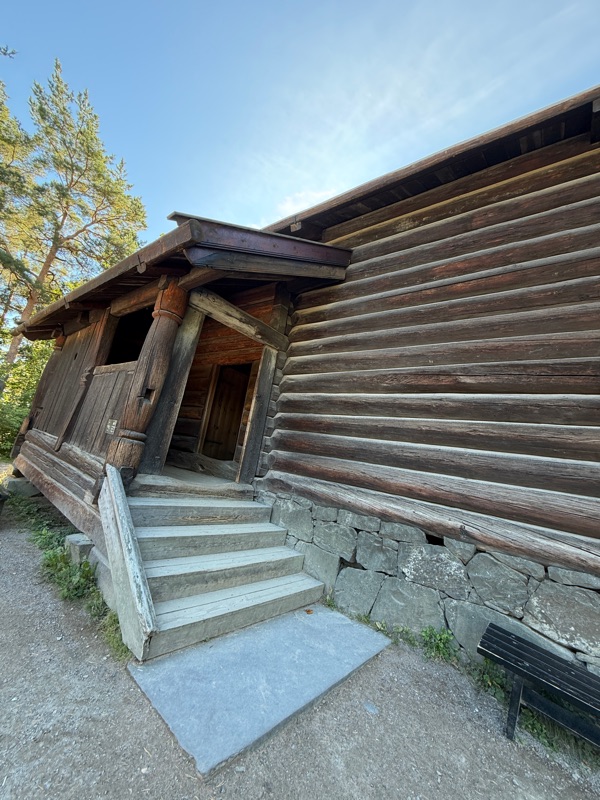
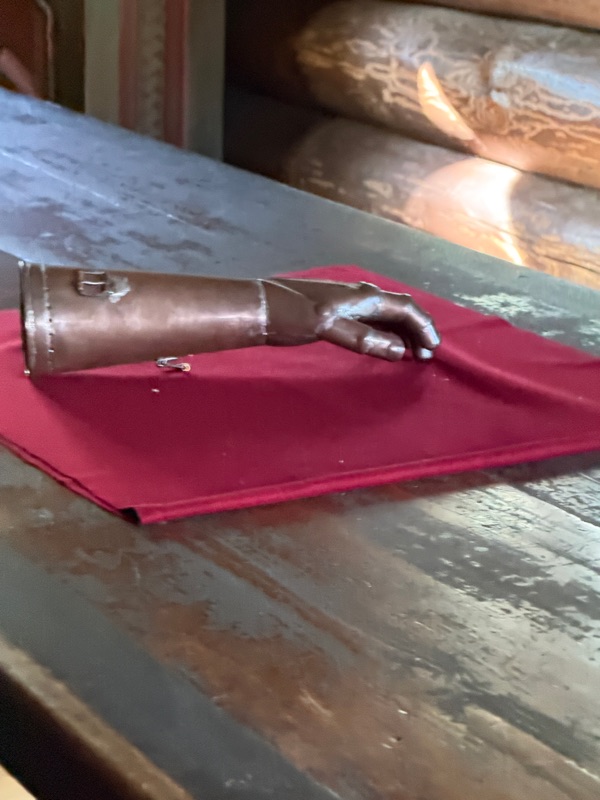
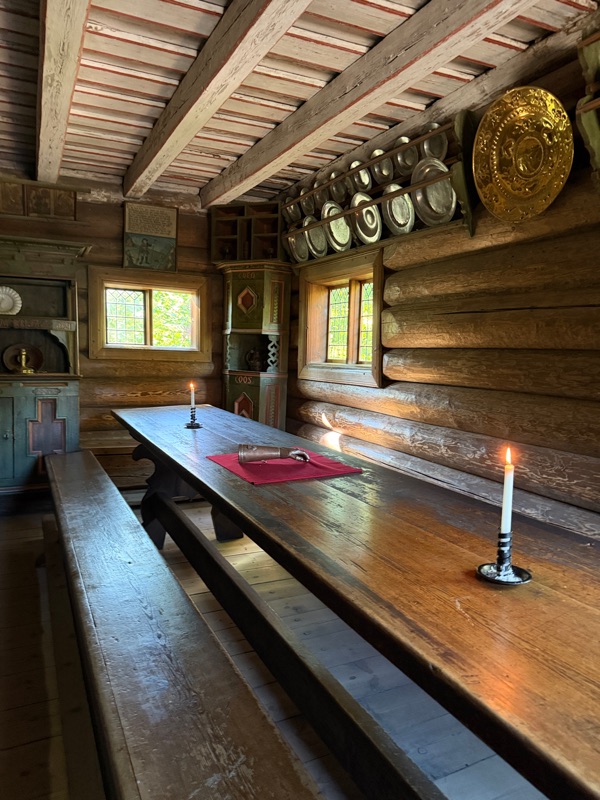
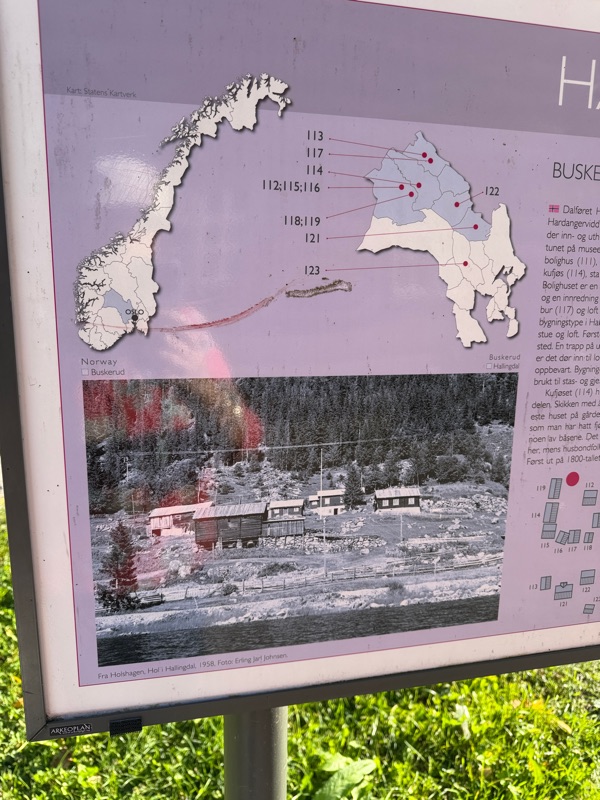
Each region of southern Norway was represented by 5 or more farm buildings arranged as they would have been in situ. These farms included a farm house, two or three storage buildings, one or more barns, and often a drying building. Each location had a photograph of the buildings on their original site. It was so cool to see some of the original furniture and door/ wall paintings that had survived hundreds of years. There were also antique household and farm implements in the buildings.
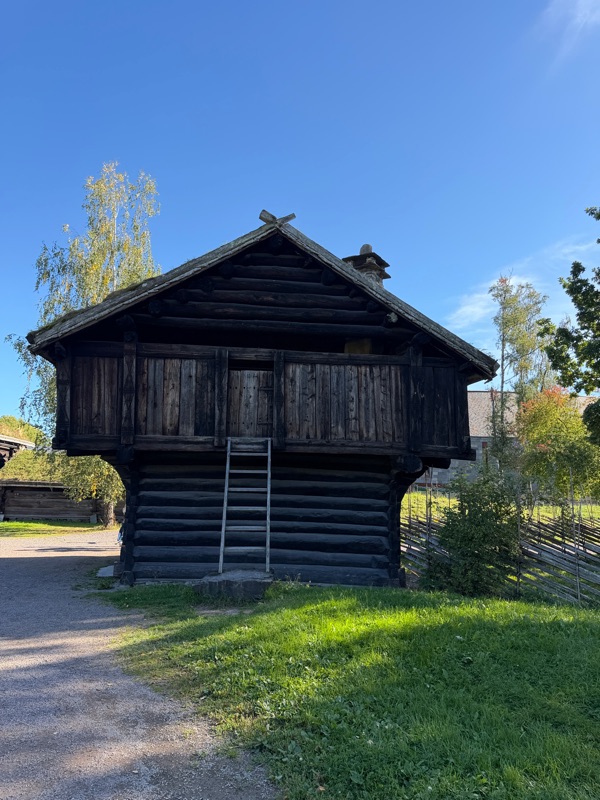
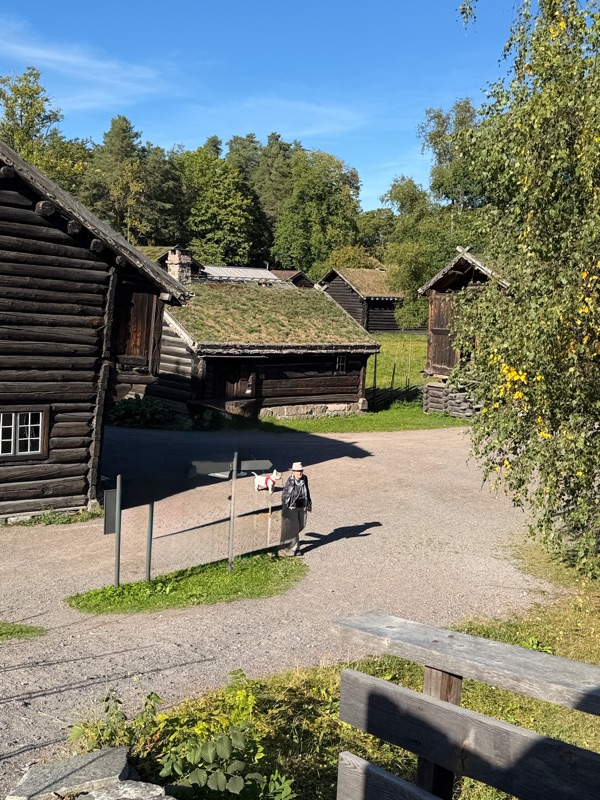
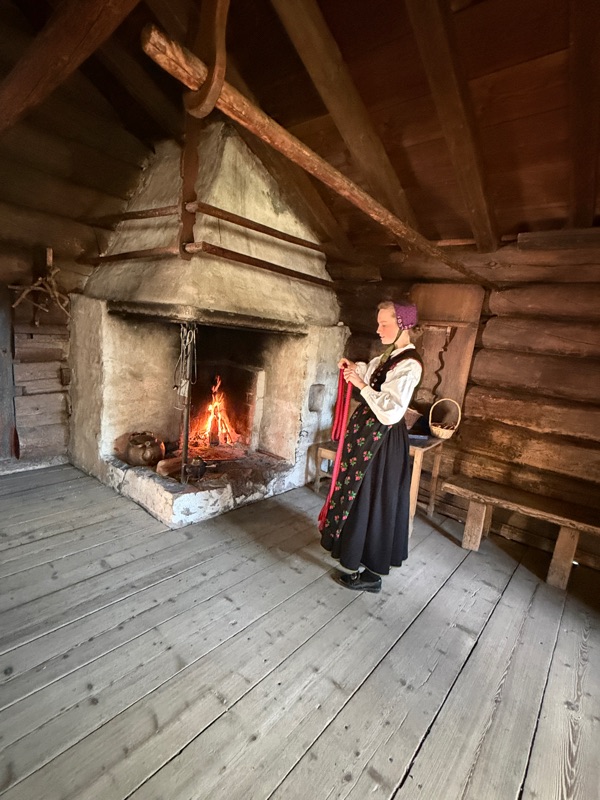
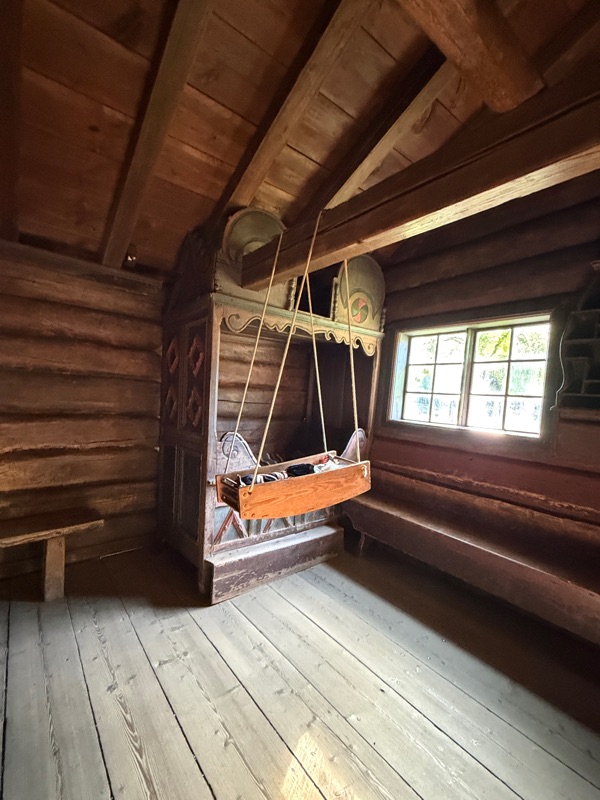
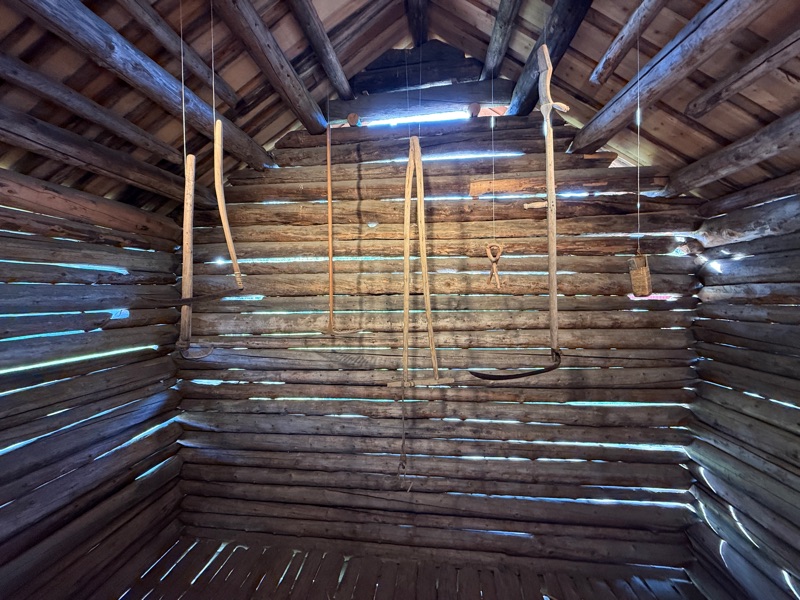
The big takeaway? After seeing so many wooden buildings…There are a LOT of REALLY BIG pine trees in Norway! It was such a great way to finish our time in Norway!



I've enjoyed "our" [your] time spent in Norway. Old traditions, respectful scenes.... But salmon tacos. I do love salmon but have never had it on a taco.
ReplyDelete