Yesterday was primarily a travel day - returning to Heraklion from Chania. We had a few hours in the morning, so we explored a few more historical sites and enjoyed wandering through the charming narrow streets of the old town.
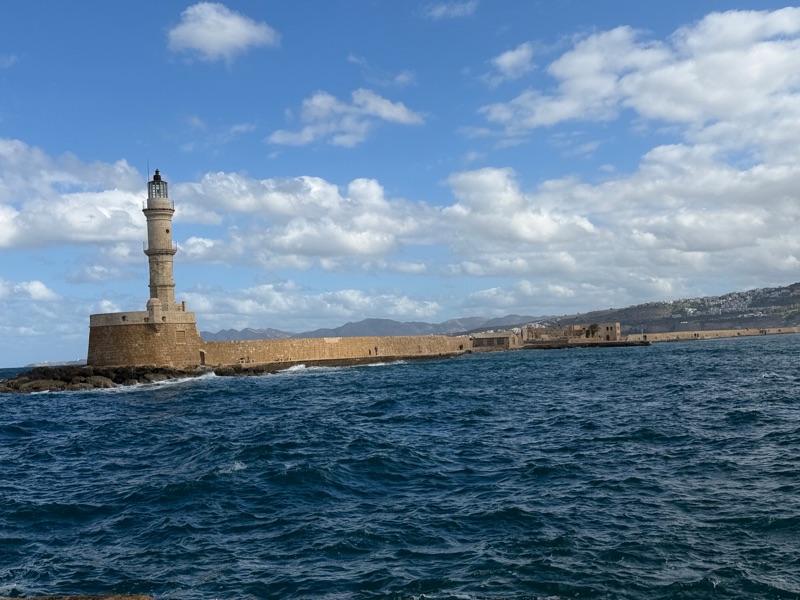
Lighthouse in Chania
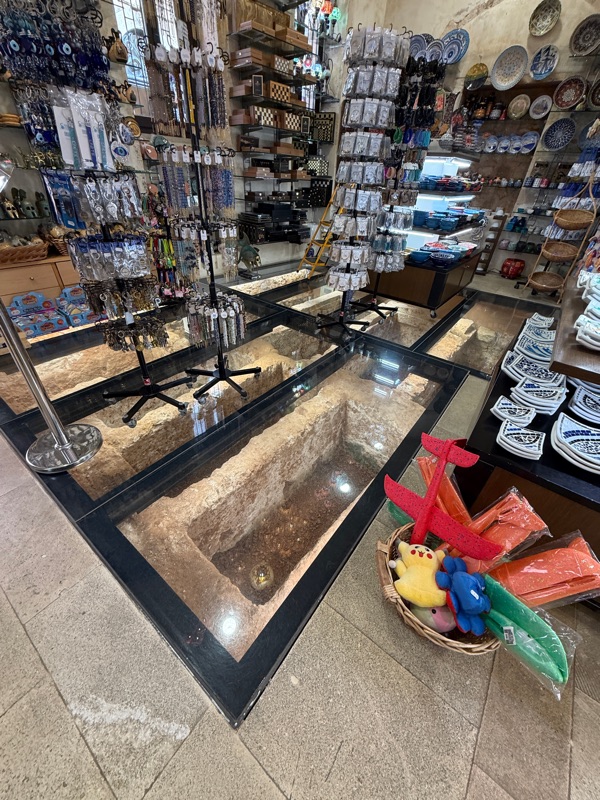
We stopped in a cool gift shop that was designed by our guide’s brother in law. In addition to a lot of interesting products, the floor of the shop was glass over the walls of a 17th century church.
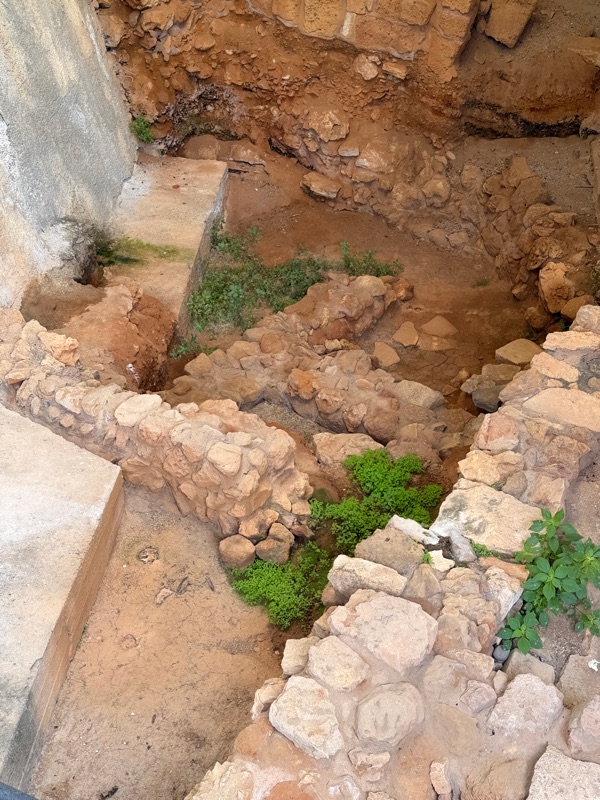
We walked along the Byzantine walls we explored last night, and then turned left to view the Minoan ruins further up the hill. There was not a lot to see, basically a few stone foundations, but we fulfilled our goal of seeing as many Minoan ruins as possible. These site demonstrated graphically the many layers of earlier civilizations that lay under our feet.
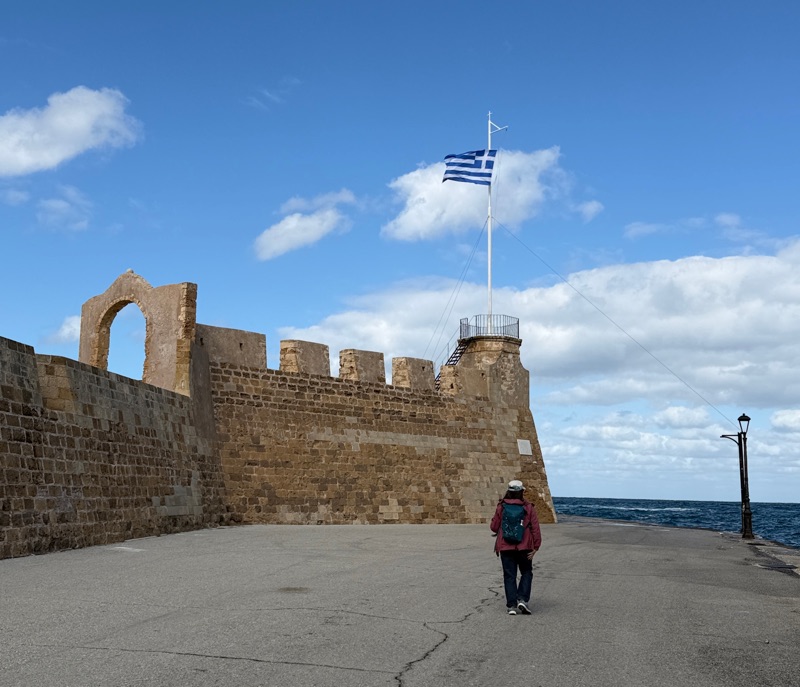
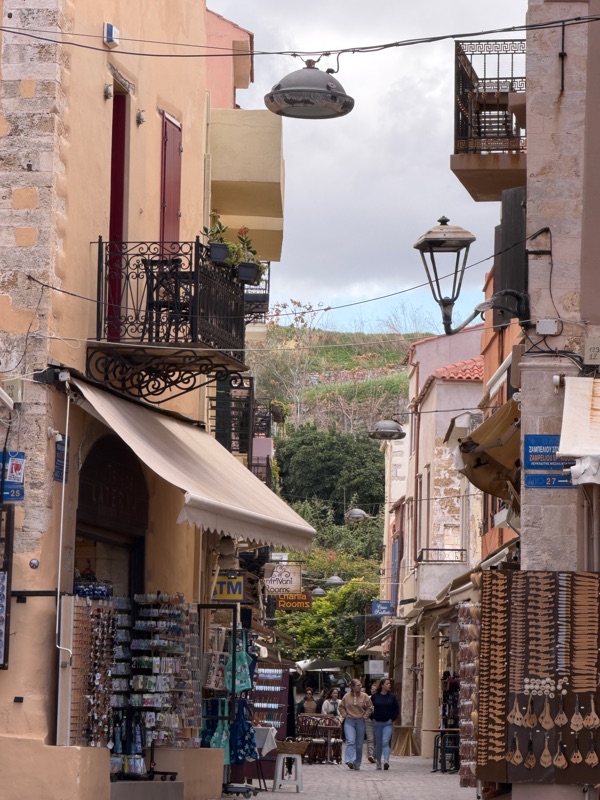
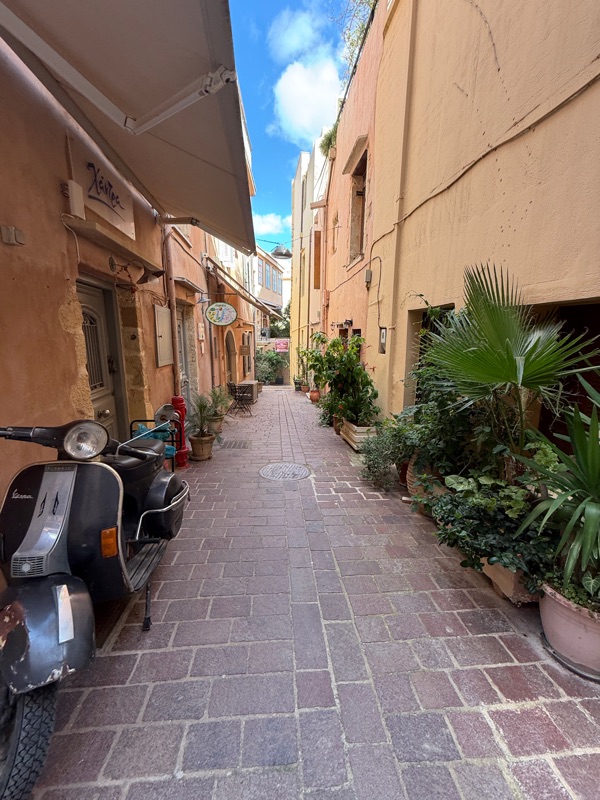
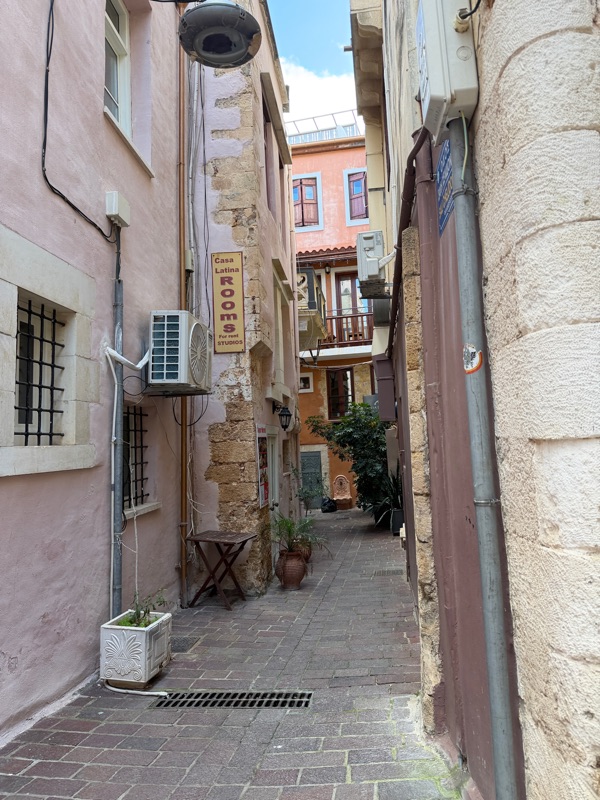
With the time we had left before our departure, we walked around in the old town and visited the Firka Fortress which is strategically located across from the lighthouse. We could not go into it, but our walk around part of it indicated that it is huge. It was a beautiful morning, and we enjoyed walking around the narrow old Venetian era streets, stopping at interesting shops and talking with the owners who were often the creators of many of the products.
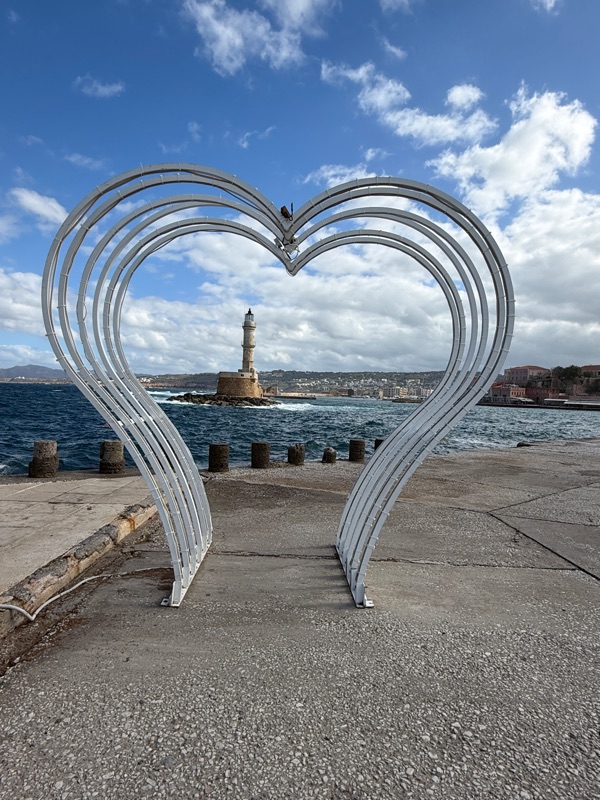
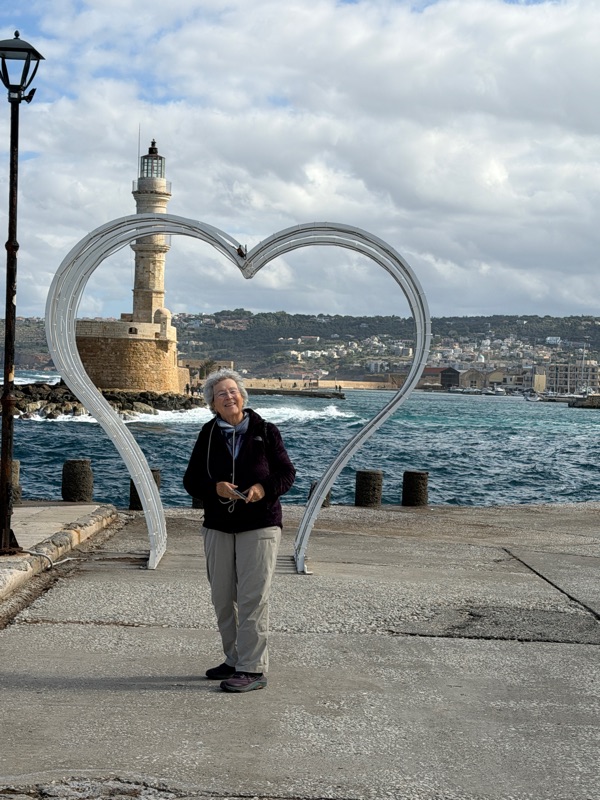
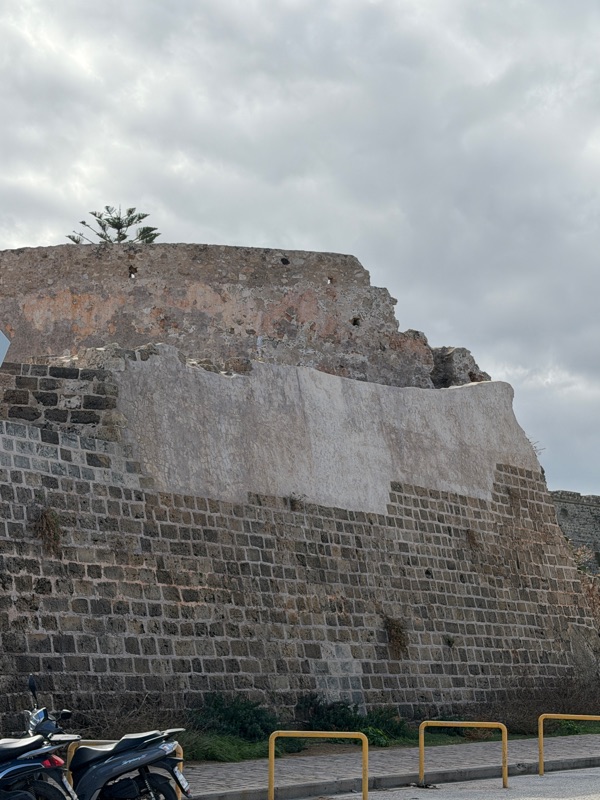
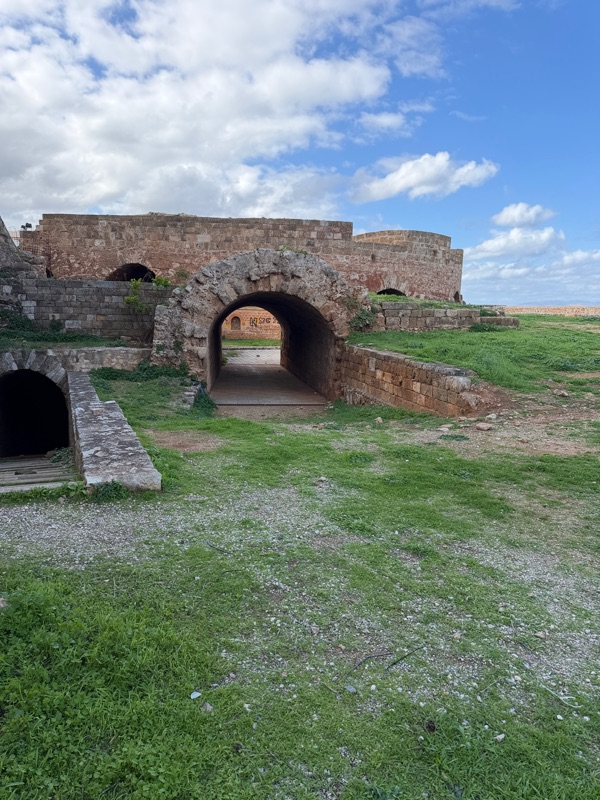
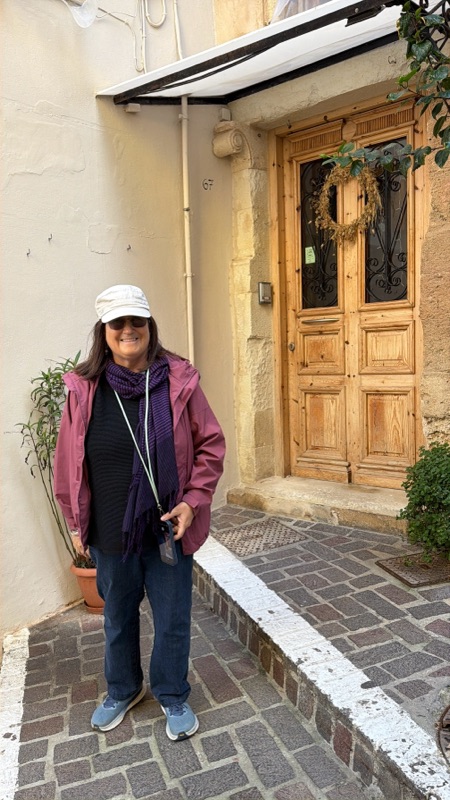
Below : charming streets and alleys
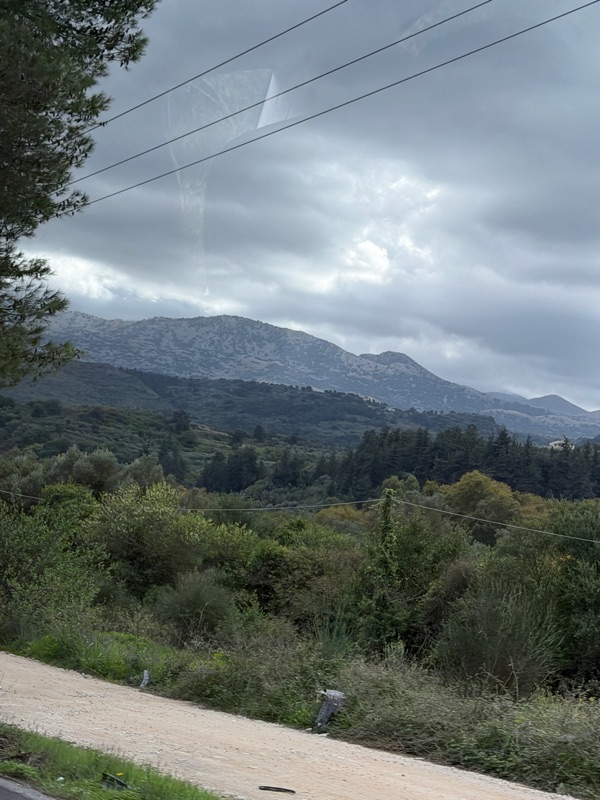
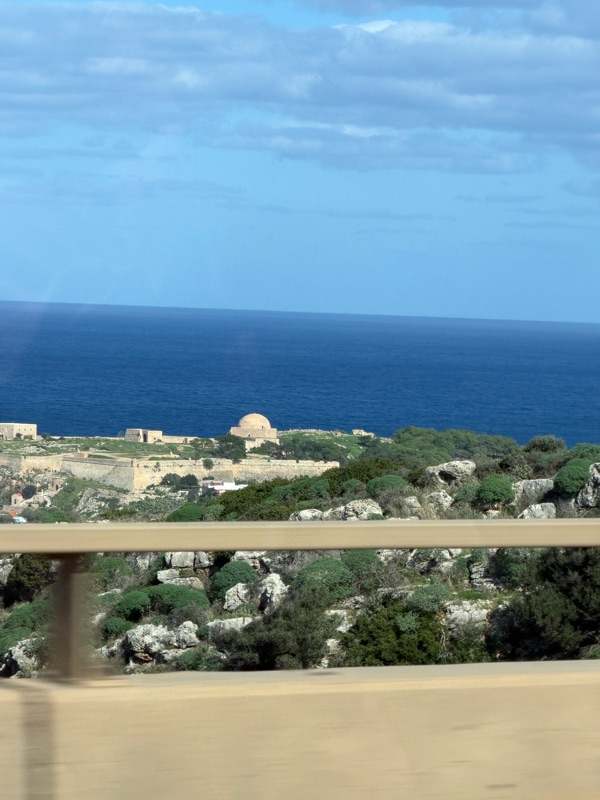
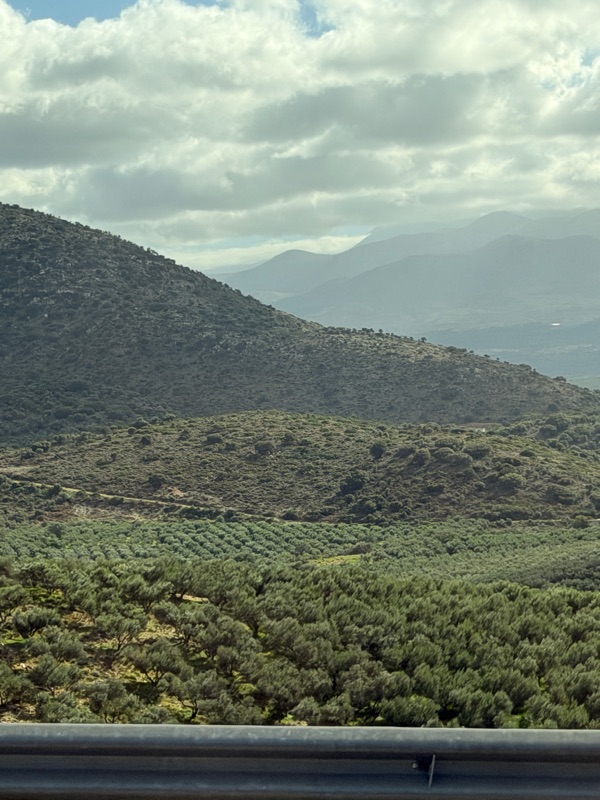
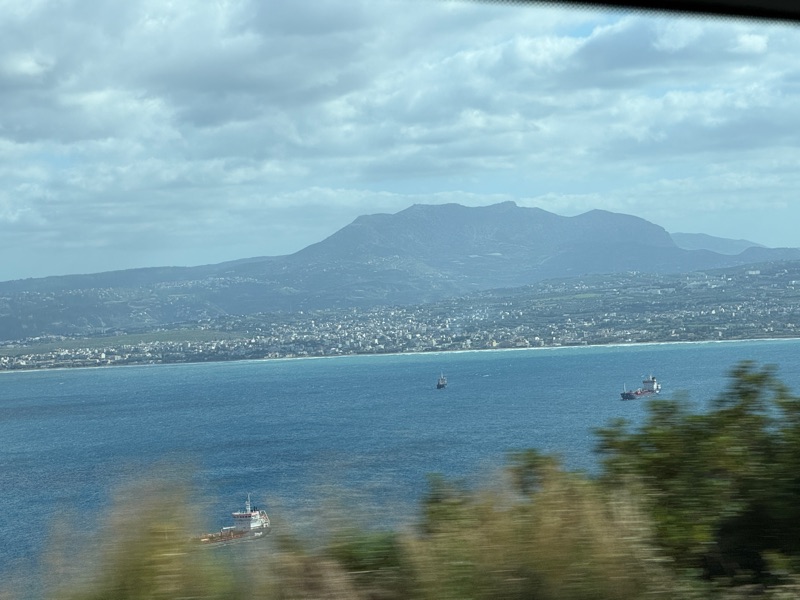
The drive back to Heraklion was uneventful. We enjoyed the beautiful scenery along the coastal road, with many views of the sea, the mountains and miles of olive groves. Since we were less focused on historical sites, we could appreciate more of the natural beauty of the island.
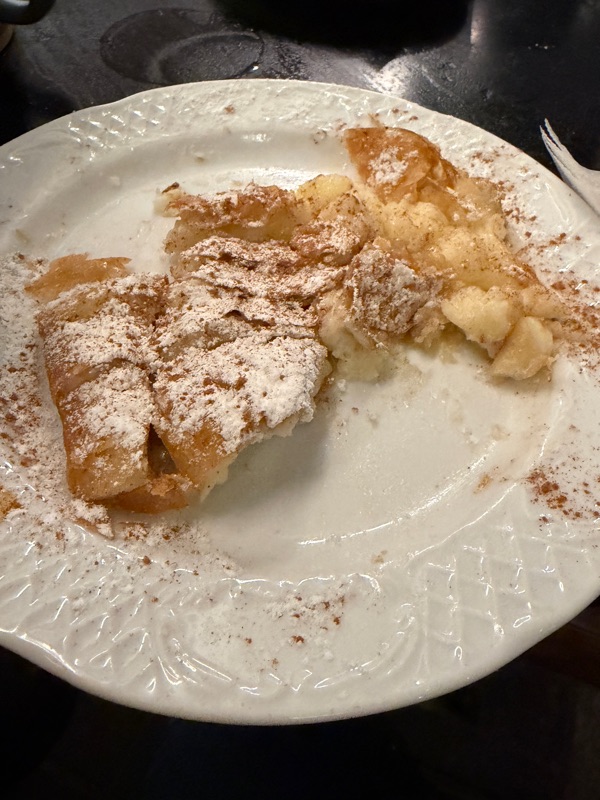
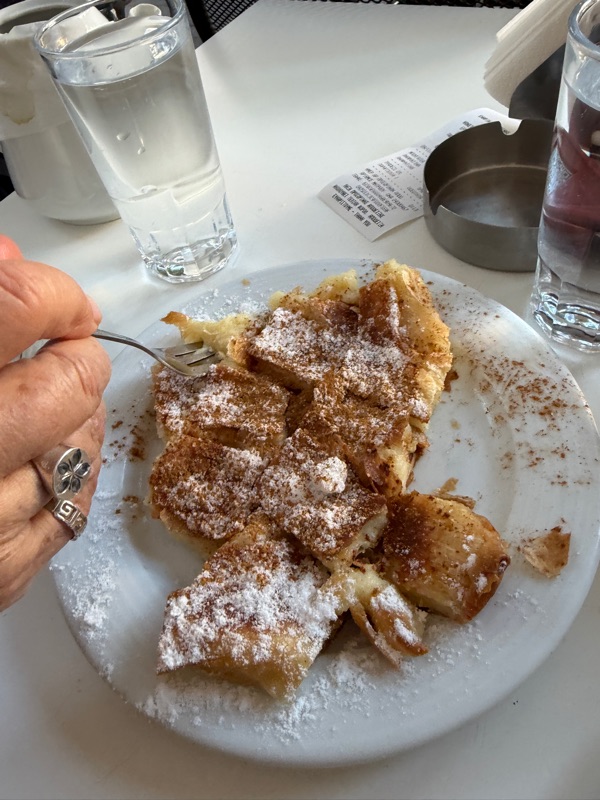
We checked in to our new hotel, centrally located near the center of the pedestrian area, and went out to explore. We did some shopping, and then sat in a cafe drinking tea, eating Bougatsa (Cretan philo and cream pastry), and people watching.
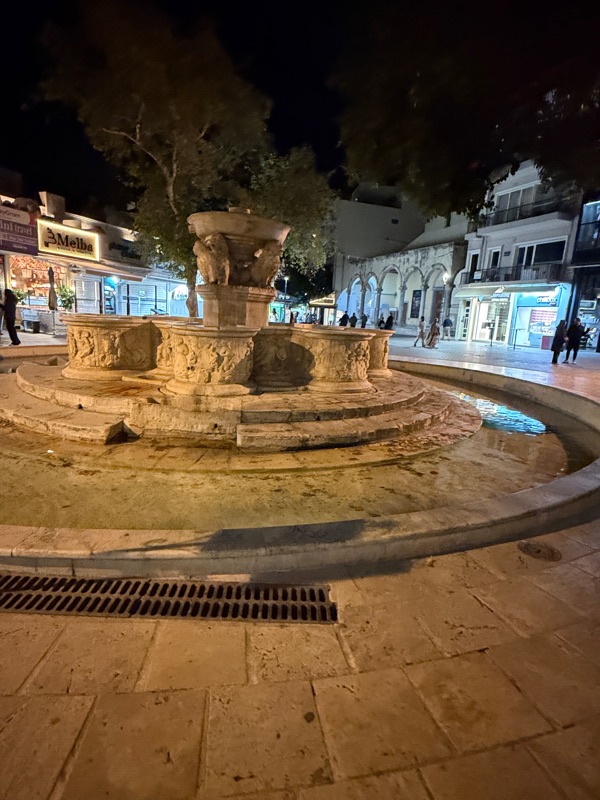
Today (Monday) we got busy seeing the last Cretan sites on our list.
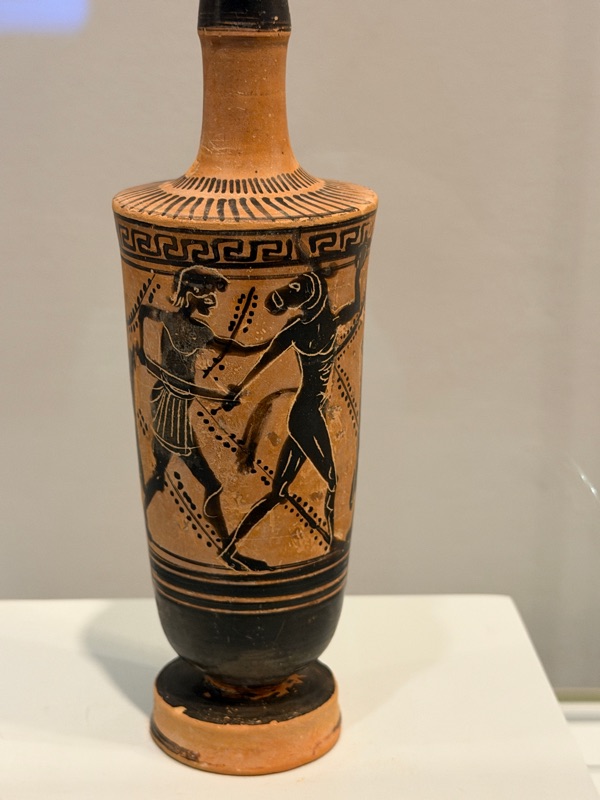
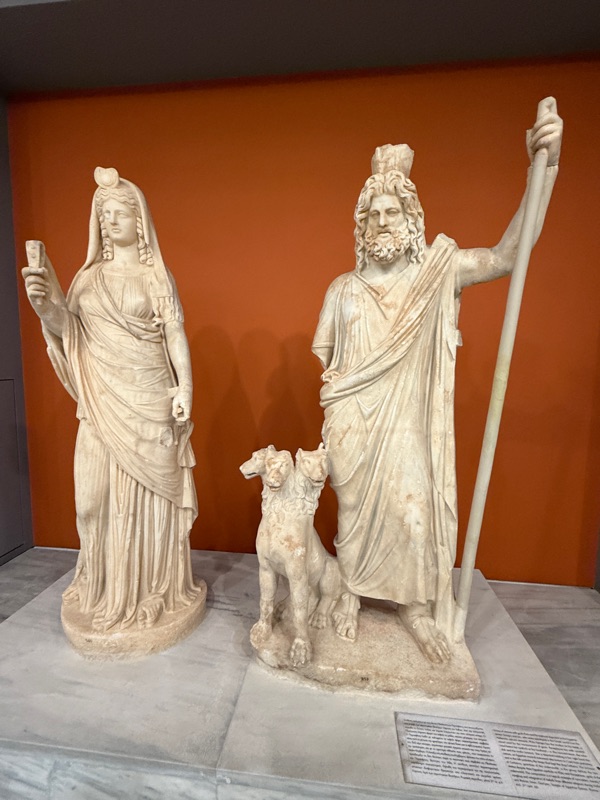
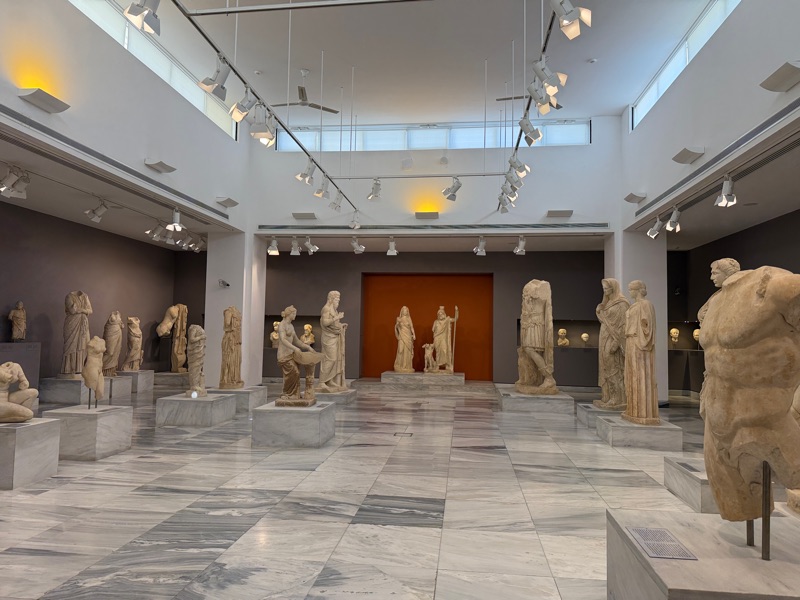
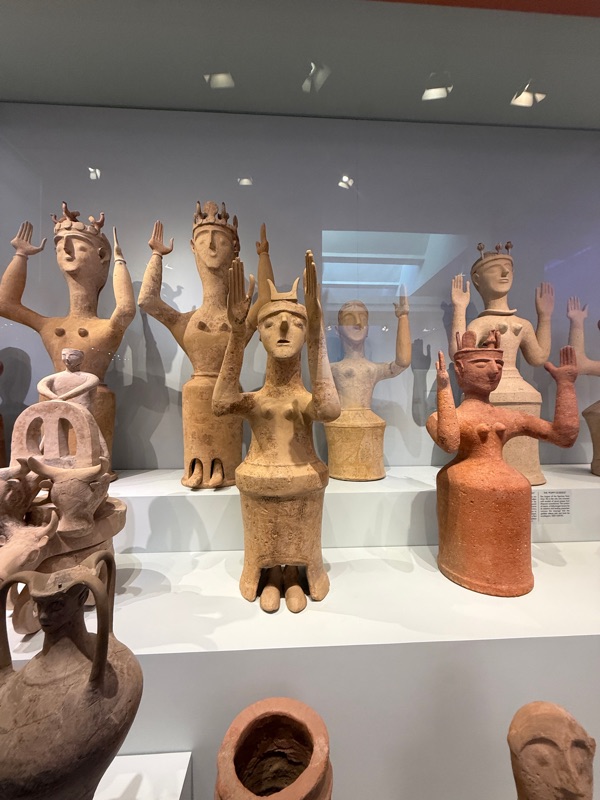
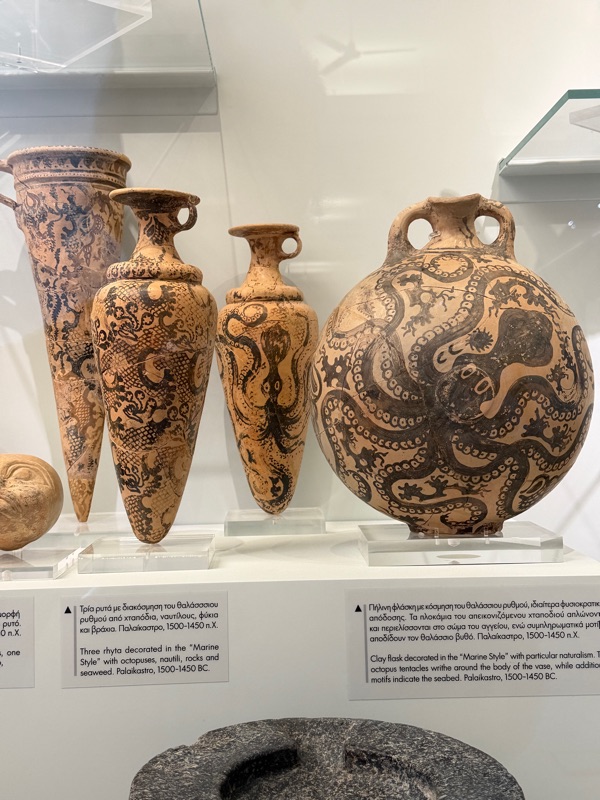
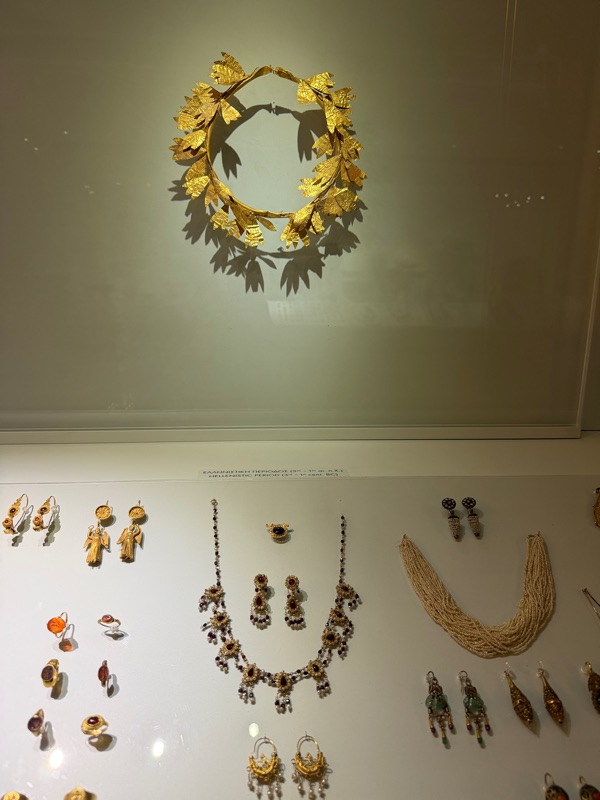
High on our list was returning to the Archaeology museum where we spent about two hours, revisiting our favorites from our first visit mostly from the sites we had been to, noticing more items than we had seen earlier and discovering a whole wing we missed before. Some of the Minoan sites we visited were later occupied by classical Greek, Roman, Venetian and Ottoman cultures as well - so we enjoyed the artifacts from different epochs found at the same location.
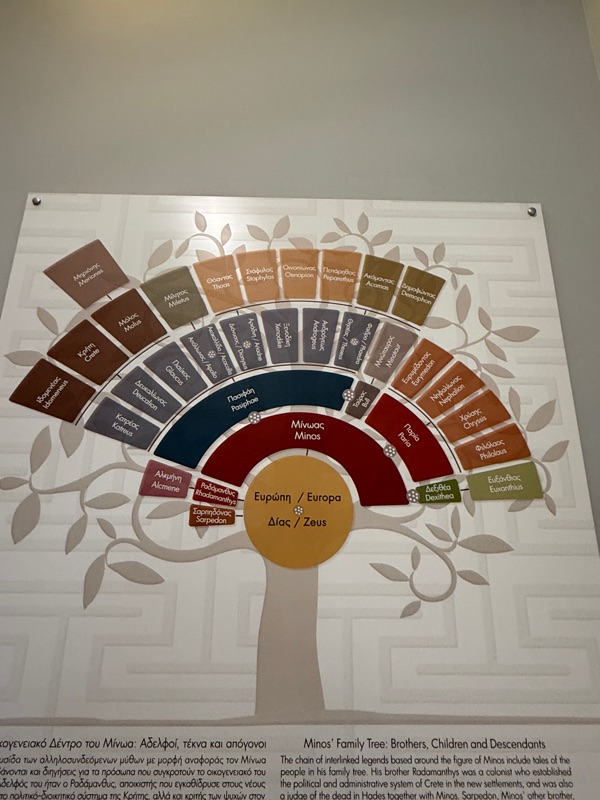
Minoan genealogy charts showing the royal family. The kings who ruled the various Minoan cities were related to each other, which reduced rivalry.
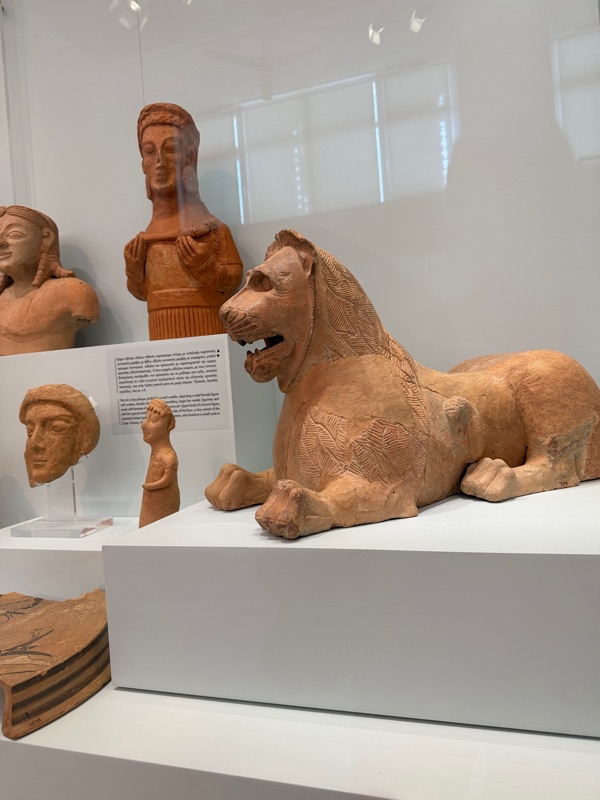
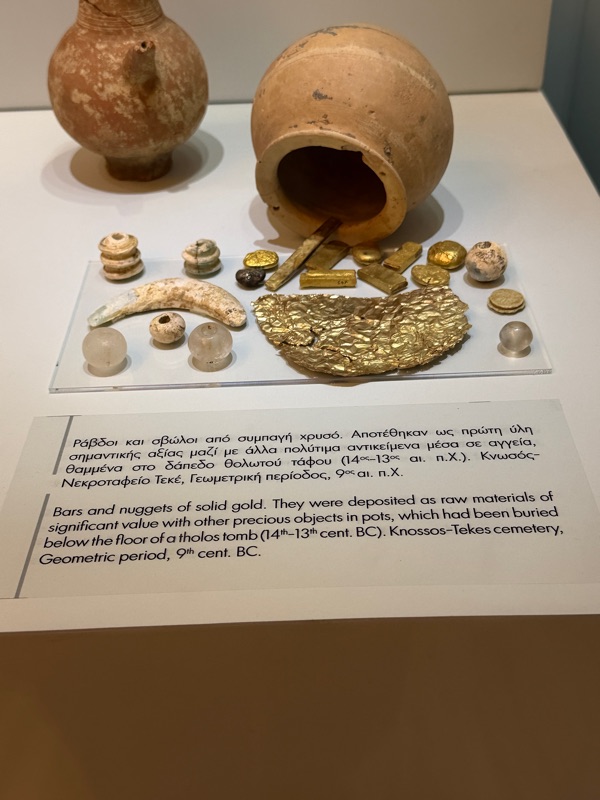
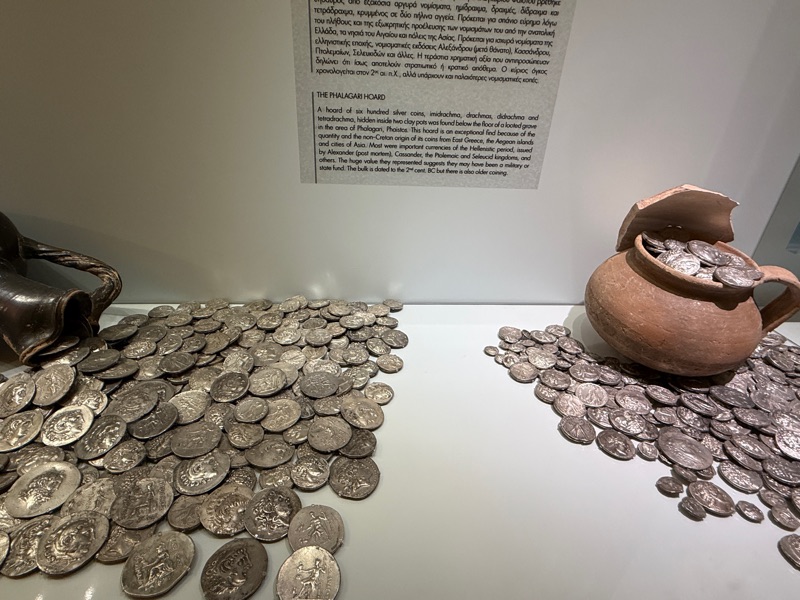
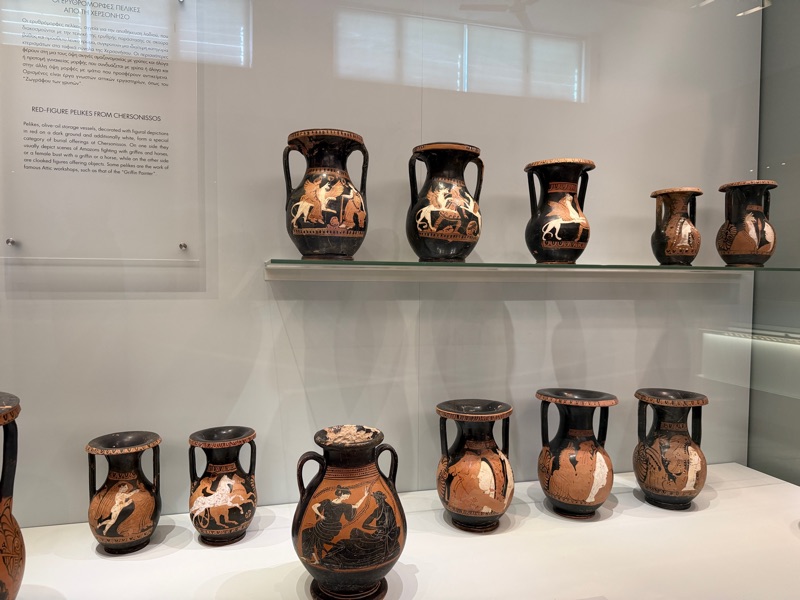
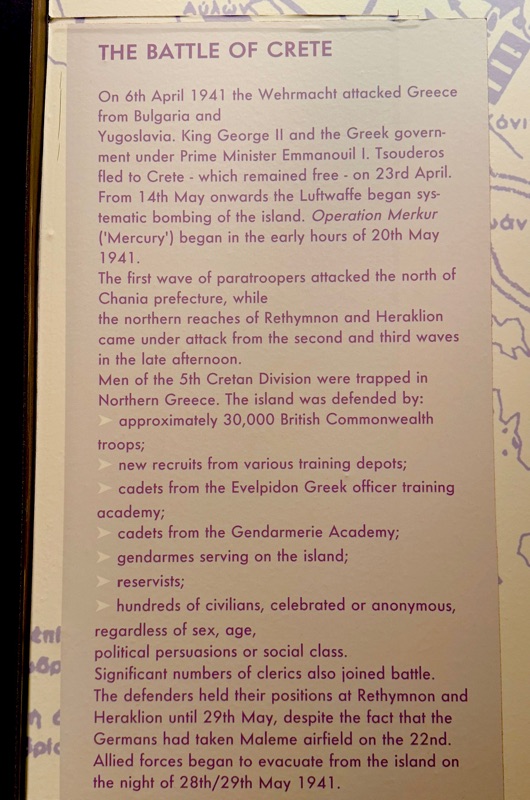
We returned to the hotel and let our backs recover for half an hour, then walked to the History of Crete Museum to learn about the Battle of Crete in WWII. We have learned a lot of lesser known WWII history on this trip, and knew that Crete had a story to tell. The focus of Crete’s story is the strong resistance the local people mounted for over four years. Most of the resistance groups were small, often family centered, and located in isolated bases in the mountains, doing what they could stop the Germans, often with British assistance.
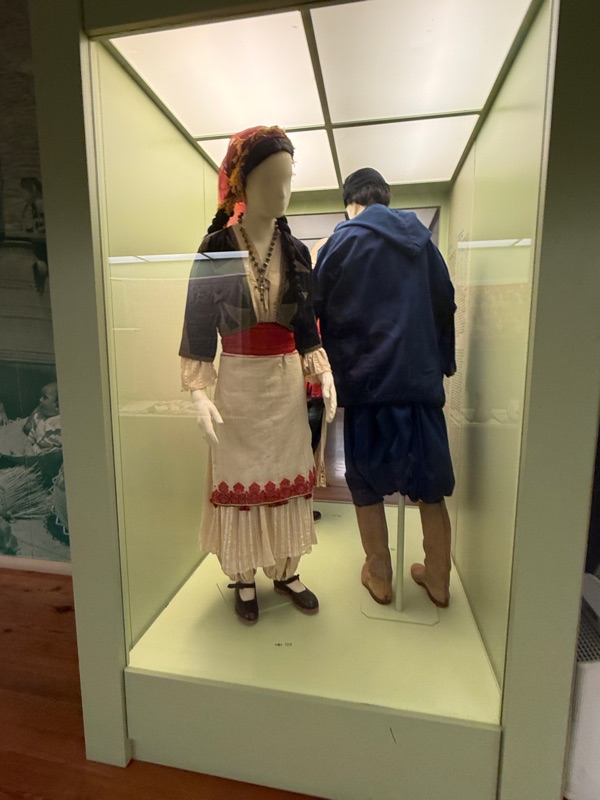
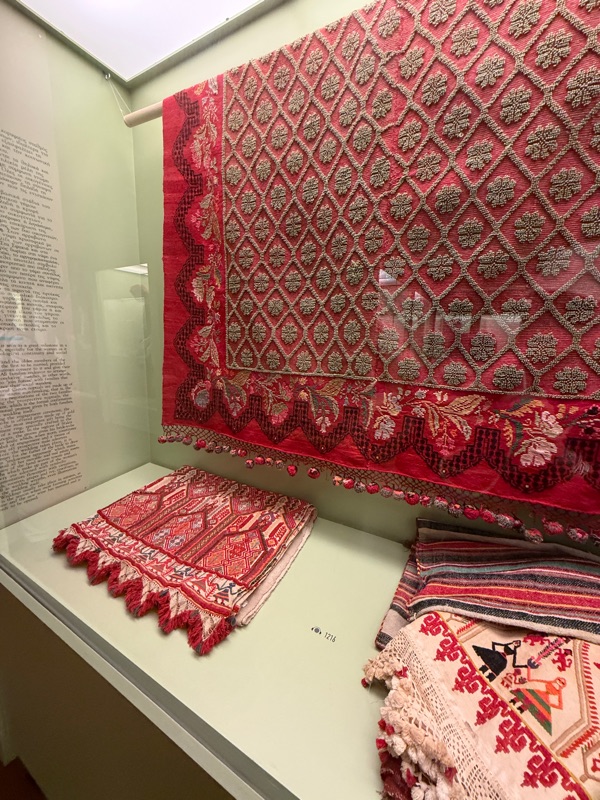
The museum also had an interesting exhibit about Cretan Folklife. The exhibits had information about the important aspects of daily life with clothing and food people created and used at weddings, funerals, births, planting, harvesting and saints days. They had remarkable textile examples, including hand made lace, and a loom.
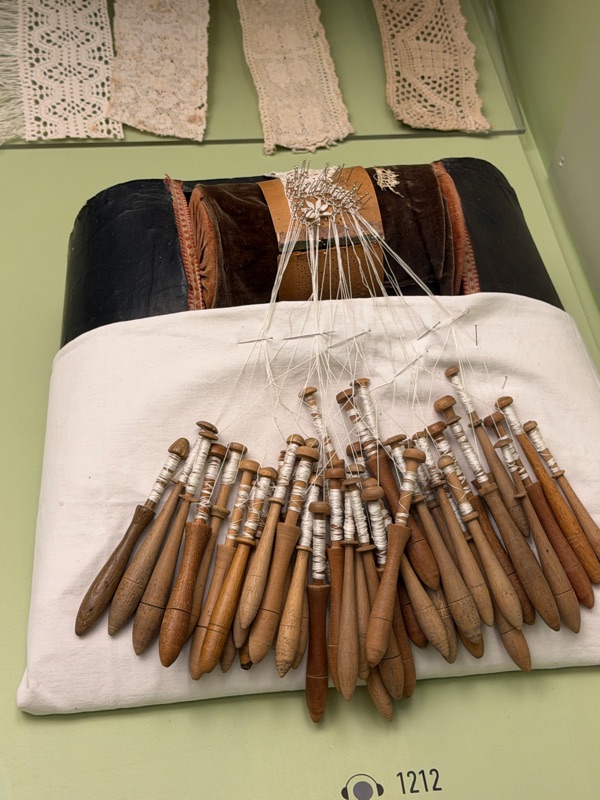
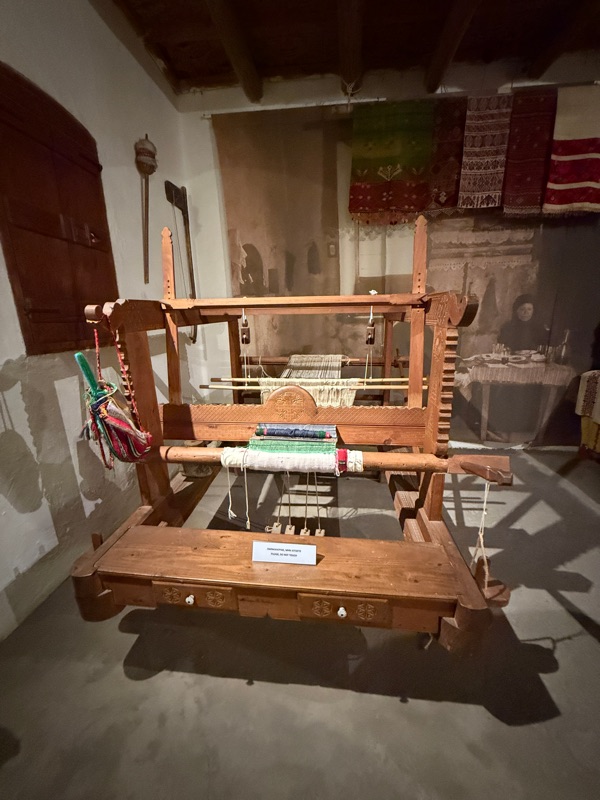
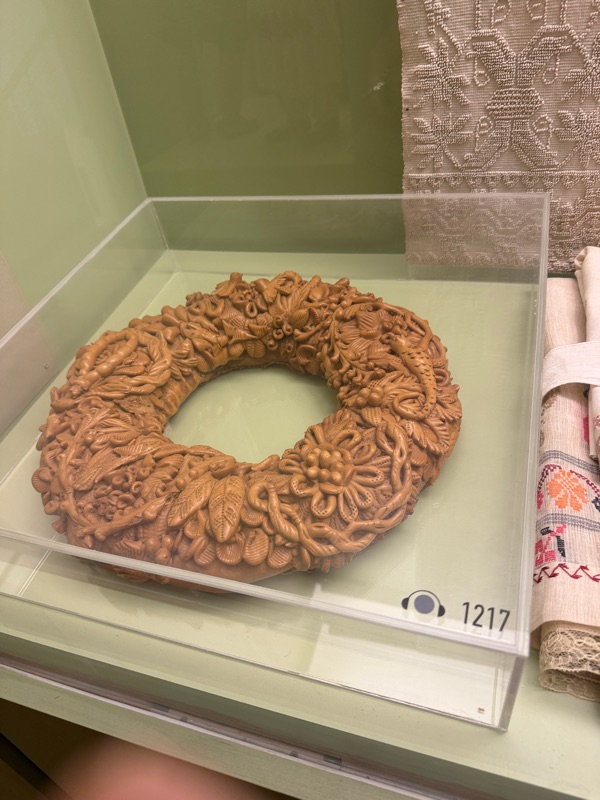
Holiday bread
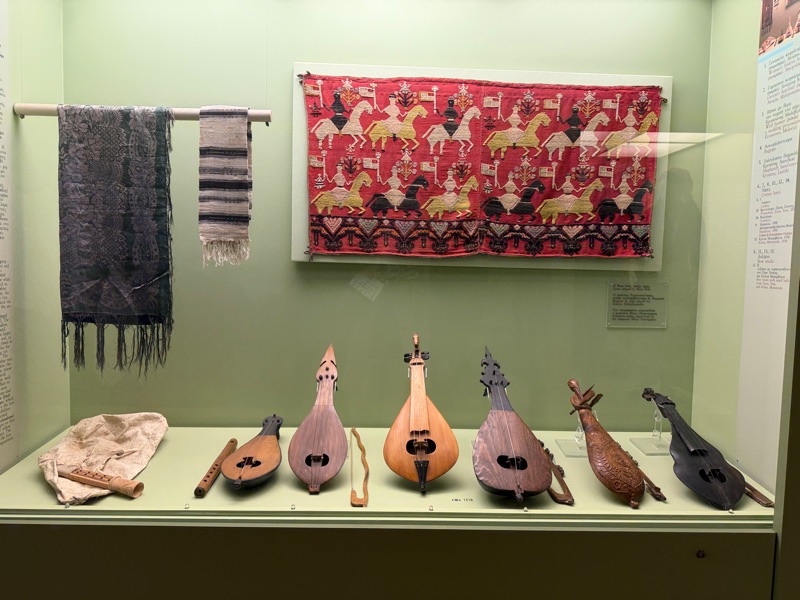
Musical instruments- music and dancing were and important part of village life.
We finished in the museum just in time to walk down to the Venetian Koules Fort in the harbor before it closed at 3:30. We only had 25 minutes to explore - but that was enough to see the huge store rooms downstairs - as well as the spectacular view from the top.
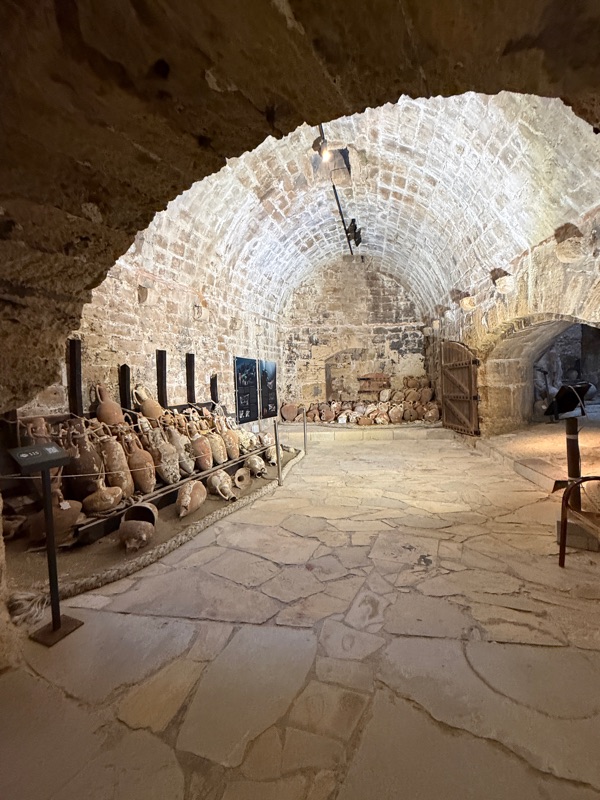
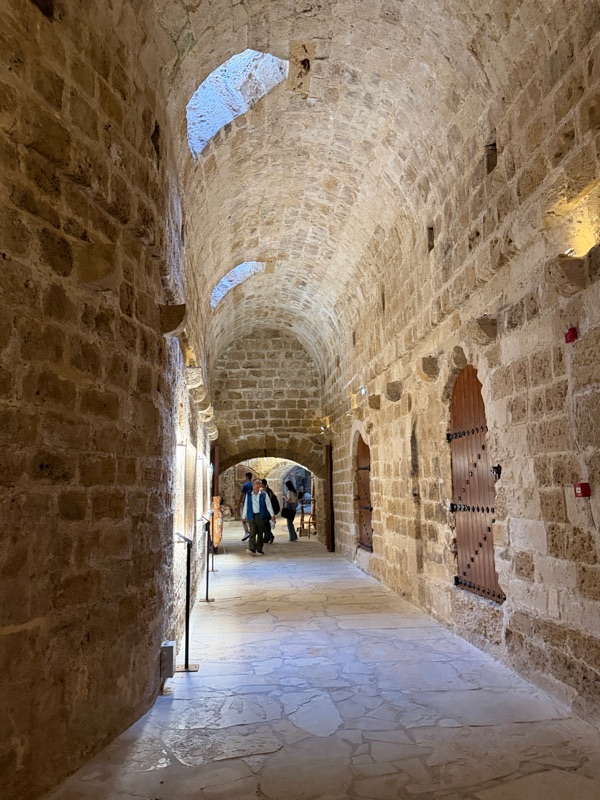
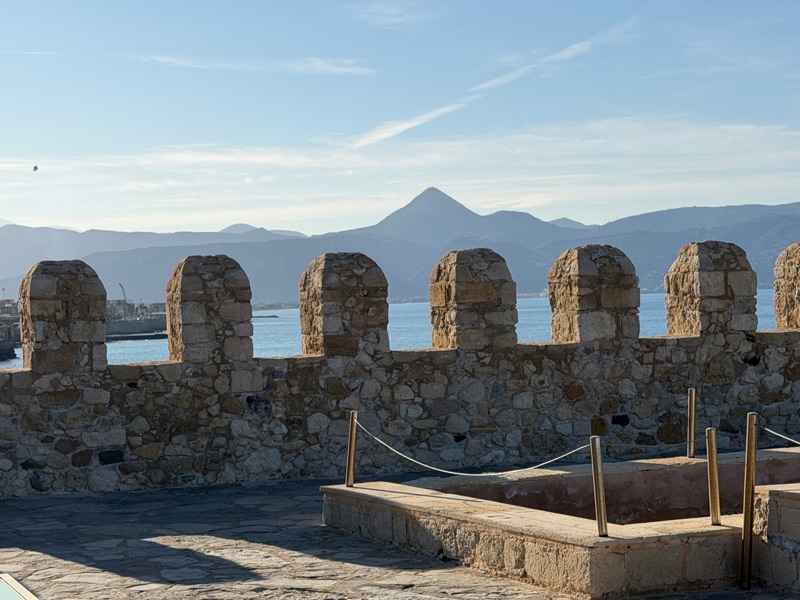
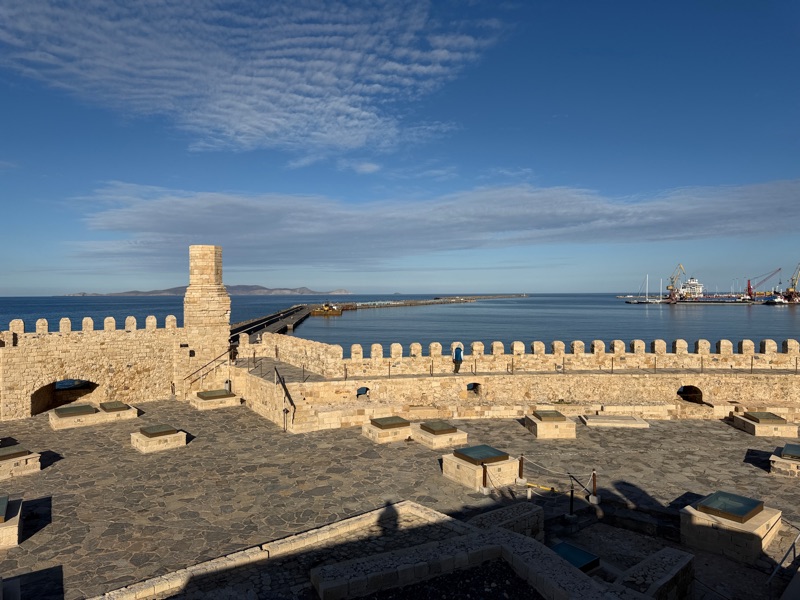
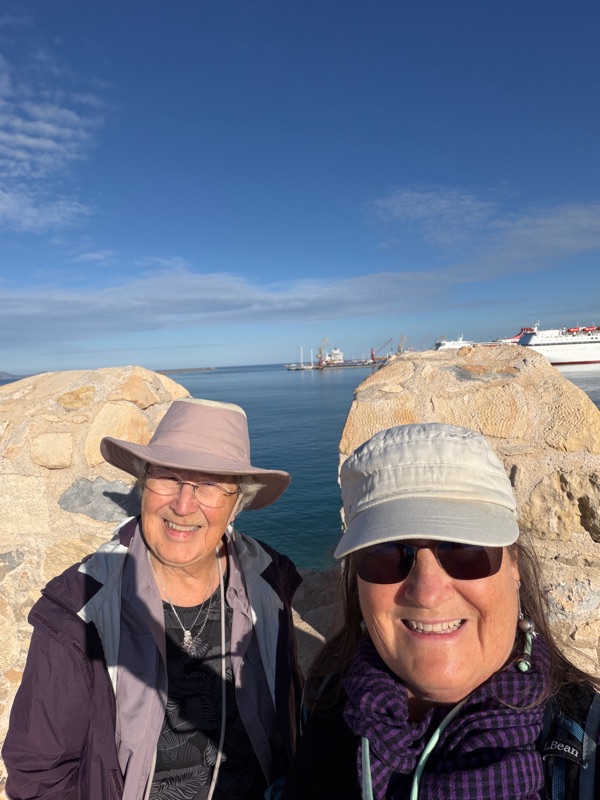
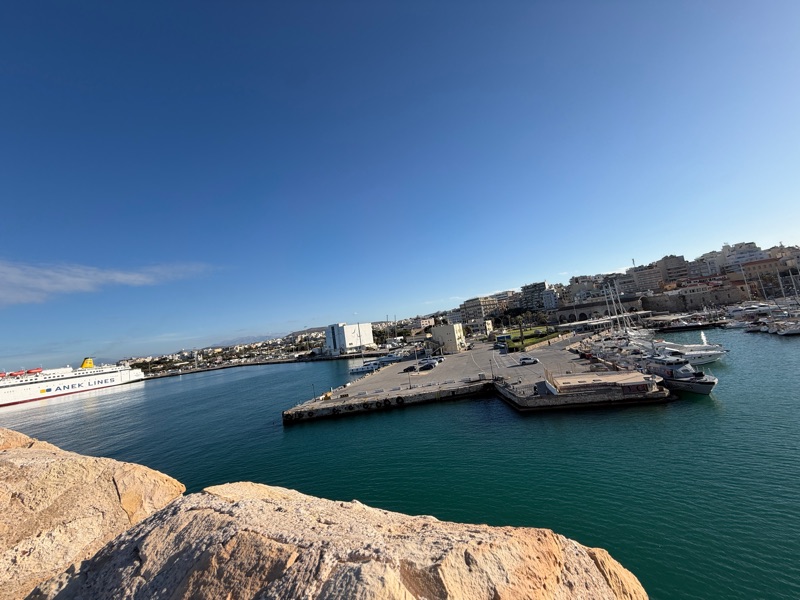
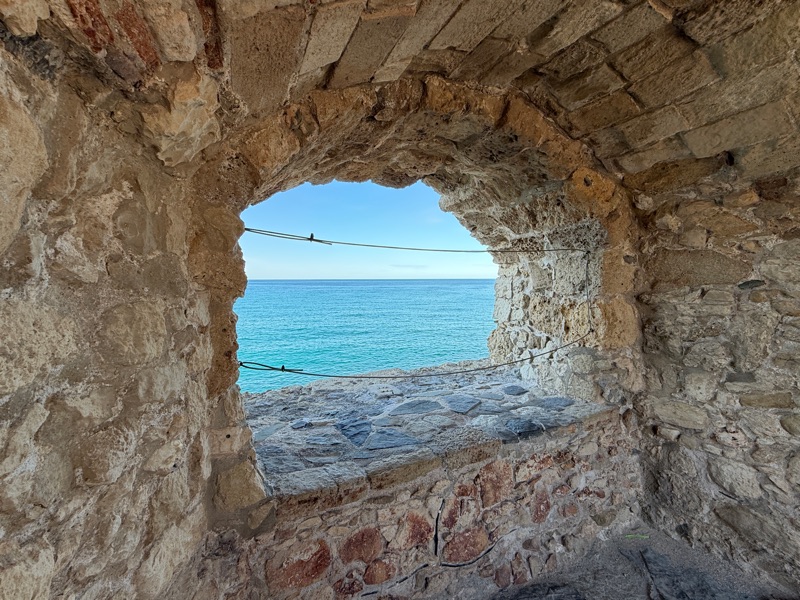
Needing some respite, we made our way back to the center of town (the lion fountain) for more tea and Bougatsa.
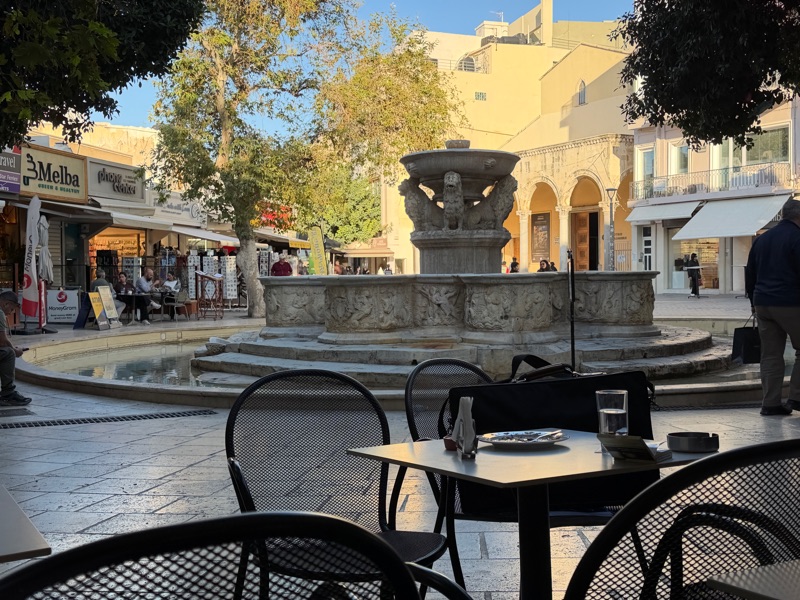
Then spent a quiet evening preparing for our next adventure.


That glass floor in the gift shop is fascinating!
ReplyDeleteI have long been fascinated with how ancient civilizations are buried under layers beneath our feet! I sort of don’t understand that. I guess if people are living there continuously, the structures remain; but if the people all die off, or are conquered and transported to somewhere else, over much time the environment covers and essentially hides or buries the buildings.