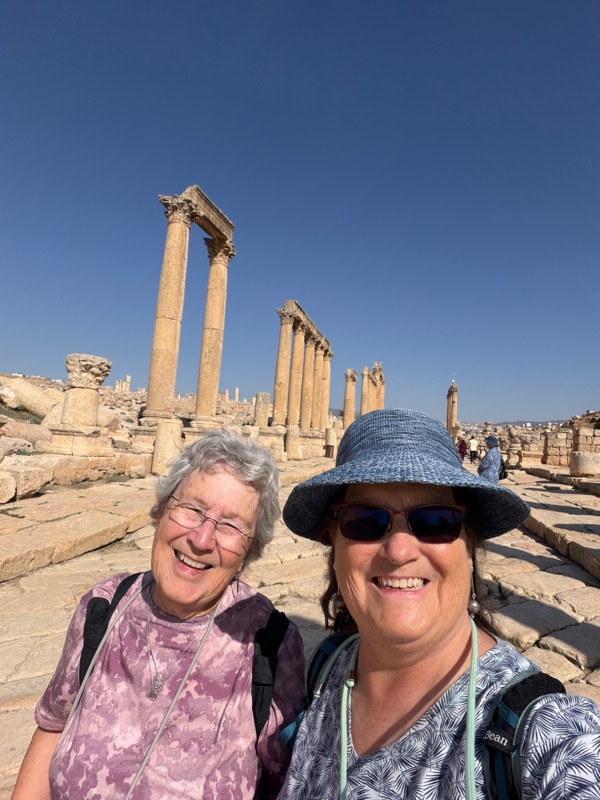
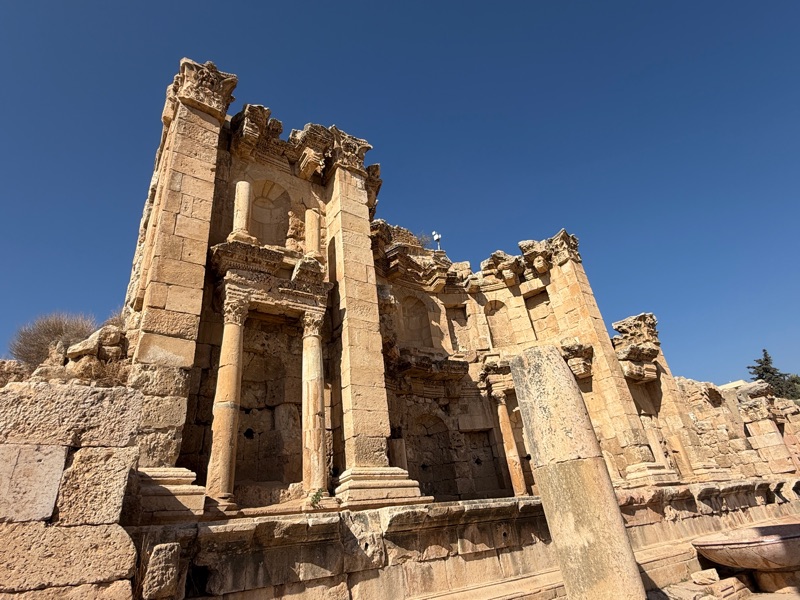
Today we spent a marvelous day exploring the ruins at Jarash, a town about an hour north of Amman. Known as “the Pompeii of the East” or “the city of 1000 columns”, the Greco-Roman archaeological site has amazingly well preserved architecture from its Roman period.
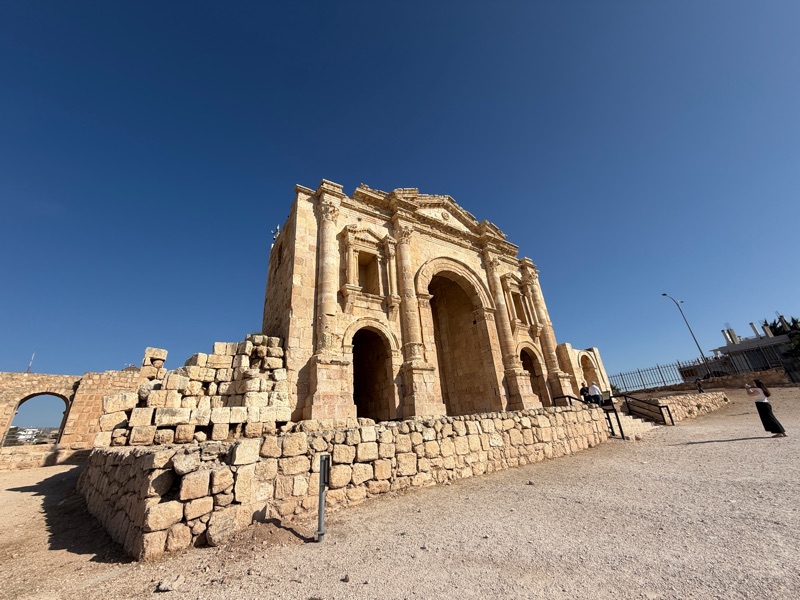
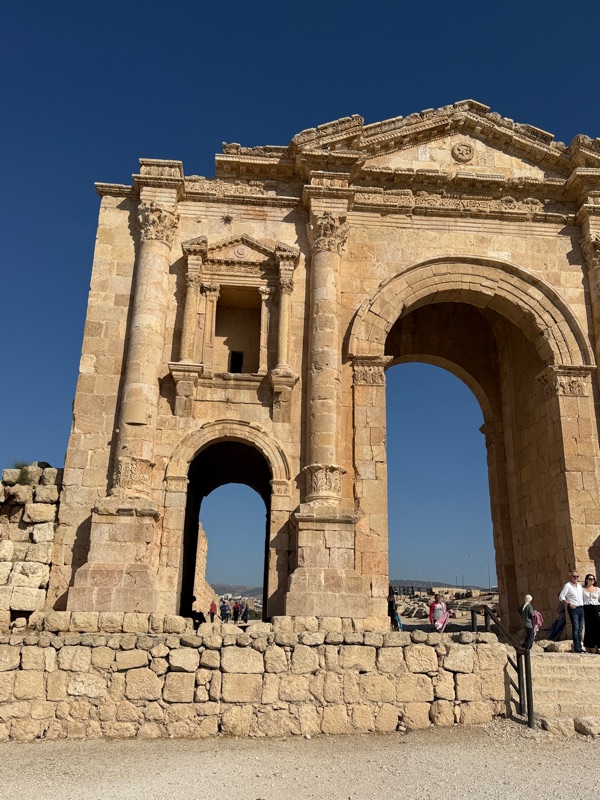
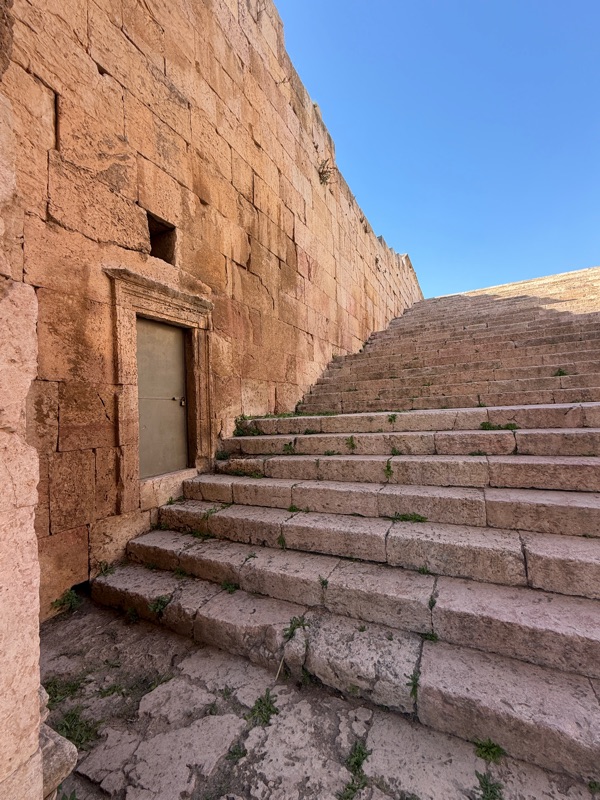
The visit starts at Hadrians gate - built for then-Emperor Hadrian in the 1st Century AD. The city of 35,000 people was thriving at the time, and the extra large gate was built out side the city walls. The Hippodrome (racetrack for chariot racing ) next to the gate is the best preserved and one of the smallest hippodromes in the Roman Empire.
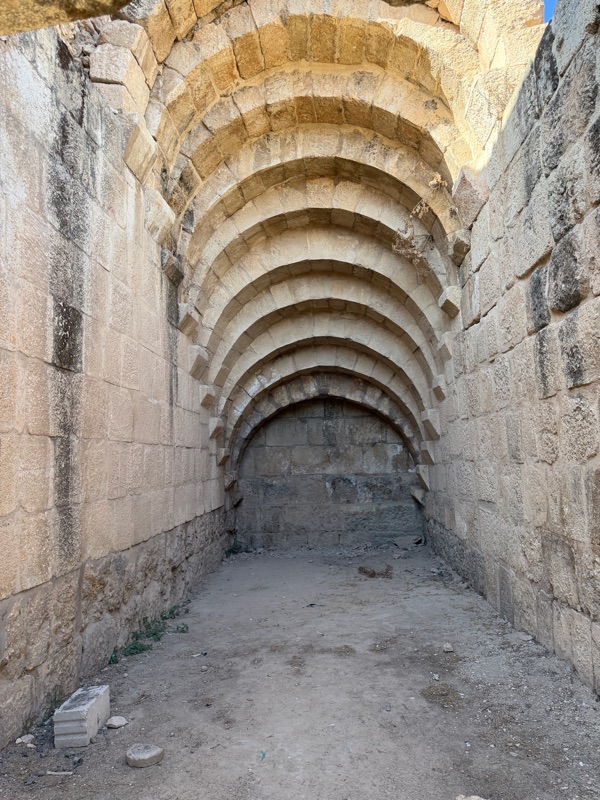
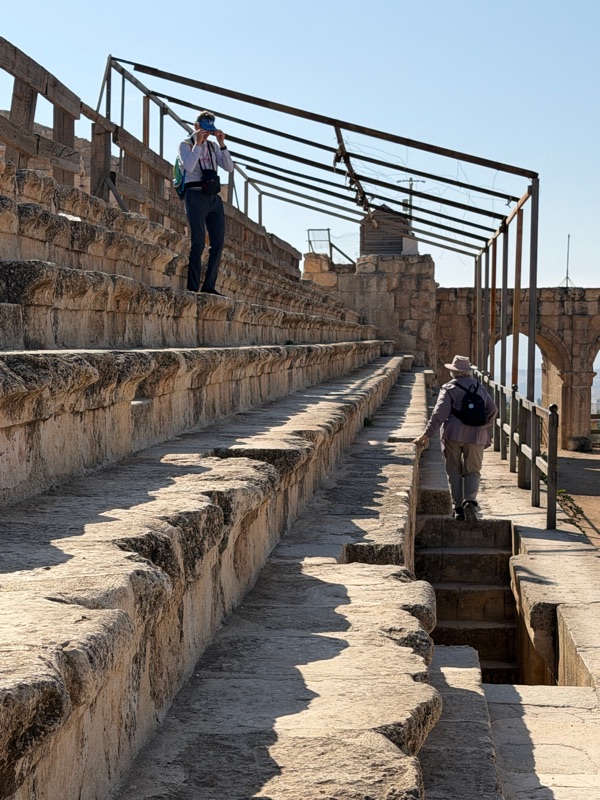
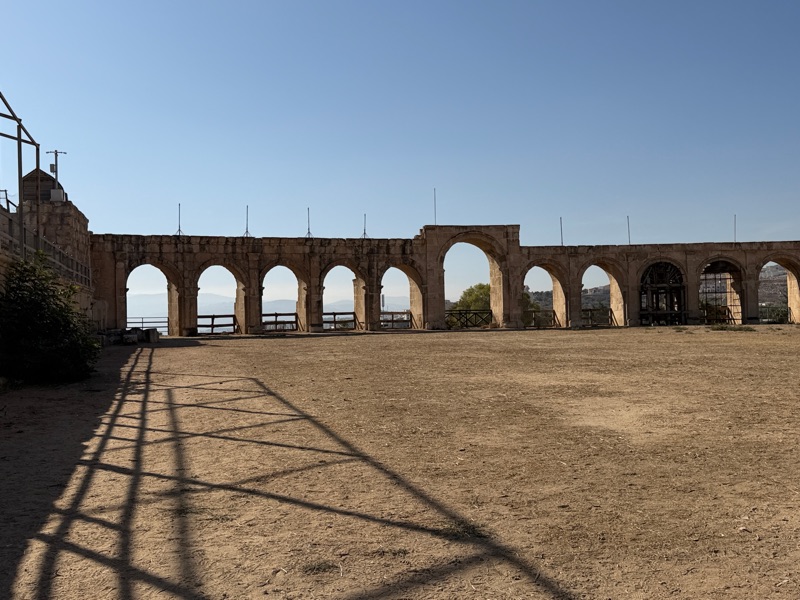
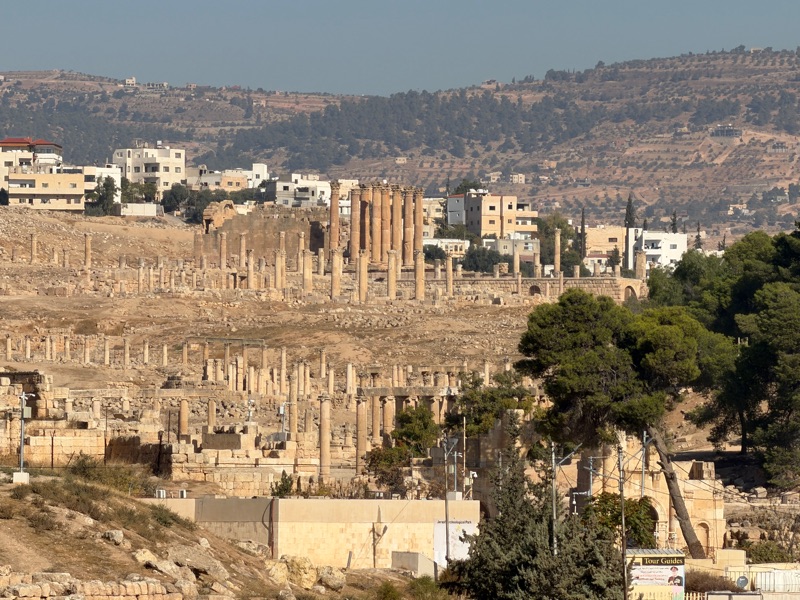
Closer to the city walls, past the South Gate (which is the official entrance to the site) we entered the temple of Zeus/Jupiter. In the perfectly preserved underground section, there were the remains of the Greek temple that had stood within the Zeus temple.
One of the unique features of the site was a huge oval agora. The architectural feat of keeping the lintels of the columns all around even, while the enclosed area sloped downward, was quite amazing.
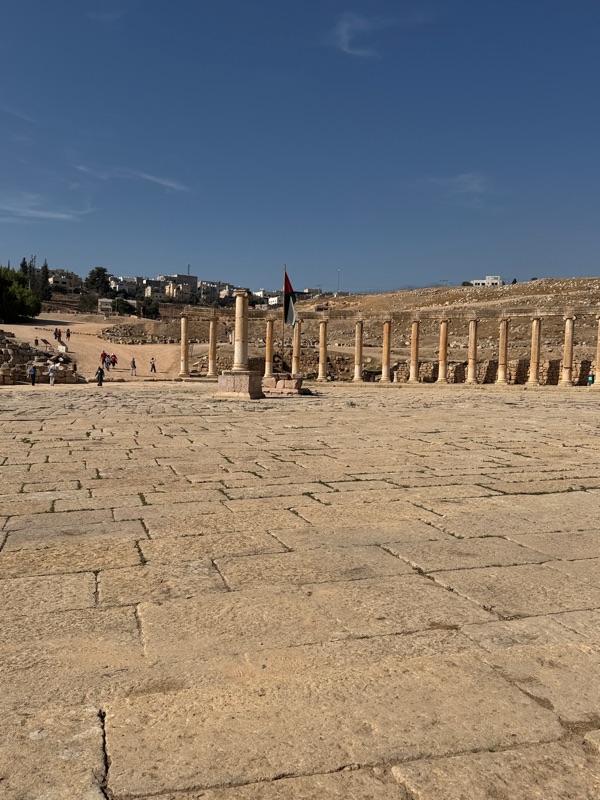
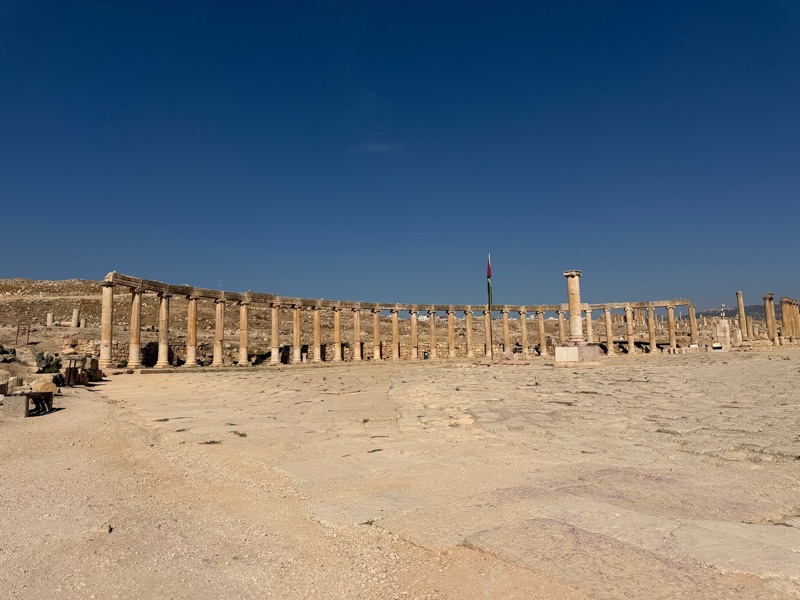
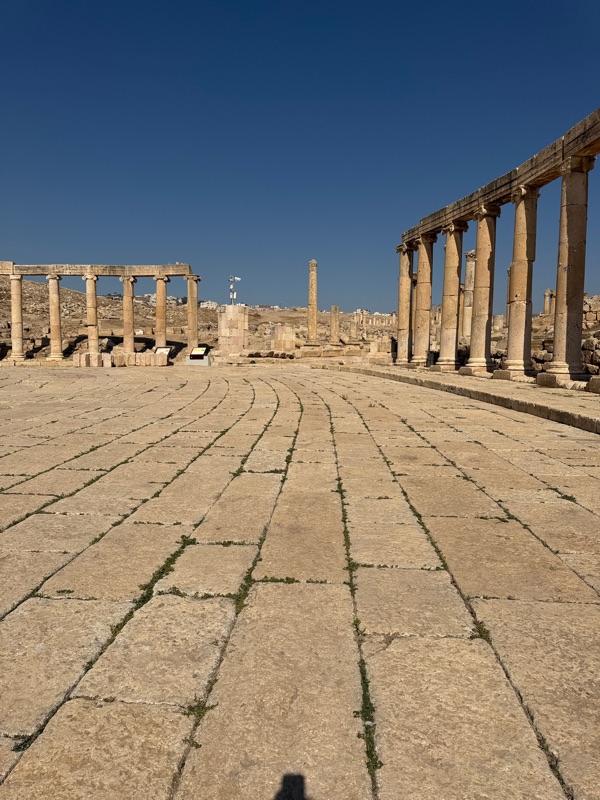
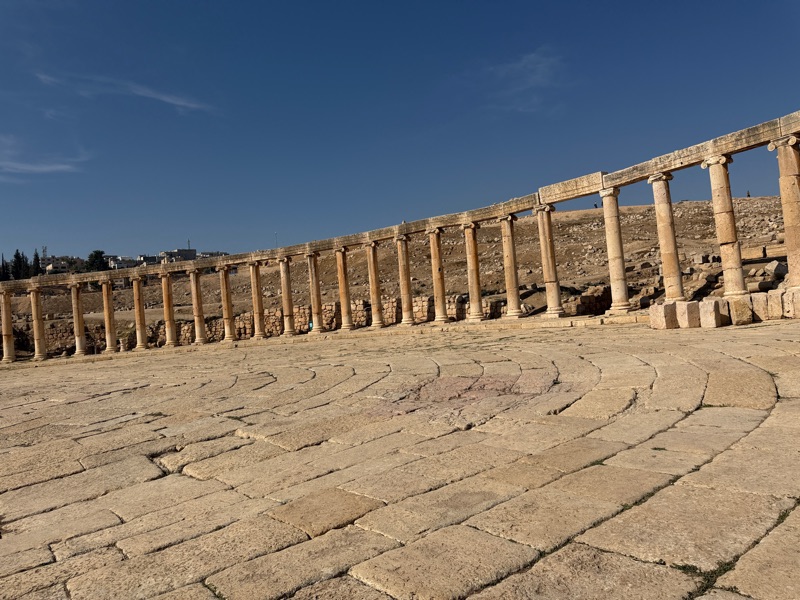
Most of the site had been covered over with dirt between about 800 AD and its excavation in the 1920s. As a result, when they excavated this area, almost all of the columns and lintels were entirely intact.
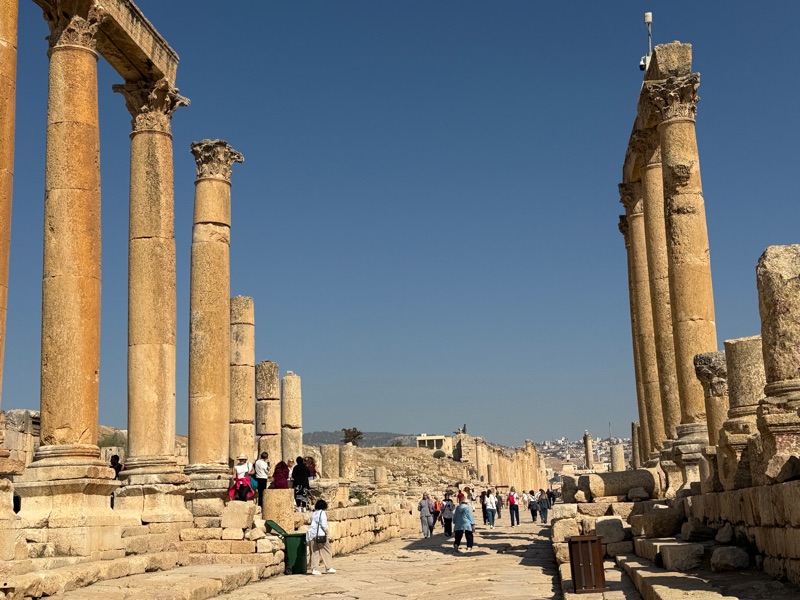
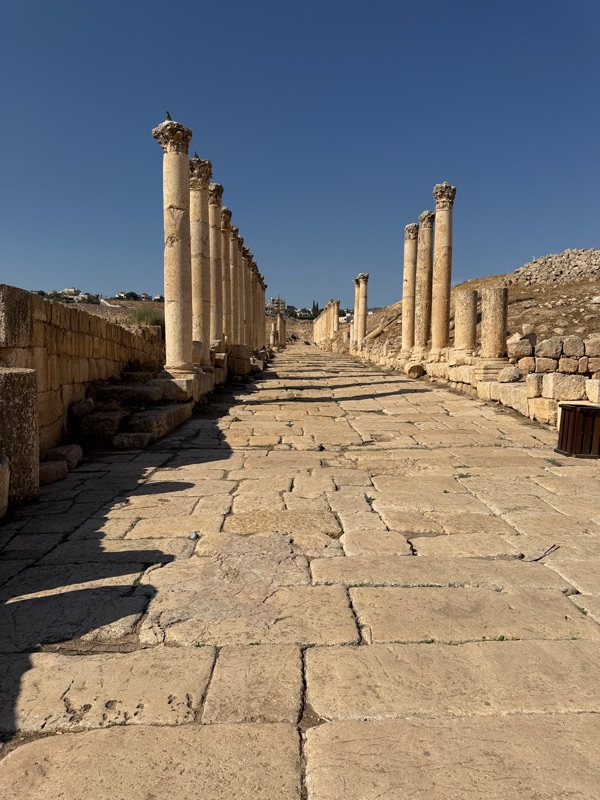
The colonnade along the 800 meter Main Street through the town was also largely intact, as was the Roman road, and the drainage system underneath it. It was really amazing.
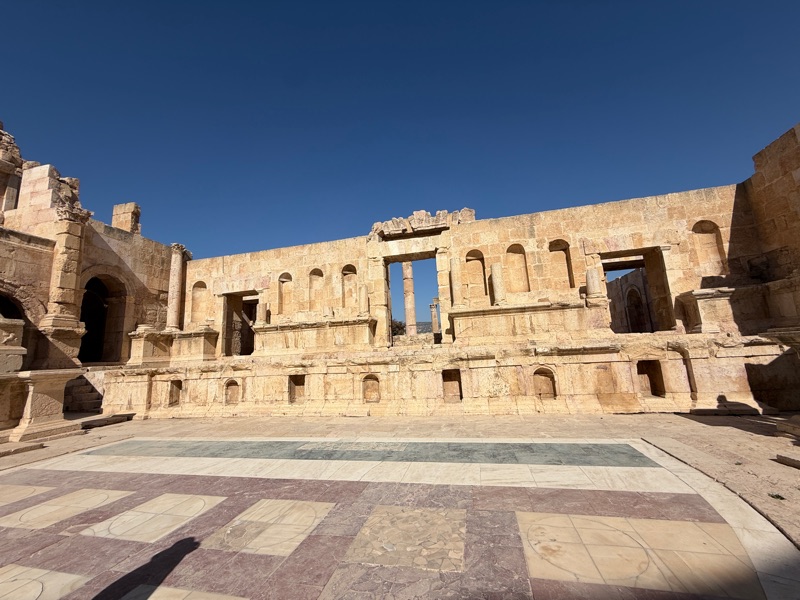
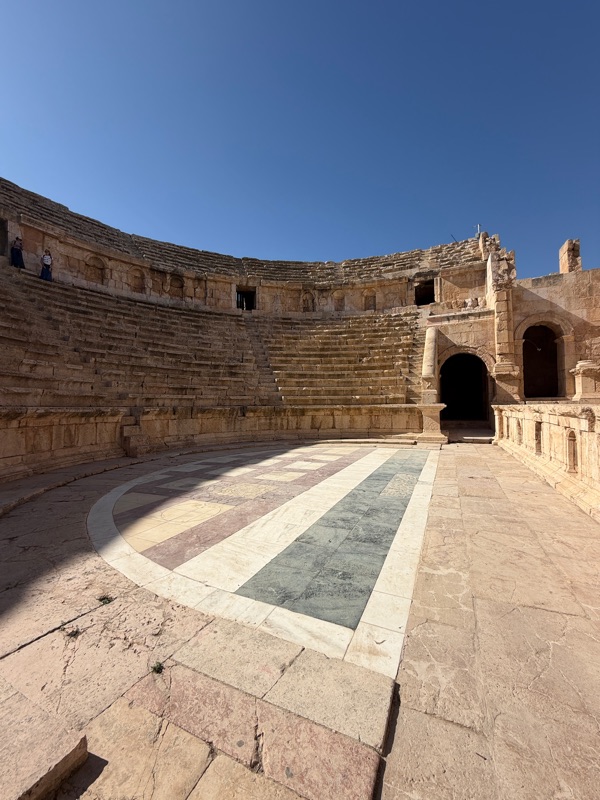
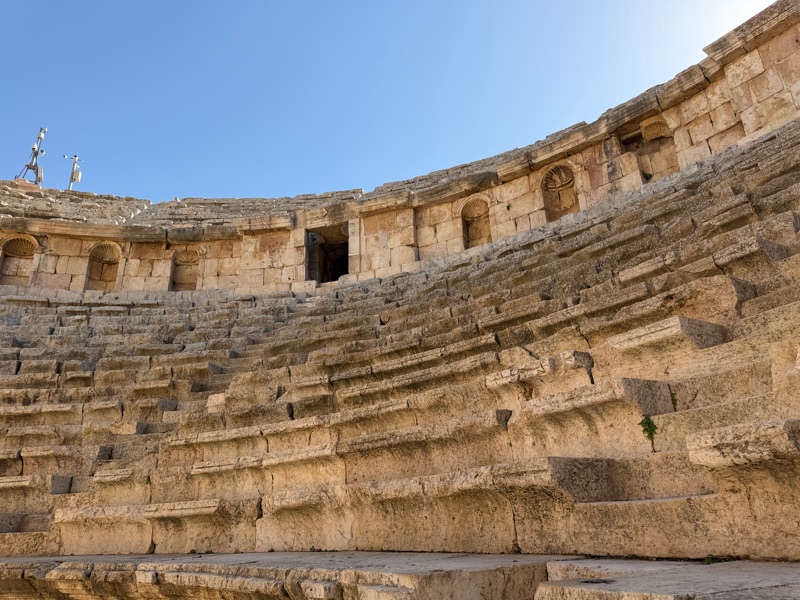
One of the particularly remarkable buildings was at the far north of the site, the best preserved of the three theaters in the town. The theater is the only known Roman theater to have had a marble floor. And the entirety of the theater is still intact and useable.
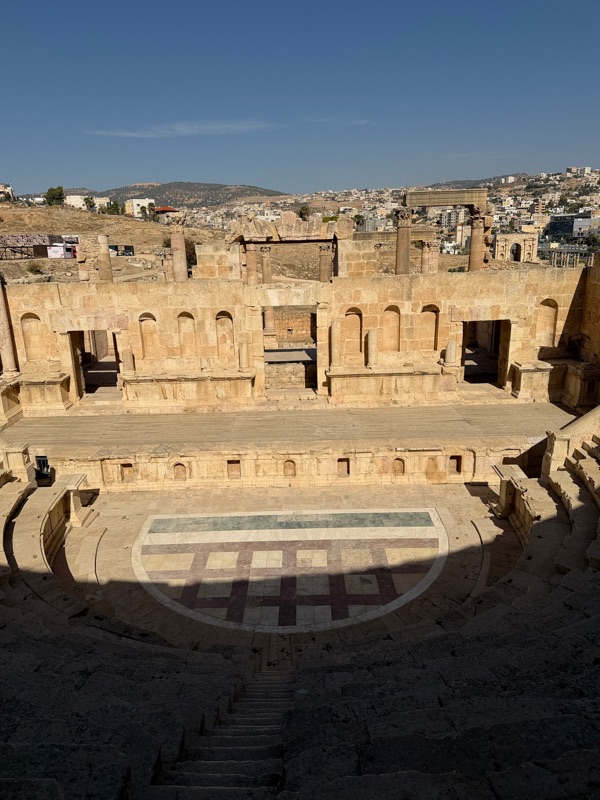
There were lots of other interesting buildings, temples, shopping areas, fountains, etc. we had a thoroughly enjoyable visit.
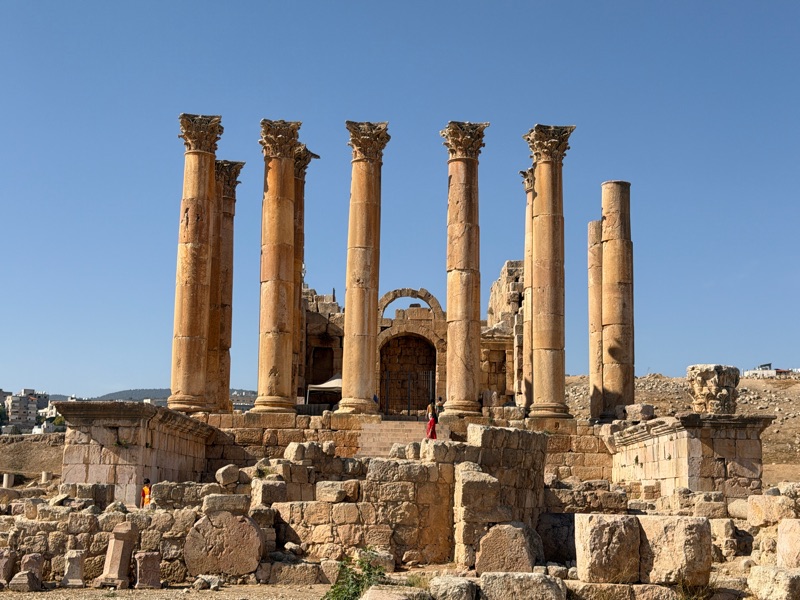
Temple of Zeus
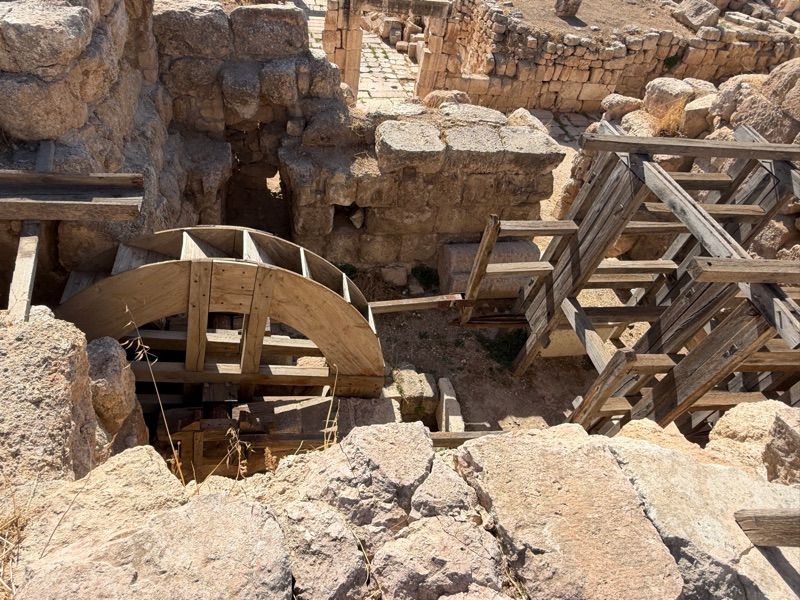
Water wheel
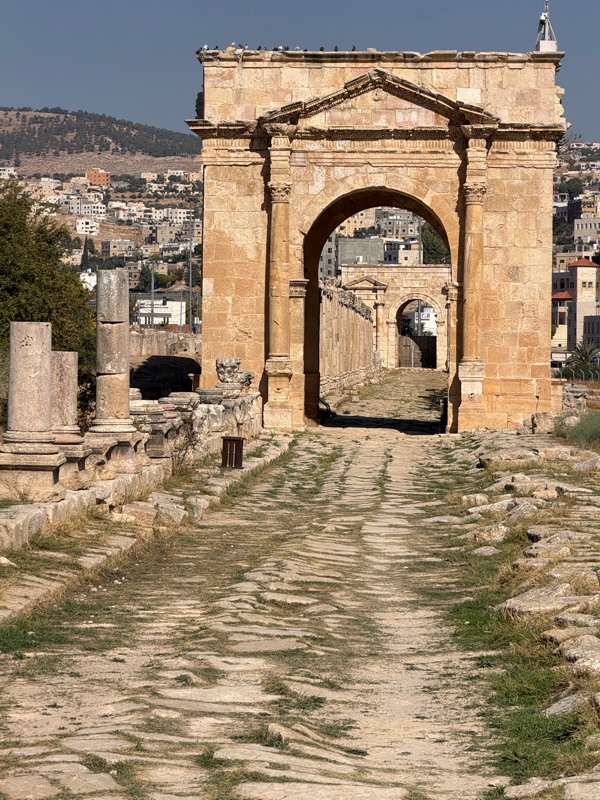
Arches leading to Northern Gate.
As
After a traditional Mediterranean lunch at a restaurant nearby, we headed up into the hills around the city to learn more about olives.
Since it is olive harvesting season, we stopped at a processing factory. For two months of the year, the factory runs 24/7 turning freshly picked olives into oil. The factory charges 10% for the processing - you can either pay them in oil or in cash. It was really interesting to see the process, with men running around operating all the machinery and others waiting to get their olives pressed. It was also VERY noisy and no one was wearing ear protection.
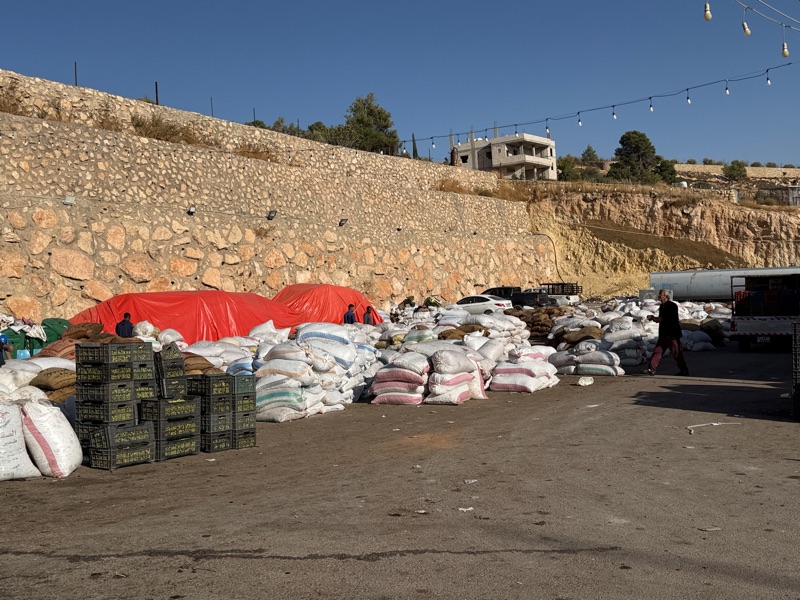
Bags and crates of olives waiting their turn
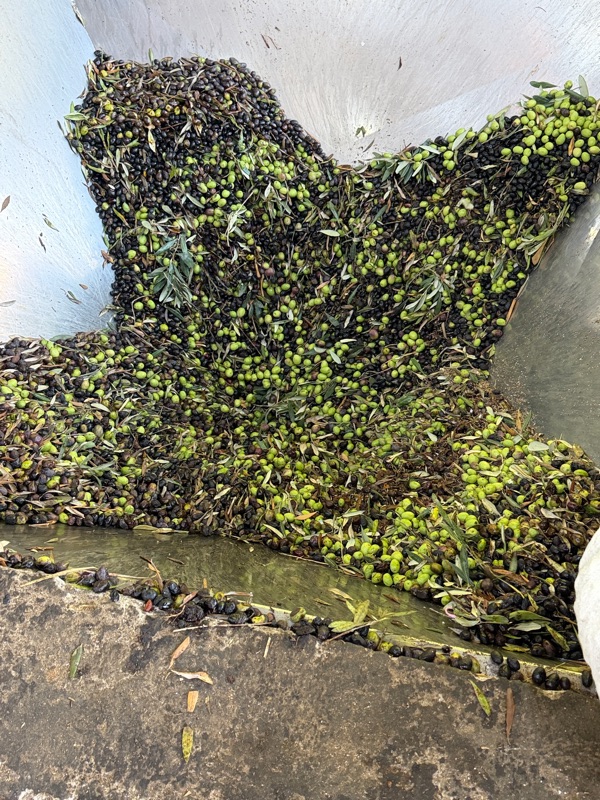
Dumping the bags into the funnel
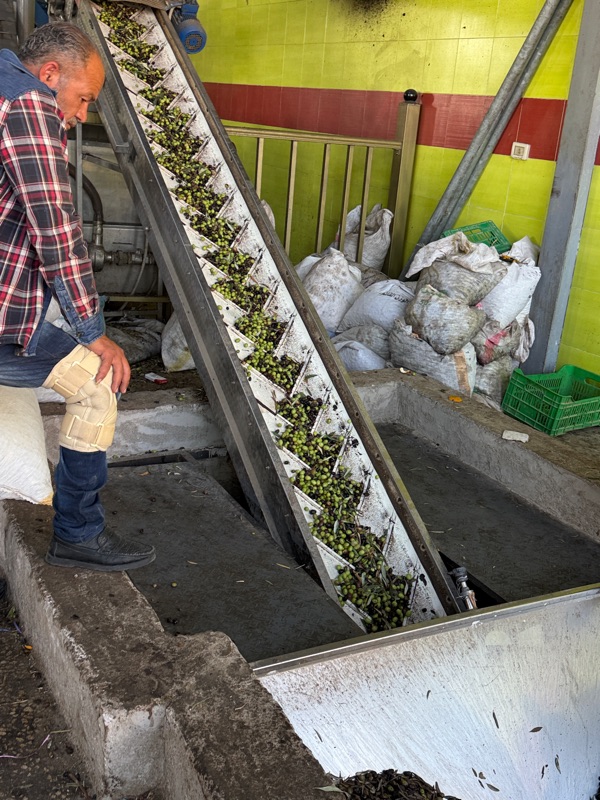
Conveyor up to the press
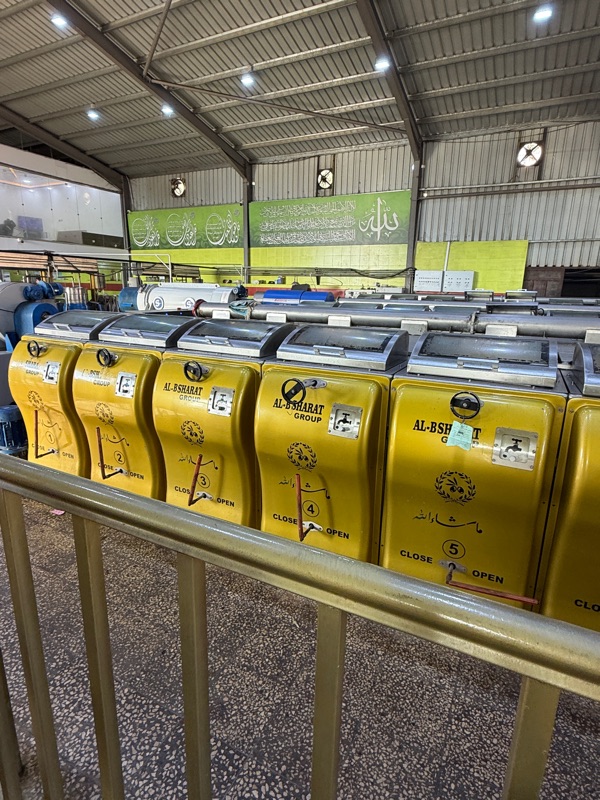
Cans of pressed oil
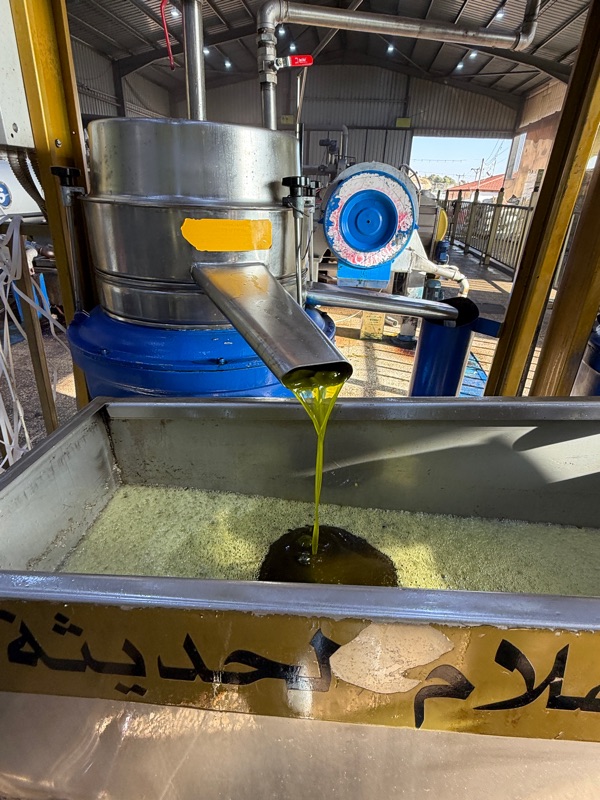
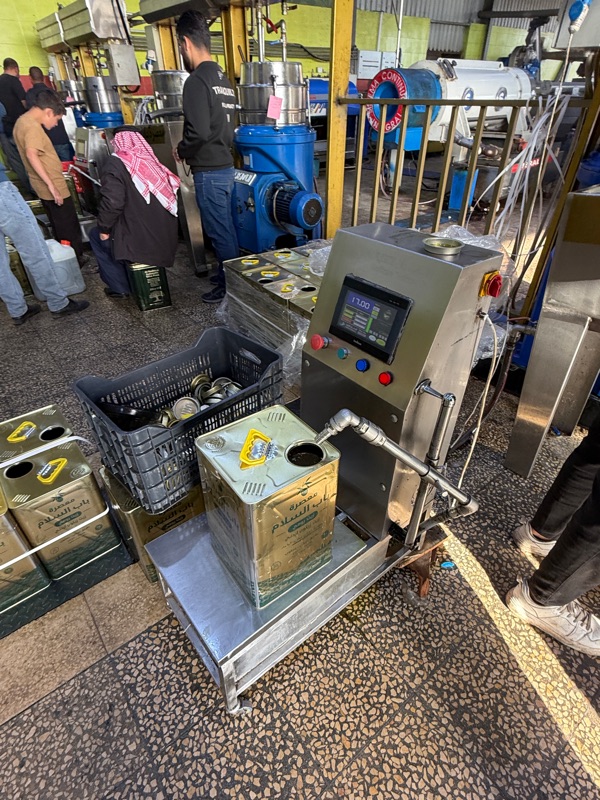
Automated olive pressing machinery
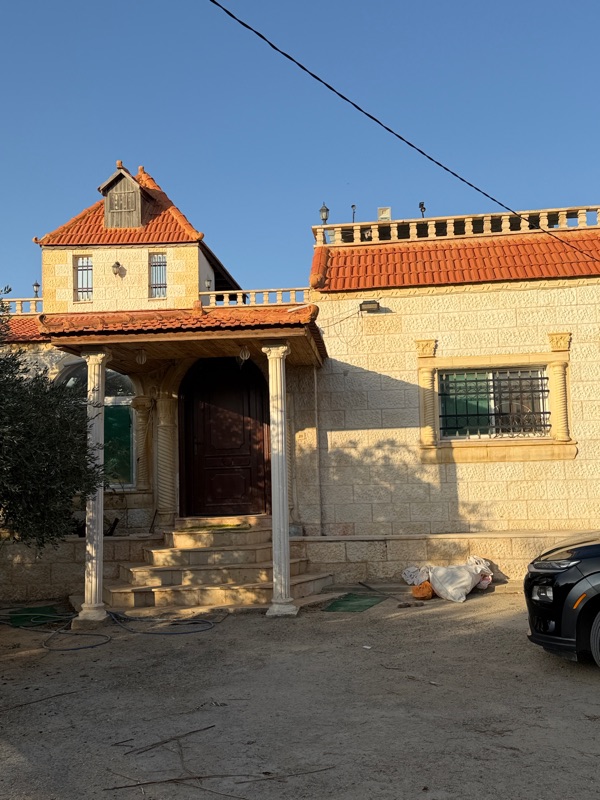
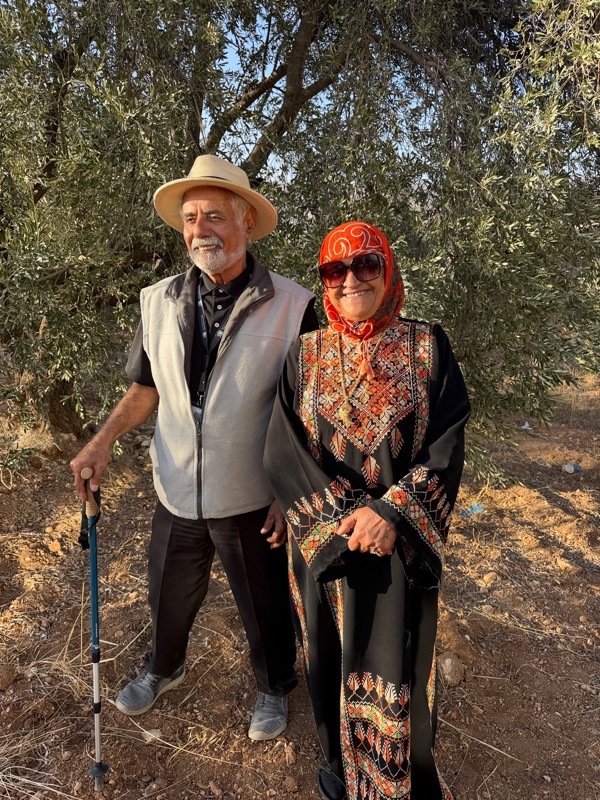
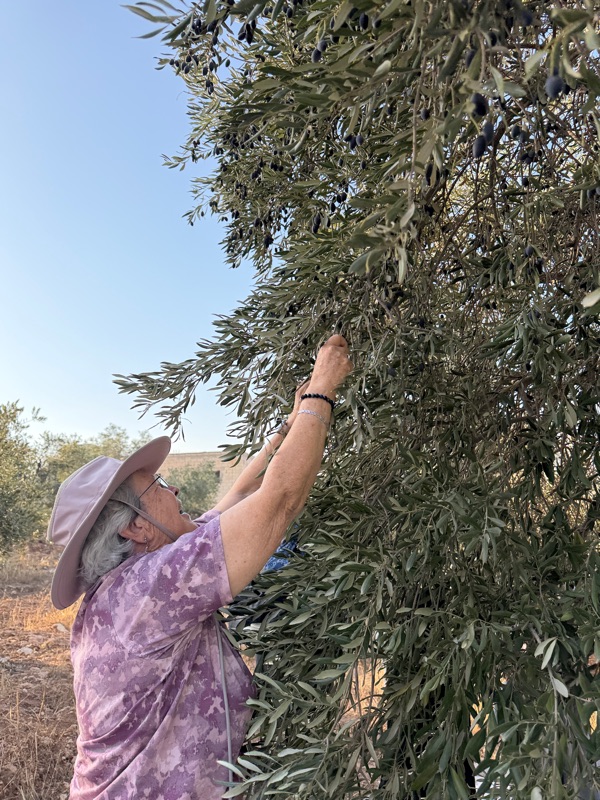
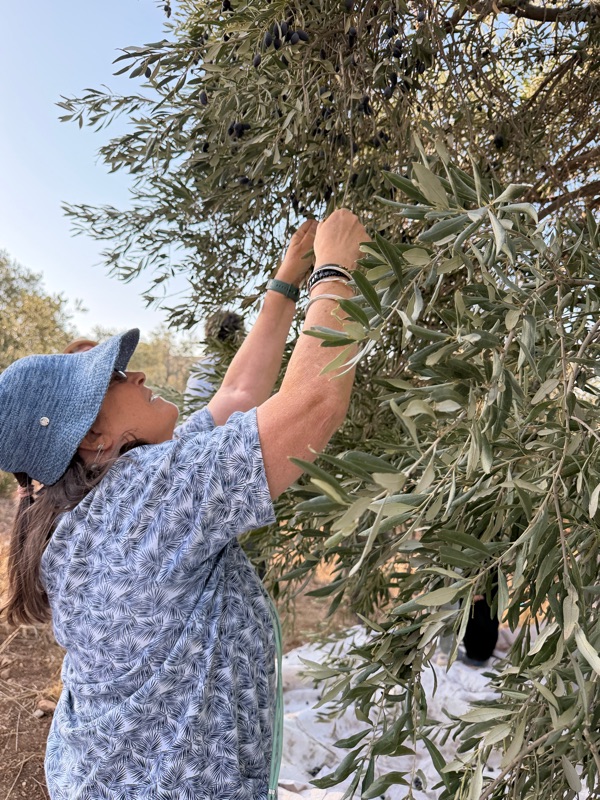
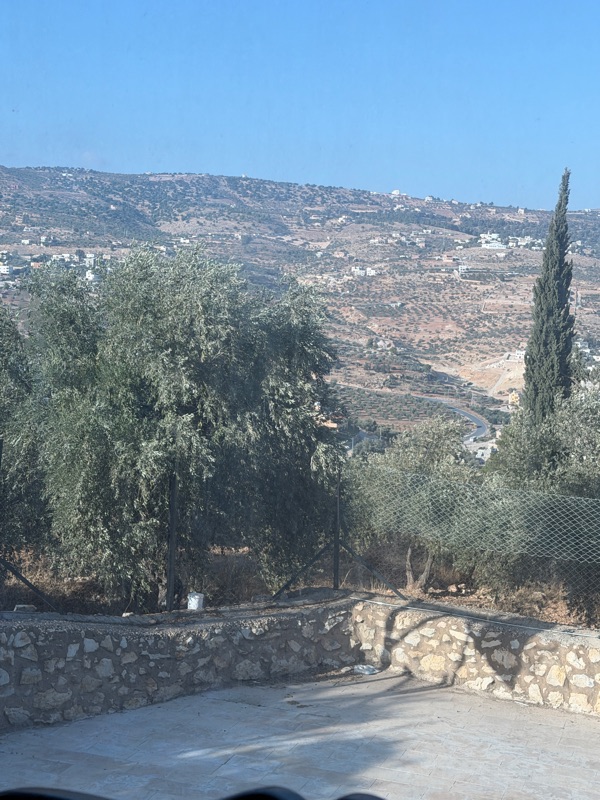
Our tour leader lives in a village nearby, so we stopped by his house to meet his wife, have some tea, and “help” pick the olives. It was fun to try to pick some ourselves, and have a slightly better understanding of how it all works.
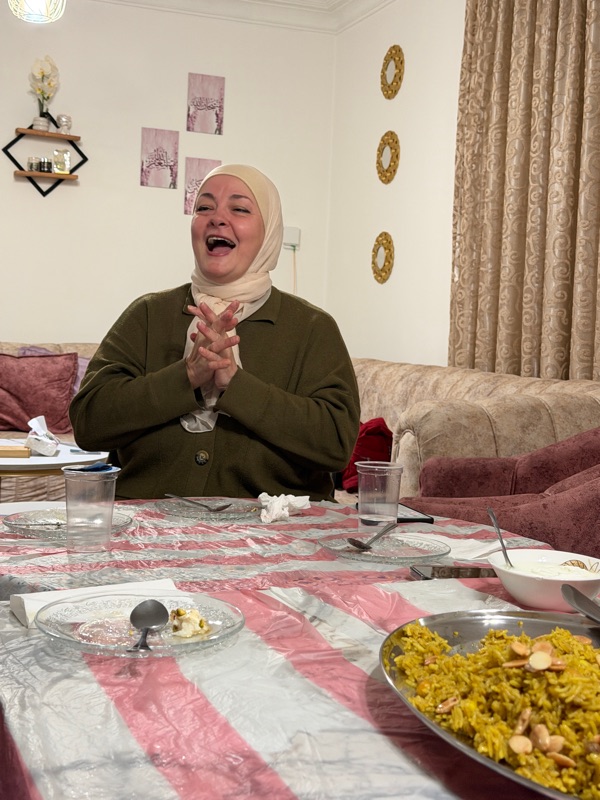
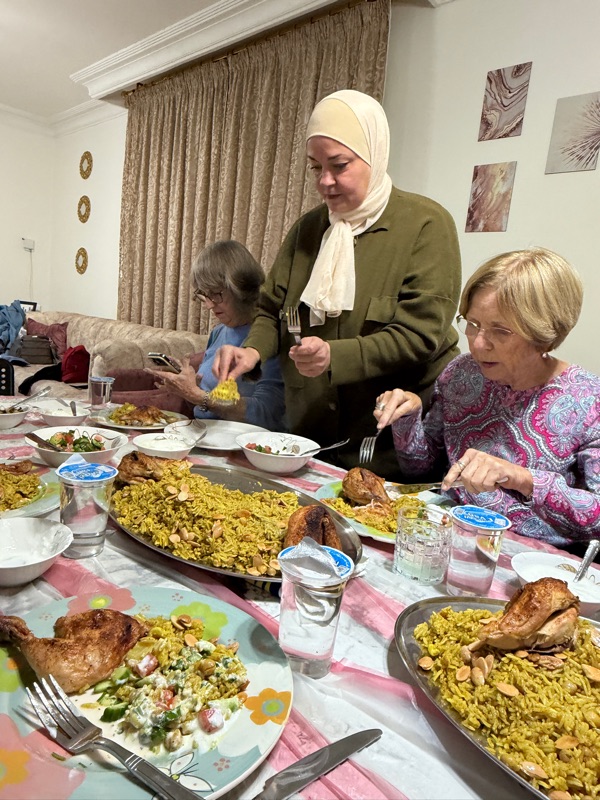
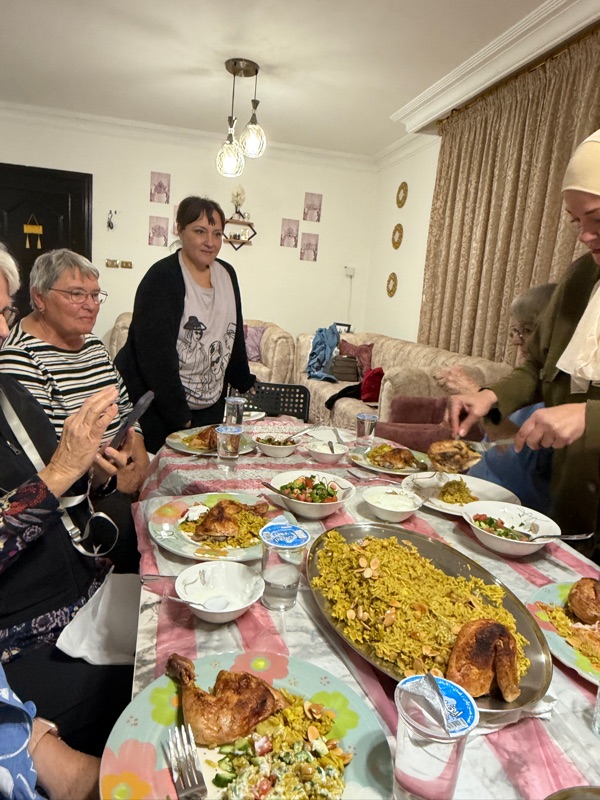
We got back to the hotel around 6 because of bad traffic, and then left for our home- hosted dinner half an hour later. We had a lovely evening and delicious food with a Jordanian woman and her daughter. The food was delicious!!
We leave for Petra tomorrow.


Wow! Area was amazing. But dinner didn't look very good.
ReplyDelete