The highlight of the day was an outdoor museum which preserved buildings and artifacts from the town of Tärendö. In the late 1950’s a local school teacher began an effort to preserve the local farming heritage. She enlisted the help of local families to identify, gather and preserve old homes and farm buildings, household and farm implements. We were hosted by a local volunteer, Injer, who was eager to show us a huge variety of different tools and utensils that had been preserved in the main house.
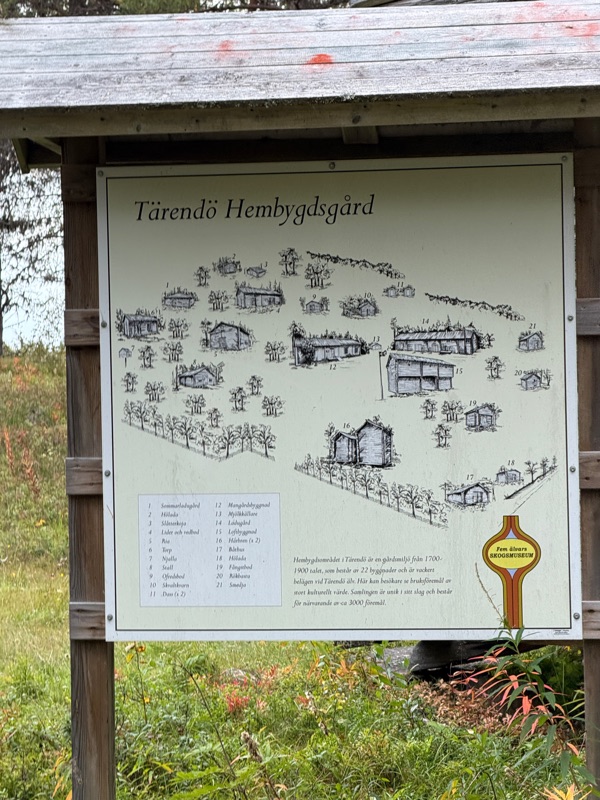
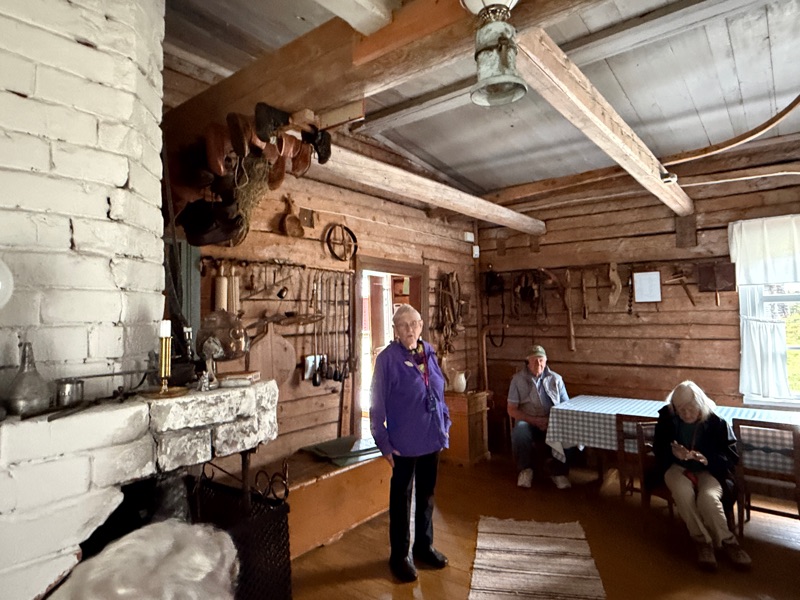
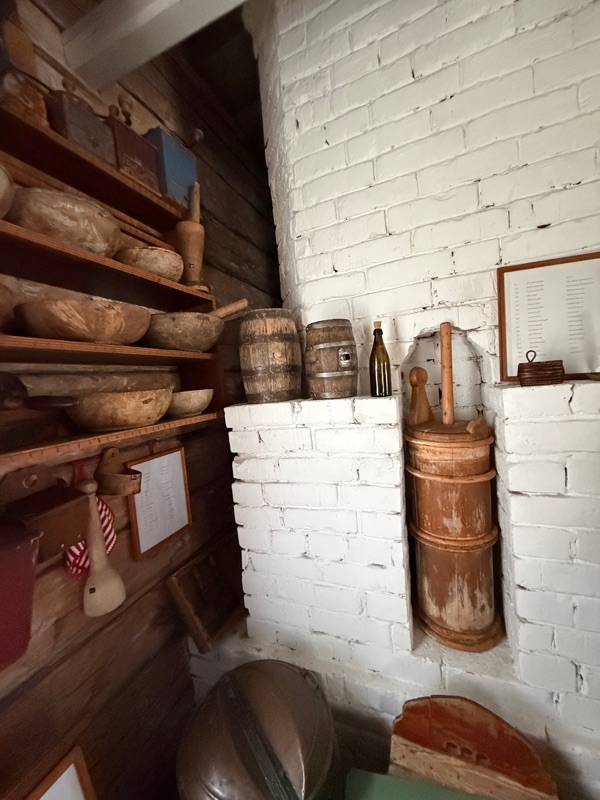

We spent about 45 minutes in the main house, which had been owned by a wealthy family. All life was lived in the main room, which contained an area for cooking, for animal equipment, for needle craft, and other indoor pursuits that filled the hours through the long winter. Some of the items we liked best were the peg leg, and the matchbox holder.

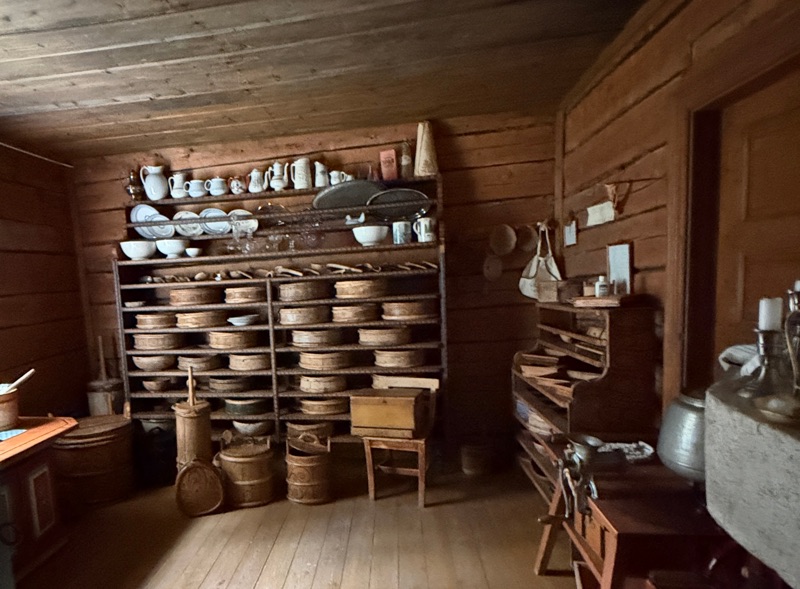
There was a dairy room which had a shelf for every day of the week, so you could track the milk as it turned to yogurt or fil, a kefir like drink made fresh milk. The house also had two guest rooms - one which held spinning and yarn tools, and the other had books and clothing. Here, we especially liked the bloomers which were split so that women could pull up their skirts and relieve themselves easily.
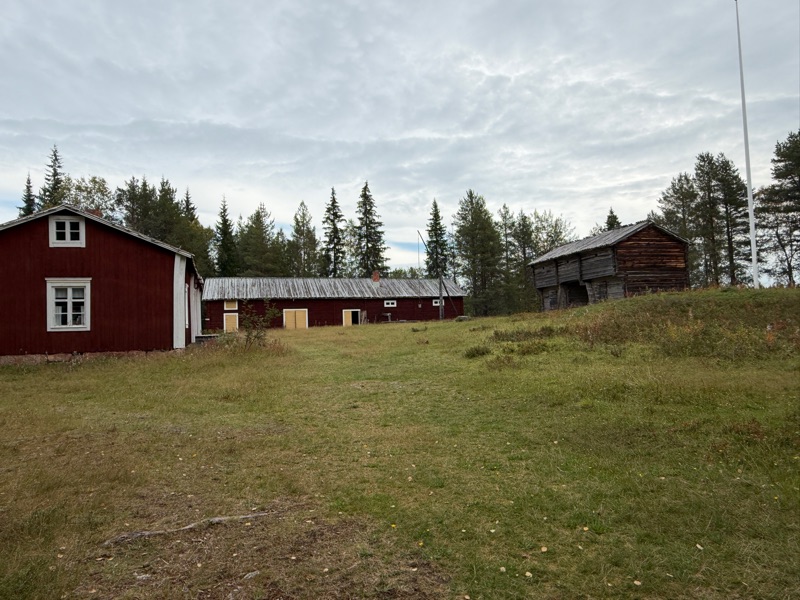
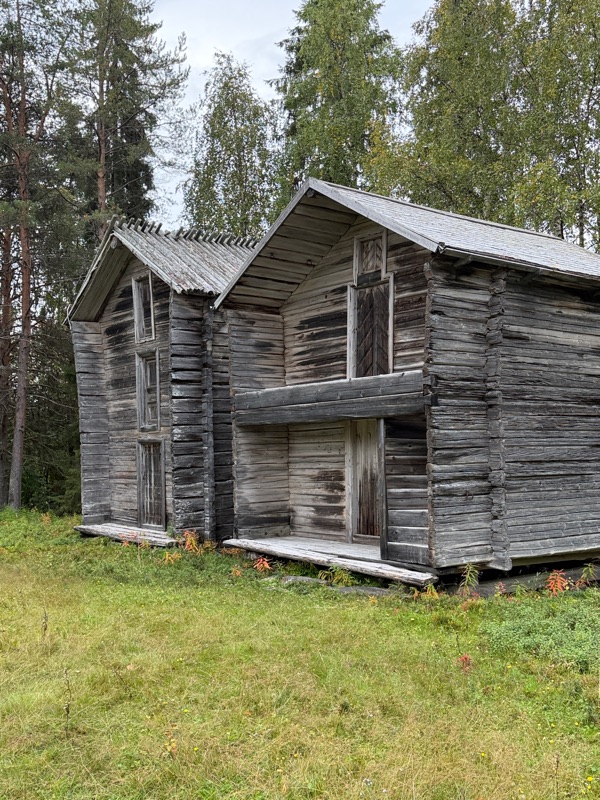
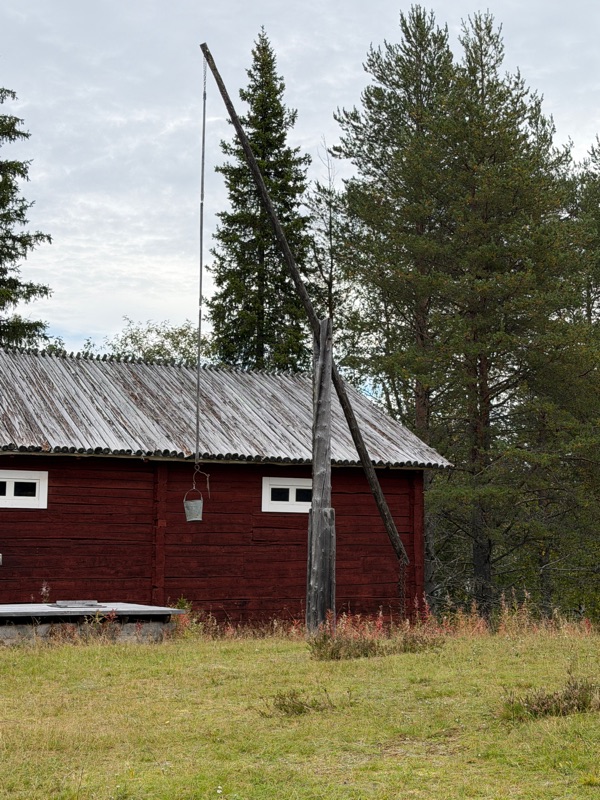
Outside, there were a variety of barns, granaries and storage buildings that had been donated by different families, including the tools of different trades. There was also a house from a family of more modest means that had only one room.
It was a really interesting visit, and Injer was charming and had great stories of the different objects and how they were used.
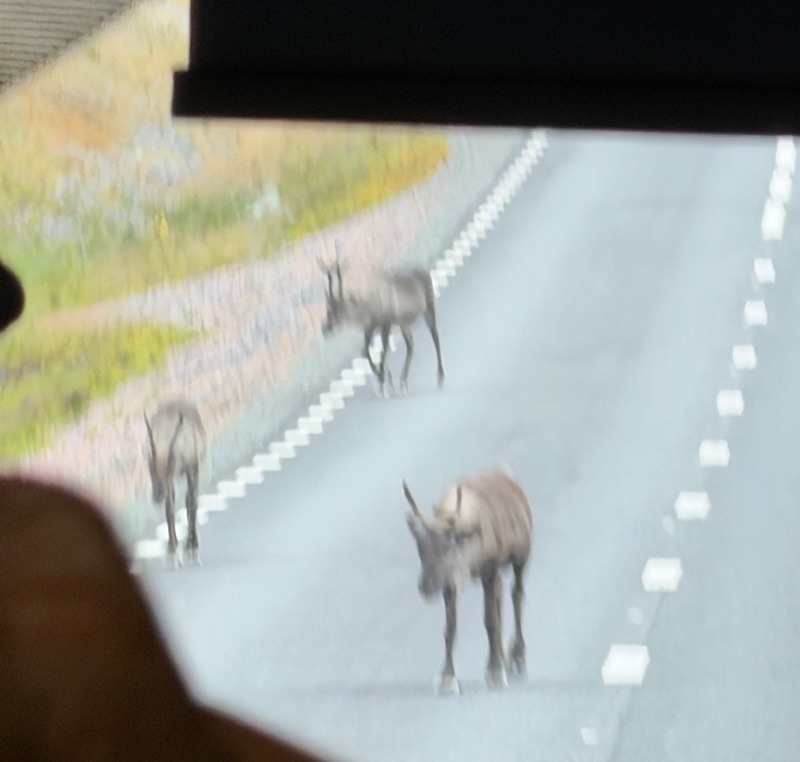
We headed out and on toward Kiruna. We spotted more reindeer on the way, but no moose. As we traveled, we saw the trees get smaller and yellower, as autumn comes early in the north. It was raining on and off, so we didn’t have fantastic views.


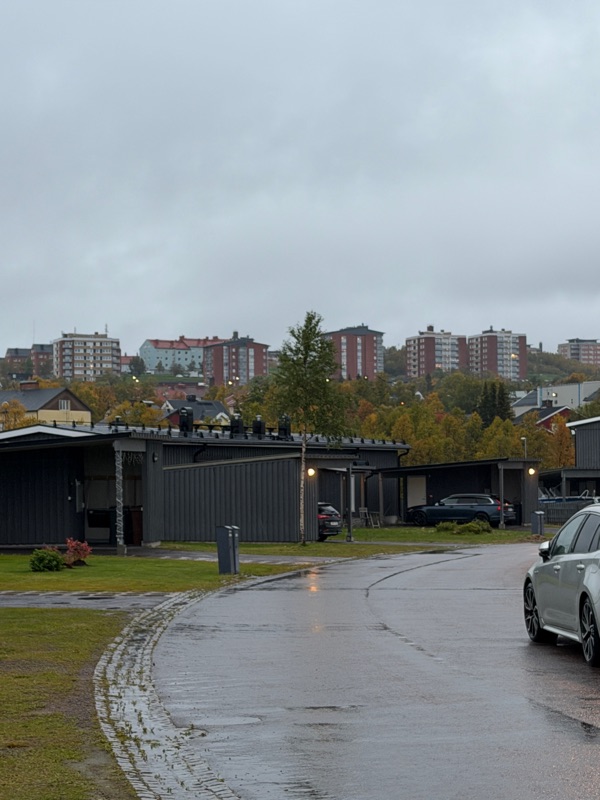
We had lunch in Kiruna, and visited a scenic overlook near a ski area. Kiruna is the largest open pit iron mine in the world. As the mining shifted from open pit to underground, the mine realized that the village was built over important seams. Most of the town had to be moved before it all collapsed. The process started about 20 years ago with planning of the new town, building a new city hall and downtown area, relocating some historic buildings and building new homes for the 12,000 people who are being displaced. Last year, they moved the church, and it made world news. About half the people have been moved, and the rest of the city is a huge construction zone, as the deadline for completion g the project is looming.
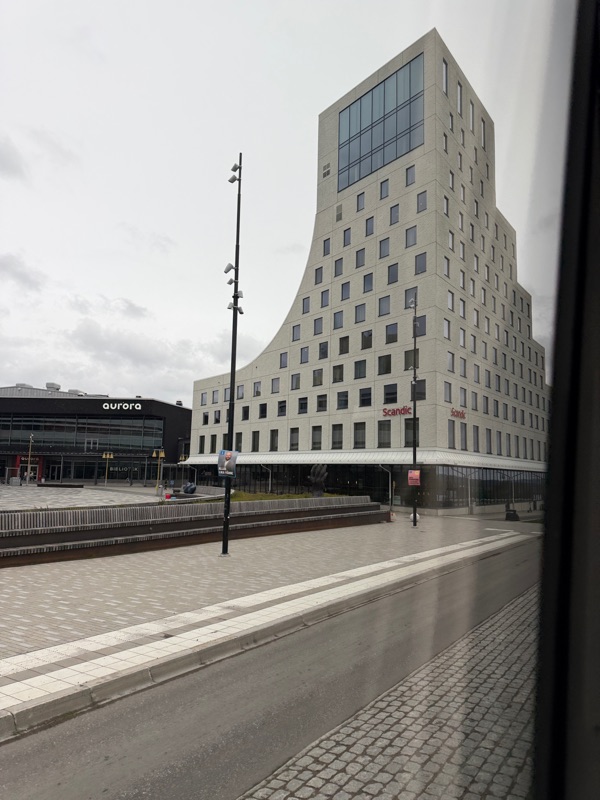
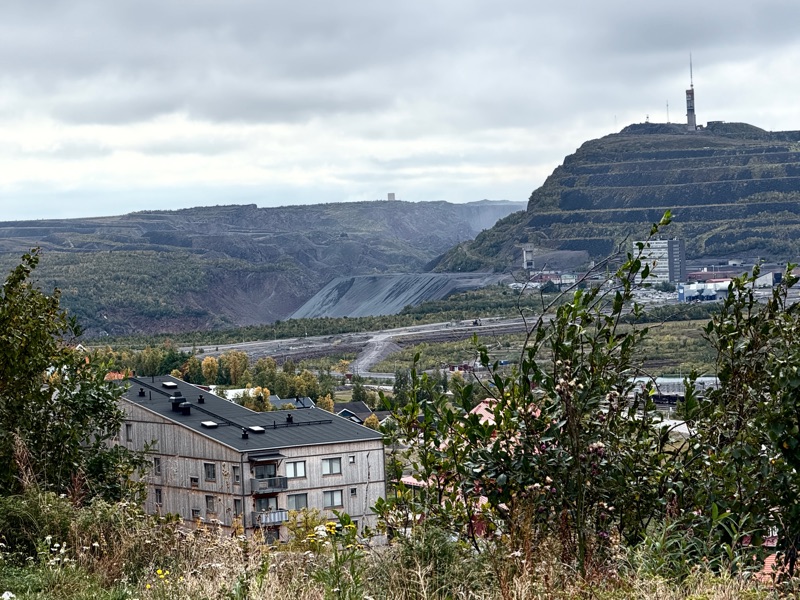

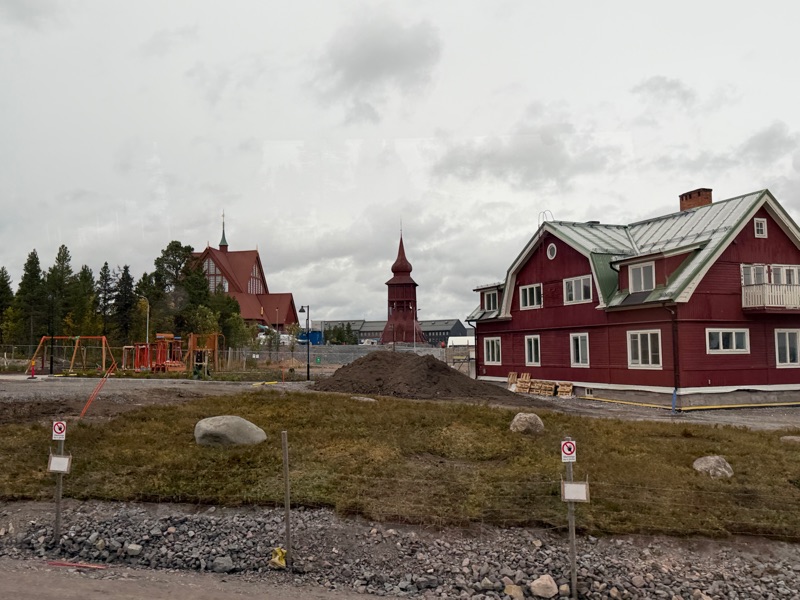
The mine is owned by the Government and the design of the new town included consultation with the people who live there. Most of the new homes are in modern and well equipped apartment buildings, the large city hall is a community center with meeting spaces for various activities, and there is a large shopping complex with grocery stores, a state liquor store and many ones of shops all in one building.
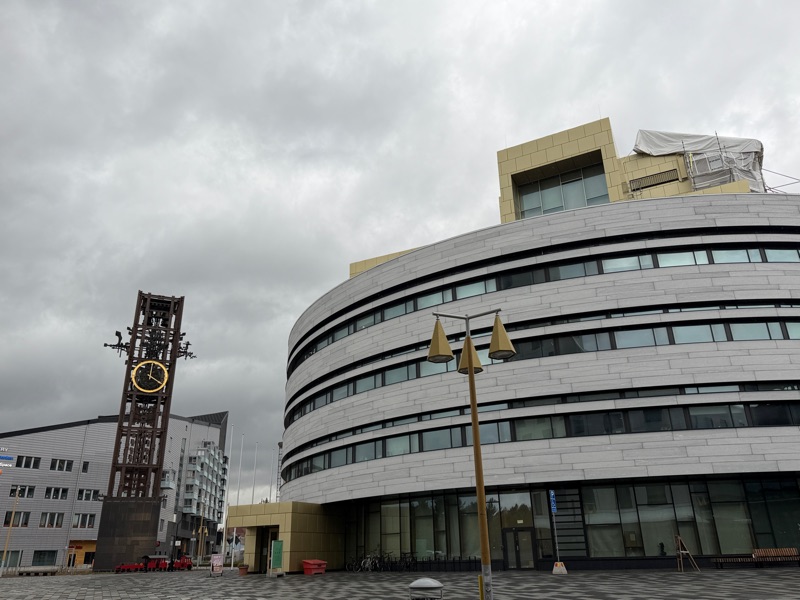
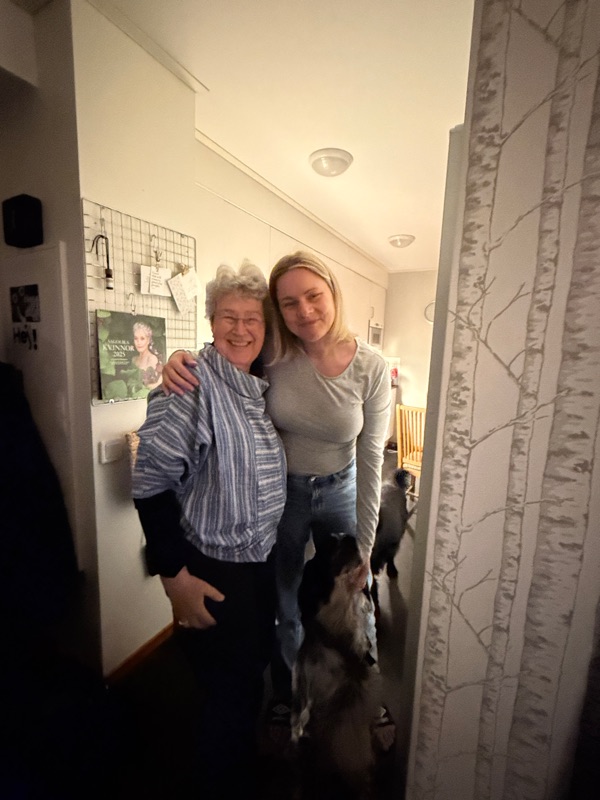
It is an interesting phenomena, and was the main topic of conversation during our home hosted dinner. We visited a woman named Nina who worked for the tourist bureau and had lived in the town her whole life. We enjoyed hear about the pros and cons of the whole process.
Tomorrow we tour the actual mine, which should be interesting.



It is both interesting and humbling to realize the very important things going on in the lives of people who live on the other side of the planet from us. Truly, it is not "all about me!" To re-locate all those people and buildings, etc. is a MASSIVE undertaking.
ReplyDeleteBy the way, I am so glad the two of you have been safe in all of your travels. I have not yet looked up on a map to see where Nepal and Tibet are in relation to Mongolia. The devastation in the Nepal area is shocking, and especially as we are able to see camera footage of the actual flood hitting where people are frantically running for safety.
Whoa! Extra excellent post!
ReplyDeleteTwo things, who is the noxious blond and your photos remind me of my stay in Villimina above the attic circle. Very cool stay.