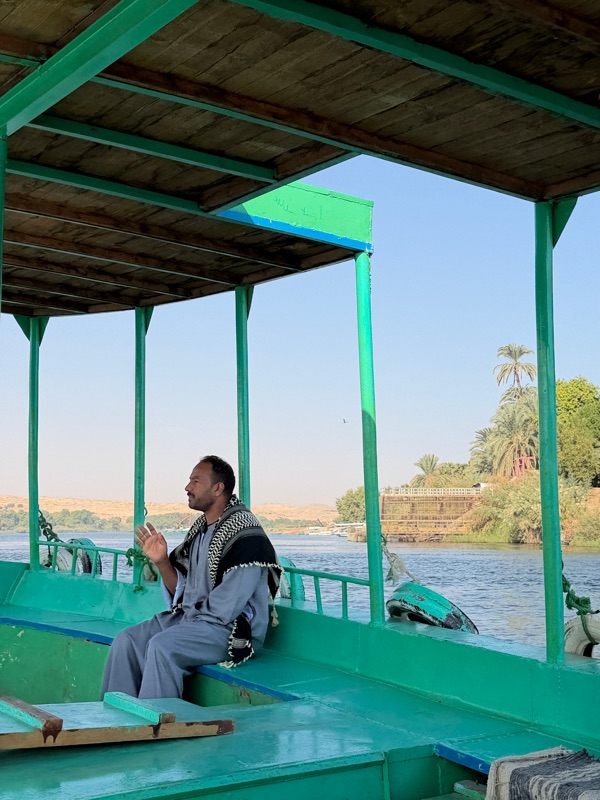
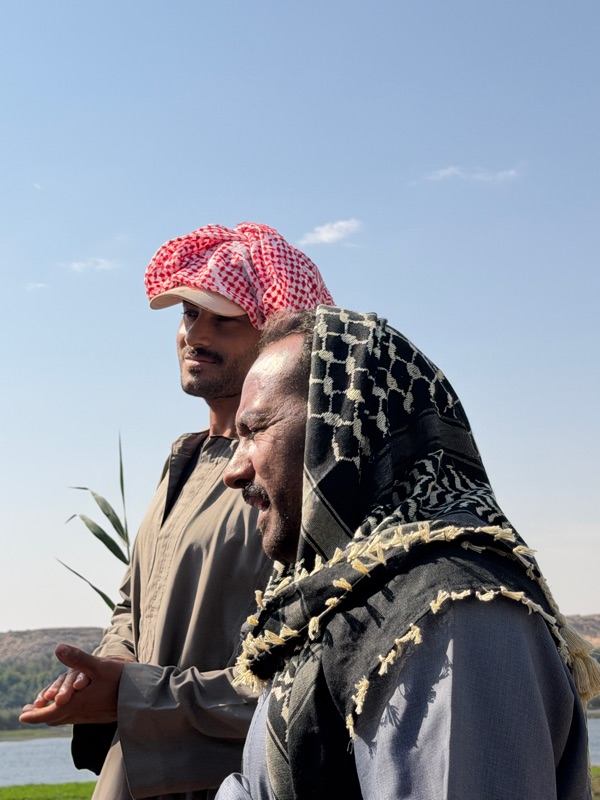
Today we spent most of the day visiting Sayed, a farmer from Basaw island in the Nile. Sayed came to our river boat to pick us up in his motorboat and took us to the village, where he introduced us to some family members and showed us around.
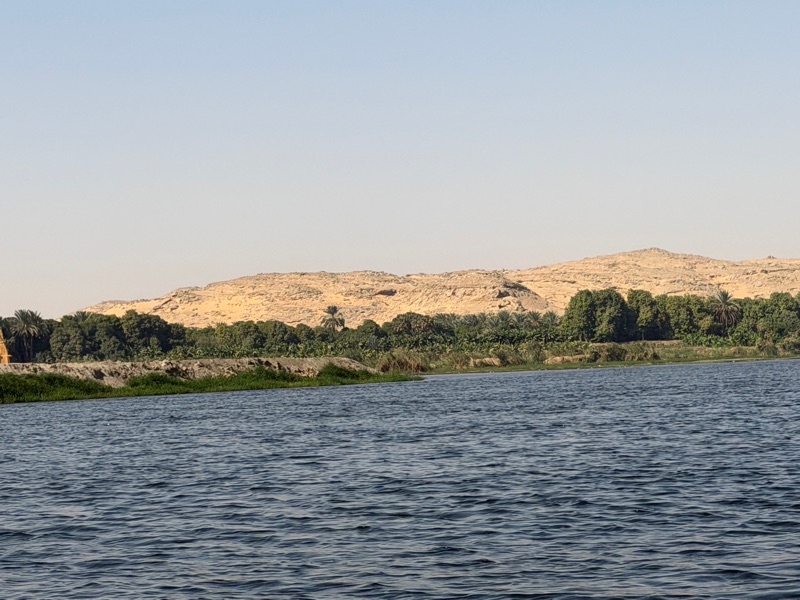
About 350 people live in the village, the members of ten extended families. The village is governed by ten elders, one chosen by each family. If there is a dispute among some villagers, the Council of elders determines how to resolve it.
The first stop was a home where we met some of his relatives and helped them make (and eat) fresh baked bread in a mud brick oven.
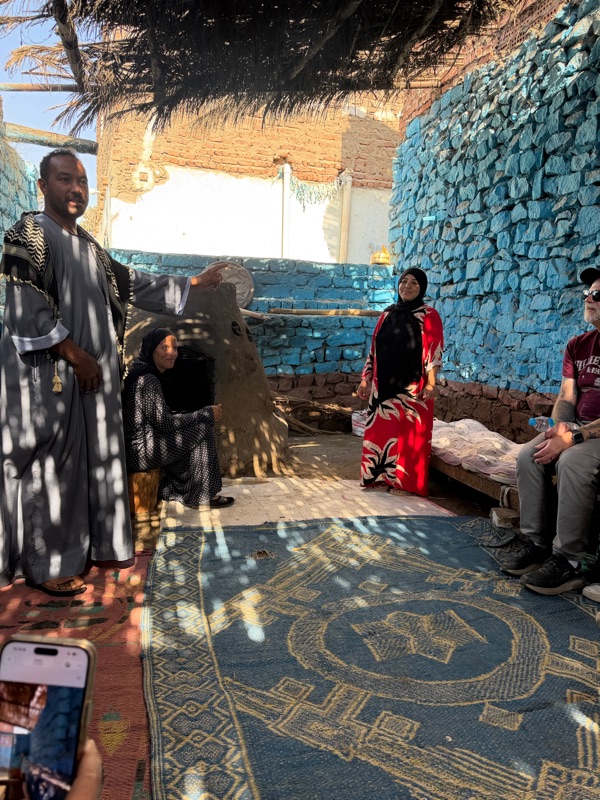
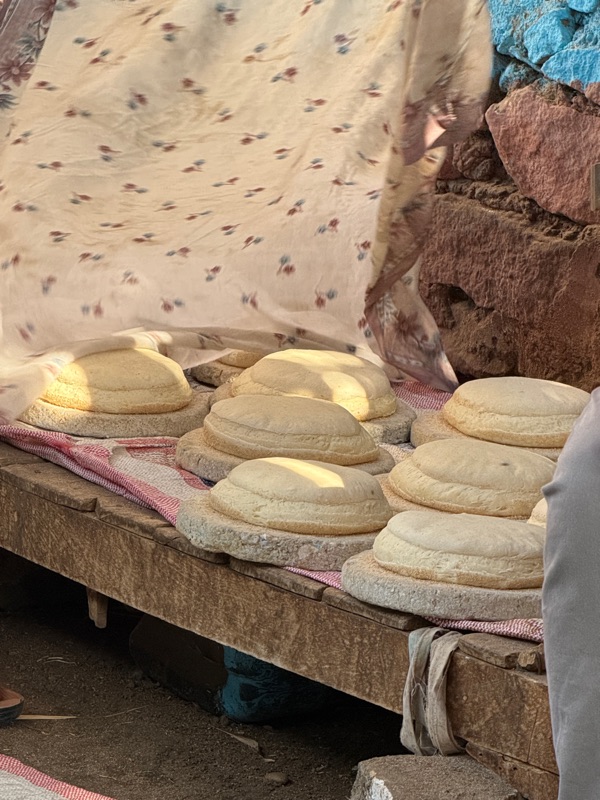
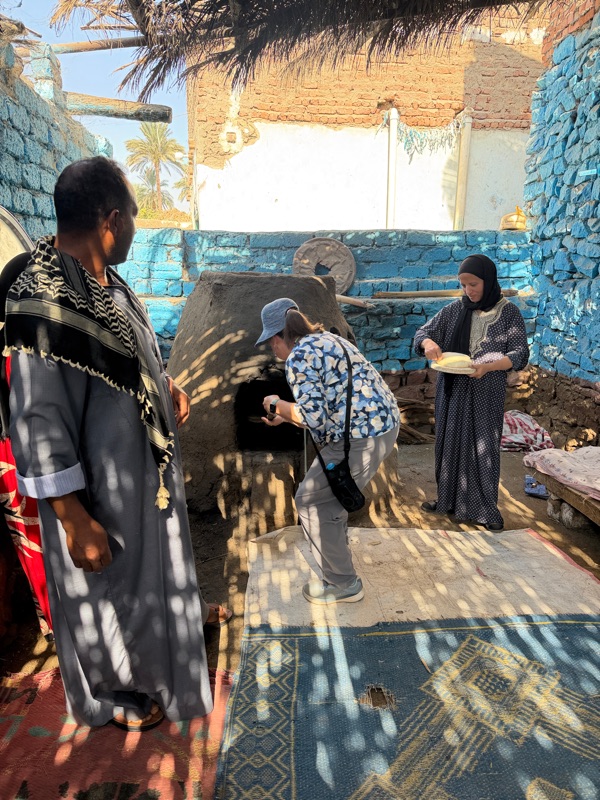
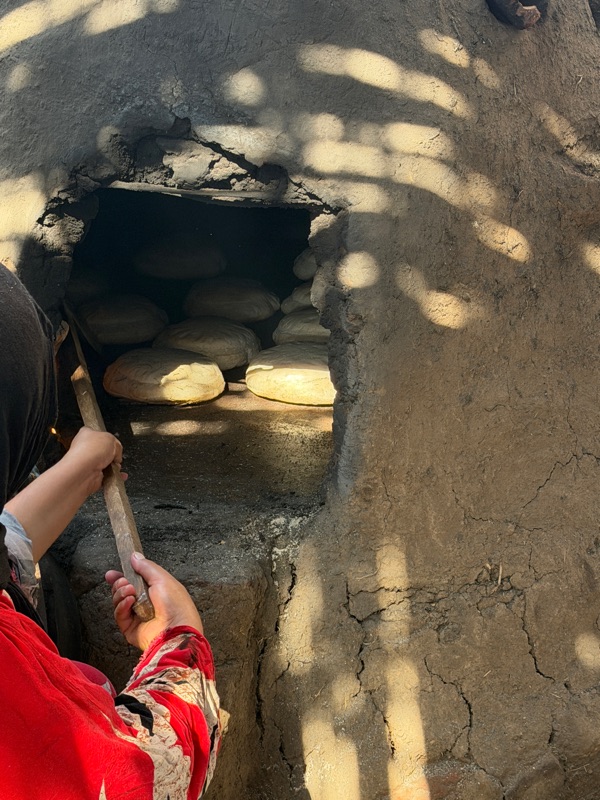
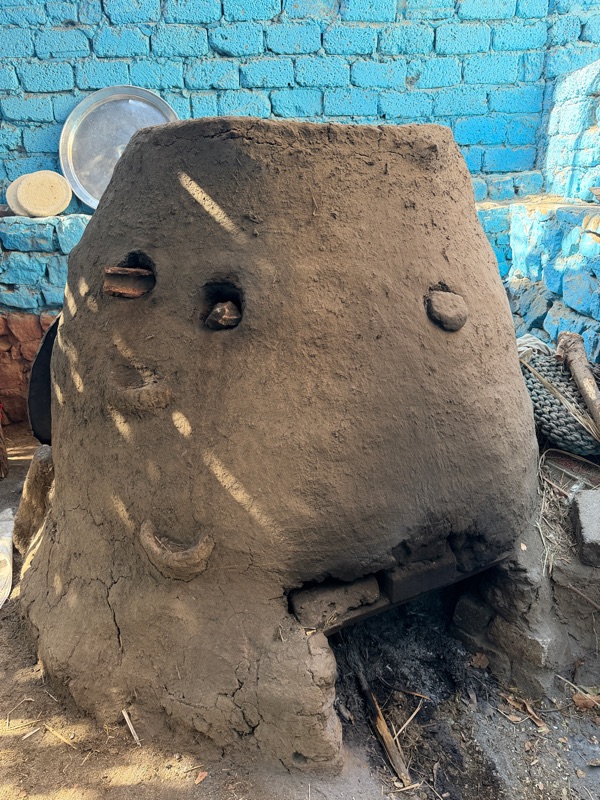
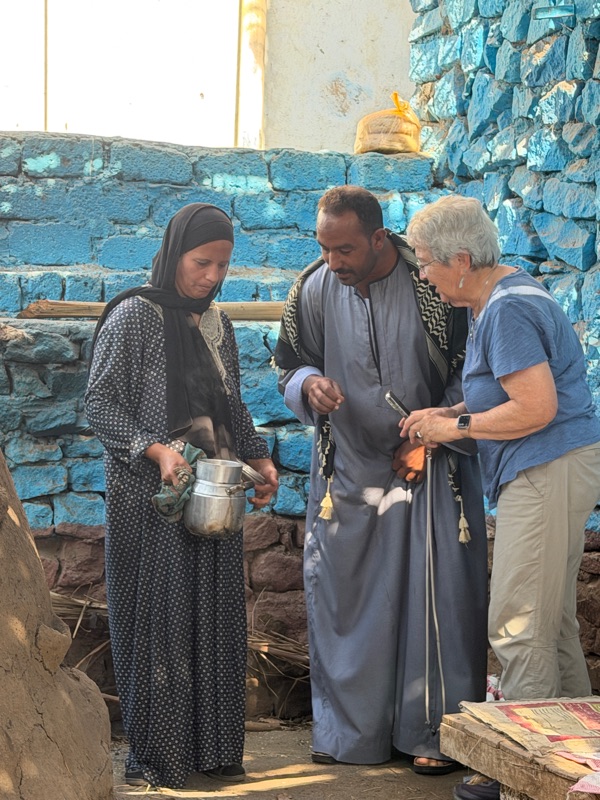
The oven is also used to make hot water for tea.
Then we walked around the village, past the modest mosque and the event hall, learning about the water and electric systems, banana farming, and rural life on the island. The banana farming was particularly interesting because we learned how the banana flowers are fertilized and how the plants reproduce. The villagers are quite self sufficient, growing a variety of vegetables, bananas, using water buffalo milk, and raising cows and chickens. They sell the surplus in a nearby town and buy other things they need, like flour and sugar with the money from the sales.
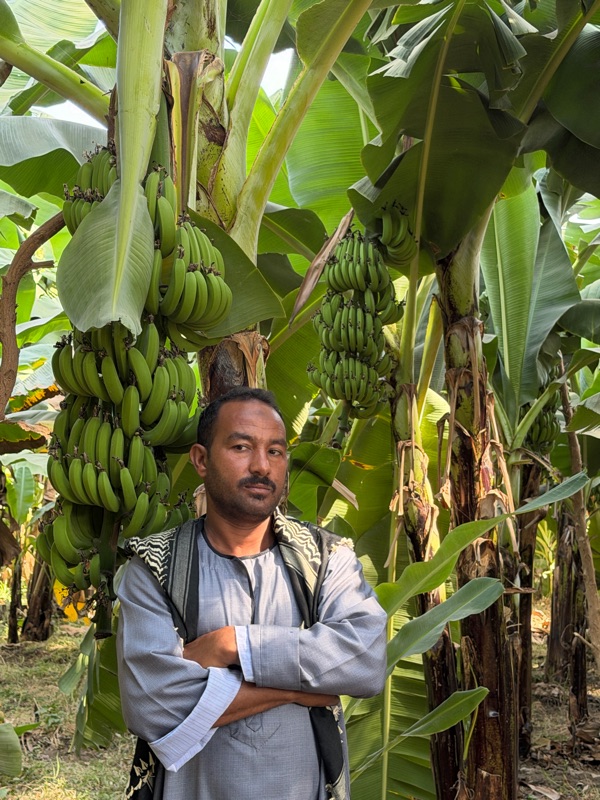
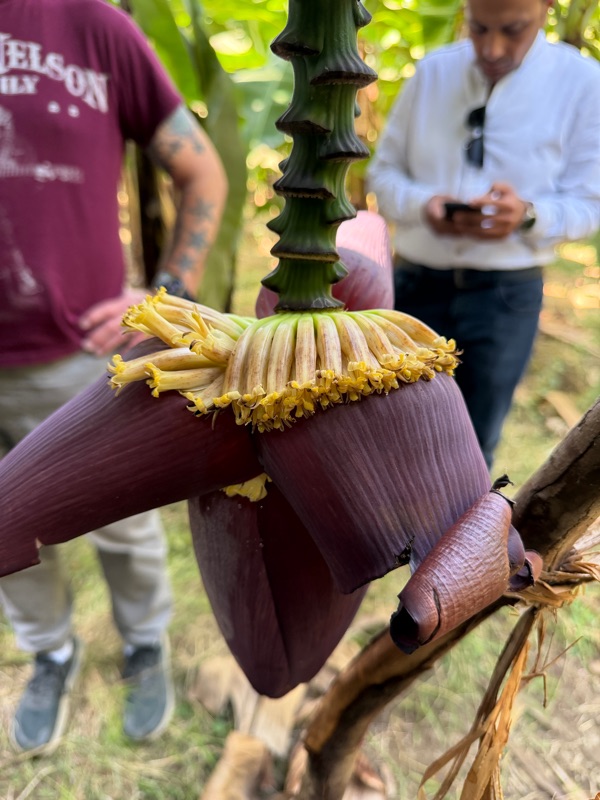
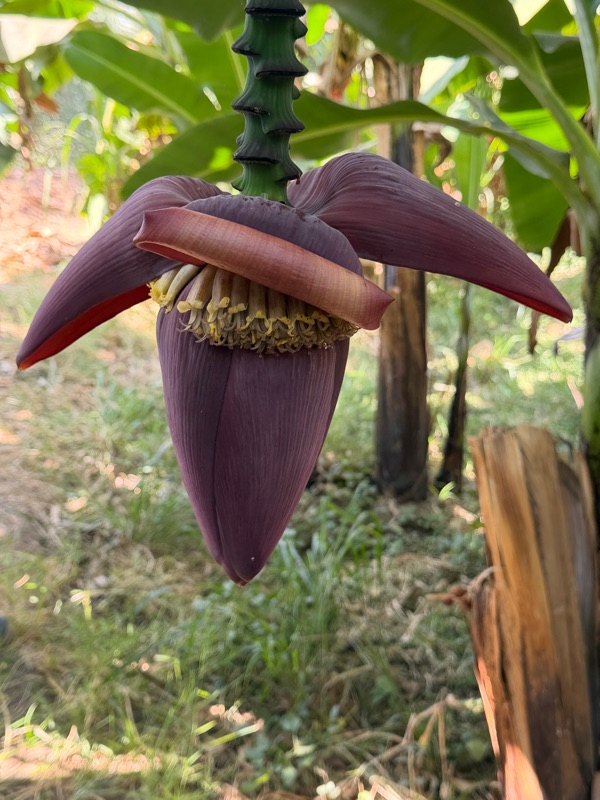
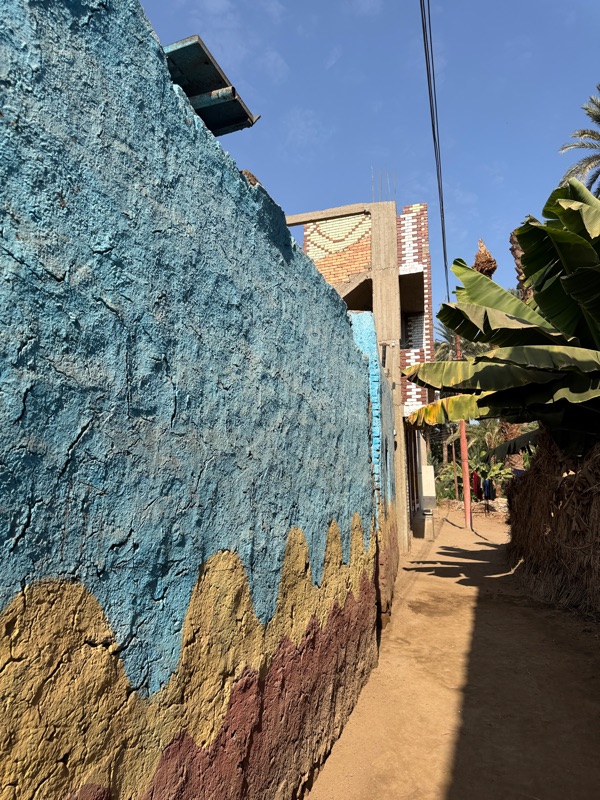
One interesting and delightful thing about this village was that an artist friend of Sayed had painted the walls with bright blue and tan and brown paint to represent the sky , sand and soil. There were also other paintings on houses in the village.
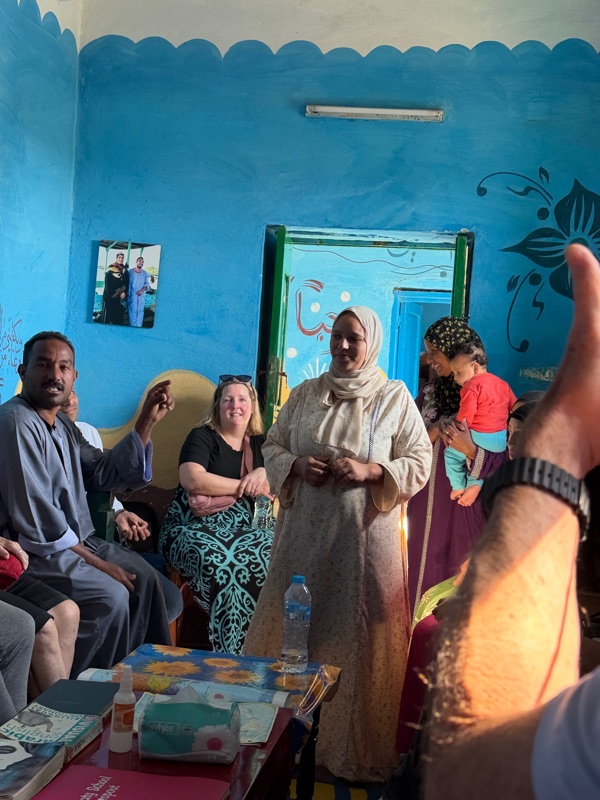
At Sayed’s house, we met his brother, wife, sisters and children. His parents and other family members had apartments in the same house, each with kitchens, bathrooms and bedrooms. We chatted for awhile about their customs and ours, and then had lunch at a big table in his parents apartment.
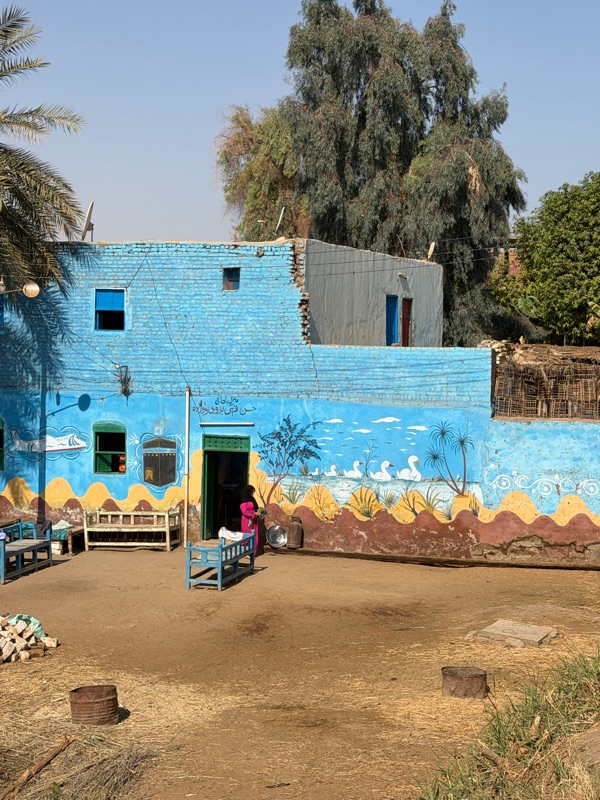
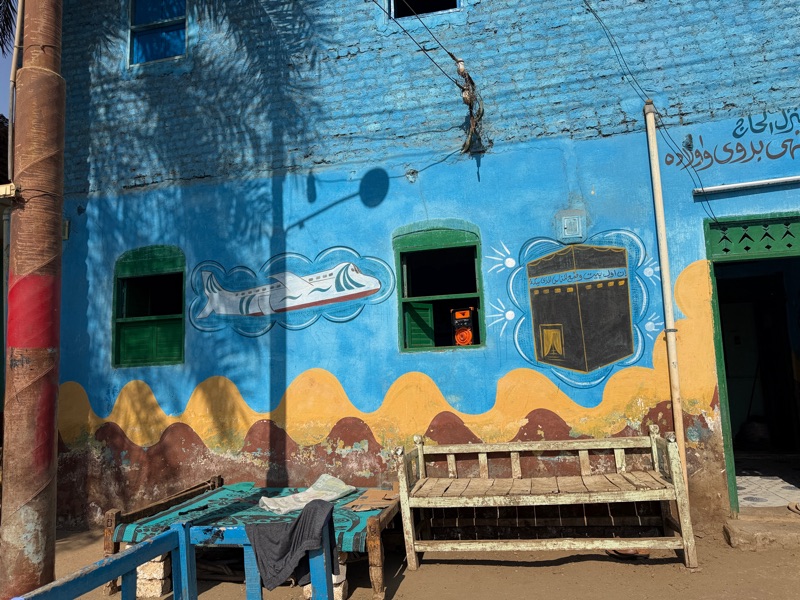
The airplane shows that his father has been to Mecca . We have seen a lot of houses with either a plane or a boat painted on the wall outside.
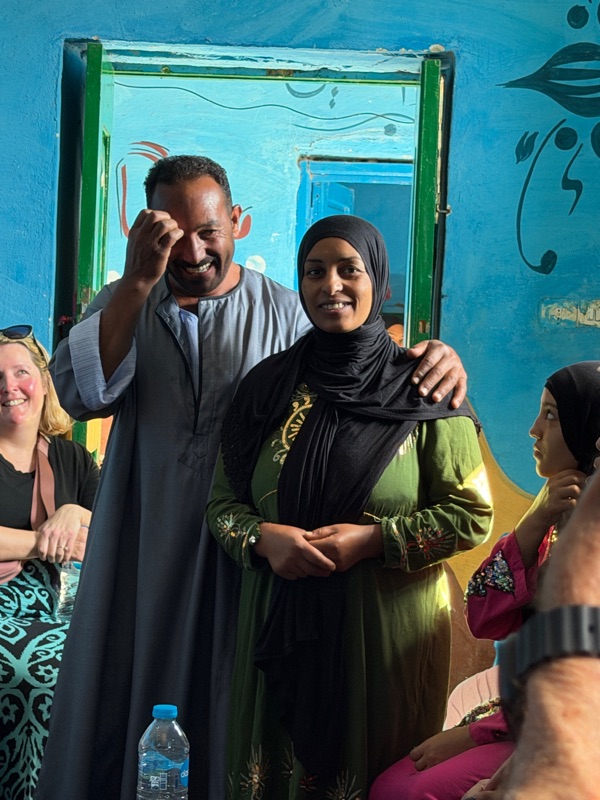
Sayed and his wife
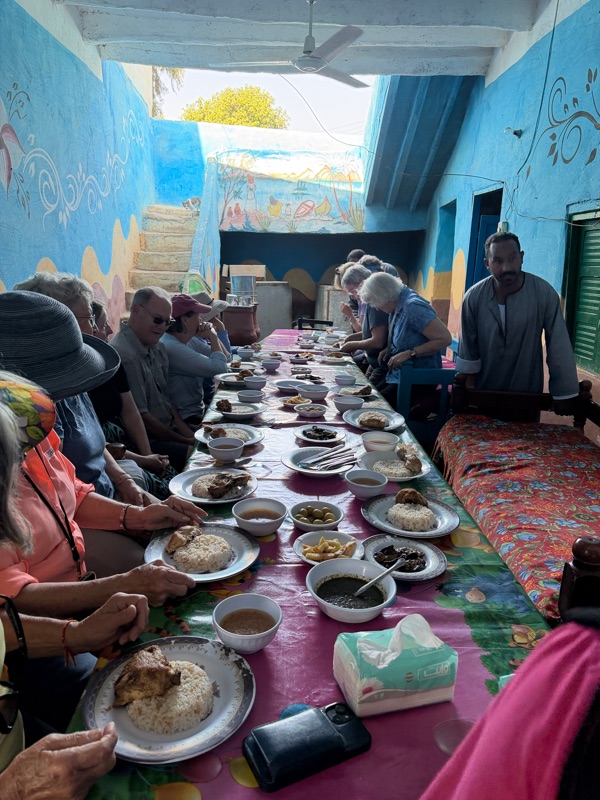
After lunch, we visited the stable with a baby water buffalo and several geese and chickens and walked back to the boat past a couple of water buffalo, then returned to our boat.
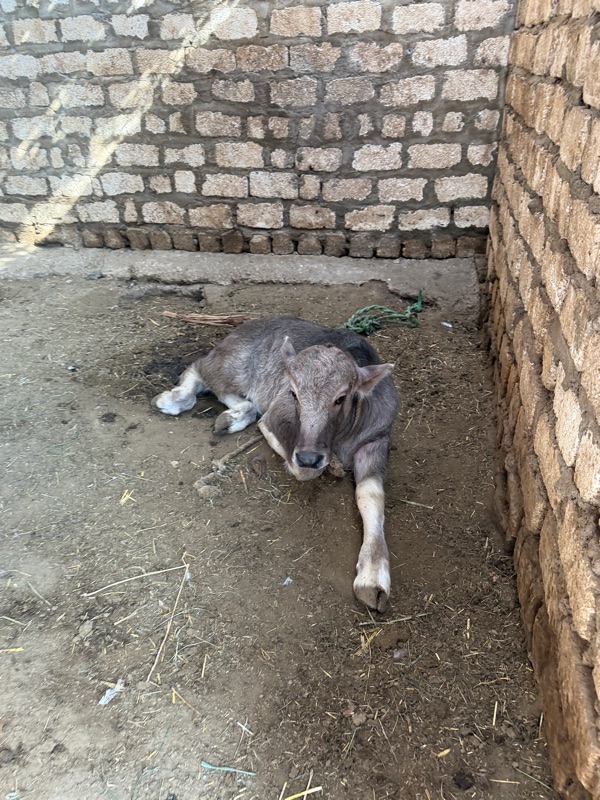
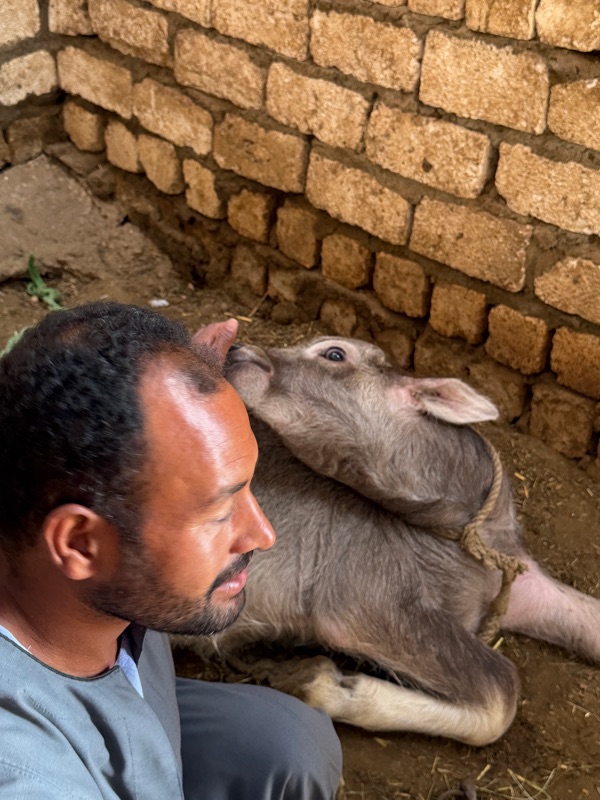
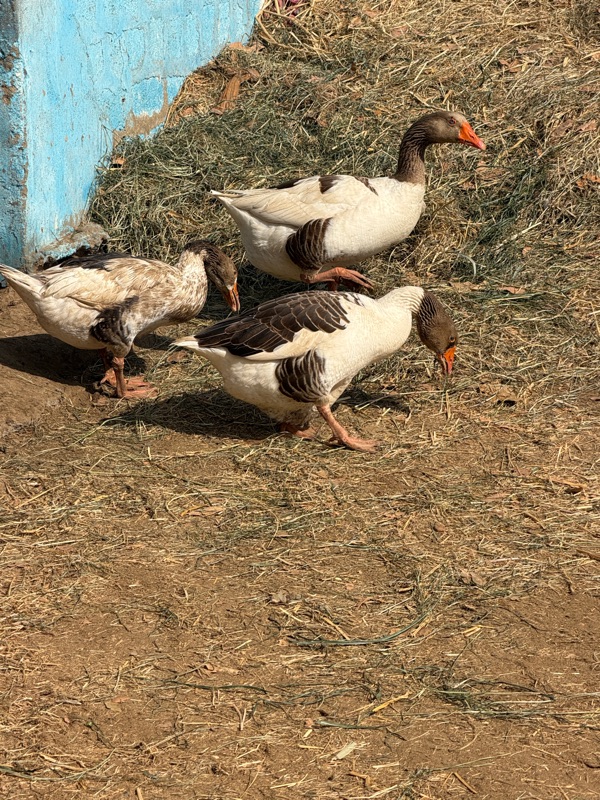
Farm animals
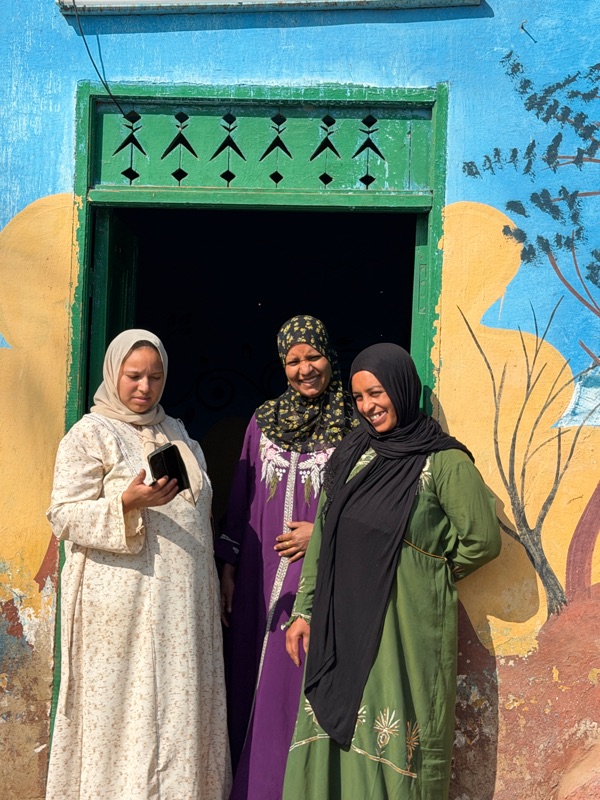
Sayed’s sister and sisters in law
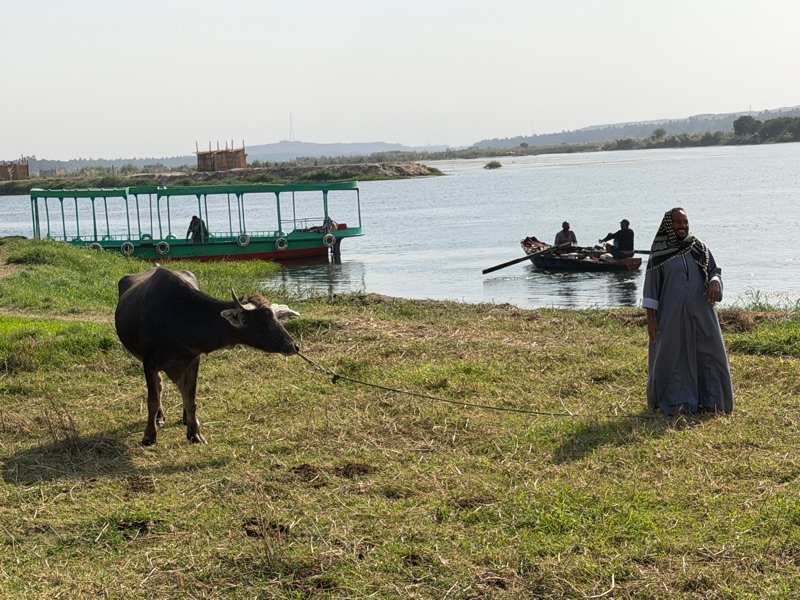
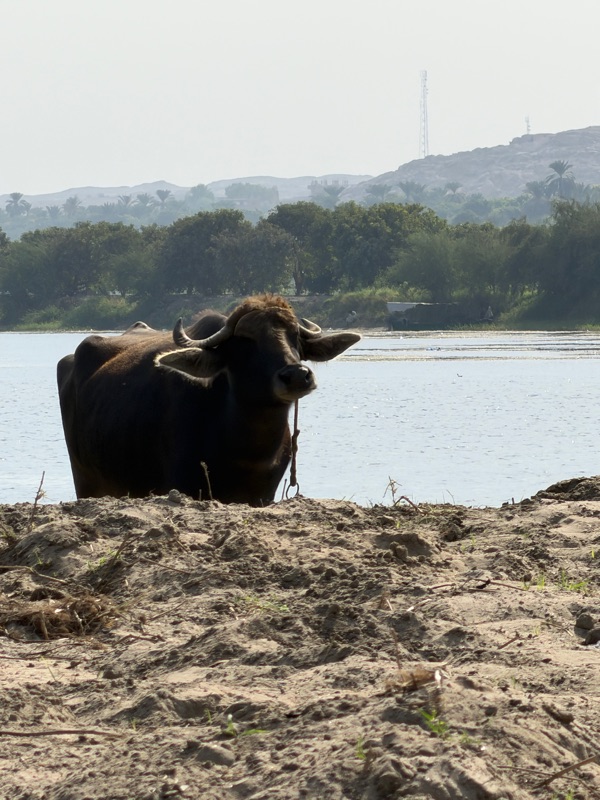
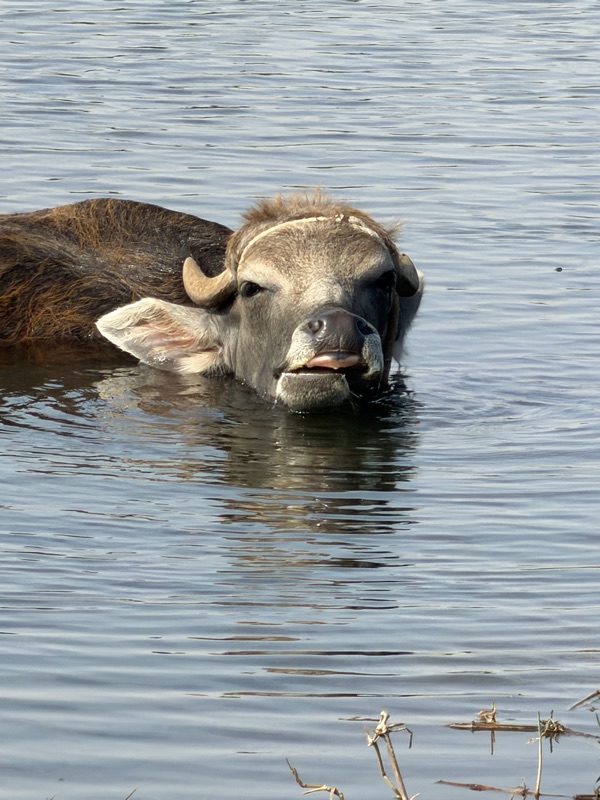
Water buffalo, a major source of nutrition because of the rich milk.
We rested on the boat a bit, and then visited the ancient Egyptian sandstone quarry of Silsila. This quarry, which was on both sides of the river, was the primary source of stone blocks for the temple at Karnak. It was in use for at least 250 years.
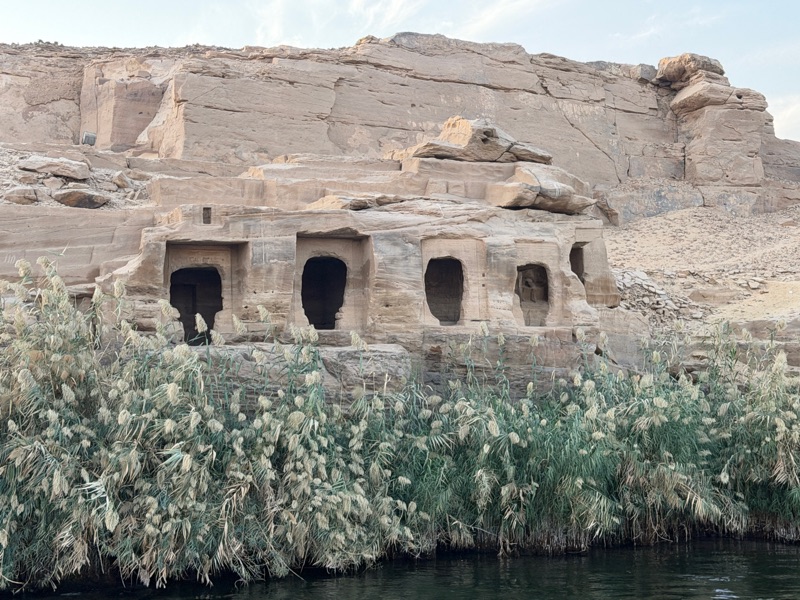
Temple carved into the hillside along the river
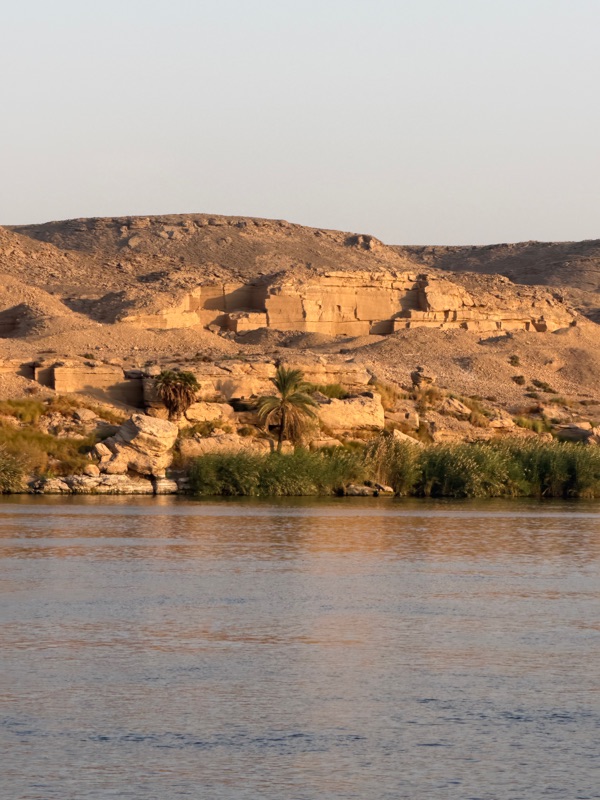
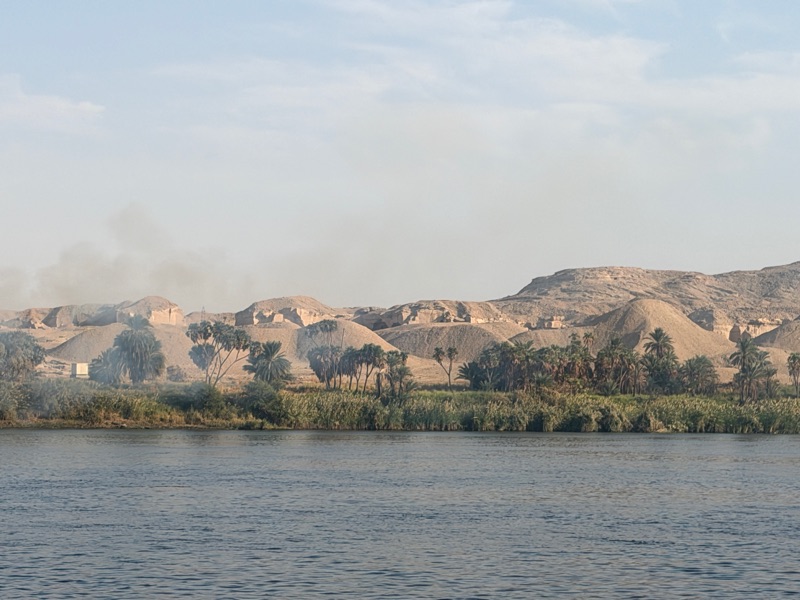
Quarries on the other side o f the river that are still in use.
The site had a number of small temples and chapels in the area where the stone carvers were working which the king built so they could pray to the gods. There seemed to be some effort to keep the workers thinking about their work as service to the gods, not necessarily to the king.
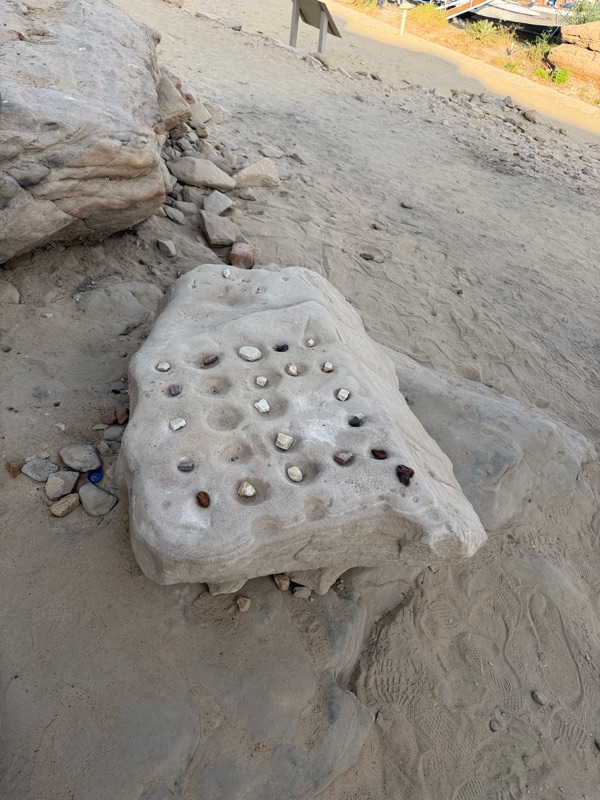 |
| Playing board for workers |
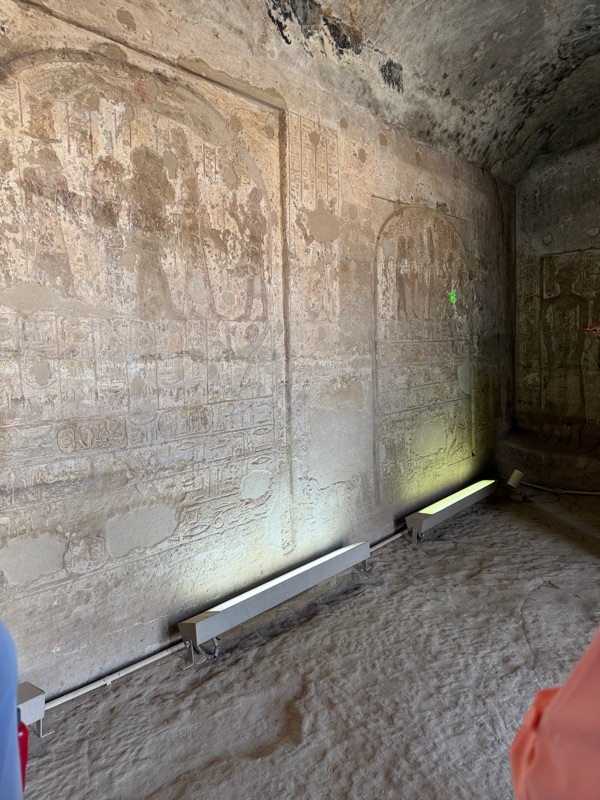 |
| The small temple was carved directly out of the rock wall |
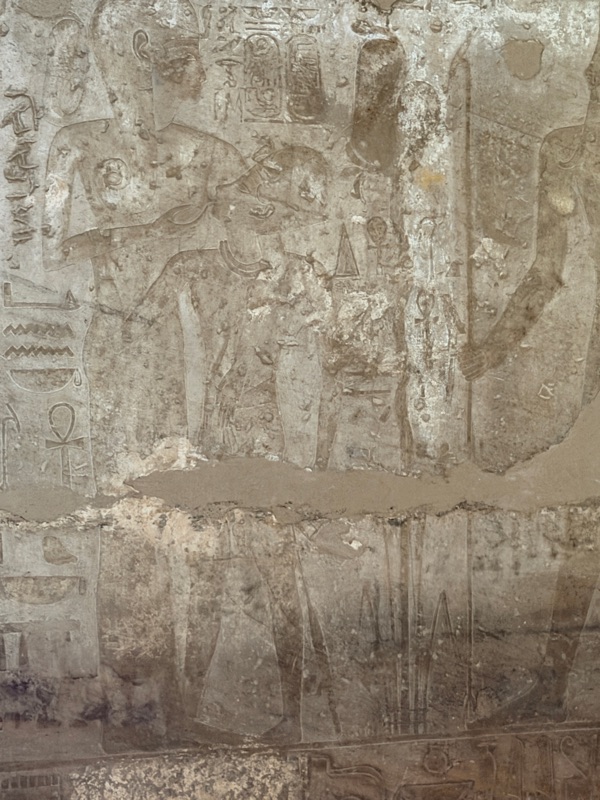
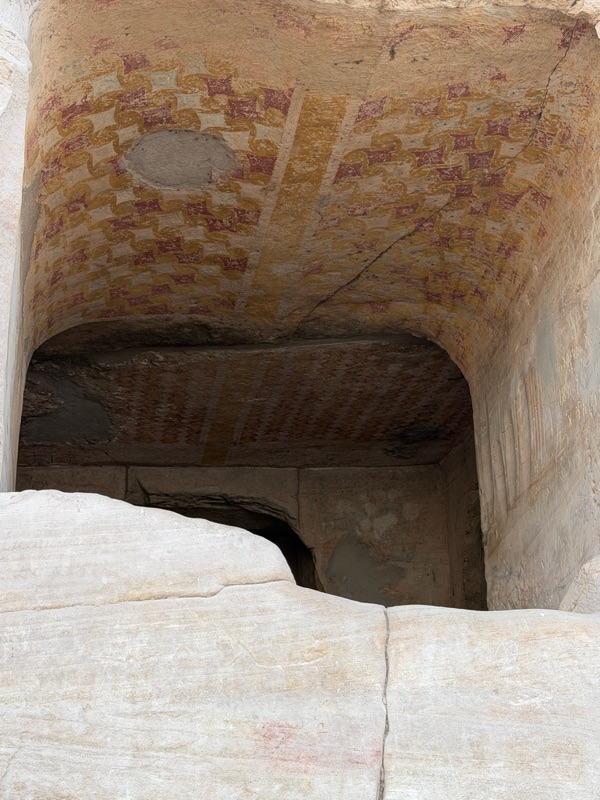 |
| Other small chapels in the rock wall retained original paint |
We learned about how the blocks were marked, cut, polished, and moved down to waiting boats. Our guide assured us that the process was all managed on a human scale, and space aliens were not involved in building the pyramids and temples at all!
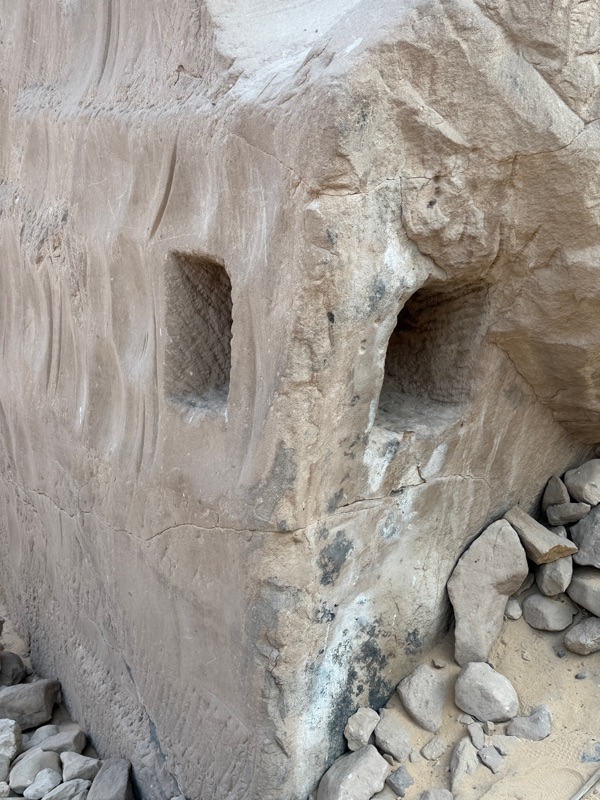 |
| Ropes were tied through these holes to lower the blocks down hill |
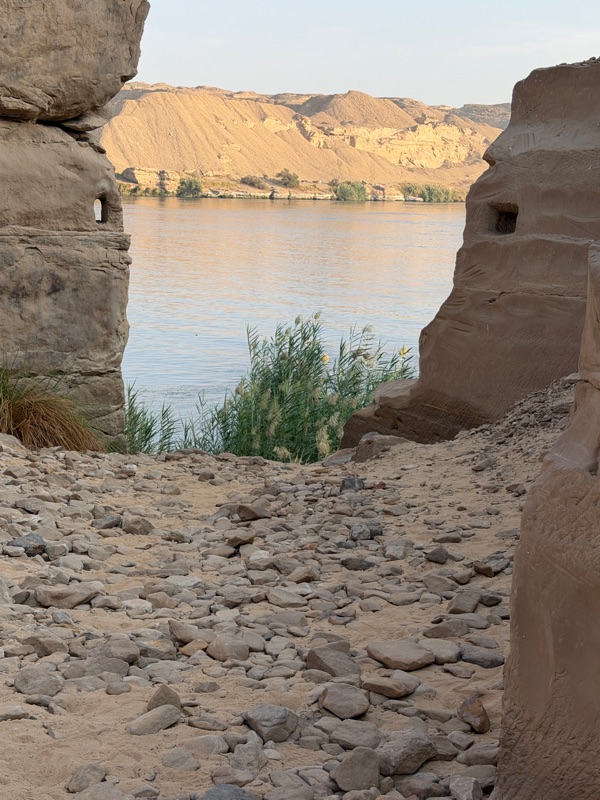 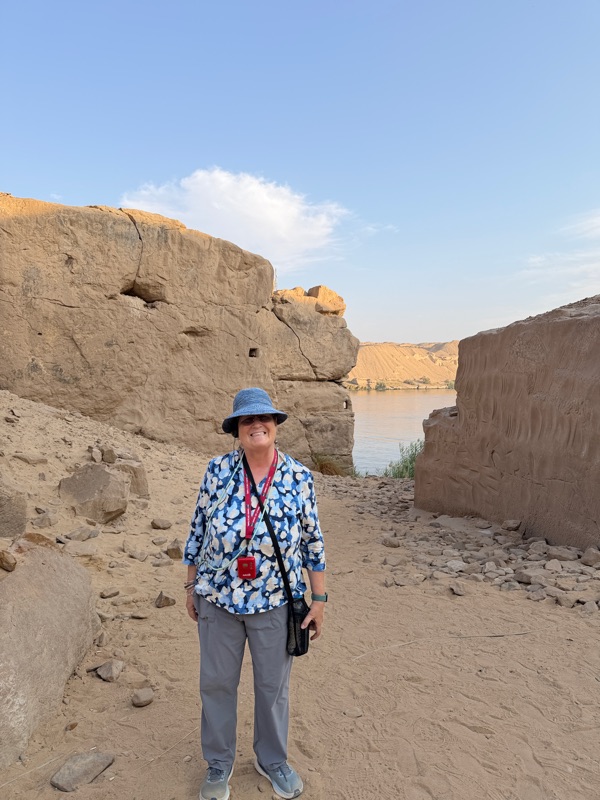 |
| The boat was waiting past the opening to take the blocks to Luxor |
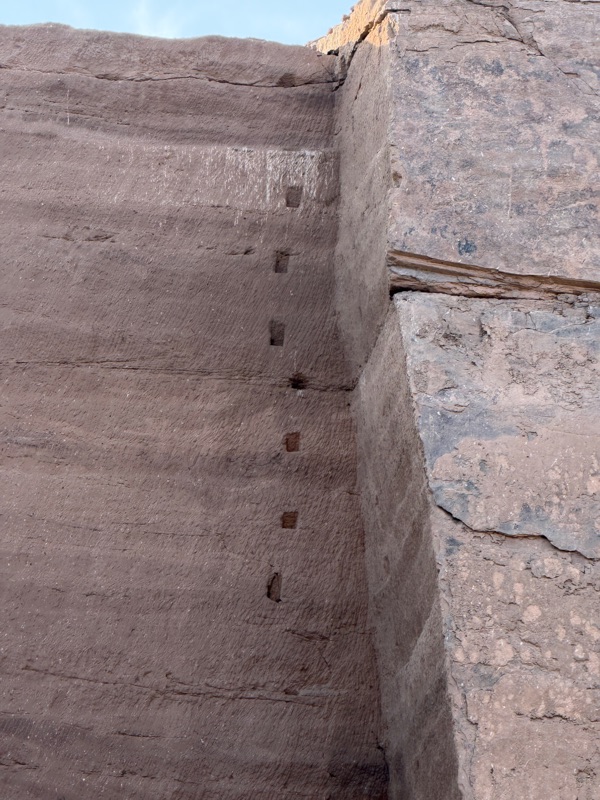 |
Footholds in the sandstone show how workers got up to the top of the block, where they used water and chisels to expand cracks and create moveable size blocks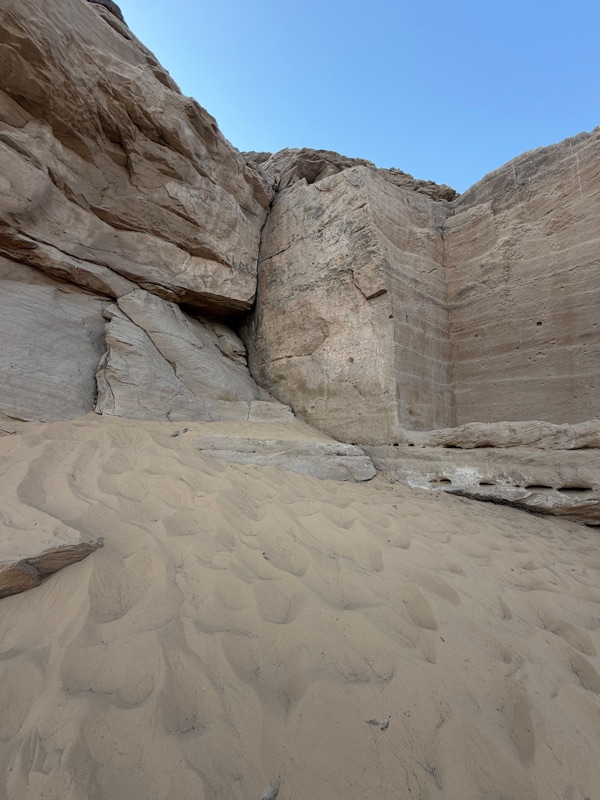 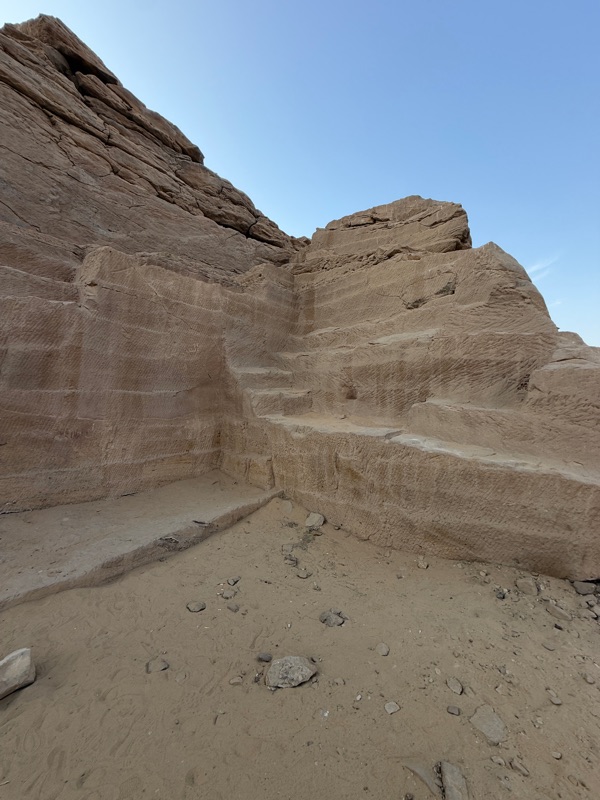 It was easy to see where the huge blocks in the in the Karnak temple had come from. |
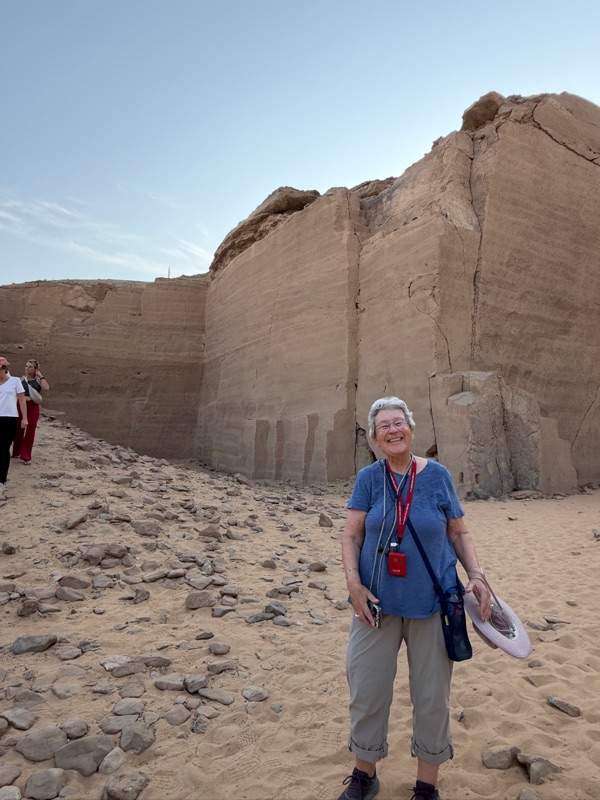 |
| A new quarry worker? |
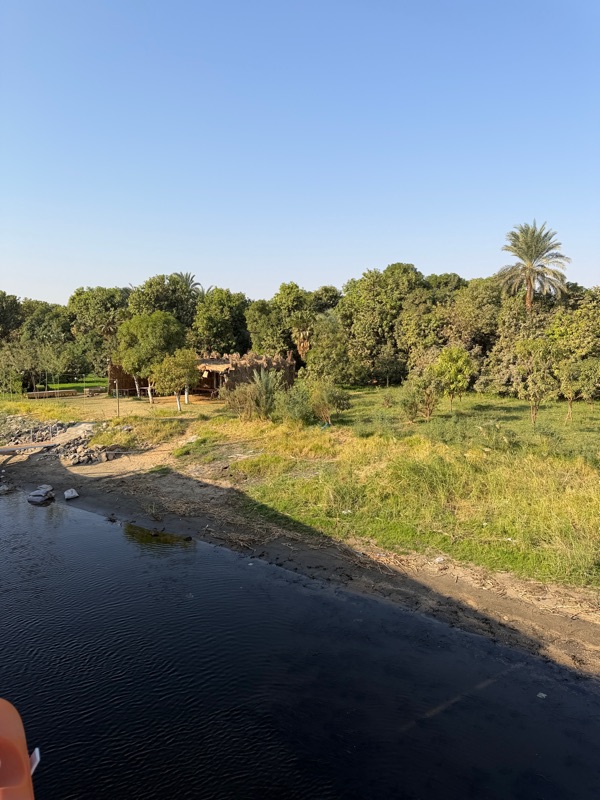
After visiting the quarry, we had a relaxing ride for an hour or so, before having another talk, this time about Christianity in Egypt. A little later we saw a documentary called The River Nile, a film about a trek undertaken by an English guy to walk the entire 4000 miles of the river.



No comments:
Post a Comment