On Tuesday we traveled from Heraklion to Athens. A pleasant flight, and efficient Uber transfers along the way.
Leaving our bags at our guest house, we headed directly to the Acropolis Museum, which is beautiful, spacious and well designed. Given that we had only two hours before it closed, we managed to see all of the highlights with some time left for some closer attention to some other exhibits. It helped that the museum guide conveniently featured the most significant pieces. Especially interesting were the pediments of the Parthenon. The amazing marble sculptures were significantly damaged over the centuries - some of the damage was intentional for religious, cultural, or pecuniary reasons, some was caused by fires, wars, and weather and some were removed by Lord Elgin and others who took them because they could. Fortunately one enterprising man in the late 1700’s made impressions of the carvings which made it possible to recreate them so we can now have a good idea of what they looked like. Overall, the museum was Amazing, and we could have spent a lot more time there.
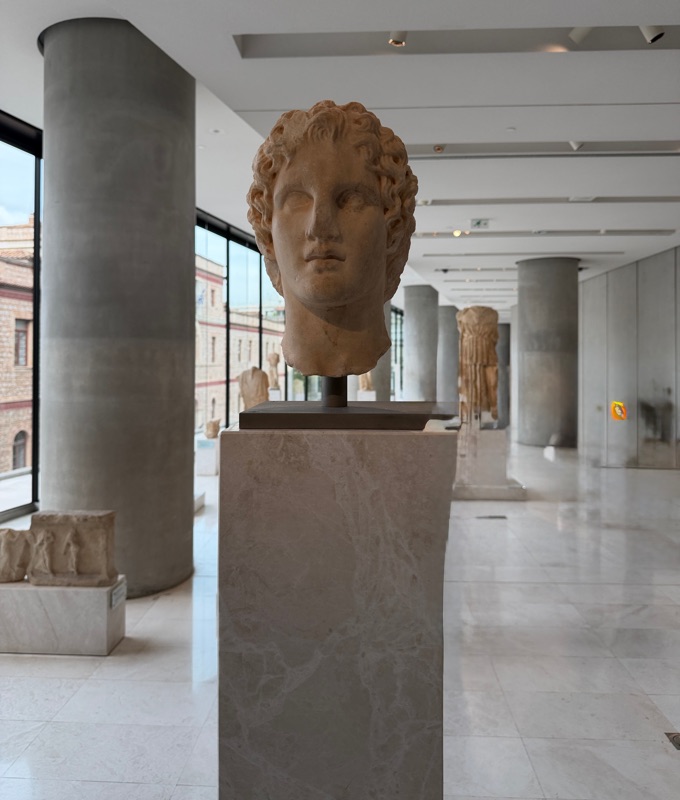
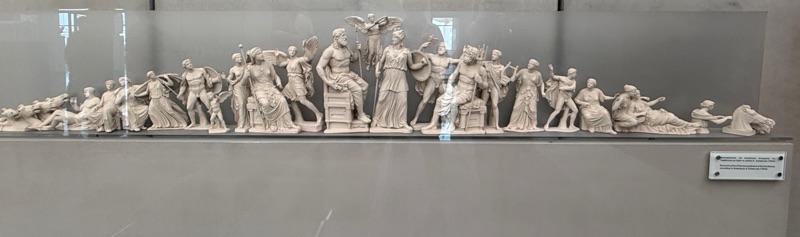
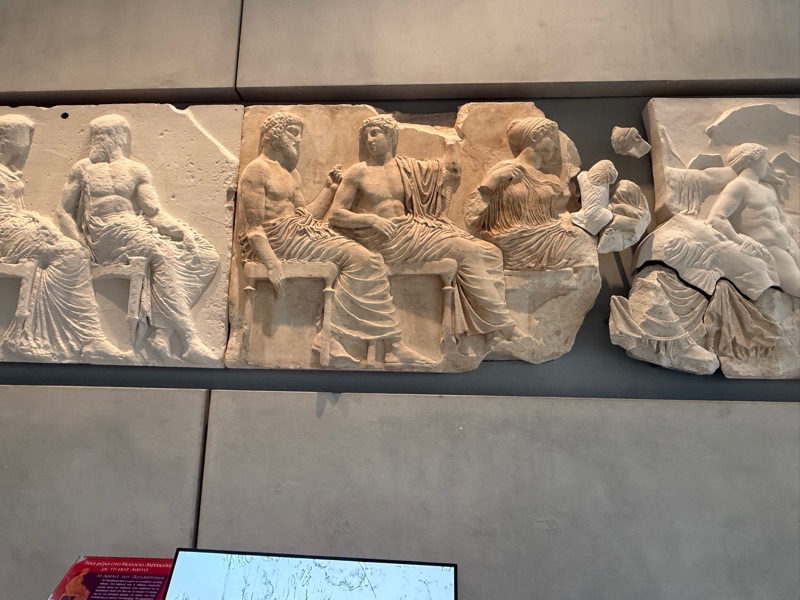
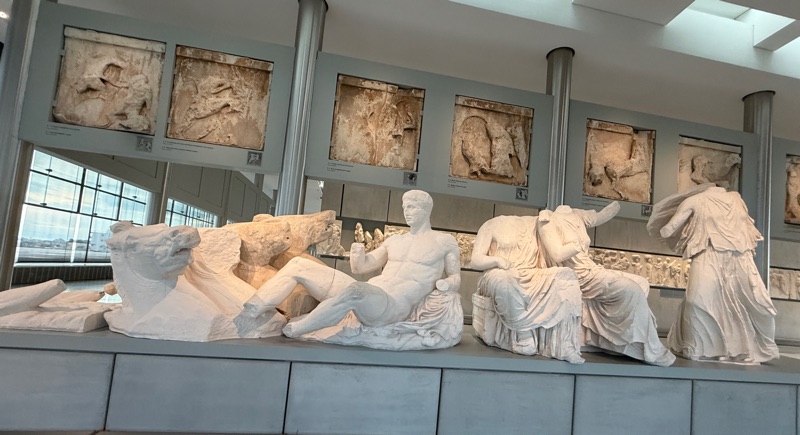
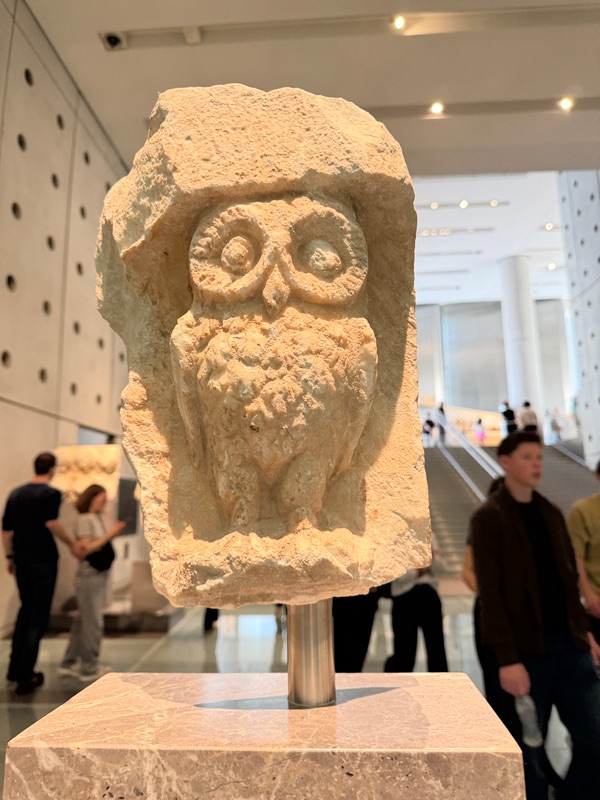
The other interesting and unique feature of the museum was that it was built over the excavations of ruins from the 5th and 6th century BC city. Tthere were several large homes. We could see the various rooms in the homes as well as the canals built for water and sewage systems.
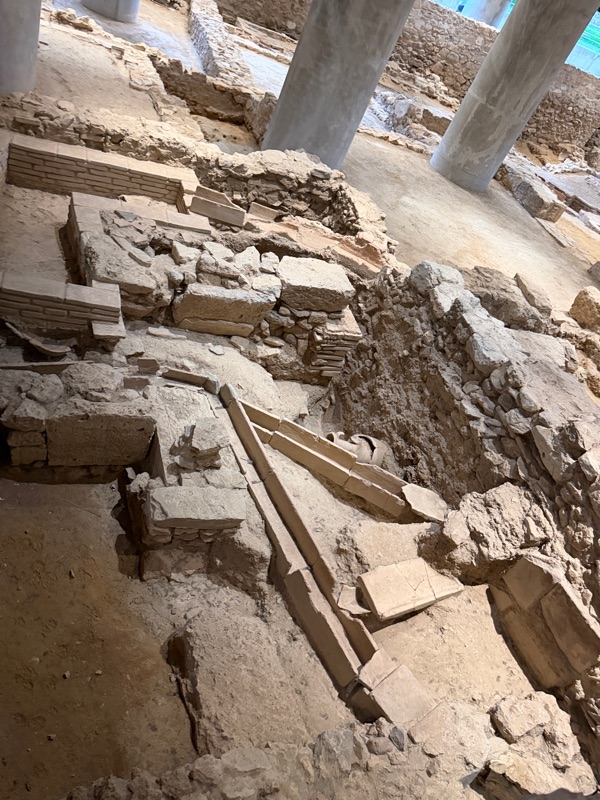
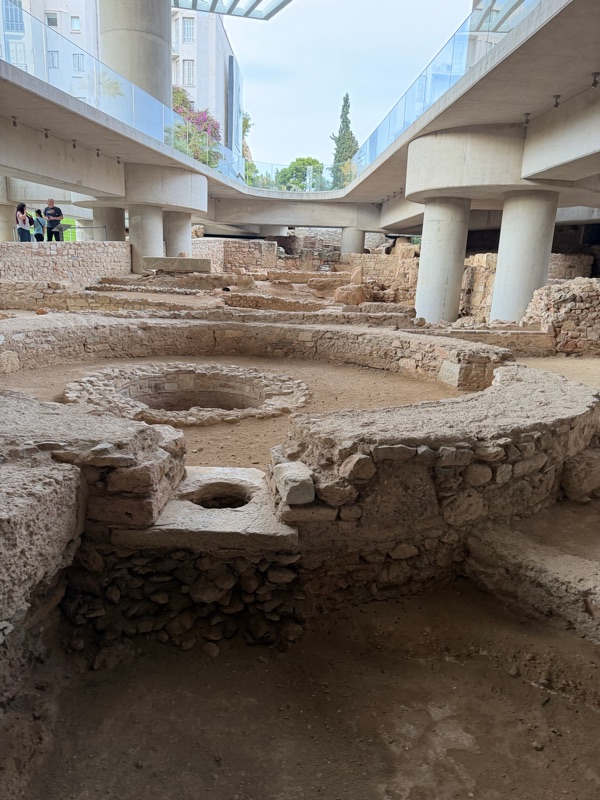
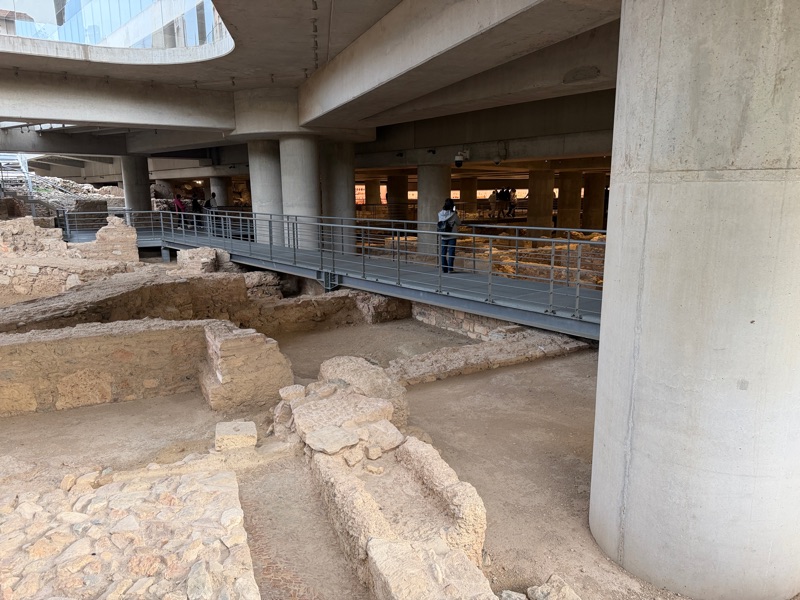
We took many pictures, but decided to include the link below rather than our own photos because we couldn’t choose just a few!
https://en.wikipedia.org/wiki/
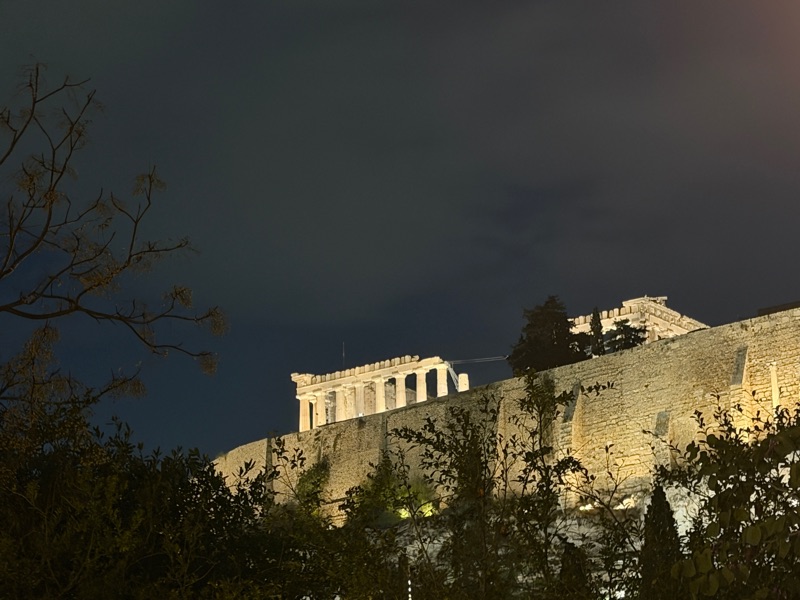
After the museum, we enjoyed a traditional Greek lamb dinner at a taverna nearby. It was very cool to be having dinner with the Acropolis looming on the hill above.
Today, Wednesday, after spending some time packing and sorting our luggage, we took the metro to the Museum of Cycladic Art. The Museum is small and very well curated. The exhibits traced history and art in the Aegean, primarily the Cyclades - a group of central Greek islands between mainland Greece and Turkey - as well as Crete and Cyprus from the early Bronze Age to the Christian Era, from about 3500 BC to about 6OO AD. After all of our travels and learning about this period in Athens, the Peloponnes and Crete, this museum did a great job of putting the artifacts and history in context.
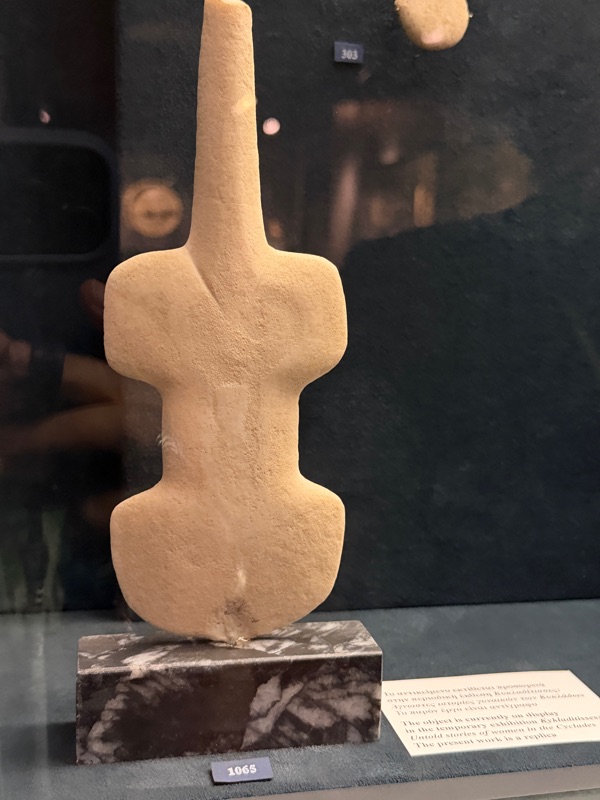
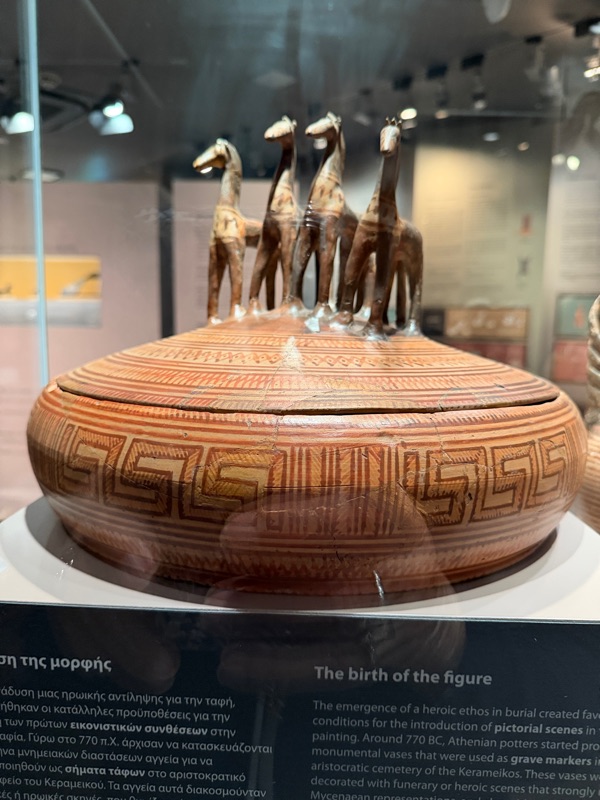
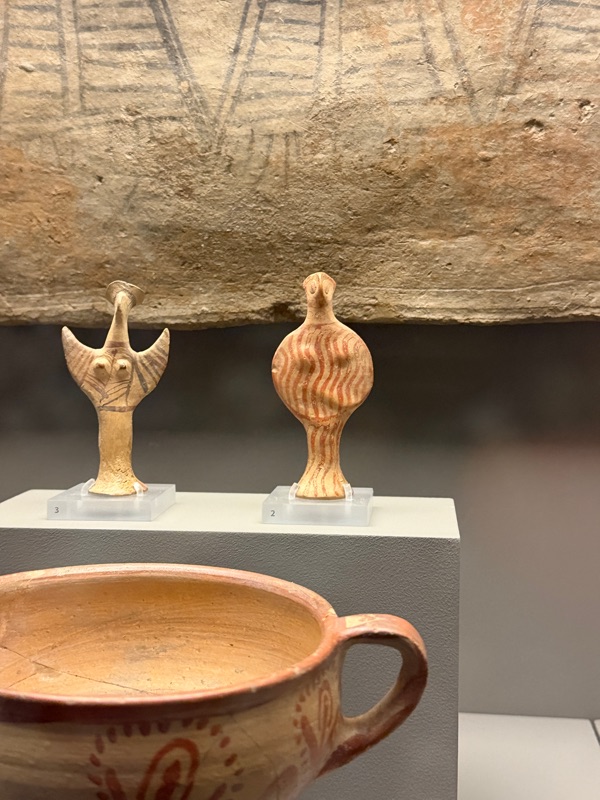
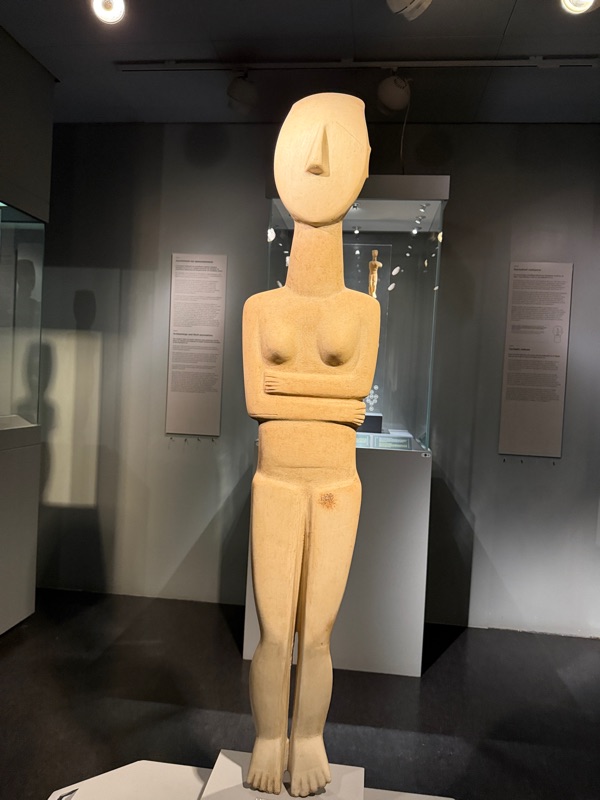
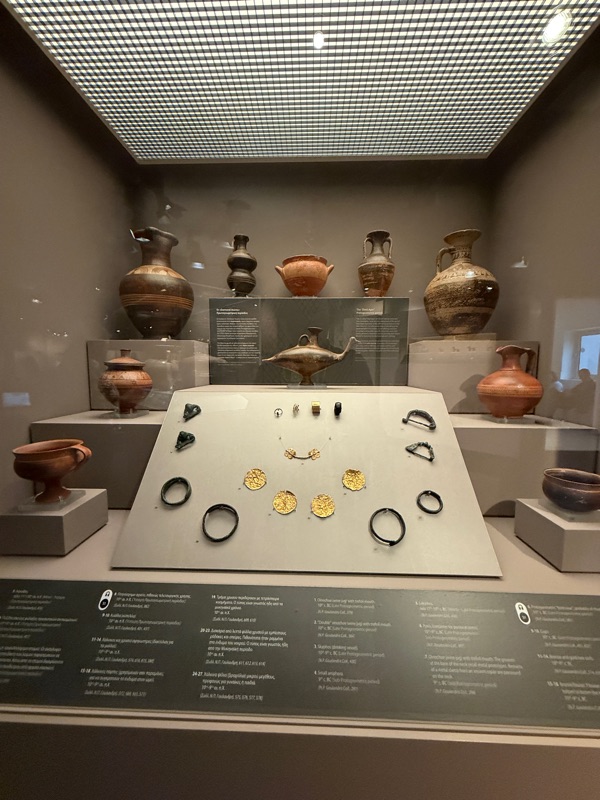
The Wikipedia page gives a history and overview of the most important works.
https://en.wikipedia.org/wiki/Goulandris_Museum_of_Cycladic_Art
Having had a perfect Vietnamese dinner, we are ready for the next adventure in Jordan and Egypt.


No comments:
Post a Comment